
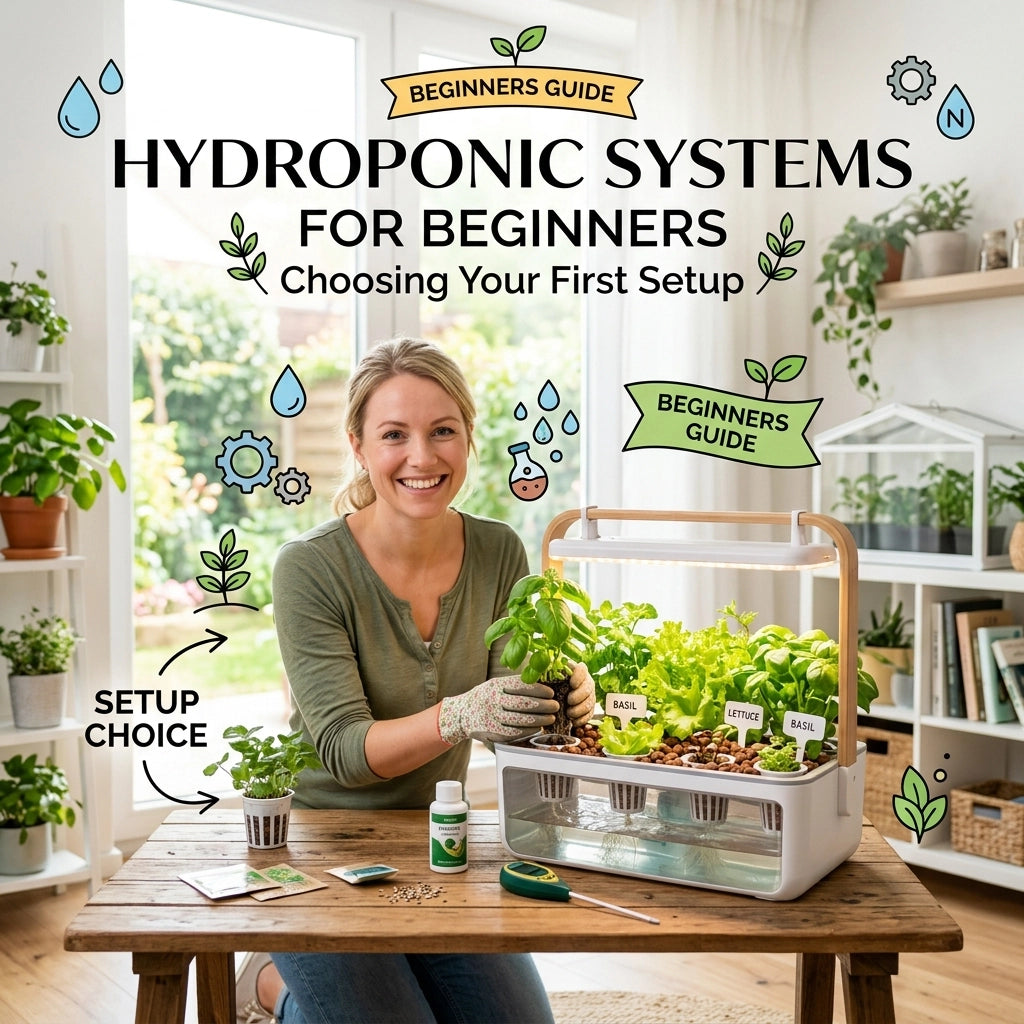
So, you’re thinking about diving into the world of hydroponics? First off, welcome to the club. There’s something incredibly satisfying about growing your own food or medicine without a single speck of dirt in sight. If you’ve spent any time looking at professional setups online, you might feel like you need a degree in engineering just to get started. The fact of the matter is, hydroponics doesn’t have to be complicated.
At its core, hydroponics is just a method of growing plants in a water-based, nutrient-rich solution. Instead of roots searching through the soil for nutrients, you’re delivering everything they need directly to them. This leads to faster growth rates, higher yields, and, let’s be honest, fewer messy floors. But before you can start harvesting, you have to choose a system.
For beginners, the "best" system isn't necessarily the one the pros use; it’s the one that is easiest to manage while you’re still learning the ropes. In this guide, we’re going to break down the three most popular hydroponic systems for beginners: Deep Water Culture (DWC), Ebb and Flow, and Drip Systems.
1. Deep Water Culture (DWC): The Purest Entry Point
Deep Water Culture is often cited as the gold standard for beginners. Why? Because it’s mechanically simple. In a DWC setup, your plant’s roots are suspended in a reservoir of nutrient-rich water 24/7.
To keep the plants from "drowning" (yes, roots need oxygen too!), an air pump pushes bubbles through an air stone at the bottom of the reservoir. This oxygenates the water, allowing the roots to breathe while they drink.
Why DWC is Great for New Growers
- Rapid Growth: Since the roots are literally swimming in food and oxygen, plants grow significantly faster than they do in soil.
- Low Maintenance: Once the system is dialed in, you mostly just need to monitor the water level and the pH.
- Fewer Moving Parts: Aside from the air pump, there isn't much that can break.
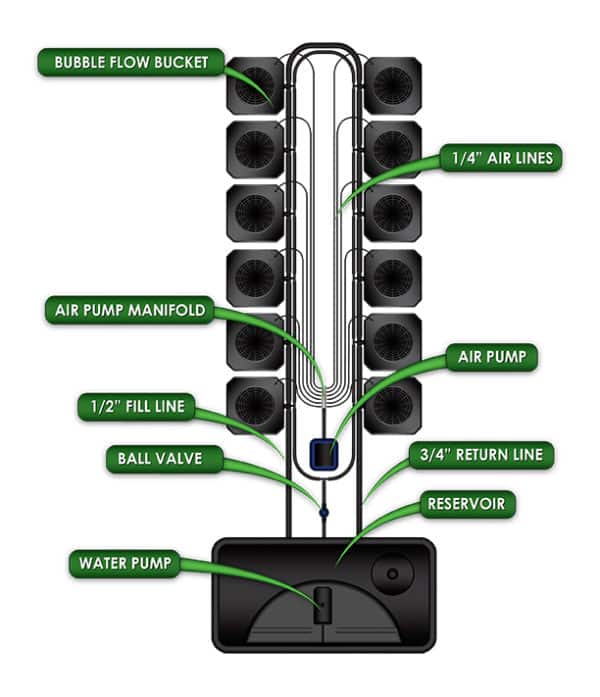
One of the most popular ways to start with this method is using a bucket system. For example, the Bubbleflow Bucket 6-Site System takes the guesswork out of the plumbing, connecting multiple buckets to a central reservoir so you aren't managing six different water levels.
The Catch (What to Watch Out For)
The biggest risk with DWC is water temperature. If your water gets too warm (above 72°F), it holds less oxygen and becomes a breeding ground for root rot. If you’re growing in a warm spare room or a garage, you’ll need to keep a close eye on this.
2. Ebb and Flow (Flood and Drain): The Versatile Choice
If DWC is the "always on" method, Ebb and Flow is the "timed" method. In this setup, your plants sit in a tray filled with a growing medium (like expanded clay pebbles or rockwool). Below the tray is a reservoir filled with nutrient solution.
A pump, controlled by a timer, periodically "floods" the tray with water. After a few minutes, the pump turns off, and the water "ebbs" (drains) back into the reservoir.

Why Beginners Love Ebb and Flow
- Versatility: You can grow almost anything in an Ebb and Flow system, from small herbs to larger flowering plants.
- Oxygenation: As the water drains away, it pulls fresh oxygen into the root zone, which is fantastic for root health.
- Automation: Once you set your mechanical timer, the system does the heavy lifting for you.
The Learning Curve
The trickiest part of Ebb and Flow is timing. If your timer fails or the power goes out while the tray is dry, your plants can wilt quickly because their roots aren't submerged. It’s always a good idea to use a growing medium that holds some moisture, like rockwool starter trays, to give yourself a safety buffer.
3. Drip Systems: Precision and Scale
Drip systems are arguably the most common type of hydroponics used commercially, but they are also very accessible for home beginners. It works exactly like it sounds: a network of small tubes "drips" nutrient solution directly onto the base of each plant.
You can set these up as "recovery" systems (where excess water drains back into the reservoir) or "non-recovery" systems (where the excess is wasted). For home growers, a recovery system is almost always the better choice to save on nutrients.
Why Choose a Drip System?
- Total Control: You can control exactly how much water each plant gets. This is perfect if you have different types of plants in the same area.
- Efficiency: There is very little evaporation, and you aren't moving massive amounts of water at once like in Ebb and Flow.
- Scale: It is very easy to add more "drip lines" if you decide to expand your garden.
The Potential Frustration
The main headache with drip systems is clogging. Because the emitters (the parts that drip the water) have very small openings, they can get blocked by mineral buildup or organic nutrients. You’ll want to ensure you’re using clean water and perhaps a water filtration system to keep things flowing smoothly.
Essential Gear for Every Setup
Regardless of which of these hydroponic systems you choose, there are a few "non-negotiables" you'll need to have on hand. Don't make the mistake of buying the system and forgetting the life support.
1. High-Quality Grow Lights
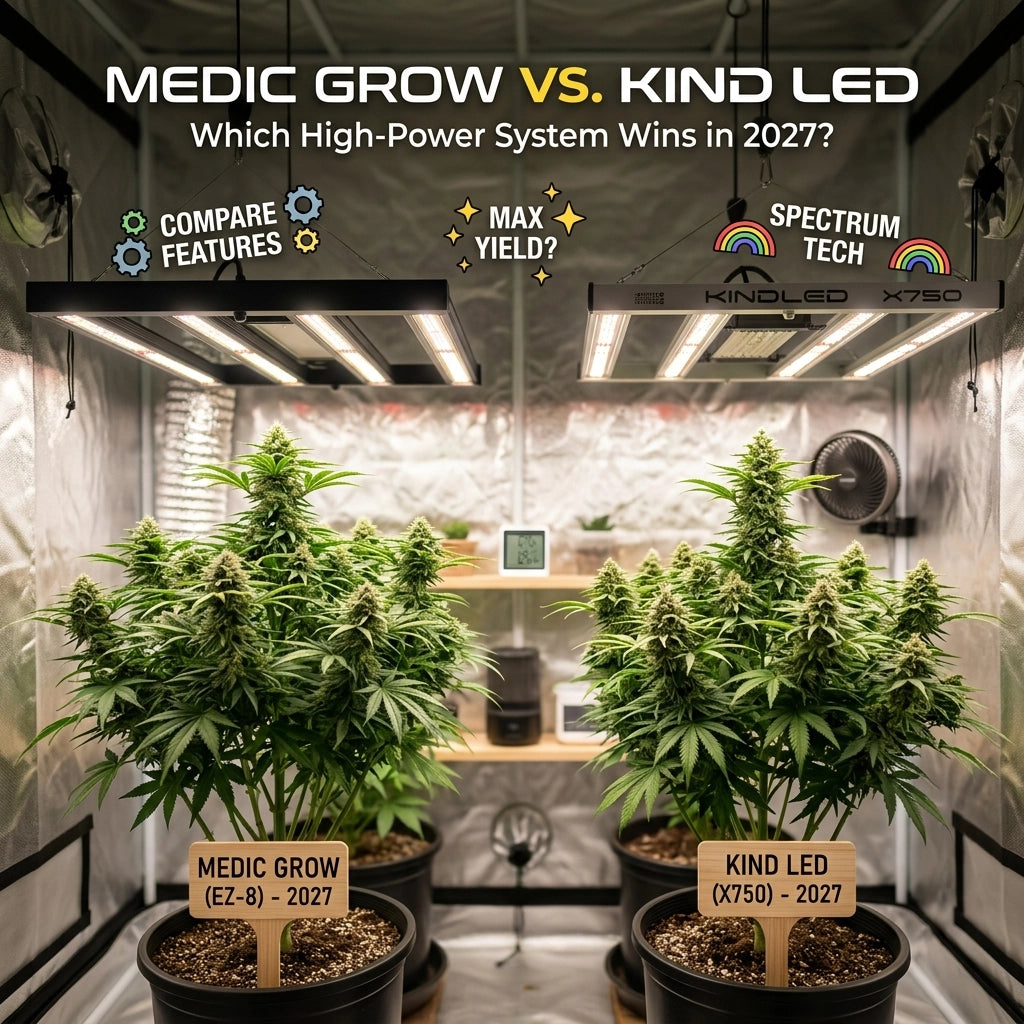
If you're growing indoors, the sun isn't there to help you. Beginners often under-spend on lights and wonder why their plants are lanky. We usually recommend LED grow lights because they produce less heat and use less electricity. The Kind LED X330 or the Kind LED X420 are solid investments that will last you through many harvests.
2. A Reliable Reservoir
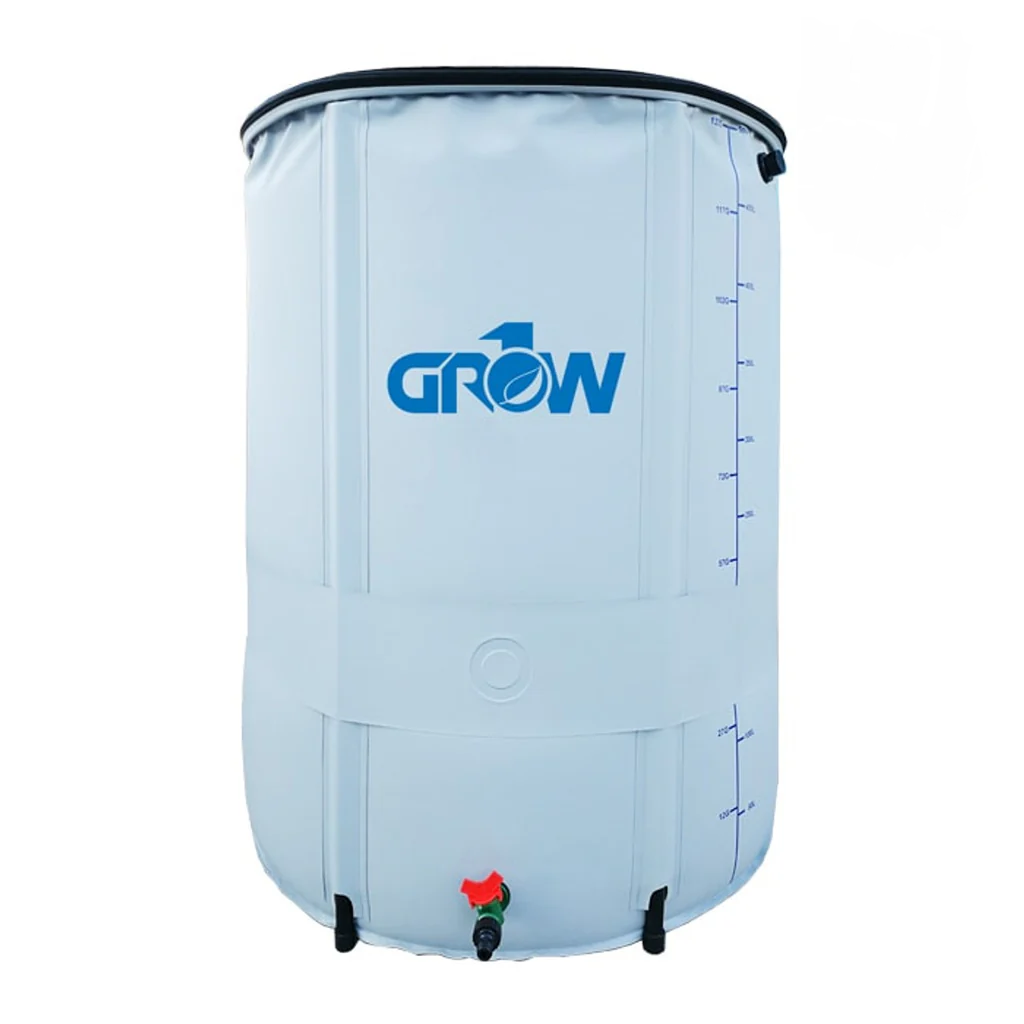
Your reservoir is the heart of your system. It needs to be light-proof (to prevent algae growth) and large enough to support your plants for several days. A collapsible water storage tank is a great space-saving option if you’re working in a tight area like a closet or small tent.
3. Monitoring Tools
You cannot wing it in hydroponics. You need a pH meter to ensure your water stays between 5.5 and 6.5. If the pH is off, your plants won't be able to "eat," even if the water is full of nutrients.
Common Pitfalls for Beginners
It’s easy to get excited and rush the process, but the transition from soil to water has a few traps.
- Over-feeding: Beginners often think more nutrients = faster growth. In reality, too many nutrients will "burn" your plants. Always start with half the recommended dose on the bottle and work your way up.
- Ignoring Water Quality: Tap water often contains chlorine or heavy minerals that can mess with your plants. If you can, use filtered water or let your tap water sit out for 24 hours to dechlorinate.
- Poor Airflow: Just because the roots are in water doesn't mean the top of the plant doesn't need fresh air. A small fan to circulate air in your grow space is essential to prevent mold and strengthen stems.
Which System Should You Choose?
The "right" answer depends on your personality and your space.
- Choose DWC if: You want the fastest possible growth and don't mind checking water temperatures. It’s the most "hands-on" in terms of monitoring but the simplest to build.
- Choose Ebb and Flow if: You want a system that is forgiving and allows you to grow a variety of different sized plants in one tray.
- Choose a Drip System if: You like the idea of precision and want a setup that can easily grow with you as you add more plants to your collection.
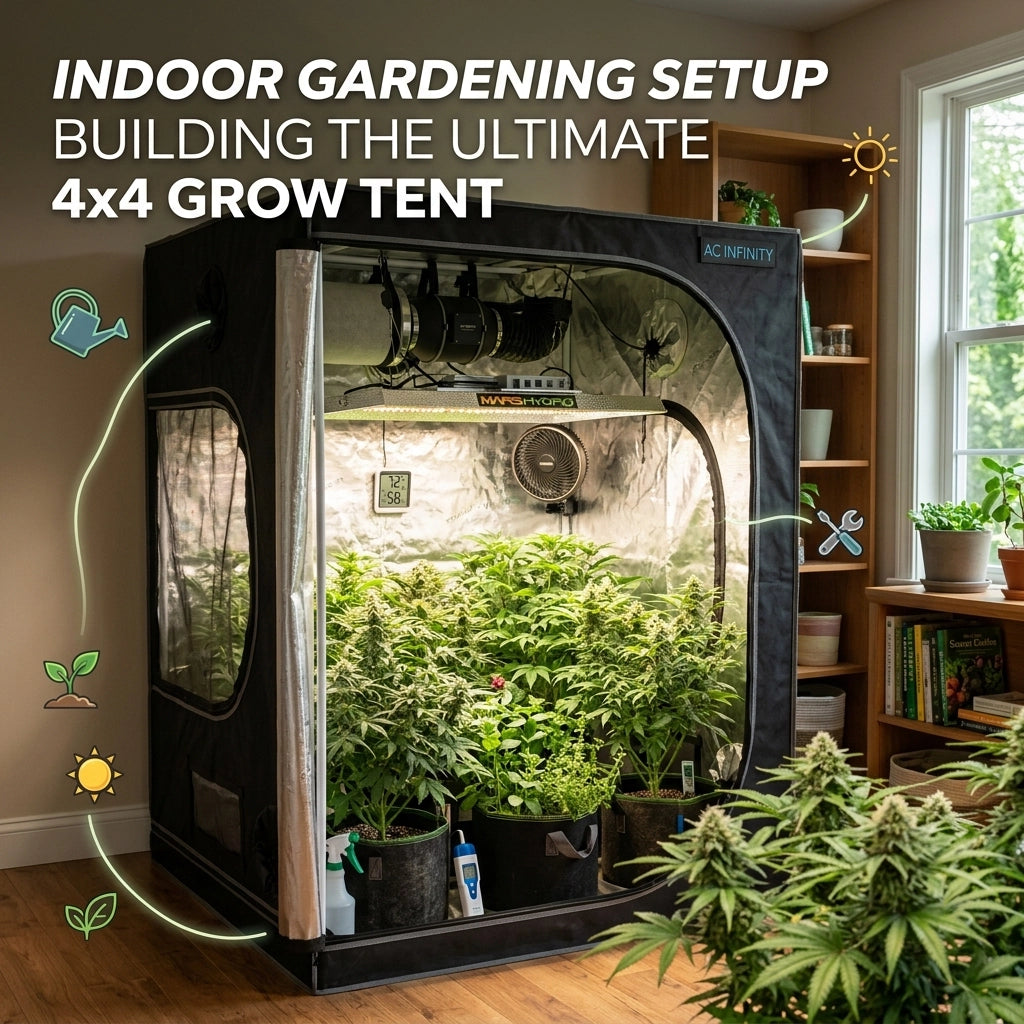
If you’re still feeling a bit overwhelmed, don’t sweat it. Most of us started exactly where you are. Sometimes the best way to learn is to just get your hands wet. If you need specific advice tailored to your space, we even offer grow tent consulting to help you map out the perfect environment.
Hydroponics is a journey of constant learning. You'll make mistakes, your pH will drift, and you might lose a plant or two along the way. But the first time you bite into a head of lettuce or harvest a flower that you grew entirely in water, you’ll realize it was worth every bit of the effort.
Start small, keep it simple, and focus on the fundamentals. Your plants will thank you for it. Ready to pick your first setup? Check out our full range of complete hydroponic systems to find the one that fits your home and your goals. Happy growing!


Leave a comment
This site is protected by hCaptcha and the hCaptcha Privacy Policy and Terms of Service apply.