
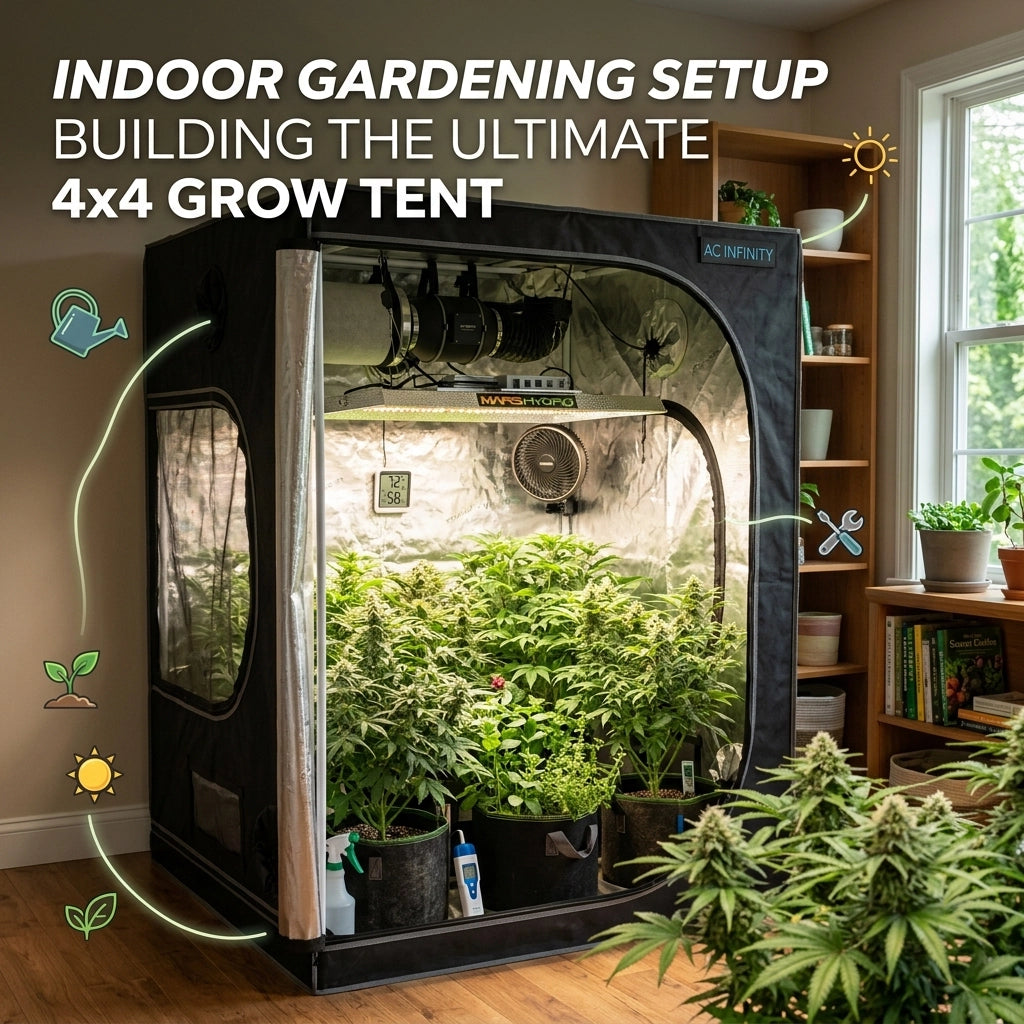
So, you’ve decided to take the plunge and set up a 4x4 grow tent. Honestly, it’s one of the best moves you can make as an indoor gardener. The 4x4 footprint is the "Goldilocks" of the gardening world: it’s big enough to pull a serious harvest that can last you months, but small enough to fit into a spare bedroom or a corner of the garage without needing a commercial electrical upgrade.
Building an Indoor Gardening Setup isn’t just about buying a tent and throwing some seeds in the dirt. It’s about creating a closed-loop ecosystem where you control the sun, the wind, and the rain. If you get the balance right, your plants will reward you. If you cut corners, you’ll be chasing problems like powdery mildew or light burn for the next three months. Let’s break down how to build the ultimate 4x4 Grow Tent setup from the ground up.
Why the 4x4 Footprint is King
A 4x4 tent gives you 16 square feet of canopy space. Depending on your style, you can run four massive plants in 7-gallon pots or sixteen smaller plants in a "Sea of Green" (SOG) configuration. The versatility is what makes it the industry standard for home hobbyists. Most high-quality LED lights are specifically designed to cover a 4x4 area, meaning you get the most "bang for your buck" regarding light distribution and energy efficiency.

When picking your tent, don’t go for the cheapest option on a random marketplace. Look for something with a 2000D canvas exterior and a solid steel frame. The fact of the matter is, cheap tents have light leaks and flimsy zippers that will break right when your plants start flowering. You want a tent that can support the weight of your lights and ventilation gear: usually around 150 lbs of capacity.
Lighting: The Heart of Your Indoor Gardening Setup
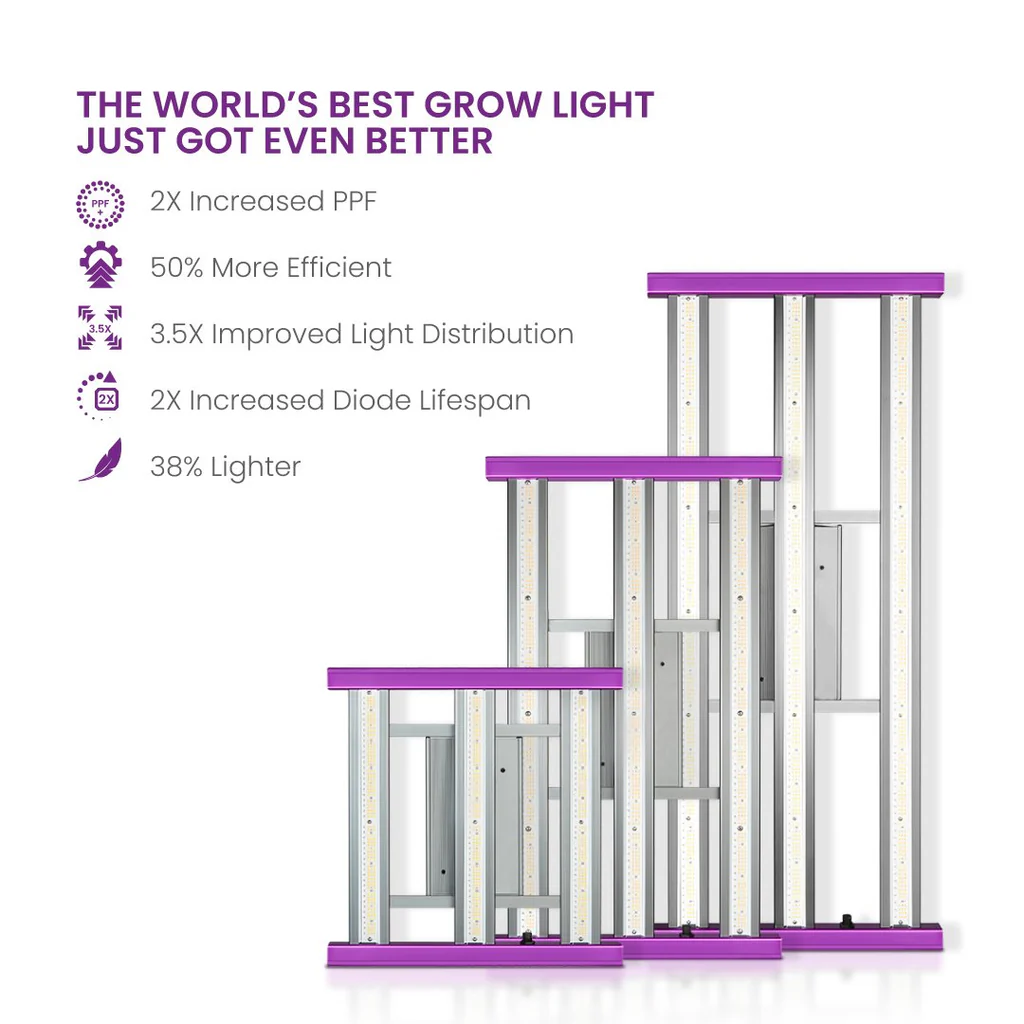
Your light is your most important investment. In a 4x4 space, you need a light that provides a uniform "PAR" map. You don't want a "hot spot" in the middle and dark corners. This is where modern LED technology has changed the game.
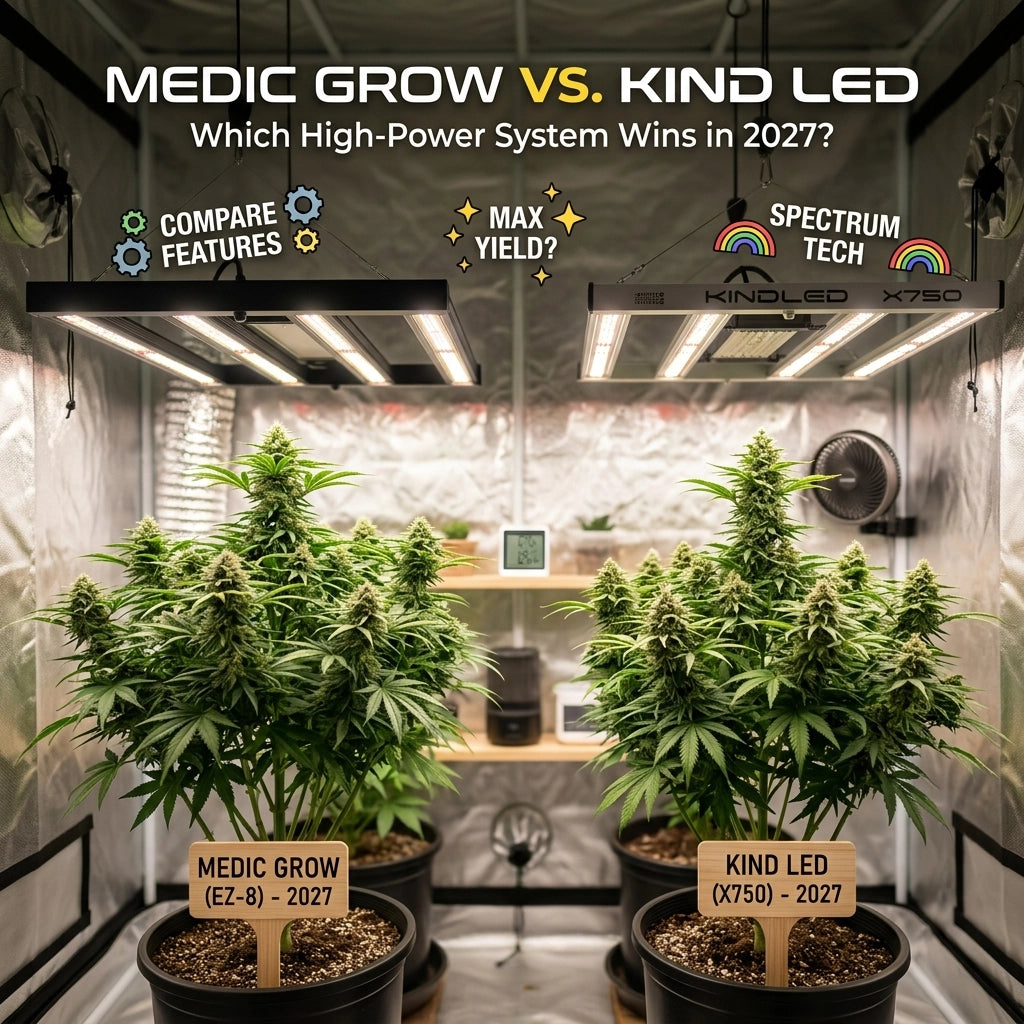
For a 4x4, we generally recommend looking at brands like KIND LED or Medic Grow.
- KIND LED X420: This is a powerhouse. The KIND LED X420 is designed specifically for this footprint. It offers a targeted full spectrum that mimics natural sunlight but is optimized for resin production and plant growth.
- Medic Grow / Spectrum-Y: If you want something with a bit more punch and wireless control, the Spectrum-Y Wireless LED is an 880W monster. While 880W is a lot for a 4x4, the ability to dim it and tune the spectrum gives you ultimate control over the plant’s life cycle.
Pro Tip: Always use a mechanical timer for your lights. Even the smartest "smart" apps can glitch. A mechanical timer is old-school, reliable, and won’t fail you during a Wi-Fi outage.
Ventilation and Climate Control
You can have the best lights in the world, but if your air is stagnant, your plants will die. A 4x4 Grow Tent creates a lot of heat and humidity. You need to move that air out and bring fresh, CO2-rich air in.
The Exhaust System
You’ll want a 6-inch inline fan. A 4-inch fan is usually too weak for a 4x4 once you add the resistance of a carbon filter. Hang the fan and filter at the very top of your tent. Heat rises, so pulling air from the highest point is the most efficient way to cool the space.
The Carbon Filter
Unless you want your entire house (and neighbor’s house) smelling like a botanical garden, a carbon filter is non-negotiable. It "scrubs" the air before it leaves the tent. Make sure your fan’s CFM (Cubic Feet per Minute) rating matches your filter’s rating.
Air Movement
Don’t forget oscillating fans. You want a gentle breeze dancing across the leaves. This strengthens the stalks and prevents "pockets" of humid air from sitting under the canopy, which is where mold loves to start.

Choosing Your Growing Medium and Pots
How you house your roots determines how often you’ll be working in the garden.
- Fabric Pots: These are great for beginners. They allow the roots to "air prune," preventing the plants from becoming root-bound.
- Raised Beds: If you want to go the "Living Soil" route, a Grassroots fabric raised bed fits perfectly in a 4x4. This allows for a larger volume of soil, which creates a more stable environment for microbes.
- Hydroponics: If you’re looking for explosive growth and don’t mind a bit of tech, a 6-site Bubbleflow bucket system is a great fit for this space.
Automation: The Secret to a Stress-Free Garden
The biggest mistake new growers make is "helicopter parenting." They open the tent every hour, messing with the humidity and light cycles. Automation allows you to step back.
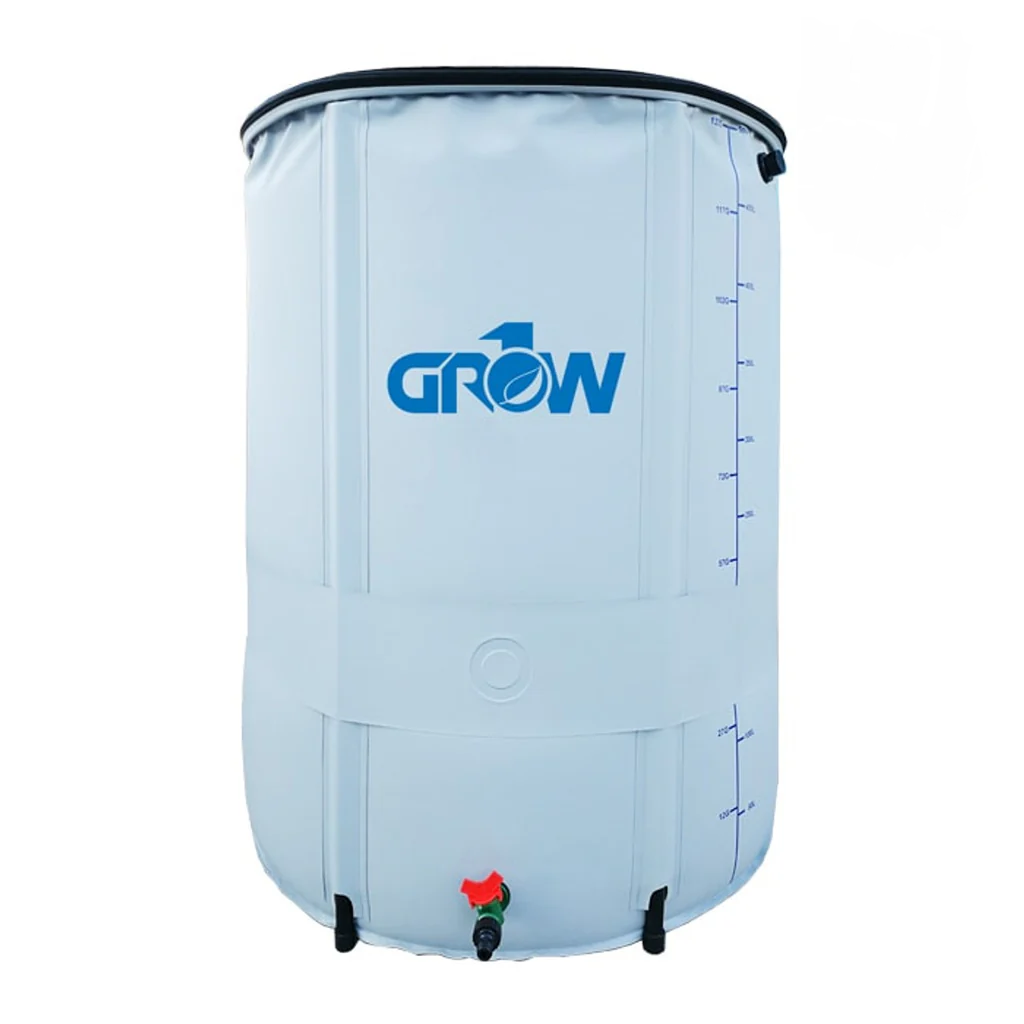
We highly recommend an automatic watering system. The Blumat Automatic Watering System is a favorite at Perfect Gardens. It doesn't use electricity; instead, it uses ceramic sensors that "feel" how dry the soil is and release water accordingly. Pair this with a collapsible water tank as your reservoir, and you can leave your garden for a weekend without worrying about your plants wilting.

Layout and Plant Training
In a 16-square-foot space, geometry is your friend.
- The 4-Plant Square: This is the most common layout. One plant in each quadrant. It gives you plenty of room to walk into the tent and prune.
- The ScrOG (Screen of Green): This involves placing a trellis net across the entire 4x4 area. As the plants grow, you tuck the branches under the net. This forces the plant to grow horizontally, creating a flat canopy of tops. This is how you maximize yield in a 4x4 Grow Tent.
- Topping and FIMing: Don't let your plants just grow like Christmas trees. They will hit the light and burn. Cut the main tip (topping) early in the vegetative stage to encourage the plant to grow bushy rather than tall.
Maintenance and Nutrients
Your Indoor Gardening Setup is only as good as the fuel you give it. While you can go heavy with bottled nutrients, many of our successful growers prefer a more "biological" approach. Using a Vortex Brewer to create compost teas can supercharge your soil with beneficial microbes.

Caution: Over-feeding is the #1 killer of indoor plants. It’s much easier to fix a nutrient deficiency than it is to fix nutrient burn. Start with half the recommended dose on the bottle and see how your plants react.
Harvesting and Beyond
Once you’ve spent 3-4 months nurturing your garden, the finish line is in sight. But the job isn't done at harvest. You need to dry and cure your harvest properly to preserve the terpenes and potency.
Many growers use their 4x4 tent as a drying room once the plants are chopped. You can hang the whole plants from the internal support bars of the tent, keep the exhaust fan on low to move air, and keep the lights off. After drying, using vacuum seal bags can help keep your harvest fresh for months.
If you end up with a lot of "trim" or small buds, you might want to look into extraction. A Bubble Magic washing machine is a fun way to turn "waste" into high-quality concentrates right in your kitchen.
Common Pitfalls to Avoid
It seems more like a simple process, but there are a few "gotchas" that catch everyone.
- Light Leaks: If you are growing photoperiod plants, any light entering the tent during the "dark" cycle can cause the plants to hermie or reveg. Check your intake flaps!
- Ignoring pH: If your water pH is off, your plants can't "eat" the nutrients in the soil. Even if the nutrients are there, they get "locked out." Always check your runoff.
- Poor Airflow at the Bottom: People often focus on the top of the plant, but if air isn't moving around the base of the pots, you're asking for root rot or fungus gnats.
Setting up a 4x4 tent is a rewarding experience that teaches you a lot about biology, physics, and patience. The fact of the matter is, there is no "perfect" setup, only the setup that works for your lifestyle and your budget. Start with the essentials: a solid tent, a great light like the KIND LED, and proper ventilation: and you can upgrade the rest as you grow.
If you ever feel overwhelmed or need a second pair of eyes on your gear list, we offer 30-minute grow tent consulting to help you dial everything in before you even pop your first seed. Happy growing!



Leave a comment
This site is protected by hCaptcha and the hCaptcha Privacy Policy and Terms of Service apply.