

Hey everyone, Mark here from Perfect Gardens. We are officially hitting that sweet spot in May where the garden is waking up, the sun is staying out a little longer, and your plants are likely entering a massive growth spurt. But with that growth comes a transition. We are moving away from the gentle, cool days of early spring and heading straight toward the intense heat and humidity of summer.
If you want your plants to do more than just "survive" the summer: if you want them to thrive and produce heavy yields: you need to focus on the biology in your soil right now. The best way to do that? Compost tea.
The fact of the matter is that most gardeners think of compost tea as a "once in a while" treat. This is not the case. In late spring, custom-brewed teas act like an immune system booster and a high-performance fuel combined into one. Today, I want to break down some technical but easy-to-follow recipes tailored specifically for this mid-May-to-early-June window.
Why Late Spring Brewing is Different
In March and April, we were mostly focused on waking up the soil and getting seeds to pop. Now, in May, your plants are building massive amounts of "infrastructure": stems, branches, and leaf surface area. They are also starting to prepare for the reproductive phase (flowering and fruiting).
As the ambient temperature rises, the oxygen levels in your water drop, and the risk of "bad" microbes like Pythium (root rot) increases. Brewing tea in late May requires a bit more finesse than brewing in the cool of March. You need more aeration, better water quality, and specific "foods" for the microbes to ensure you aren't just breeding pathogens.
The Foundation: Water Quality and De-chlorination
Before we talk about recipes, we have to talk about your water. Most people grab a hose and fill a 5-gallon bucket. If you’re on city water, that water is loaded with chlorine or chloramines. These chemicals are designed to kill bacteria. If you put high-quality compost into chlorinated water, you are essentially committing microbial genocide before you even start.
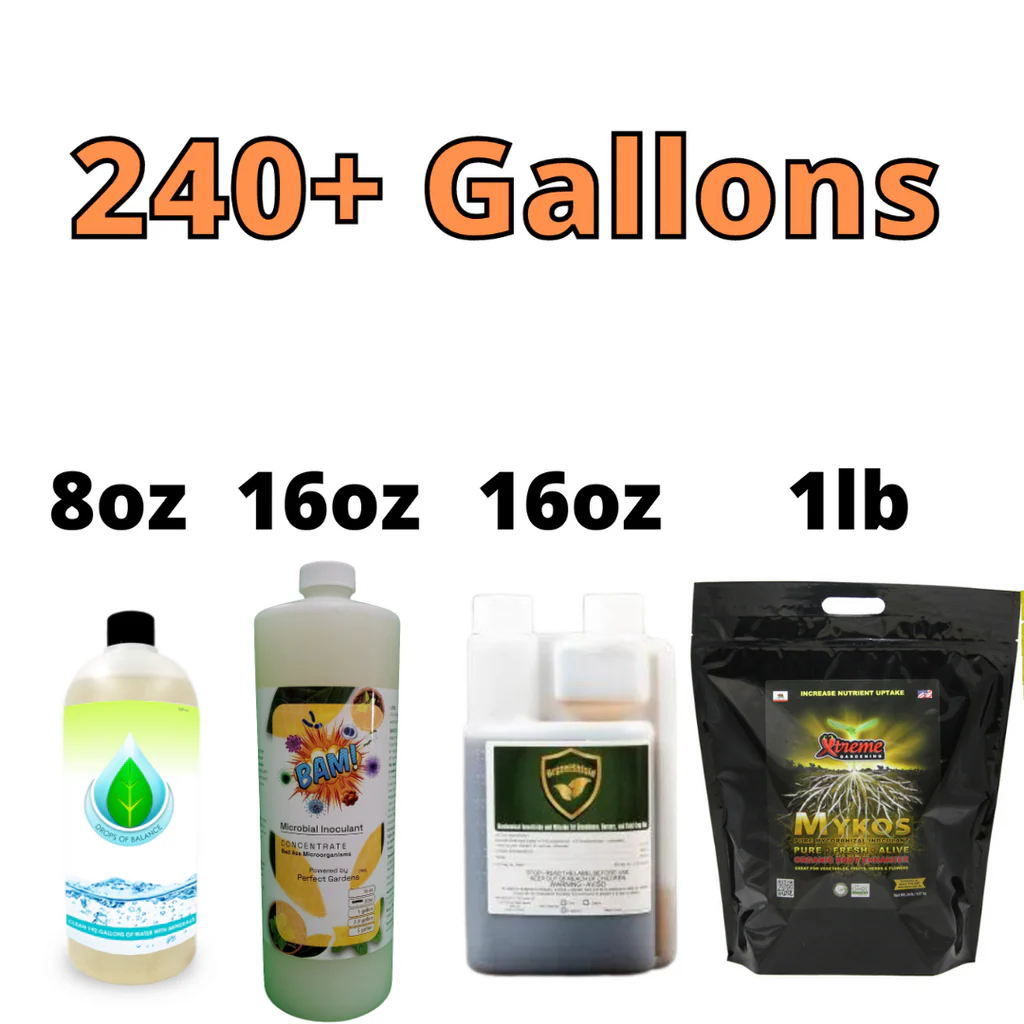
For a successful late-spring brew, you must de-chlorinate. You can let the water sit out for 24 hours with an air stone running, or you can use a mineral-based conditioner. We often recommend products like Drops of Balance to help clean the water and provide the trace minerals that microbes need to multiply.
Recipe 1: The "Early Summer Armor" (Bacterial-Dominated)
This recipe is designed for your fast-growing annuals: your tomatoes, peppers, and leafy greens that are currently in high vegetative mode. Bacterial-dominated teas provide quick-release nitrogen and help the plant build thick cell walls to resist the coming summer pests.
The Ingredients:
- 5 Gallons of de-chlorinated water.
- 2 Cups of high-quality worm castings or finished compost: This is your "seed" for the microbes.
- 2 Tablespoons of Unsulfured Blackstrap Molasses: This is the high-energy fuel that feeds the bacteria.
- 1 Tablespoon of Liquid Kelp: Provides trace minerals and growth hormones.
- Microbial Boost: Add a scoop of BAM! Microbial Inoculant to ensure you have a diverse starting culture.
The Process:
Put your compost in a mesh bag (or loose if you plan to strain it later). Add your molasses and kelp directly to the water. Drop in your air stones and let it bubble for 24 hours. In May, don't let this brew go much past 36 hours; as it gets warmer, the bacteria can overpopulate and crash the oxygen levels.

Recipe 2: The "Bloom Foundation" (Fungal-Dominated)
If you have perennials, fruit trees, or long-season plants that are starting to show the first signs of flower development, you want a tea that leans more fungal. Fungi help with phosphorus uptake and create a stable long-term nutrient network in the root zone.
The Ingredients:
- 5 Gallons of de-chlorinated water.
- 2 Cups of "Aged" Compost: Fungi love woody material. If you have compost with more bark or straw, use that.
- 1 Tablespoon of Humic Acid: This is a fungal favorite. It helps build soil structure and "unlocks" tied-up nutrients.
- 1 Tablespoon of Fish Hydrolysate: Unlike molasses (which bacteria love), fungi prefer complex proteins and fats found in fish.
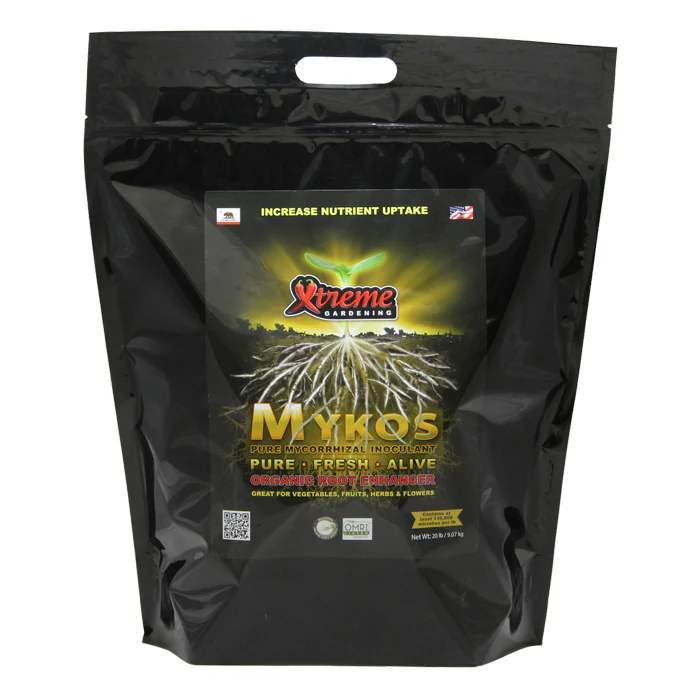
- Mycorrhizae Inoculant: Fungi grow slower than bacteria, so "priming" your tea with something like Xtreme Gardening Mykos can give it a head start.
The Process:
This brew takes longer. Fungi need time to grow their "hyphae" (thread-like structures). Let this bubble for 48 hours. Keep it in a shaded, cool spot. If the tea starts to smell like rotten eggs or "swampy," the oxygen levels have dropped too low, and you should dump it: good compost tea should always smell like fresh, rainy earth.

Equipment: The Secret to Professional Results
You can absolutely brew tea in a 5-gallon bucket with a cheap aquarium pump. It’s how most of us started. However, as you scale up or get more serious about your results, you’ll find that "dissolved oxygen" is the limiting factor.
If you aren't getting enough air into the water, you aren't growing the "good" aerobic microbes. This is why many professional growers move toward specialized systems like the Vortex Brewer. These systems use a "vortex" action to pull air into the water naturally, mimicking the way water moves in a mountain stream. This keeps the oxygen levels maxed out and prevents the compost from settling at the bottom and going anaerobic.
When and How to Apply
In the late spring, timing is everything.
- Morning is Best: Apply your tea early in the morning before the sun is at its peak. This gives the microbes time to settle into the soil or onto the leaves before they get baked by UV rays.
- Foliar Feeding: You can spray the tea directly onto the leaves. This covers the plant in "good" microbes, making it harder for "bad" fungi like powdery mildew to take hold. If you do this, make sure to strain the tea extremely well so you don't clog your sprayer.
- Soil Drench: This is the most common method. Pour the tea directly around the root zone. For the best results, do this right after a light watering so the soil is already moist and the tea can travel deeper into the root system.
- Frequency: In late May, I recommend a tea application once every two weeks. If you are pushing your plants hard under LED lights or in a greenhouse, you can move to once a week.
Common Pitfalls to Avoid
It seems more like a "set it and forget it" process, but there are a few things that can ruin a batch of tea:
- Heat: If your brewing water gets above 80°F, it holds significantly less oxygen. Try to brew in a cool garage or a shaded spot.
- Over-Feeding: Adding too much molasses is a common mistake. It causes a "bacterial bloom" so intense that the bacteria consume all the oxygen in the water, leading to a massive die-off. Stick to the measurements.
- Dirty Equipment: Microbes stick to surfaces. If you don't clean your bucket and air stones with a bit of hydrogen peroxide or soap after every brew, you’ll be starting your next batch with a "biofilm" of potentially bad bacteria.
- Using Old Compost: If your compost pile dried out or sat in the sun all winter, the microbes might be dormant or dead. Always use fresh, moist, "active" compost or high-end grow essentials.
Strengthening the Root Zone
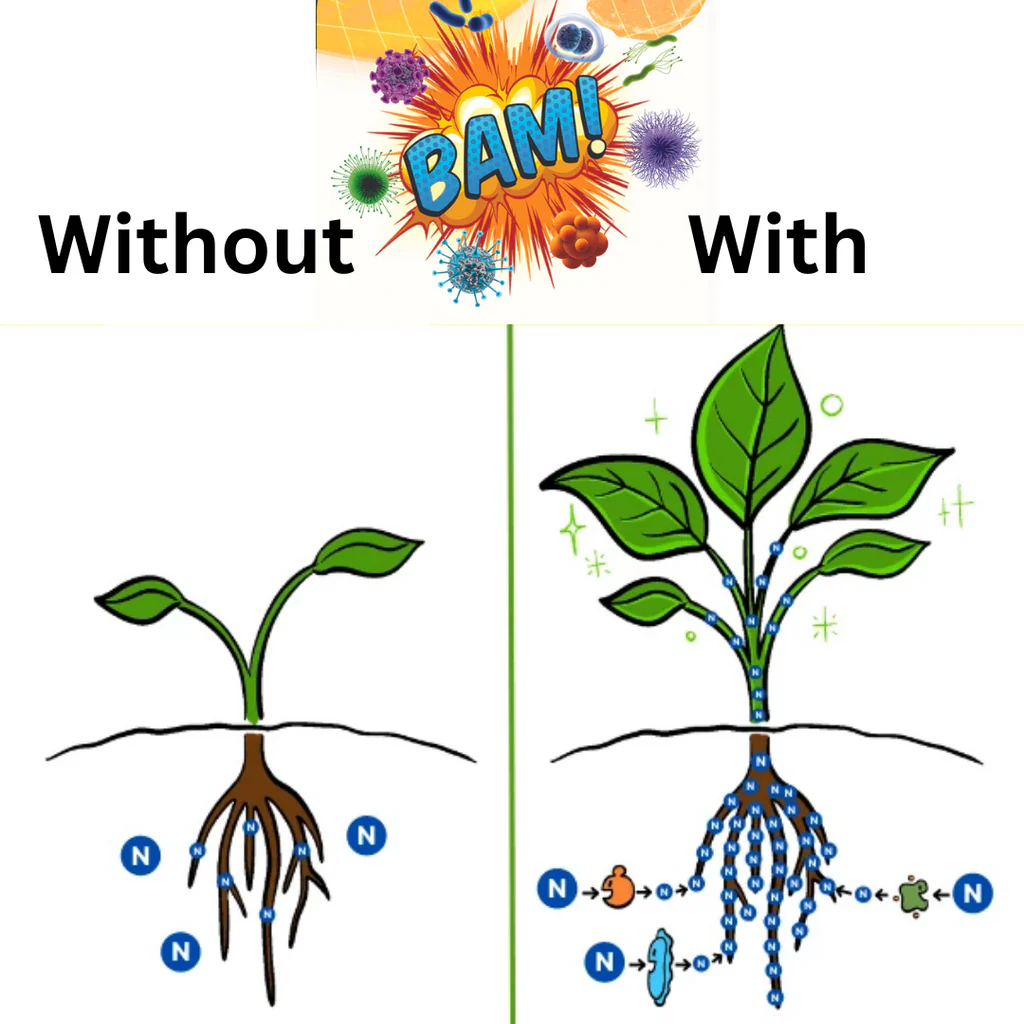
The ultimate goal of these May tea recipes is to prepare the root zone for the summer "crunch." As the soil heats up, roots can become stressed. By introducing mycorrhizae and beneficial bacteria now, you are creating a symbiotic relationship where the microbes help the plant find water and nutrients that would otherwise be out of reach.
If you are running an automated system like Blumat, you generally don't want to run thick compost tea through the lines as it can clog the drippers. In that case, use the tea as a manual "supplemental" drench once a week while your Blumat system handles the consistent moisture levels.
Wrapping It Up
The transition into summer is the most critical time for your garden's health. By taking the time to brew custom compost teas in late May, you are setting the stage for a massive harvest in July and August. You’re giving your plants the biological tools they need to fight off pests, handle the heat, and maximize nutrient uptake.
Whether you are a hobbyist with a few backyard raised beds or a pro running a full hydroponics setup, biology is the "cheat code" for better yields.
If you’re looking to get started or need to upgrade your brewing game, check out our nutrient packages and microbial inoculants. We’ve spent years testing these combos to find what actually works in the real world.
Happy brewing, and let’s get those gardens ready for summer!


Leave a comment
This site is protected by hCaptcha and the hCaptcha Privacy Policy and Terms of Service apply.