
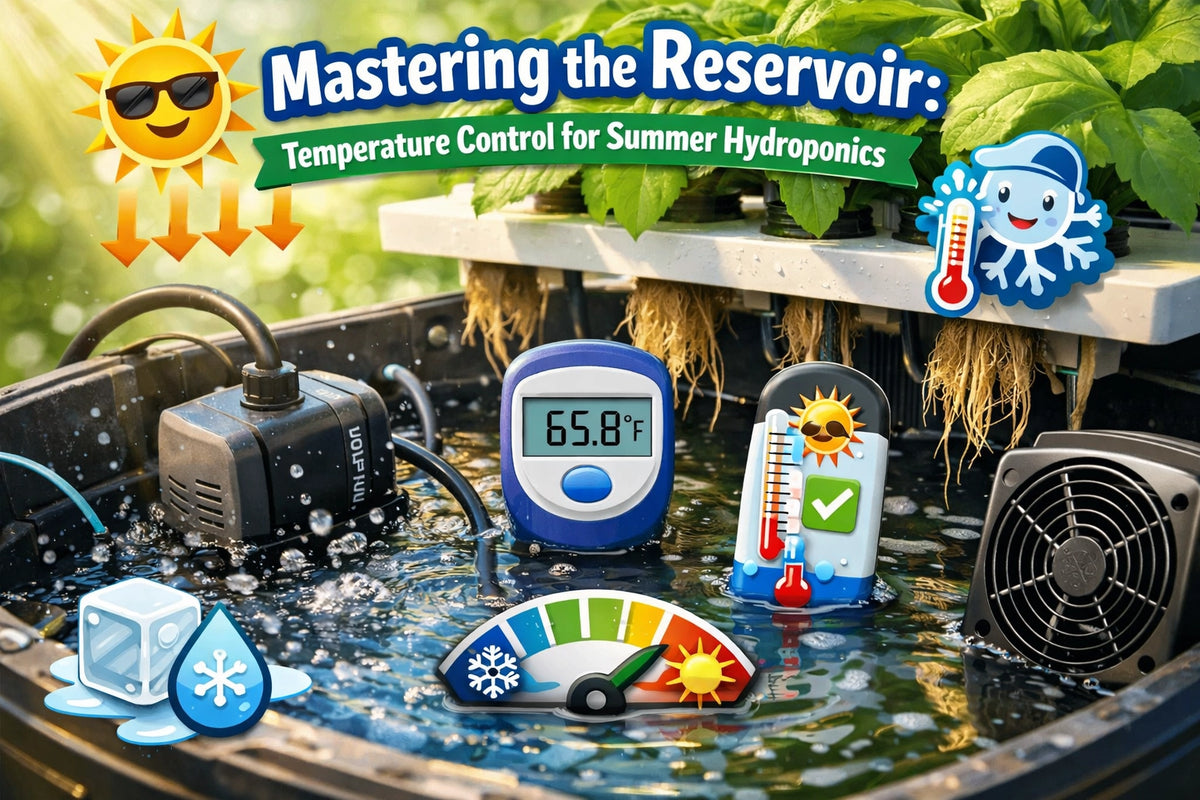
As we roll through May, the sun is staying out longer, and the ambient temperature in our homes and grow rooms is starting to climb. For soil growers, this usually just means watering a bit more often. But for the hydroponic enthusiast, rising temperatures represent a much more technical challenge: managing the reservoir.
The fact of the matter is that your reservoir is the heart of your grow. If the "blood" (your nutrient solution) gets too hot, the whole system starts to pump out problems instead of lush growth. In this guide, we’re going to break down why temperature matters, what the "Goldilocks Zone" looks like, and how you can keep your roots cool when the summer heat starts knocking on your door.
Why Temperature is a Make-or-Break Factor
In hydroponics, we aren't just giving plants water; we are giving them a highly oxygenated, nutrient-rich cocktail. The relationship between water temperature and oxygen is inverse: as the temperature of your water goes up, its ability to hold Dissolved Oxygen (DO) goes down.
Think of it like a soda. A cold soda stays fizzy for a long time. A warm soda goes flat almost instantly. In your reservoir, that "fizz" is the oxygen your roots need to breathe. When the water hits 80°F or higher, the oxygen levels drop significantly. This creates a hypoxic environment where your plants literally start to suffocate.
To make matters worse, heat-loving pathogens like Pythium (the dreaded root rot) thrive in warm, low-oxygen water. If your reservoir feels like a lukewarm bath, you’re basically rolling out the red carpet for root disease.
The Goldilocks Zone: 65°F to 80°F
So, what is the "perfect" temperature? Most experts and successful home gardeners aim for a range between 65°F and 72°F (18°C–22°C).
- The Sweet Spot (68°F): This is generally considered the holy grail. It’s cool enough to hold high levels of dissolved oxygen but warm enough that the plant’s metabolic processes don't slow down.
- The Safe Upper Limit (75°F-78°F): You can get away with this, but you need to be hyper-vigilant about your aeration. You’ll want extra air stones or a venturi bridge to keep oxygen levels up.
- The Danger Zone (80°F+): Once you cross 80°F, you are playing with fire. Photosynthesis efficiency drops, fruit and flowers may drop, and the risk of microbial "bad actors" taking over the root zone skyrockets.
Direct Cooling Methods: The "Big Guns"
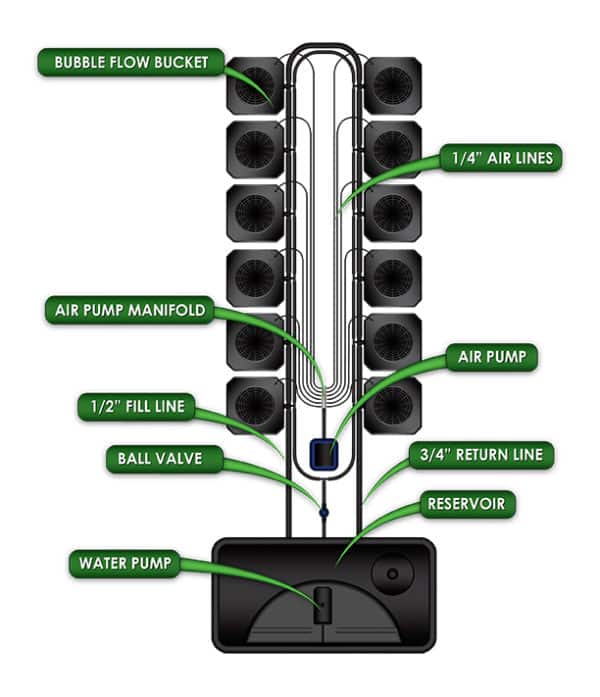
If you find that your reservoir is consistently sitting in the high 70s or 80s, you need a direct intervention. Depending on your budget and the size of your grow, you have a few options.
1. Nutrient Chillers
If you have the budget and you’re serious about your yields, a nutrient chiller is the only "set it and forget it" solution. These units work like a mini-refrigerator for your water. A pump sends the nutrient solution through the chiller, and it returns to the reservoir at your exact desired temperature. It’s a significant upfront investment, but it saves you from the daily anxiety of checking thermometers.
2. The Frozen Water Bottle Trick (The Budget Hero)
For the hobbyist on a budget, this is the classic "MacGyver" move. Keep a few 2-liter soda bottles filled with water in your freezer. Every morning, drop one into your reservoir. As it thaws, it slowly lowers the temperature of the solution.
- Caution: This can cause rapid temperature swings, which can stress the plants. It also requires you to be home and disciplined about swapping bottles. It’s a great fix for a heatwave, but a tough way to manage a whole summer.
3. Adding Cool Water
When you top off your reservoir, use cool water. However, be careful not to shock the roots with ice-cold tap water. Also, remember that adding water dilutes your nutrients. You’ll need to re-test your PPM/EC and pH levels immediately after. You can find more grow help videos on our site if you need a refresher on re-balancing your nutrients after a top-off.
Indirect Temperature Control: Working Smarter
Sometimes, the best way to cool a reservoir isn't to touch the water at all, but to change the environment around it.
Insulation and Reflection
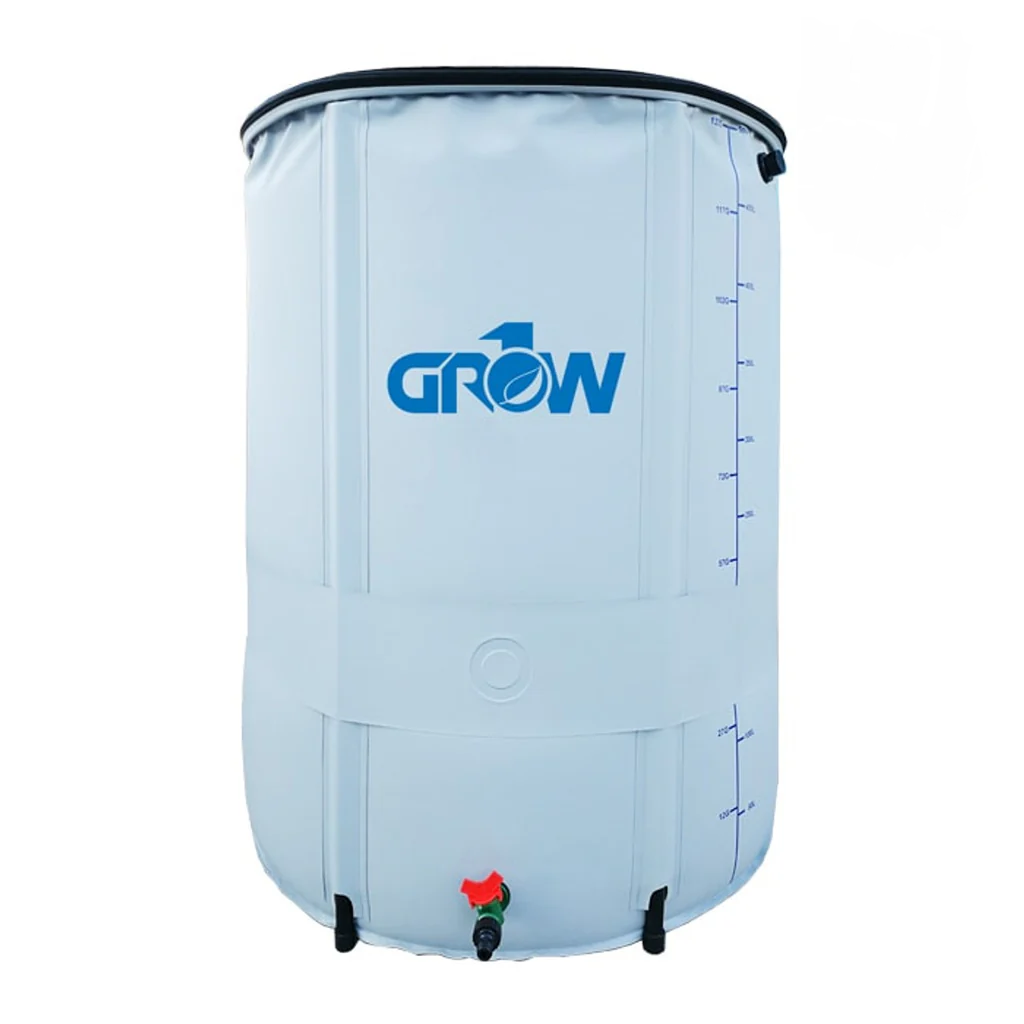
If your reservoir is sitting on a hot floor or under intense lights, it’s absorbing heat.
- Panda Film: Wrap your reservoir in black and white panda film. Keep the white side facing out to reflect light and heat away from the tank.
- Get it off the floor: Concrete floors can actually hold a lot of heat, or conversely, if you're in a basement, they might be your best friend. Monitor the floor temp. If the floor is hot, use a wooden pallet to create an air gap under your reservoir.
Lighting Management
Your lights are the primary heat source in your grow room. In May, as the outside air warms up, your AC or exhaust fans might struggle to keep up.
- Flip your schedule: Run your lights at night when the outside air is cooler. This makes it much easier for your exhaust system to pull in "cool" air to keep the reservoir temps down.
- The LED Switch: If you’re still running old-school HPS bulbs, the heat they dump into the room is massive. Switching to LEDs can drop your ambient room temp by 5-10 degrees, which has a direct impact on your water temp.
Monitoring Nutrient Health and pH
When water temps rise, things happen faster. Chemical reactions speed up, and bacteria multiply. This often leads to "pH drift." During the summer, you should be checking your pH at least once, if not twice, a day.
Heat can also cause certain nutrients to drop out of the solution or become "locked out" because the plant’s transpiration rate is so high it’s drinking water faster than it’s eating food. This leaves a high concentration of salts behind, which can burn the roots.
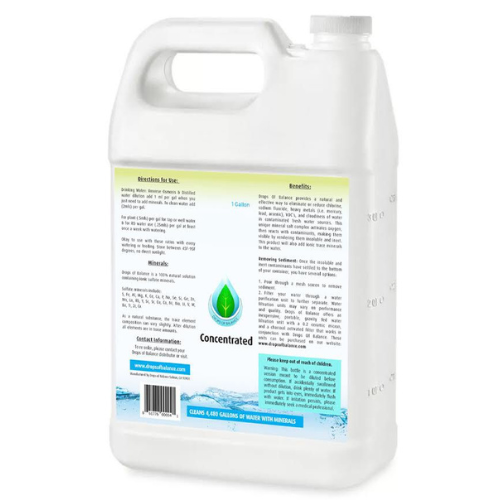
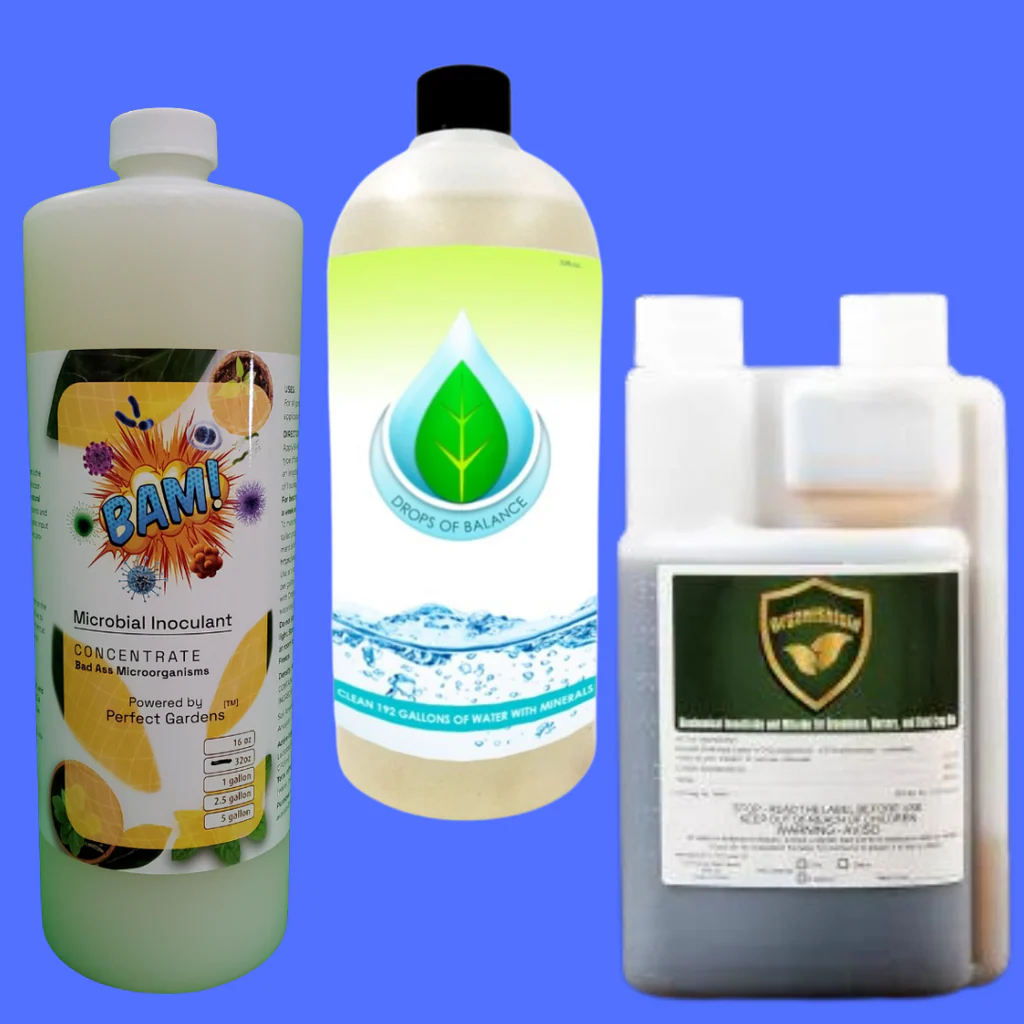
Using a mineral supplement like Drops of Balance can help keep your water quality high and provide the essential minerals that help plants withstand thermal stress.
Preventing Root Rot Before the Humidity Hits
In hydroponics, heat is the precursor to rot. If you can’t keep your water as cool as you’d like, you need to bolster your plant's biological defenses. This is where beneficial microbes come into play.
By introducing an "Army of Growers" (the good bacteria) into your reservoir, you create a shield around your roots. These beneficial microbes compete with the bad bacteria (Pythium) for space and food. If the "good guys" occupy the root zone, the "bad guys" can't move in, even if the temperature gets a little high.
We highly recommend using a microbial inoculant like BAM! during the transition into summer. It’s specifically designed to enhance nutrient uptake and maintain root health even when environmental conditions aren't 100% perfect.
Summary Checklist for Summer Reservoir Success:
- Monitor Constantly: If you don't have a digital thermometer with a probe in your tank, get one today.
- Increase Aeration: If your temps hit 75°F, double your air stones. Oxygen is your insurance policy.
- Reflect the Heat: Use tents and film to keep light away from your water storage.
- Biological Defense: Use BAM! Microbial Inoculant to protect roots from heat-induced rot.
- Night-time Cycling: Run your "daylight" hours during the actual night to take advantage of lower ambient temps.
The transition from Spring to Summer doesn't have to be a disaster for your hydro setup. By understanding the relationship between heat and oxygen, and having a few tricks up your sleeve to keep things cool, you can keep your plants thriving all the way through the harvest.
If you’re feeling overwhelmed by the technical side of things, don’t sweat it. You can always check out our Army of Growers page to see how other gardeners are handling the heat, or reach out to us directly for advice on picking the right chiller or cooling setup for your space. Keep those roots cool, and they'll keep you happy!


Leave a comment
This site is protected by hCaptcha and the hCaptcha Privacy Policy and Terms of Service apply.