
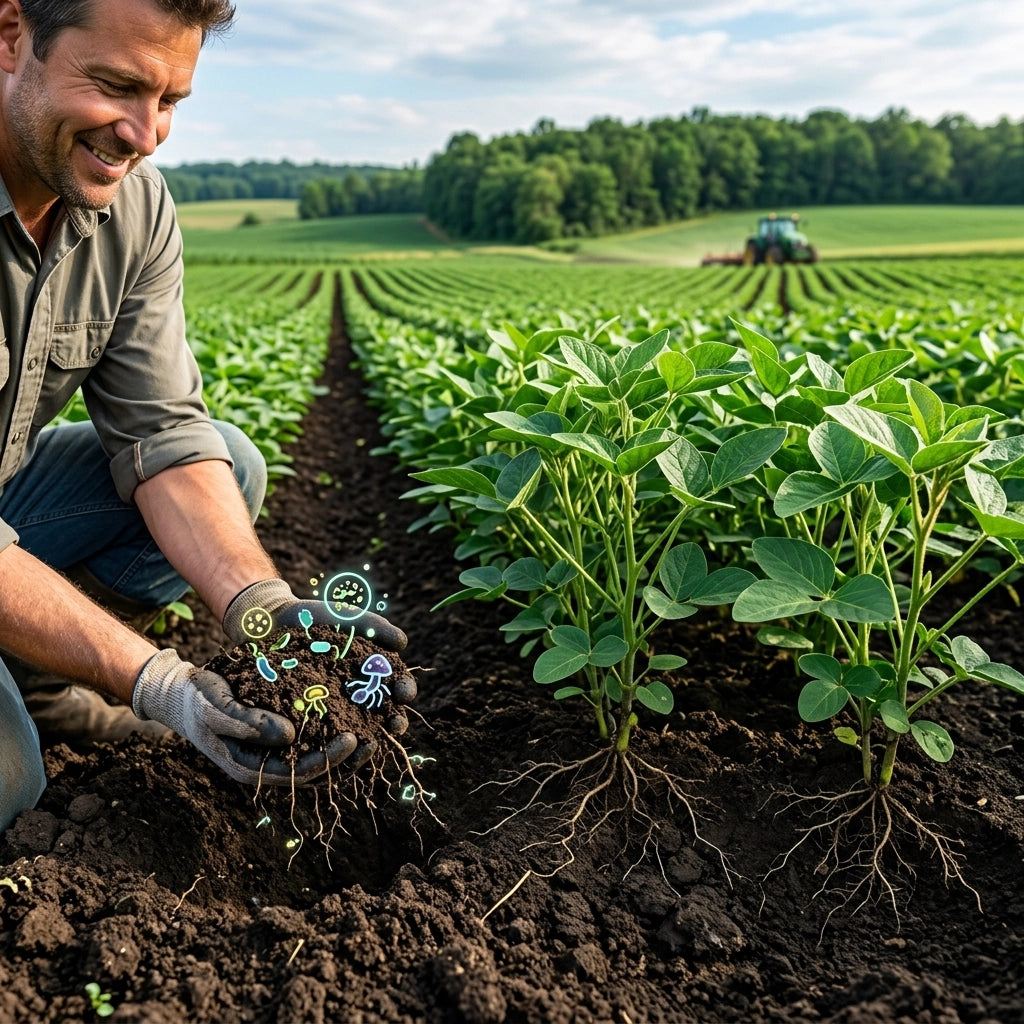
When we talk about high-performance gardening, most growers immediately think about lighting, pH levels, and NPK ratios. While those are definitely critical, there is an invisible world beneath the surface that often makes the difference between a mediocre harvest and a record-breaking yield. We’re talking about Soil Health and the strategic use of Microbial Inoculants.
The fact of the matter is that plants didn't evolve in sterile environments. In nature, plants exist in a complex partnership with billions of microorganisms. When we bring plants into our tents or hydroponic systems, we often accidentally strip away these natural allies. Reintroducing them isn't just "organic fluff", it’s a scientifically proven method to boost your plant's performance. Research suggests that microbial inoculants can enhance crop yields by 10% to 30%, with some specific varieties seeing jumps as high as 50%.
What Are Microbial Inoculants?
In simple terms, microbial inoculants are specialized products containing beneficial bacteria and fungi. These microscopic workers colonize the "rhizosphere", the area of soil immediately surrounding a plant's roots.
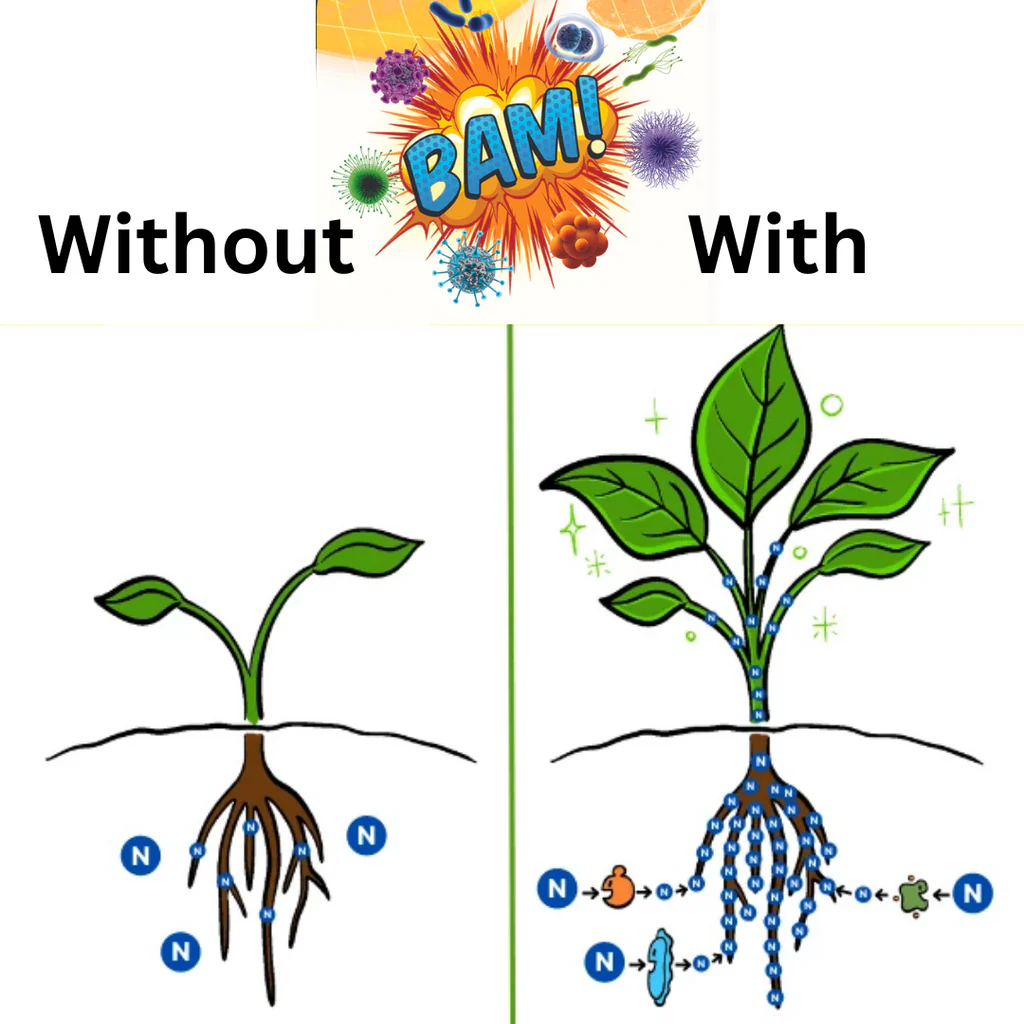
Think of your root zone like a high-end restaurant. Without microbes, the plant has to do all the cooking, cleaning, and sourcing itself. With a healthy microbial population, the bacteria and fungi act as the chefs and servers, breaking down complex nutrients and delivering them directly to the plant in a form it can actually "digest."
The Two Major Mechanisms of Action
According to recent agricultural studies, microbial inoculants primarily improve plant health through two main pathways:
- Stress Alleviation (approx. 54% of the benefit): This is the heavy hitter. Microbes help plants handle environmental "freak-outs" like drought, high salt levels, and pathogens.
- Nutrient Availability (approx. 22% of the benefit): Microbes unlock minerals that are normally "stuck" in the soil or water, making them accessible to the root system.
The Role of Beneficial Bacteria: The Stress Fighters
Not all bacteria are bad. In fact, in a healthy garden, the "good guys" far outnumber the "bad guys." Species like Pseudomonas, Enterobacter, and Bacillus are the heavy lifters in the microbial world.
- Pseudomonas: These are incredible for stress alleviation. They help the plant produce specific enzymes and hormones that make it more resilient to temperature swings and disease.
- Enterobacter: These bacteria lead the charge in improving plant nutrient availability, helping the plant pull more "food" from the growing medium than it ever could on its own.
- Nitrogen-Fixing Microbes: Products like Azos (Nitrogen-Fixing Microbes) contain bacteria that can actually pull nitrogen from the air and convert it into a form the plant can use. This biological nitrogen fixation can reduce your reliance on chemical fertilizers by up to 25-50%.
The Role of Beneficial Fungi: The Root Extenders
While bacteria are like the "chefs," beneficial fungi, specifically Mycorrhizae, are like the "internet" of the root zone. Mycorrhizae form a symbiotic relationship with the plant roots, essentially becoming an extension of the root system itself.
Mykos and the Power of Mycorrhizae
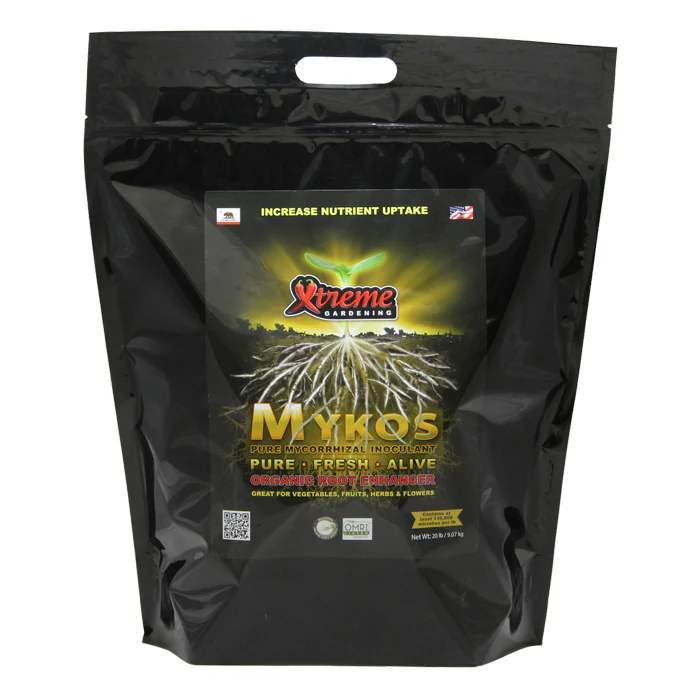
The word "Mycorrhiza" literally means "fungus-root." When you use a product like Xtreme Gardening Mykos, you are inoculating your soil with Rhizophagus irregularis. This fungus penetrates the root cells and sends out vast networks of "hyphae" (tiny fungal threads) into the surrounding soil.
These threads can reach into tiny pores in the soil that the plant’s own roots are too thick to access. This significantly increases the surface area for water and nutrient absorption. The result? A plant that grows faster, stays hydrated longer, and produces larger fruits or flowers because it has a massive "fuel line" connected to it.
Why Water Quality Matters for Soil Health
You can buy the best microbes in the world, but if you're dumping them into poor-quality, chlorinated water, you're essentially sending them on a suicide mission. This is where many growers fail. They treat their plants well but forget that they are also "farming" the microbes.
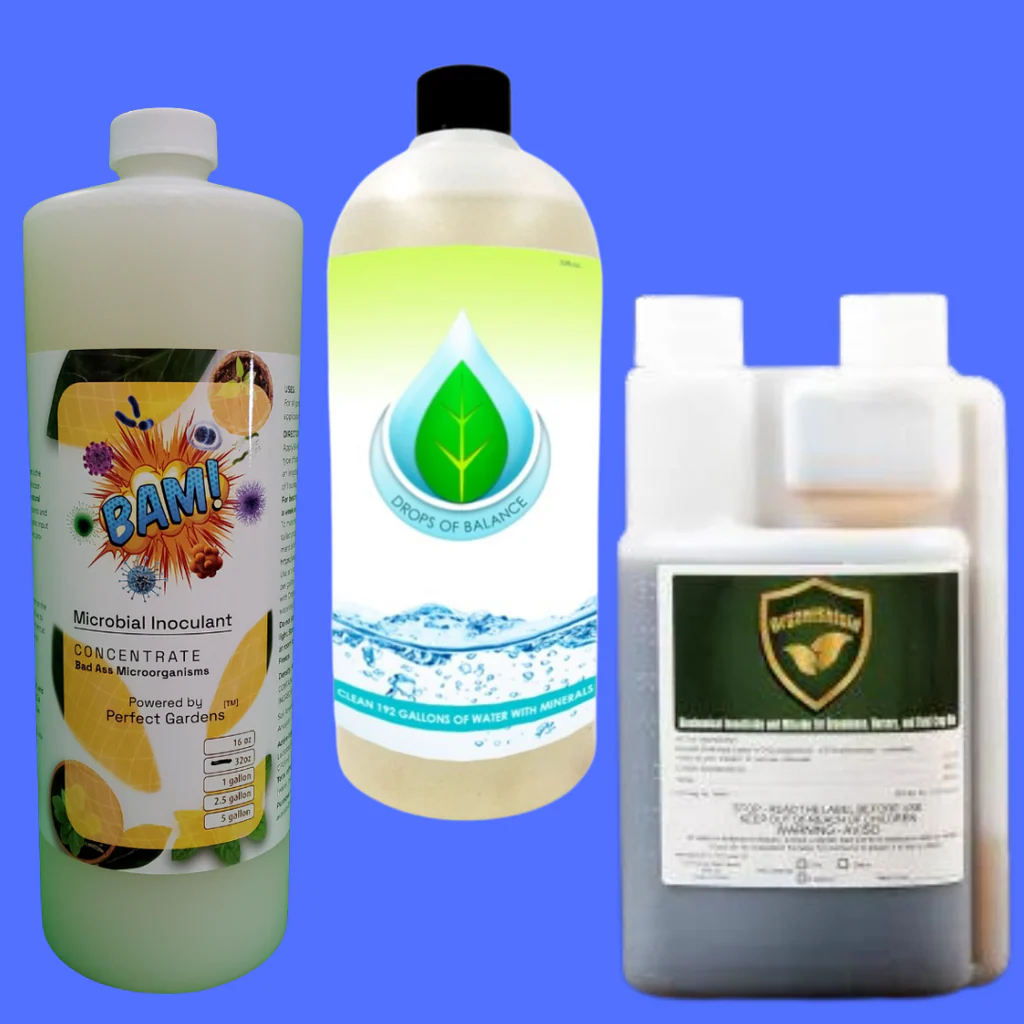
This is why we often recommend Drops of Balance. This concentrated mineral solution helps optimize water quality and balance nutrient uptake. By purifying the water and providing essential trace minerals, it creates an environment where your microbial inoculants can actually survive and thrive.
If your water is out of balance, the microbes spend all their energy just trying to stay alive rather than helping your plant grow. Using Drops of Balance ensures that the mineral foundation of your water is solid, allowing the biological components to do their job effectively.

BAM! (Beneficial Adaptive Microbes): The Full Spectrum Approach
If you’re looking for a comprehensive way to jumpstart your soil health, a "consortium" approach is usually better than a single-strain approach. BAM! (Beneficial Adaptive Microbes) is designed specifically for this purpose.
Instead of just one type of bacteria, BAM! introduces a community of microbes that work together. Some focus on breaking down organic matter, while others focus on protecting the roots from pathogens. It’s like hiring a full construction crew instead of just one guy with a hammer.
In hydroponic setups, BAM! is particularly effective at keeping the reservoir clean and the roots pearly white. By occupying the space around the roots, these beneficial microbes leave no room for "root rot" or other nasty pathogens to take hold.
Practical Implementation: How to Use Inoculants
Using microbial inoculants isn't difficult, but it does require some consistency. Here is a basic roadmap for maximizing their effectiveness:
- Inoculate Early: The best time to add microbes is during the seedling or cloning stage. You want those beneficial colonies established as soon as the first roots emerge.
- Feed the Microbes: Microbes are living organisms, they need to eat! Adding a carbohydrate source like RAW Cane Molasses provides the "fuel" these bacteria need to multiply rapidly.
- Watch the Chlorine: If you are using tap water, let it sit out for 24 hours to off-gas chlorine, or use a filter. Chlorine is designed to kill bacteria, and it doesn't distinguish between "good" and "bad" ones.
- Maintain Oxygen Levels: Most beneficial microbes are "aerobic," meaning they need oxygen. If your soil is waterlogged or your hydro reservoir isn't aerated, your microbial population will crash.
- Re-apply Regularly: While microbes do multiply, their populations can fluctuate due to pH swings or nutrient spikes. Re-applying a maintenance dose every 1-2 weeks ensures the colony stays strong.

Limitations and Realistic Expectations
It’s important to be realistic. Microbial inoculants are not "magic dust" that will fix a fundamentally broken garden. If your environment is 100 degrees or your pH is 4.0, no amount of bacteria is going to save the harvest.
Research has shown that field efficacy can be inconsistent if environmental conditions aren't managed. Microbial performance depends heavily on the "neighborhood" they are moving into. If you provide a stable environment, these microbes will work wonders. If the environment is chaotic, they may struggle to establish themselves.
Furthermore, while microbes can reduce the need for chemical fertilizers, they don't replace them entirely in high-intensity indoor growing. Think of them as a "multiplier" for the nutrients you are already providing.
Summary: Building a Living System
Maximizing your yield is about more than just pumping your plants full of salts. It’s about creating a living, breathing ecosystem in your root zone. By combining the mineral-balancing power of Drops of Balance with the biological power of BAM! and Mykos, you are providing your plants with the ultimate support system.
The science of Soil Health is clear: when you look after the microbes, the microbes look after the plants. Whether you are an organic soil purist or a high-tech hydroponic grower, incorporating microbial inoculants into your routine is one of the most effective ways to push your garden to its full genetic potential.
If you have questions about how to integrate these into your specific setup, feel free to check out our Grow Help Videos or reach out to us through our Contact Page. We’re here to help you grow your best crop yet.



Leave a comment
This site is protected by hCaptcha and the hCaptcha Privacy Policy and Terms of Service apply.