
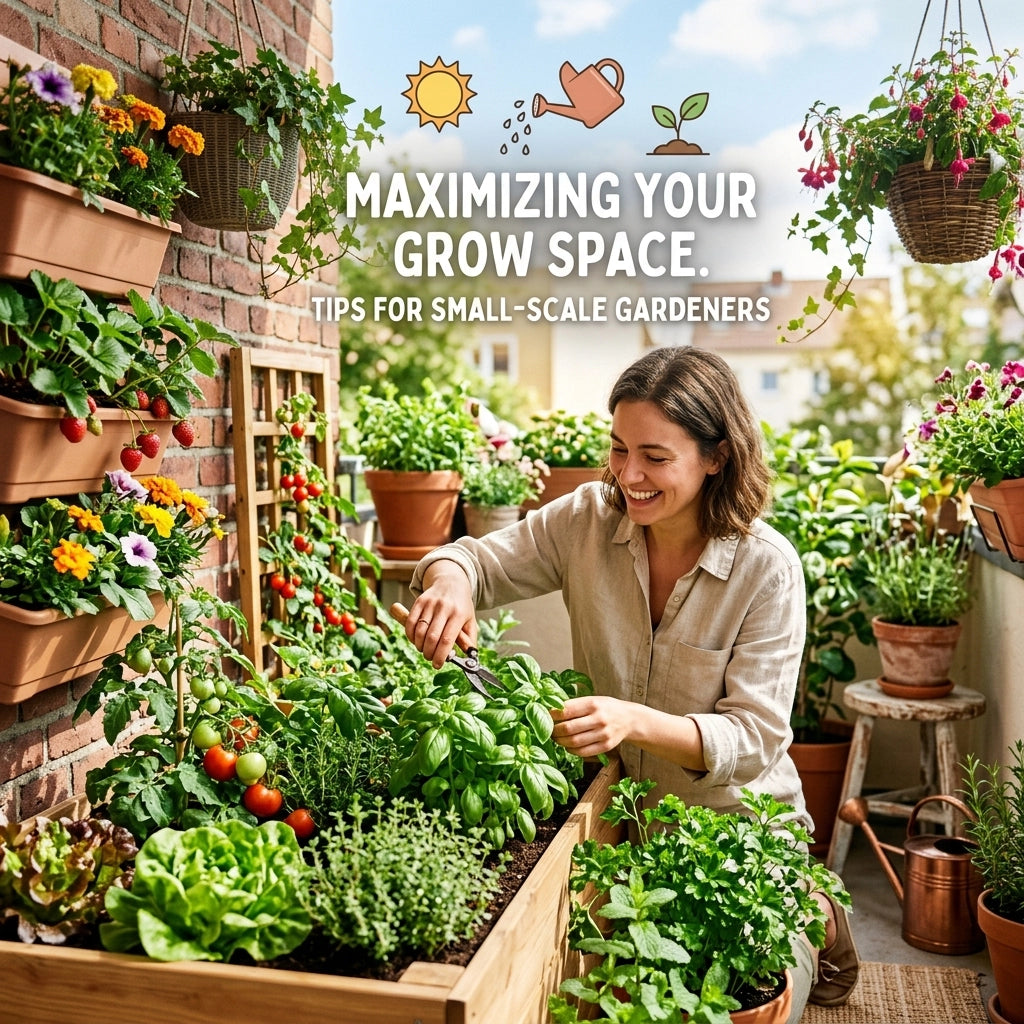
Not everyone has the luxury of a massive spare room or a dedicated backyard greenhouse. For many of us, the "garden" is a spare closet, a small corner of the bedroom, or a 2x2 foot tent tucked away in the garage. But here is the secret: you don’t need a massive footprint to get massive results.
Small-scale gardening is all about efficiency. When space is your primary limiting factor, every square inch counts. From selecting the right genetics to mastering plant training techniques, maximizing a small grow space requires a tactical approach. If you’re tired of feeling like your tent is "too small" for your ambitions, it’s time to rethink how you use the space you have.
1. Start with the Right Foundation: The Compact Grow Tent
The first step in maximizing a small space is choosing an environment designed for it. A high-quality grow tent is essential because it allows you to control the micro-climate perfectly. In a small space, heat and humidity can spike or drop rapidly.
For many hobbyists, a 2'x2' or 2'x4' tent is the sweet spot. A model like the AC Infinity AC-CBA422 is a prime example of vertical efficiency. While it only takes up 4 square feet of floor space, its 48-inch height allows for decent plant growth if you manage your canopy correctly.

When working with these smaller footprints, the goal is to keep the "guts" of your operation: like fans and filters: mounted as high as possible to leave room for the plants below.
2. Think Vertically, Not Horizontally
The biggest mistake small-scale gardeners make is focusing only on floor space. If you can’t go out, go up. Vertical gardening allows you to increase your plant density without expanding your tent's footprint.
In a small indoor setup, this often means using bamboo stakes or trellises to support plants as they grow taller. By training a plant to grow up a stake rather than bushing out wide, you can fit more individual plants into the same area.

Pro Tip: If you are growing vegetables like cucumbers or peas in a small tent, a simple vertical trellis can turn a single pot into a high-yielding vertical wall of produce.
3. Mastering Plant Training Techniques
If you want to maximize yield in a small space, you cannot let your plants grow naturally. Left to their own devices, many plants grow in a "Christmas tree" shape: one main tall stem and many smaller, shaded branches below. This is incredibly inefficient in a tent.
Instead, you need to use training techniques to create a flat, even canopy where every site gets equal light.
Low Stress Training (LST)
LST involves gently bending and tying down the branches of your plant. By pulling the main stem horizontal, you encourage the side branches to grow upward, creating multiple "main" bud sites. This keeps the plant short and wide, perfectly utilizing the width of your tent while staying away from the hot grow lights.
To do this effectively, you’ll need a reliable plant tying tool kit. Using soft ties or a tapener tool ensures you don't damage the delicate stalks while repositioning them.

The ScrOG Method (Screen of Green)
The Screen of Green is perhaps the ultimate space-saver. By placing a horizontal mesh screen over your plants, you can weave the branches through the holes as they grow. This forces the plant to grow horizontally across the screen. The result is a thick "carpet" of growth where every inch of the screen is utilized, and no light is wasted hitting the floor.

Topping and Fimming
These are "High Stress" techniques where you actually remove the growing tip of the plant. This breaks the apical dominance and forces the plant to grow two or more main stems instead of one. In a small tent, topping your plants early is essential to prevent them from hitting the ceiling before they even finish flowering.
4. Strategic Plant Selection
The fact of the matter is that some plants just aren't built for small spaces. If you’re working in a closet, you should avoid "heavy feeders" or plants that require massive root systems to thrive.
- Focus on Compact Varieties: Look for "determinate" or "bush" varieties of tomatoes and peppers.
- High-Yield Crops: Lettuce, herbs, and leafy greens provide a lot of value for very little space.
- Avoid the "Space Hogs": Crops like corn or large pumpkins are generally a waste of time in a small-scale indoor setup.
If you are growing specialized crops, pay close attention to the "stretch" factor. Many plants will double or triple in height once they begin their flowering phase. If your tent is only 4 feet tall and your plant is already 2 feet tall, you’re going to run into a disaster very quickly.
5. Efficient Lighting is Non-Negotiable
In a small space, heat is your greatest enemy. Traditional HID or HPS lights put out an incredible amount of heat, which can cook your plants in a small, enclosed tent.
This is where LED grow lights shine. Modern LEDs, such as the KIND LED series, offer a full spectrum of light while running much cooler than older technology. They also allow you to keep the light closer to the canopy without burning the leaves, which is vital when you only have a few feet of vertical clearance.
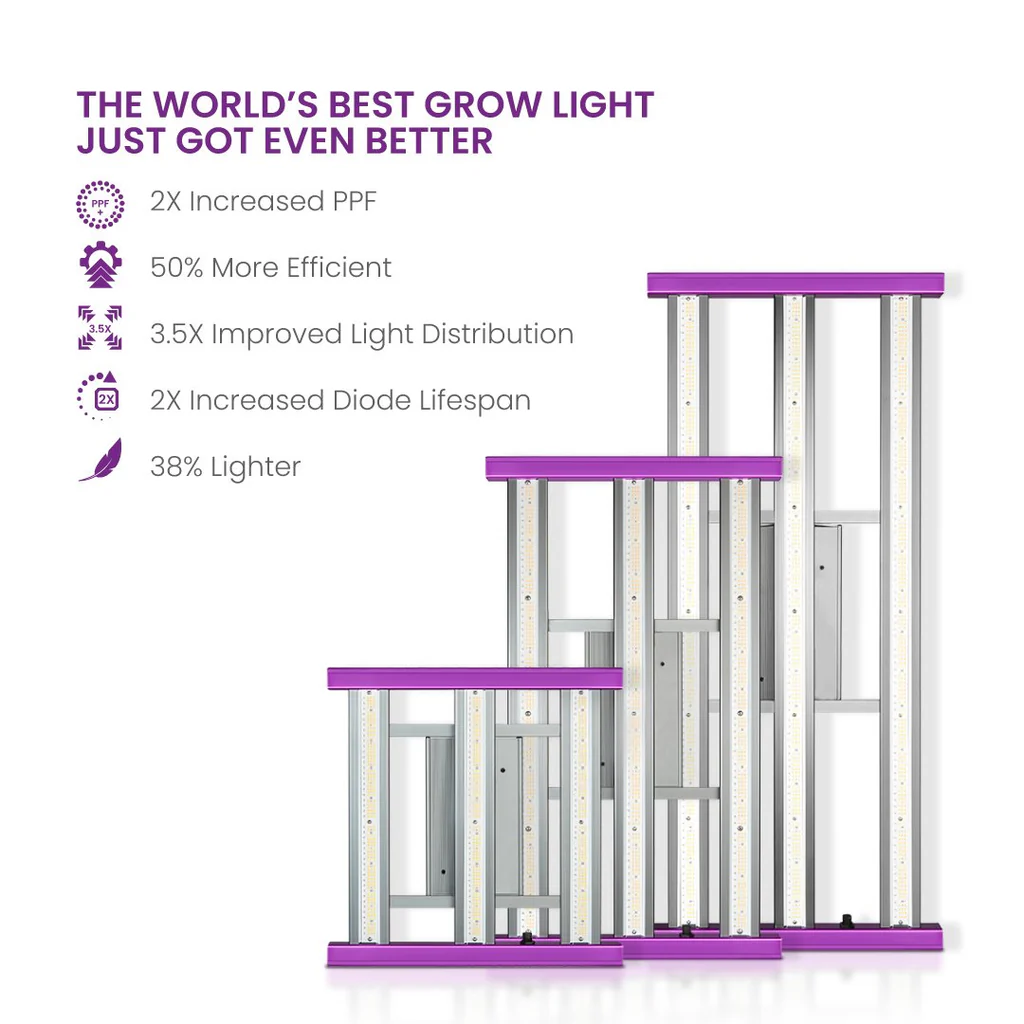
When choosing a light for a small space, look for units with dimmers. This gives you the flexibility to lower the intensity during the seedling stage and crank it up during the peak of growth without needing to physically move the light up and down constantly.
6. Managing the Root Zone and Nutrients
In a small grow, you are likely using smaller pots. Smaller pots mean less medium (soil or coco), which means the root zone can dry out or experience nutrient fluctuations much faster than in a large garden.
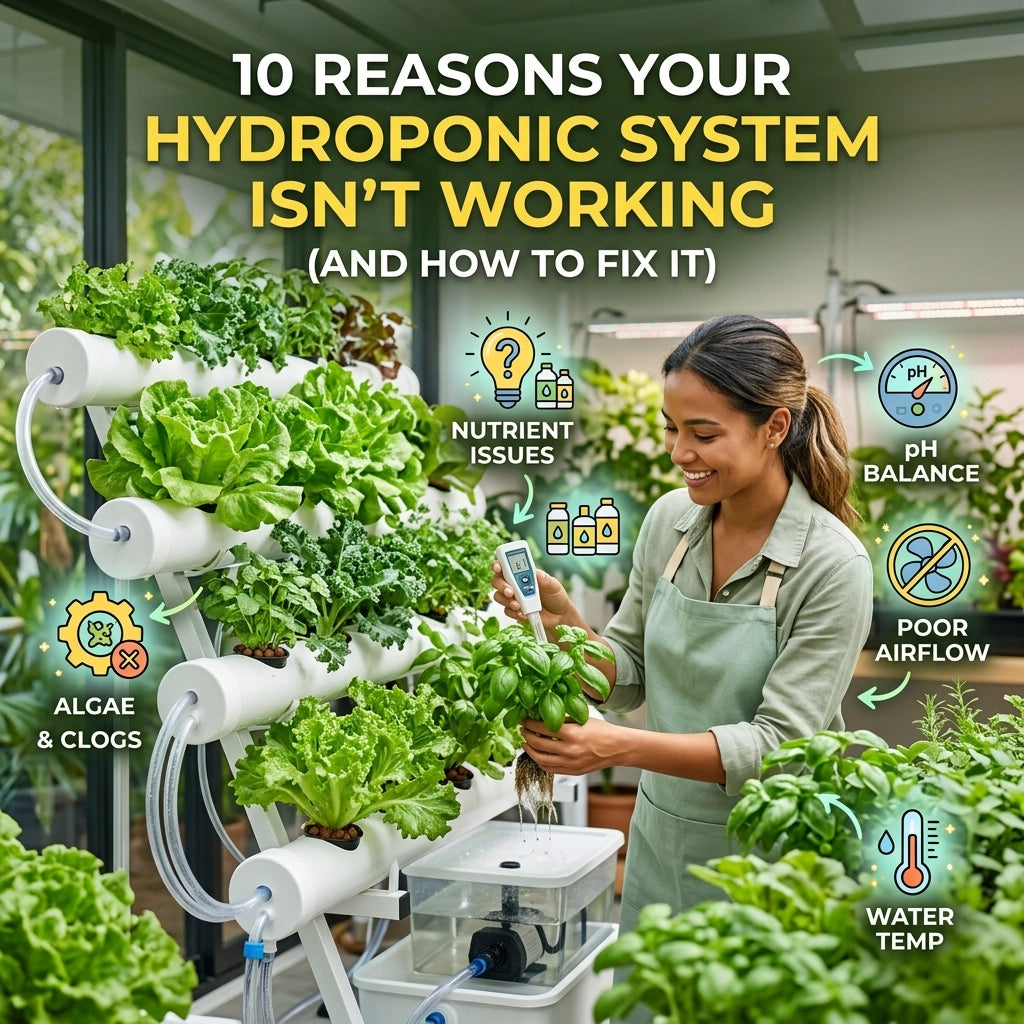
Efficiency in a small space requires high-quality plant nutrients. Because you have less "buffer" in the soil, you need to ensure the nutrients you provide are readily available. Many small-scale growers find success with hydroponic or semi-hydroponic setups because they offer total control over what the plant receives.
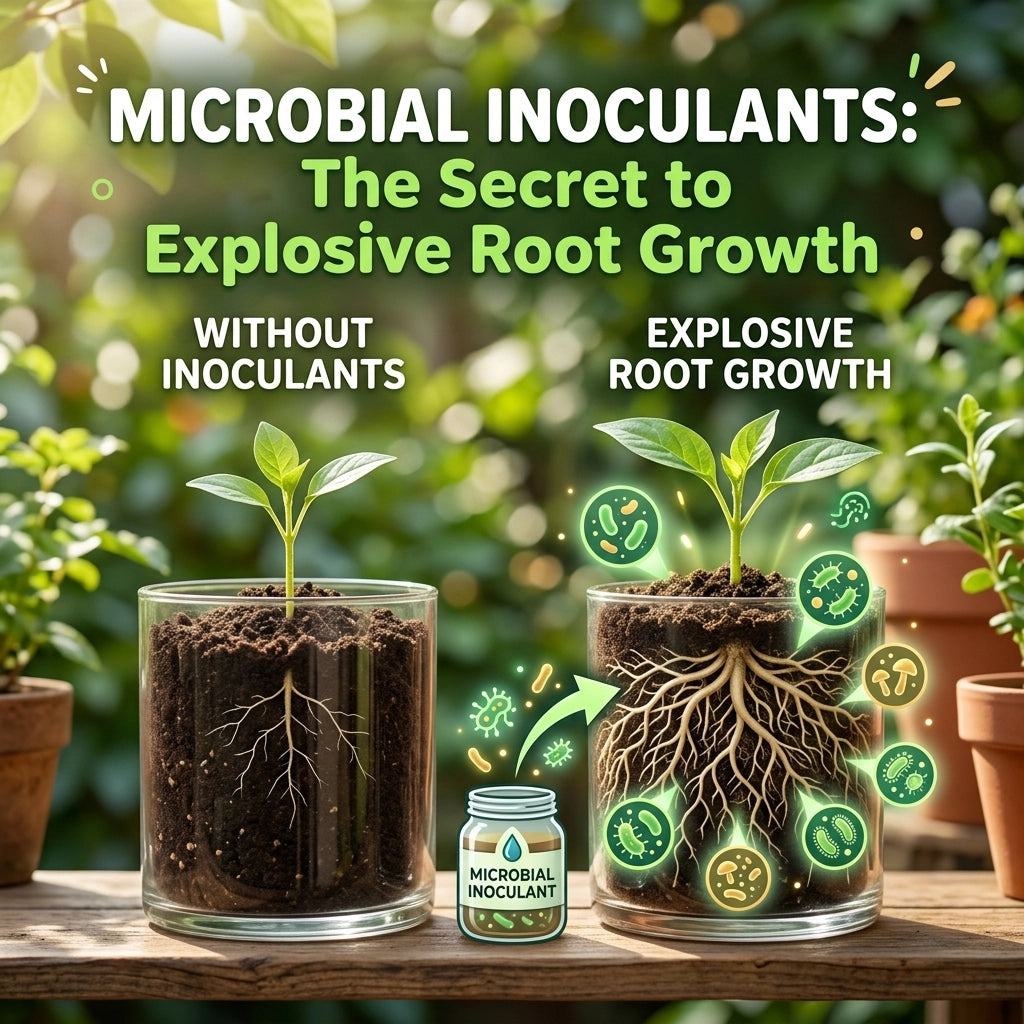
Caution: Over-fertilizing is a common pitfall in small spaces. It’s easy to think "smaller space, more food," but the opposite is often true. Focus on a balanced regimen and consider using microbial inoculants to keep the root system healthy and efficient, allowing the plant to do more with less.
7. Airflow and Ventilation
It seems more like a minor detail, but airflow is actually more critical in a small tent than in a large room. Because the volume of air is so small, plants can quickly deplete the CO2 in the immediate vicinity of their leaves.
You need a solid extraction kit to pull old, stale air out and draw fresh, CO2-rich air in. Additionally, a small clip-on fan is necessary to keep air moving through the canopy. This prevents "dead air" spots where powdery mildew or mold can take hold, especially if you are using dense planting techniques like ScrOG.
Common Pitfalls for Small-Scale Gardeners
- Too Many Plants: It is tempting to jam six plants into a 2x2 tent. Don't do it. One or two well-trained plants will almost always out-yield four crowded, stressed plants.
- Neglecting the "Stretch": Always leave at least 12-18 inches of space between the top of your plant and your light to account for the final growth spurt.
- Poor Drainage: In small tents, water on the floor can lead to humidity spikes and root rot. Always use saucers or elevated grates to keep your pots out of standing water.
Final Thoughts
Maximizing a small grow space is a rewarding challenge. It forces you to become a better gardener because you have to be more attentive to training, pruning, and environmental control. By utilizing vertical space, choosing the right grow essentials, and being disciplined with your plant training, you can produce professional-grade harvests in the smallest of spaces.
The truth is, you don’t need more space: you just need to use the space you have more effectively. Whether you’re a hobbyist starting your first closet grow or a seasoned pro downsizing your setup, focusing on efficiency will always be the key to a successful harvest.
If you're ready to start your small-scale journey, check out our featured products to find the gear that fits your footprint!

Leave a comment
This site is protected by hCaptcha and the hCaptcha Privacy Policy and Terms of Service apply.