

If you’ve been hanging around the gardening world for more than five minutes, you’ve probably heard the term "microbes" tossed around like it’s some kind of magic dust. For years, the trend in indoor gardening and hydroponics was to keep things as sterile as possible. The logic was simple: if there are no bacteria, there is no disease.
The fact of the matter is, we were wrong. By trying to keep our systems 100% sterile, we weren't just killing the "bad guys", we were stripping away the plant’s natural ability to defend itself.
In this guide, we’re going to dive into the world of microbial inoculants. Think of these as the "probiotics" for your garden. We’ll look at how they act as your plant’s immune system, why they are essential for nutrient uptake, and how you can start using them to see real results in your hydroponic or soil-based grow.
What is a Microbial Inoculant?
Before we get into the science, let’s clear up a common misconception. A microbial inoculant is not a fertilizer. If you look at the N-P-K (Nitrogen, Phosphorus, Potassium) numbers on a bottle of microbes, they are usually zero or very close to it.
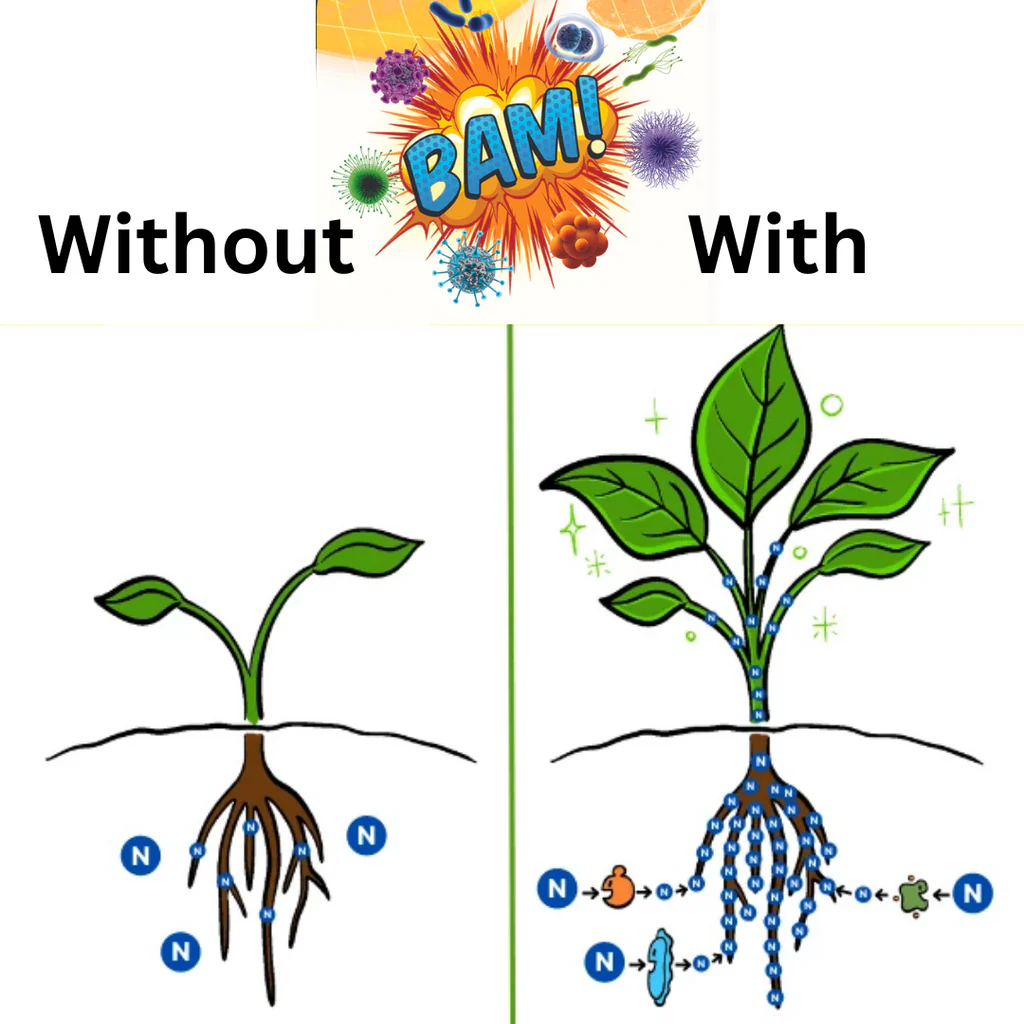
Fertilizers are food for the plant. Microbial inoculants are the "workers" that help the plant eat that food. These products contain beneficial bacteria and fungi that, when added to your soil or water, colonize the root zone (the rhizosphere). Once they move in, they set up a symbiotic relationship: the plant gives the microbes sugars (exudates), and the microbes give the plant protection and pre-digested nutrients.
How Microbes Build the Plant’s Immune System
Plants don’t have white blood cells like we do, but they do have a defense mechanism called Systemic Acquired Resistance (SAR). Microbial inoculants are the primary trigger for this system.
When you introduce beneficial microbes like Bacillus subtilis or Pseudomonas fluorescens to your medium, they interact with the roots. This interaction sends a signal to the entire plant to "level up" its defenses. It’s like a training exercise for the plant's immune system. Because the plant is already on high alert due to the presence of these beneficial organisms, it is much faster and more effective at fighting off actual pathogens like Pythium (root rot) or Powdery Mildew.
Disease Suppression and Pathogen Antagonism
Microbes also protect your plants through "resource competition." In a pot of soil or a hydro reservoir, there is only so much space and so much food. When you flood your system with high-quality inoculants, the beneficial microbes take up all the "real estate" around the roots.
When a stray pathogen tries to move in, there’s no room for it to grow and no food for it to eat. Some microbes even go on the offensive, producing natural antibiotics or literally eating the harmful fungi.
The Main Types of Inoculants You Need to Know
Not all microbes are the same. Generally, you’ll be looking at two main categories: Bacteria and Fungi.
1. Beneficial Bacteria
These are the fast-movers. They reproduce quickly and are excellent at fixing nitrogen and breaking down organic matter.
- Bacillus Species: These are the heavy lifters for disease prevention. They are incredibly hardy and can survive in a wide range of temperatures and pH levels.
- Rhizobium: Specifically for legumes, these fix atmospheric nitrogen into a form the plant can actually use.
2. Mycorrhizae (Fungi)
Mycorrhizae are like a secondary root system. They attach themselves to the roots and grow long, thin filaments (hyphae) far out into the soil. These filaments can reach into tiny crevices that roots can’t, bringing back water and phosphorus that would otherwise be unavailable.

Boosting Nutrient Cycling and Growth
Beyond protection, microbes are the ultimate recyclers. In a typical garden, a lot of the nutrients you pour in actually get "locked" in the soil. Phosphorus, in particular, loves to bind to other minerals, making it impossible for the plant to absorb.
Microbes produce enzymes that break these chemical bonds, "unlocking" the nutrients. This is why plants treated with a high-quality plant nutrient package and microbes often look much greener and more vibrant, they are actually eating everything you’re giving them, rather than letting it sit at the bottom of the pot.
Practical Application: How to Use Inoculants
If you’re ready to start, there are a few ways to introduce these "good guys" to your garden.
Seed and Clone Inoculation
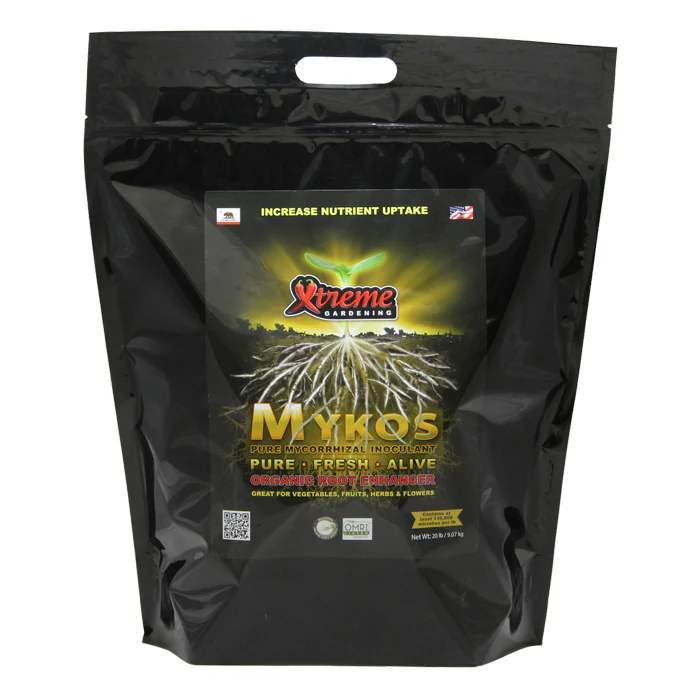
The best time to start is at day one. Dusting your seeds or dipping your clones in a product like Xtreme Gardening Mykos ensures the microbes are there the second the first root emerges.
Soil Drenches and Reservoirs
For established plants, you can mix inoculants into your water. Products like BAM! Microbial Inoculant are perfect for this because they are liquid-based and easy to dose.
Pro Tip: If you are using tap water, you must be careful. Most city water contains chlorine or chloramine, which is designed to kill bacteria. If you pour chlorinated water directly onto your expensive microbes, you’re going to kill them instantly. We recommend using a mineralizer like Drops of Balance to help condition the water before adding your biology.
Feeding Your Microbes
Since microbes are living organisms, they need to eat. While they get some sugar from the plant, adding a supplemental carbon source can make their population explode. This is where molasses comes in.

Adding a small amount of RAW Cane Molasses to your feeding schedule provides the quick-burning carbs your microbes need to stay active and reproductive. It’s like giving your workers a high-energy snack in the middle of a shift.
Common Pitfalls and Cautions
While microbes are hard to "overdose" on, there are ways to waste your money or accidentally kill your colony.
- Over-Sterilization: You cannot use hydrogen peroxide or strong synthetic fungicides alongside your microbes. These chemicals don't discriminate; they will kill the "good guys" just as fast as the "bad guys."
- Storage Matters: These are living things. If you leave your bottle of microbes in a hot car or a freezing garage, they will die. Keep them in a cool, dark place.
- Check the Date: Microbial products do have a shelf life. Always check the expiration date. Using expired microbes isn't necessarily harmful, but you're essentially just pouring expensive "dead water" onto your plants.
- pH Levels: While most microbes are adaptable, extreme pH swings can shock them. Aim for a consistent pH within your plant's target range to keep the biology happy.
Recommended Solutions for Beginners
If you’re looking for a "done-for-you" approach, we always recommend starting with a proven system. You can check out our nutrients collection for a variety of options, but for those who want a serious biological boost, BAM! is the way to go.
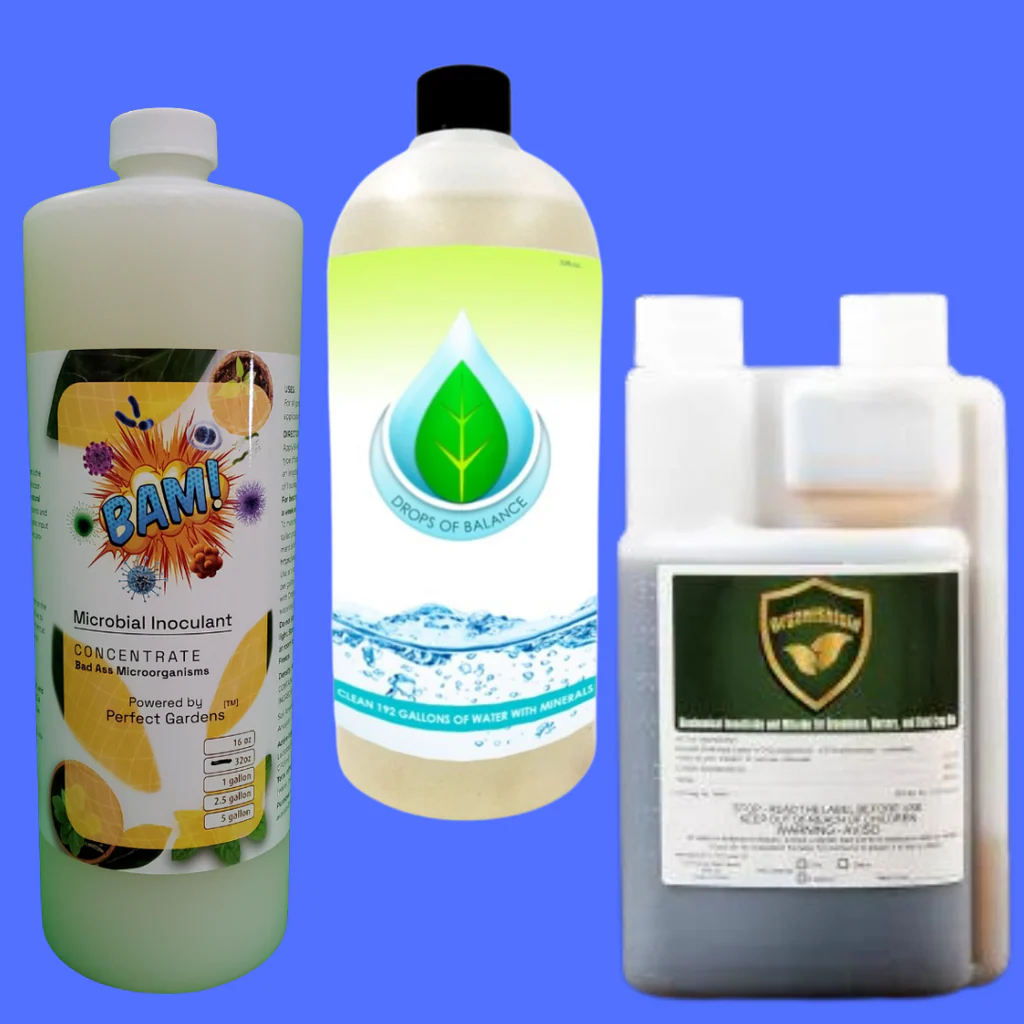
BAM! (Beneficial Agricultural Microbes) is a powerhouse because it contains a diverse blend of species designed specifically for the high-performance demands of indoor and hydroponic gardening. It helps with everything from nutrient uptake to maintaining a clean smart indoor gardening setup.
The Bottom Line
The shift toward microbial gardening is one of the biggest leaps in modern plant science. By moving away from a sterile environment and embracing the "living soil" (or living reservoir) philosophy, you’re setting your garden up for long-term success. You’ll see stronger stems, more resilient foliage, and ultimately, a better harvest.
It seems more like an extra step at first, but once you see the difference in root health and plant vigor, you’ll realize that growing without microbes is like trying to run a marathon while holding your breath. It might work for a minute, but it’s not sustainable. Give your plants the immune system they deserve!



Leave a comment
This site is protected by hCaptcha and the hCaptcha Privacy Policy and Terms of Service apply.