
Blog
Microbial Inoculants: The Secret to Explosive Root Growth
Ask any experienced grower what the secret to a massive harvest is, and they’ll likely talk about lighting, expensive nutrients, or some high-tech CO2 setup. But if you really want to know what separates the pros from the hobbyists, you have to look down. Way down. The real magic isn't happening in the canopy; it’s happening in the root zone.
The fact of the matter is that most growers treat their soil or coco like a dead medium, just a sponge to hold water and salts. This is a huge mistake. In nature, plants don’t grow in a vacuum. They grow in a thriving, bustling metropolis of microscopic life. When we bring our plants indoors or into controlled environments, we often leave that life behind. That’s where microbial inoculants come in. They are the "secret" to explosive root growth because they turn a sterile environment into a living ecosystem that works for your plants 24/7.
What Exactly Are Microbial Inoculants?
Think of microbial inoculants as probiotics for your plants. Just like humans take beneficial bacteria to help with digestion and immune health, plants use microbes to process nutrients and fight off pathogens. These products contain concentrated amounts of beneficial bacteria and fungi that, when added to your soil or hydroponic system, establish a symbiotic relationship with the plant’s roots.
At Perfect Gardens, we’ve spent years testing how these microscopic workers behave in different environments. The truth is, you can give your plants the best nutrients in the world, but if the biology isn't there to help the plant "digest" them, you’re just flushing money down the drain. Microbial inoculants ensure that every drop of fertilizer you use is actually accessible to the plant.
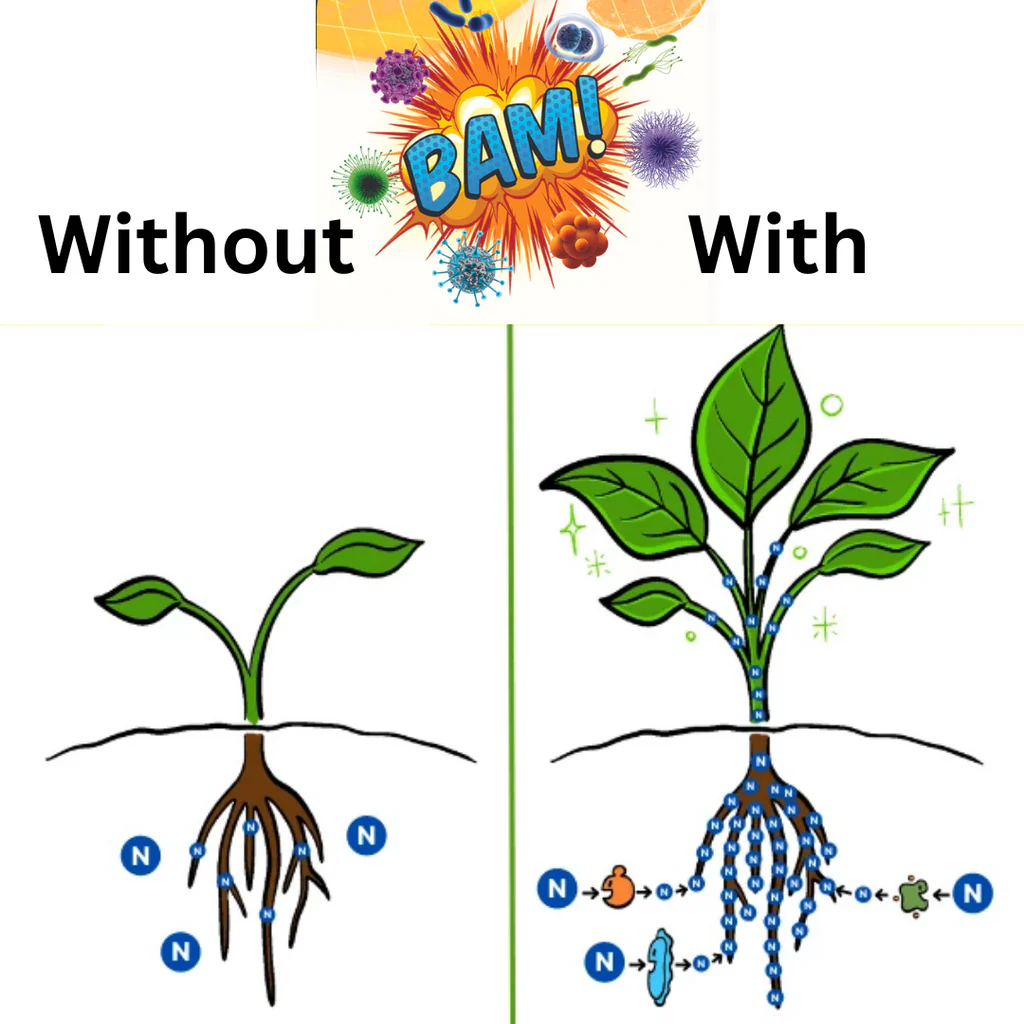
The Difference Between Inoculants and Mycorrhizae
There’s a lot of confusion in the gardening world about the difference between general microbial inoculants and mycorrhizae. You’ll often hear the terms used interchangeably, but it’s more like a "square is a rectangle, but a rectangle isn't a square" situation.
Mycorrhizal Fungi: The Root Extenders
Mycorrhizae are a specific type of fungus. Their primary job is to physically attach to the plant roots and grow a massive network of thread-like structures called hyphae. This network can extend the reach of your root system by 10 to 100 times! It’s like giving your plant a massive highway system to go find water and phosphorus in corners of the pot the roots could never reach on their own.
Beneficial Bacteria (PGPR): The Chemical Factory
Microbial inoculants, however, often contain much more than just mycorrhizae. They include Plant-Beneficial Rhizobacteria (PGPR), like Bacillus subtilis. These guys don't necessarily grow "extensions" on the roots. Instead, they act like a chemical factory. They produce substances that stimulate root cell growth and, more importantly, they "solubilize" minerals. They take nutrients that are "locked" (chemically bound to the soil) and break them down into a form the plant can actually drink.
If you want the best results, you don’t choose one or the other. You want an army of both.
How Microbes Create "Explosive" Growth
So, how does this translate to the "explosive" growth we keep talking about? It comes down to three main factors: nutrient availability, hormonal stimulation, and protection.
1. Unlocking Phosphorus and Nitrogen
Phosphorus is the heavy lifter for root development and flower production. The problem is that phosphorus is notoriously lazy; it doesn't move through the soil easily and often gets "stuck" in forms plants can't use. Certain microbes in inoculants specialize in releasing this phosphorus. Some bacteria also fix atmospheric nitrogen, essentially pulling fertilizer out of thin air and delivering it directly to the root zone.
2. Hormonal Signalling
Microbes aren't just eating and pooping; they’re communicating. Beneficial bacteria produce phytohormones like auxins. These hormones signal the plant to create more lateral roots and root hairs. The more root hairs you have, the more surface area you have for nutrient absorption. This creates a feedback loop: more microbes lead to more roots, and more roots provide more "housing" for microbes.
3. Pathogen Defense
The root zone is a battlefield. Pathogens like Fusarium and Pythium (the cause of dreaded root rot) are always looking for a way in. When you use a high-quality inoculant like BAM!, you are essentially occupying all the "real estate" around the root. There’s no room for the bad guys to set up shop. Some microbes even produce natural antimicrobial compounds that kill off pathogens before they can touch your plant.

The Secret Ingredient: Feeding Your Microbes
One thing many growers forget is that microbes are living creatures. They need to eat. While they do get some sugars from the plant itself (through root exudates), giving them a supplemental carbon source can make their populations skyrocket.
This is where things like RAW Cane Molasses come into play. Adding a bit of high-quality molasses to your feeding schedule provides a quick energy source for the bacteria and fungi. It’s like giving your "army" a massive feast right before a big battle. If you’re interested in how to balance these additions, check out our grow help videos for a deep dive into feeding schedules.

How to Apply Inoculants for Maximum Effect
Timing and contact are everything when dealing with living biology. You can’t just sprinkle some microbes on the leaves and expect a miracle.
- Seed and Clone Stage: This is the best time to start. Dusting your seeds or dipping your rooting plugs in an inoculant solution ensures that the very first root that emerges is immediately protected and "plugged into" the microbial network.
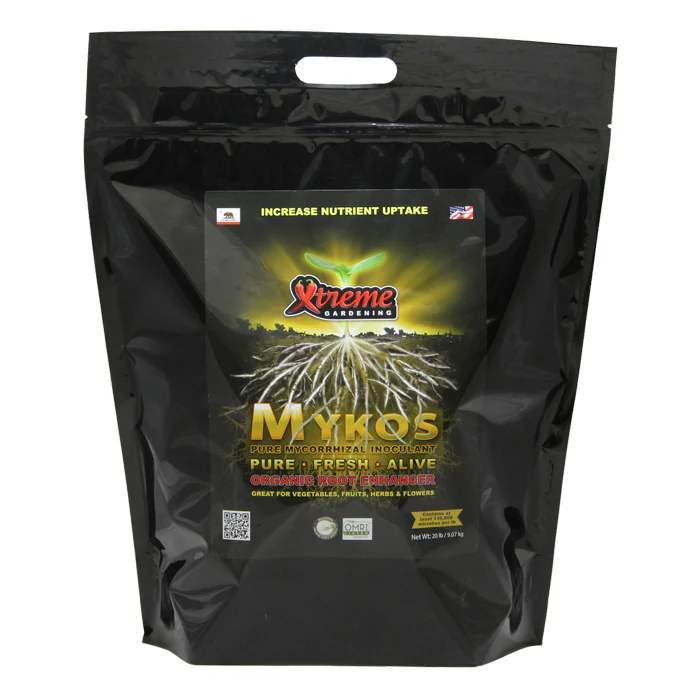
- Transplanting: This is the "Golden Hour" for inoculants. When you move a plant to a larger pot, the roots are exposed. This is the perfect time to sprinkle a pure mycorrhizal product like Xtreme Gardening Mykos directly onto the root ball and into the new hole.
- The 24-Hour Rule: Commercial inoculants are often in a dormant state. Once they hit water or moist soil, they wake up. They need to find a root to latch onto within 12 to 24 hours, or they may die off. Always try to apply them as close to the root system as possible.
- Avoid Chlorine: If you’re using tap water, the chlorine designed to kill bacteria in your pipes will also kill the expensive microbes you just bought. Let your water sit out for 24 hours or use a dechlorinator before mixing in your inoculants.
Why Quality Matters (The Perfect Gardens Approach)
It seems more like every garden shop has fifty different "magic" bottles on the shelf. The reality is that many of these products sit on shelves for years, and by the time you buy them, the microbes are dead.
At Perfect Gardens, we focus on products with proven shelf stability and high "CFU" (Colony Forming Units) counts. We recommend systems like our Nutrient and Microbial Inoculant Kit because it combines the mineral side of things with the biological side. You get the Drops of Balance to mineralize the water and the BAM! Microbial Inoculant to bring the life. It’s a holistic approach that mirrors how things work in the real world.

Common Pitfalls and Cautionary Tales
While microbes are powerful, they aren't a "get out of jail free" card for bad gardening habits.
- Over-Fertilizing: If you use too much high-salt synthetic fertilizer, you can actually "burn" your microbial population. High levels of available phosphorus can also make the plant "lazy," causing it to stop feeding the mycorrhizae, which eventually kills the fungal network.
- Tilling and Soil Disturbance: If you’re growing in soil, try not to stir it up too much. Mycorrhizal networks are fragile. Every time you dig or till aggressively, you’re tearing down the "highway system" the fungi built.
- Temperature Extremes: Microbes like the same temperatures you do. If your root zone gets too hot (over 85°F) or too cold (under 50°F), the biological activity will grind to a halt.
Final Thoughts
The secret to explosive root growth isn't a secret at all: it’s biology. By introducing microbial inoculants, you’re moving away from being a "feeder" and becoming a "cultivator." You’re building a foundation that allows your plants to reach their full genetic potential, whether you’re growing in a tent or a backyard garden.
If you’re ready to see what a living root zone can do for your garden, start with the basics: get some high-quality biology, feed it well, and stay out of its way. The plants will take care of the rest. Still have questions? Join our Army of Growers and let's get your garden thriving.