

If you’ve been growing for any length of time, you know the feeling. You walk into your grow room, take a look at your favorite plant, and notice a tiny, faint speckling on the leaves. You flip the leaf over, and there they are: a colony of spider mites, maybe even a few tiny webs starting to form.
It’s enough to make any grower’s heart sink. Spider mites are arguably the most frustrating pest in the indoor gardening world. They reproduce at lightning speed, they are incredibly small, and: worst of all: they are notorious for developing resistance to the chemicals we use to kill them.
The fact of the matter is that traditional pesticides often do more harm than good in the long run. They can leave nasty residues on your harvest, stunt your plant's growth, and eventually, the mites just stop dying from them. This is where Organishield comes in. At Perfect Gardens, we are big fans of solutions that work with nature rather than against it, and Organishield is a game-changer for your Integrated Pest Management (IPM) strategy.
What Exactly is Organishield?
Organishield is an EPA-registered organic insecticide and miticide. Unlike many of the "organic" solutions of the past that relied on heavy oils or harsh botanical extracts, Organishield is built around a very specific active ingredient: Sucrose Octanoate (SOE).
Sucrose Octanoate is a naturally occurring substance derived from sugar and fatty acids. It might sound sweet, but for a spider mite, it’s a death sentence. It is specifically designed to target soft-bodied pests. This includes two-spotted spider mites, broad mites, russet mites, and even aphids or whiteflies.

The "Physical Kill" Advantage
One of the biggest problems with spider mites is "selection pressure." When you use a chemical toxin that attacks a mite’s nervous system, a few mites in the population might have a natural mutation that allows them to survive. Those survivors breed, and within a few generations, you have a "super-mite" population that laughs at your expensive sprays.
Organishield doesn’t work like a traditional poison. It uses a physical-kill mode of action. When the solution makes contact with the insect, it dissolves the waxy protective coating (the cuticle) of the pest. Once that cuticle is compromised, the insect rapidly loses moisture and dries out.
Because this is a physical process: akin to how a person can't "evolve" to be immune to being crushed: pests cannot develop a tolerance or resistance to it. Whether it's the first time you spray or the hundredth, it’s going to be just as effective.
Why Plant Health Starts at the Roots
Before we dive deeper into the application of Organishield, it’s important to remember that the best defense against pests is a healthy plant. Pests are naturally drawn to weak or stressed plants. This is why we always recommend a holistic approach to gardening.
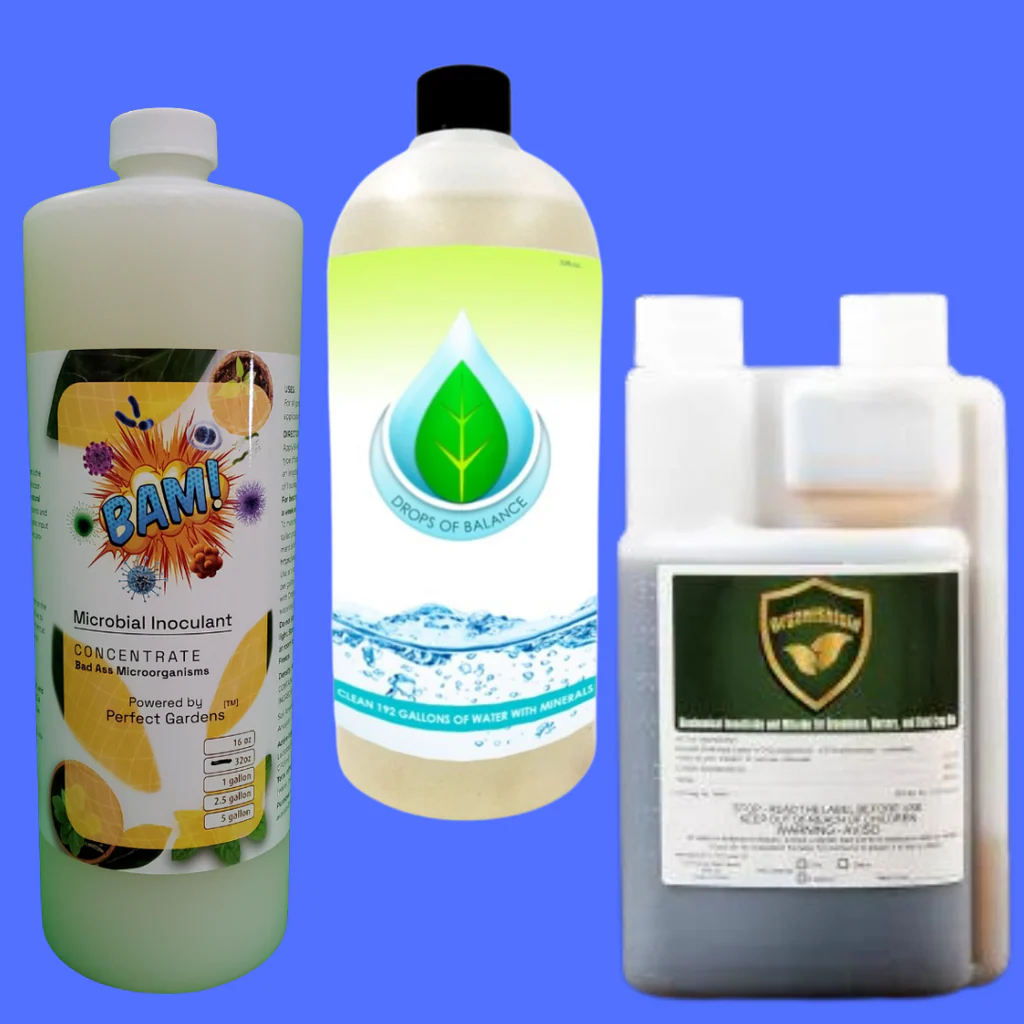
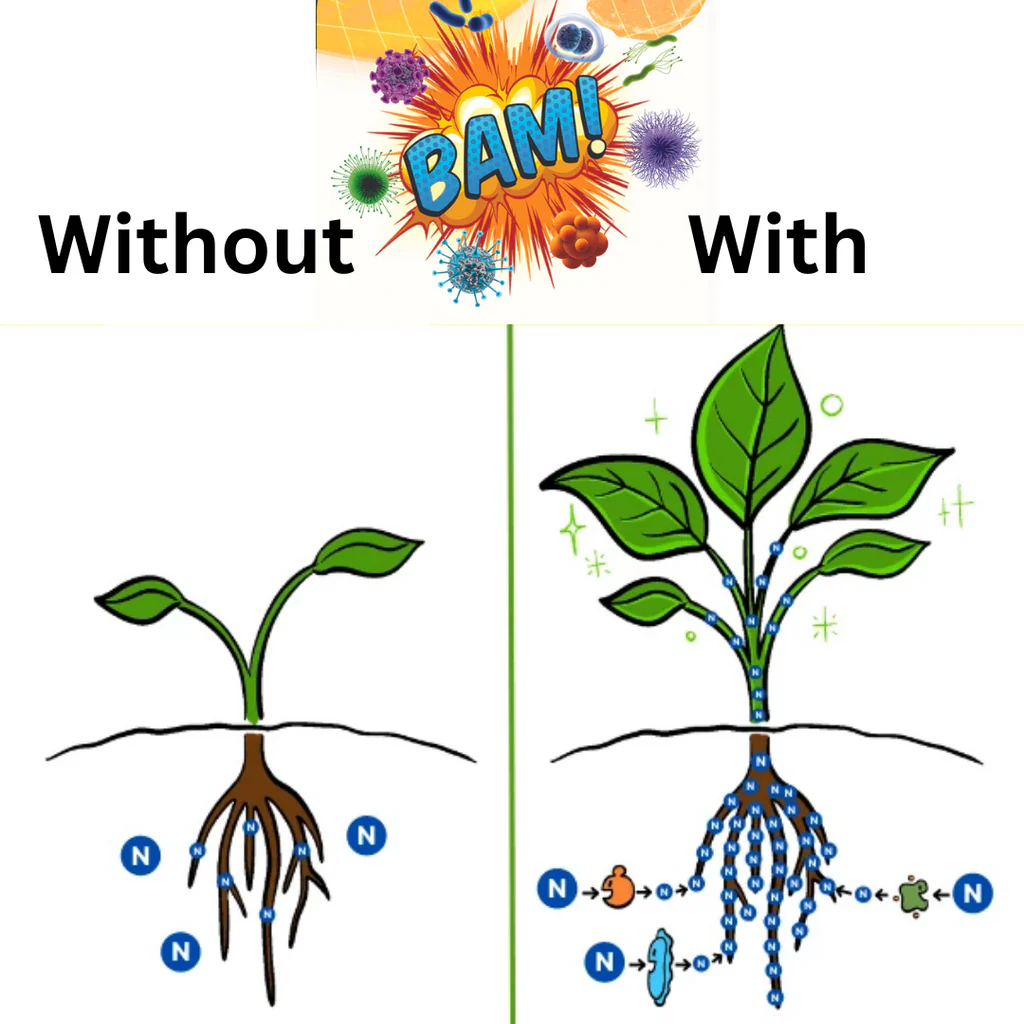
While Organishield protects the foliage, you should be supporting the root zone with a high-quality microbial inoculant. When you use something like BAM! (Beneficial Adaptive Microbes), you are essentially building an "immune system" for your plants. A strong microbial inoculant helps the plant uptake nutrients more efficiently and manage stress better. If a few mites do managed to bite into a leaf, a healthy, microbe-boosted plant can recover much faster than one struggling in sterile or depleted soil.
Is Organishield Safe for My Garden?
A common concern when introducing a new product into a grow room is safety: for the plants, for the pets, and for the grower.
- No Oils, No Clogging: Many organic miticides are oil-based (like Neem). While effective, oils can clog the stomata (the pores) of your leaves, effectively "suffocating" the plant and slowing down photosynthesis. Organishield contains no oils. It won't stunt your growth or leave a greasy film.
- Zero-Day Pre-Harvest Interval: This is a big one. You can use Organishield all the way up to the day of harvest. Because it breaks down into carbon dioxide and water, it leaves no toxic residue on your flowers or fruits.
- Beneficial Insect Friendly: While it is lethal to soft-bodied pests, it is generally safe for the "good guys." It doesn't harm ladybugs, green lacewings, or honeybees once the spray has dried. This makes it perfect for growers who use biological controls alongside their sprays.
- Safe for Home Environments: It’s safe to use around people and pets. You don't need to evacuate your house to treat your indoor garden.
How to Use Organishield for Maximum Effectiveness
If you’ve spotted mites, you need to act fast. Here is our recommended guide for getting the most out of your Organishield application.
1. The Right Concentration
For a heavy, active infestation, you want a 2% concentration. This equates to roughly 80 ml of Organishield per gallon of water. If you are just doing a preventative maintenance spray, you can dial that back to a 1% concentration (about 40 ml per gallon).
2. The Bottom-Up Technique
Spider mites are experts at hiding. They live, eat, and lay their eggs on the underside of the leaves. If you just spray the tops of your plants, you aren't doing anything but giving the mites a bath.
- Start at the base of the plant near the soil.
- Aim your sprayer upward to soak the undersides of every leaf.
- Ensure the plant is dripping wet. Complete coverage is key because this is a contact killer. If you don't touch the mite with the liquid, it won't die.
3. Timing and Frequency
For an active infestation, you should spray daily for at least 3 to 5 days. Since spider mite eggs hatch every few days depending on the temperature, daily spraying ensures that as soon as a new mite hatches, it hits a fresh layer of protection.
Caution: Even though it’s organic, we recommend spraying when your lights are off or during the early morning/late evening for outdoor plants. Spraying under intense high-intensity discharge (HID) lights or direct midday sun can cause "lensing," where the water droplets act as magnifying glasses and burn your leaves.

Integrating Organishield into Your Routine
We often talk about the "Army of Growers" philosophy. It’s about having a toolkit of solutions. For example, many of our customers use a combination of mineral-rich water and biologicals to ensure the plant is thriving from day one.
When you combine the pest-killing power of Organishield with root-enhancing products like Xtreme Gardening Mykos, you are attacking the problem from both ends. The Mykos ensures a massive root system for nutrient uptake, and the Organishield ensures that those nutrients aren't being sucked out of the leaves by spider mites.
Troubleshooting Common Issues
Even with a great product like Organishield, things can go sideways if the environment isn't right.
- Temperature Control: Spider mites thrive in hot, dry environments. If your grow room is consistently over 80°F (27°C) with low humidity, you are basically throwing a party for mites. Use Organishield to kill the current population, but then fix your environment to prevent them from coming back.
- Water Quality: If you are mixing your sprays with very "hard" water (water with high mineral content), it can sometimes affect the solubility of your inputs. We always recommend using clean, filtered water. Products like Drops of Balance can help ensure your water is in the best possible state for mixing nutrients and sprays.
- Re-infestation: Always check your clothes! Many growers accidentally bring mites into their clean rooms after walking through a park or working in an outdoor garden.
Final Thoughts
Spider mites don't have to be the end of your garden. The key is to be proactive rather than reactive. By keeping a bottle of Organishield on hand and maintaining a healthy environment with a solid microbial inoculant, you can catch infestations early and wipe them out without compromising the quality of your final harvest.
It seems more like a hassle to spray every day for a week, but trust us: it’s much better than losing a whole crop to webbing and plant death. Keep your plants strong, keep your spray coverage thorough, and those mites won't stand a chance.
If you have questions about your specific setup or need help identifying a pest, don't forget to check out our Grow Help Videos or reach out to the community. Happy growing!


Leave a comment
This site is protected by hCaptcha and the hCaptcha Privacy Policy and Terms of Service apply.