
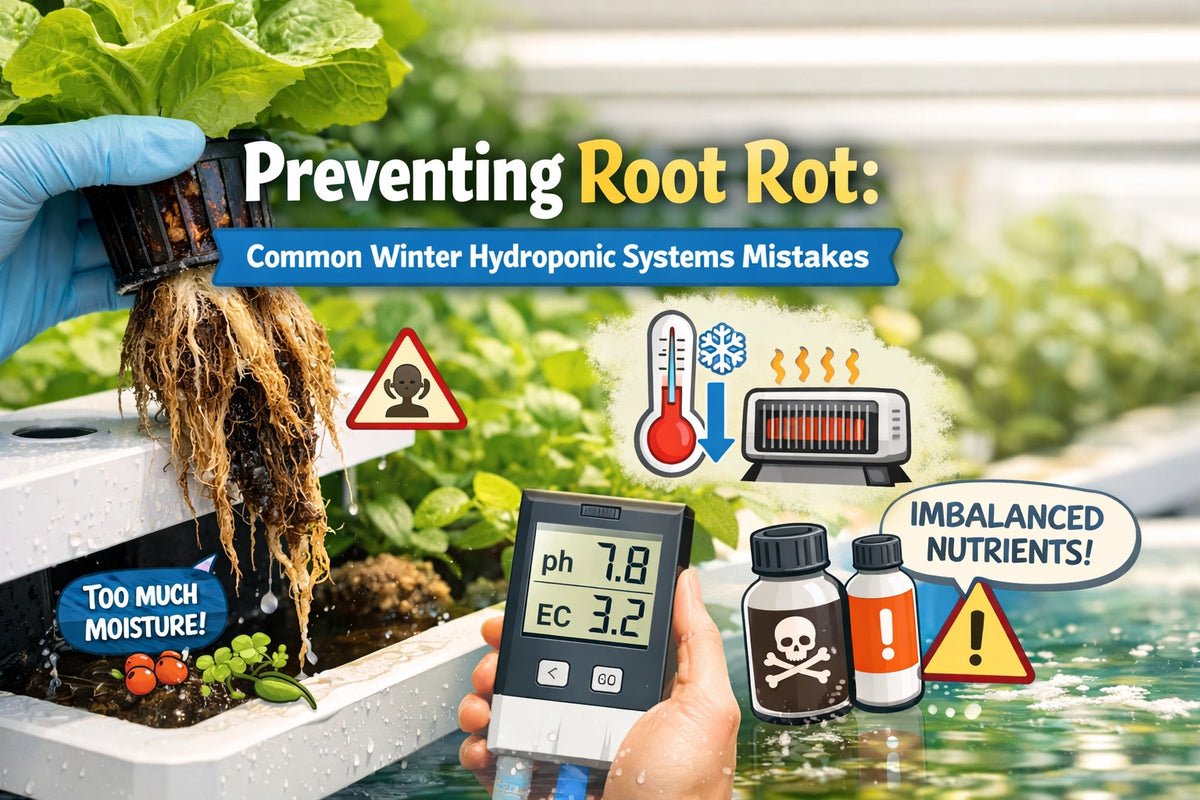
When the temperature drops outside, many indoor growers breathe a sigh of relief. During the summer, the biggest battle in most hydroponic systems is keeping the nutrient reservoir from overheating. We’ve all been there: frozen water bottles in the tank, expensive chillers running 24/7, and the constant fear of the dreaded "brown slime."
However, winter introduces a new set of challenges that can be just as lethal to your crop. Root rot, primarily caused by the water mold Pythium, doesn’t just disappear when the snow starts to fall. In fact, many growers inadvertently create the perfect environment for root rot by making common seasonal mistakes.
The fact of the matter is that managing a hydroponic system in the winter requires a shift in strategy. You aren't just fighting heat anymore; you are fighting metabolic slowdowns, oxygenation paradoxes, and environmental imbalances. Let’s break down the most common winter mistakes that lead to root rot and how you can avoid them.
1. The "Cold Water is Always Better" Myth
There is a common piece of advice in the hydroponic community: "Cold water holds more oxygen." While this is scientifically true: colder water has a higher dissolved oxygen (DO) capacity: there is a point of diminishing returns.
Many growers let their reservoir temperatures plumet in the winter, thinking they are doing their plants a favor. If your nutrient solution drops below 60°F (15°C), the plant’s metabolic processes begin to grind to a halt. When the metabolism slows, the plant stops taking up nutrients and water efficiently. This leads to "lazy" roots.
When roots aren't actively pumping and growing, they become sitting ducks for pathogens. Pythium is opportunistic. It doesn't need warm water to survive; it just needs a stressed, immobile host. If your water is 55°F, your plants are stressed, their immune systems are down, and root rot can take hold even in highly oxygenated water.
The Fix: Aim for a "Goldilocks zone" between 68°F and 72°F. This is warm enough to keep the plant’s biology firing on all cylinders but cool enough to maintain healthy dissolved oxygen levels. If your grow room is on a concrete floor in a basement, use a reservoir heater or a foam insulation board to keep the cold from leaching into your hydroponic systems.
2. Neglecting Aeration Because "It's Cold Enough"
Because cold water holds more oxygen naturally, some growers get lazy with their air pumps or circulation. They assume that because the water isn't 80°F, they don't need to worry about aeration.
This is a dangerous assumption. Oxygen isn't just about preventing rot; it's a vital "nutrient" for root respiration. In the winter, your grow room might be sealed tighter to keep the heat in, potentially leading to stagnant air. If your water is stagnant as well, you create anaerobic pockets within the root mass.

As seen in the diagram above, a high-performing system relies on constant movement and air injection. Even in the winter, your air stones should be bubbling vigorously. If you are using a Deep Water Culture (DWC) setup, the transition from "plenty of oxygen" to "root-killing anaerobic zone" happens faster than you think if the power cuts out or an air line kinks.
3. The Sterilization Trap: Overusing Hydrogen Peroxide
When a grower sees the first sign of a brown root in December, the immediate reaction is often to "nuke" the system with high-grade hydrogen peroxide (H2O2). While H2O2 is an excellent tool for cleaning equipment, using it as a long-term maintenance strategy in your reservoir can backfire during the winter.
Hydrogen peroxide is non-discriminatory; it kills the bad bacteria, but it also kills the beneficial microbes that protect your roots. In the winter, when plant growth is already slightly slower, you want all the biological help you can get. By keeping your system "sterile," you leave a vacuum. The moment the H2O2 dissipates (which happens quickly), the first thing to land in your reservoir: usually a pathogen: will have zero competition and will take over the entire system.

Caution: Use products like Pyur Scientific 35% H2O2 for deep cleaning between runs or for a quick "system flush," but don't rely on it to keep your roots healthy all winter. Instead, focus on building a robust microbial colony.
4. Failing to Use Beneficial Microbes
In the winter, your roots need a "bodyguard." Since you aren't fighting the extreme heat that can sometimes kill off beneficial bacteria, winter is actually the perfect time to transition to a biologically active system.
Beneficial microbes like Bacillus amyloliquefaciens and various species of mycorrhizae create a symbiotic relationship with your plants. They physically wrap around the roots, consuming the exudates (sugars) that the roots put out, which would otherwise feed the root rot. They also produce natural antibiotics that kill off Pythium.
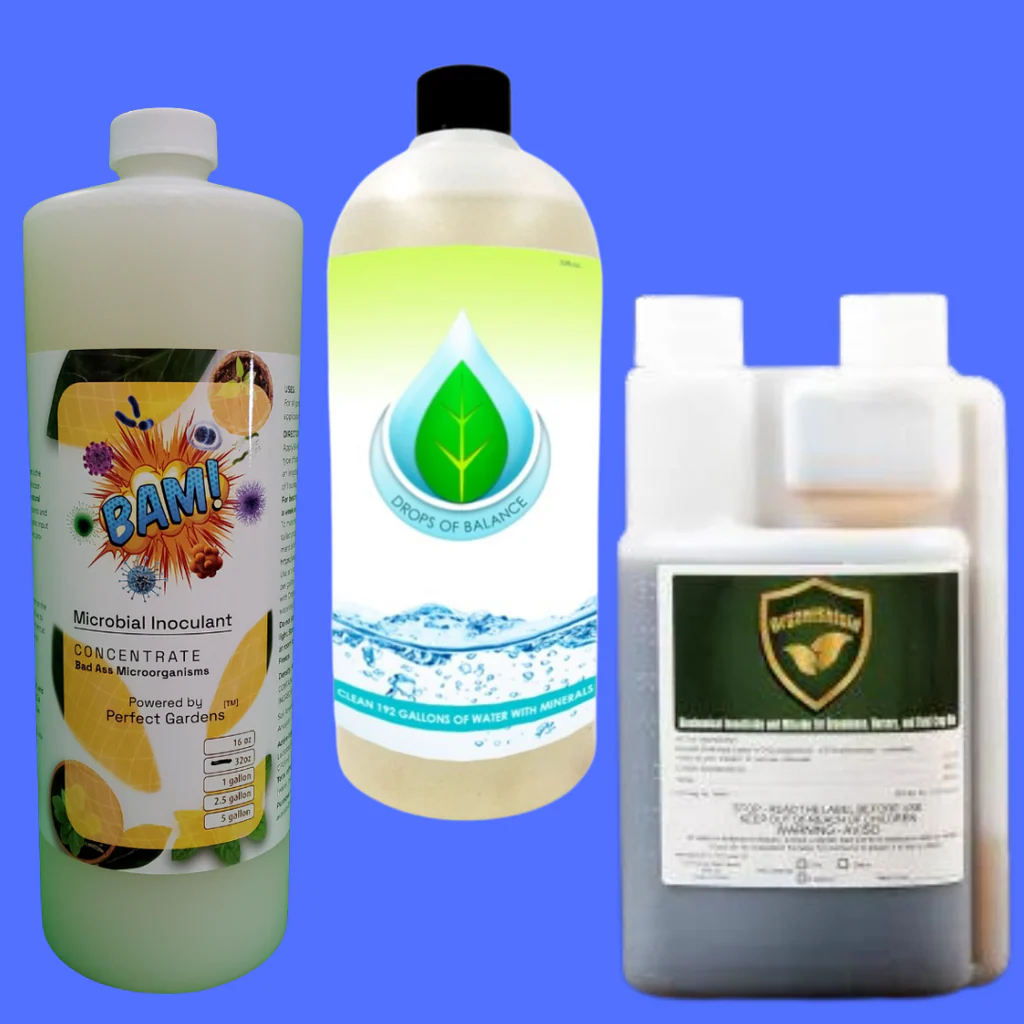
Using a high-quality inoculant like BAM! (Beneficial Adaptive Microbes) ensures that even if your water temperature fluctuates or your oxygen levels dip slightly, there is a literal army defending the root zone.
5. High Humidity and the Transpiration Wall
Winter air is usually dry, but inside a grow tent packed with plants and a large water reservoir, humidity can spike: especially at night when the lights go off and the temperature drops.
When the humidity is too high, the plant cannot transpire (sweat). Transpiration is the "suction" that pulls water and nutrients from the roots up to the leaves. If transpiration stops, the water in the root zone becomes stagnant. This lack of movement within the plant tissue itself can lead to localized cell death in the roots, providing an entry point for root rot.
Furthermore, many growers turn down their exhaust fans in the winter to keep the room warm. While this saves on heating bills, it creates "dead air" spots.
The Solution:
- Keep your controllers set to maintain a consistent Vapor Pressure Deficit (VPD).
- Ensure you have small fans circulating air under the plant canopy to move air across the top of the reservoir or net pots.
- Don't sacrifice air exchange for heat. It's better to add a small heater than to let your plants suffocate in humid, stagnant air.
6. Overfeeding During Metabolic Slumps
Because it's winter, your plants might grow 10-15% slower than they do in the peak of spring. A common mistake is continuing to feed the plants at full strength.
If the plants aren't drinking water as fast, the nutrient concentration in the reservoir will actually increase as the water level drops. High salt concentrations can "burn" the delicate root hairs. These micro-wounds are the "open doors" that root rot pathogens use to infect the plant.

Pro Tip: In the winter, keep your EC (Electrical Conductivity) slightly lower than usual. Monitor your reservoir levels daily. If you notice the water level isn't moving, but your EC is rising, your plants are telling you they can't handle the current nutrient load. Dilute the solution with fresh, pH-balanced water to reduce stress on the roots.
Summary Checklist for Winter Root Health
To keep your hydroponic systems thriving until spring, follow this simple maintenance routine:
- Check Water Temp: Keep it between 68°F and 72°F. Use a water storage tank that is elevated off the cold floor.
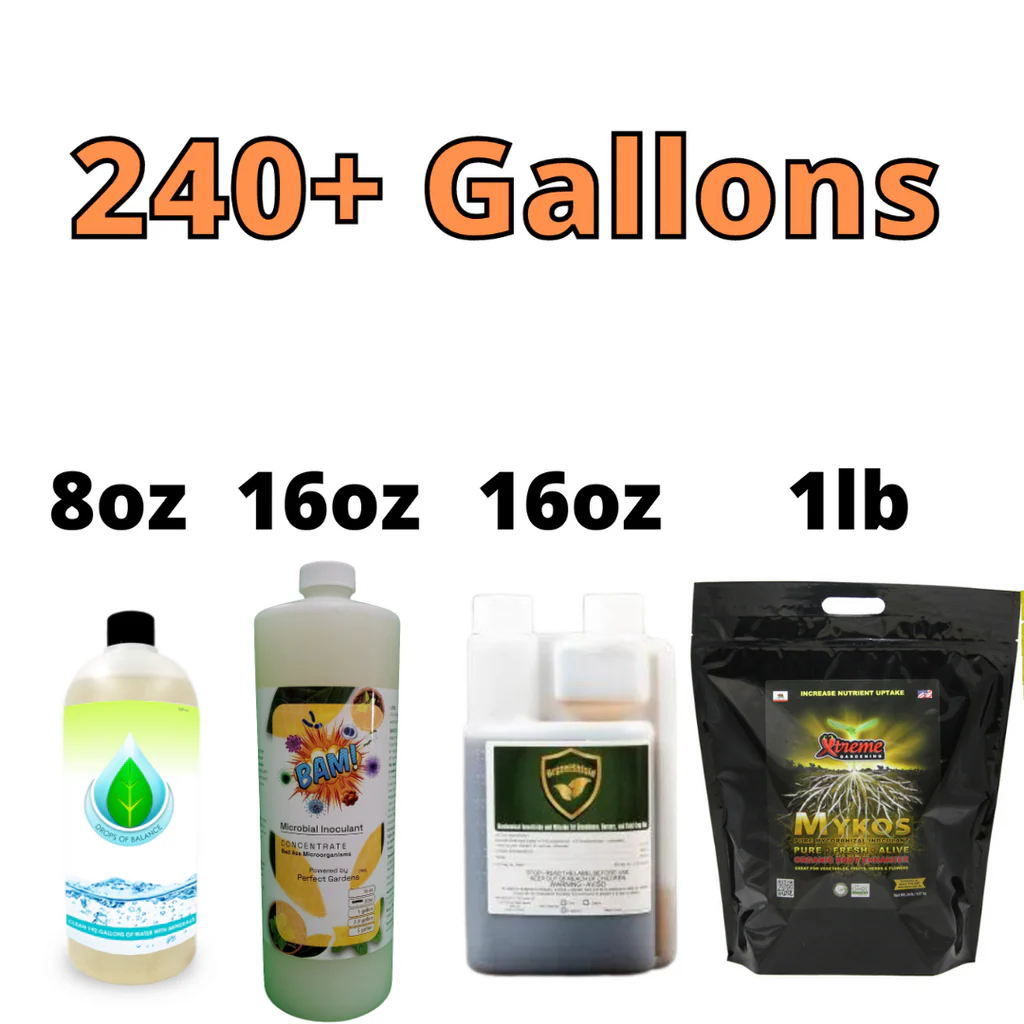
- Double Down on Microbes: Use a kit like the Nutrient and Microbial Inoculant Kit to ensure your "biological shield" is at full strength.
- Monitor Humidity: Keep an eye on your hygrometer. If humidity stays above 70% for long periods, your roots are at risk.
- Maintain Cleanliness: Clean your filters and air stones every two weeks. Dust and salt buildup can reduce oxygen flow.
- Observe Root Color: Healthy roots should look like bright white spaghetti. If they look tan, yellowish, or feel slimy, take action immediately by checking your temps and adding beneficials.
The fact of the matter is that root rot isn't an inevitable part of winter growing. It is a symptom of a system that is out of balance. By paying close attention to the relationship between temperature, oxygen, and biology, you can enjoy a massive holiday harvest while other growers are struggling with brown, mushy roots.
If you are looking to upgrade your setup or need the right microbes to get through the season, check out our full collection of hydroponic supplies and let’s get your garden winter-ready. For more tips on maintaining a healthy grow, browse our other educational blog posts.



Leave a comment
This site is protected by hCaptcha and the hCaptcha Privacy Policy and Terms of Service apply.