

If you’ve ever walked into a hydroponics shop or scrolled through a few forums, you know it’s easy to feel overwhelmed. You see tubes everywhere, bubbling buckets, glowing lights, and a million different nutrients. It looks like a high-school chemistry project gone wild.
The truth is, hydroponics, growing plants in water without soil, is actually one of the most efficient ways to garden. It’s faster, cleaner, and gives you total control over what your plants are eating. But for a beginner, the biggest hurdle is usually just picking the right system.
The fact of the matter is that you don’t need a degree in botany to get started. You just need a system that matches your lifestyle and your space. I’m Mark, the CEO here at Perfect Gardens, and I want to walk you through how to choose a setup that won’t make you want to pull your hair out.
Why Go Hydroponic?
Before we dive into the specific systems, let’s talk about why you’re doing this. Hydroponics allows roots to have direct access to nutrient-rich water and high levels of oxygen. In soil, the roots have to go "searching" for food. In a hydro system, we bring the food to them. This usually results in 30-50% faster growth and higher yields. Plus, you can say goodbye to soil-borne pests and the mess of dragging heavy bags of dirt into your house.
Key Factors to Consider Before You Buy
When you're looking at your first setup, don't just buy the one that looks the coolest. You need to ask yourself a few practical questions:
- How much space do I have? A single bucket takes up very little room, while an Ebb and Flow tray needs a dedicated table.
- How much time can I commit? Some systems are "set it and forget it," while others require daily pH checks and water level monitoring.
- What is my budget? You can DIY a system for $50 or buy a commercial-grade setup for $500.
- Do I want to rely on electricity? Most systems need a pump running 24/7. If you live somewhere with frequent power outages, you might want a passive system.
1. Deep Water Culture (DWC): The "Classic" Beginner Choice
If you ask ten growers what the best beginner system is, nine of them will say Deep Water Culture (DWC).
In a DWC system, your plant sits in a net pot filled with a little bit of growing medium (like clay pebbles). That pot is suspended over a reservoir filled with nutrient-enriched water. An air stone, powered by an air pump, sits at the bottom and bubbles constantly, providing the roots with oxygen so they don't "drown."

Why it’s great for beginners:
- Simplicity: There are very few moving parts. If the air pump is humming and the water is full, your plants are happy.
- Fast Growth: Because the roots are literally dangling in a buffet of nutrients and oxygen, they explode in size.
- Low Cost: It's one of the most affordable ways to get started.
The Downside:
Because the roots are submerged in a small volume of water, things can go wrong quickly. If the water gets too hot, you might deal with root rot. You’ll need to keep a close eye on your water temperature and pH levels.
2. Ebb and Flow (Flood and Drain): The Versatile Workhorse
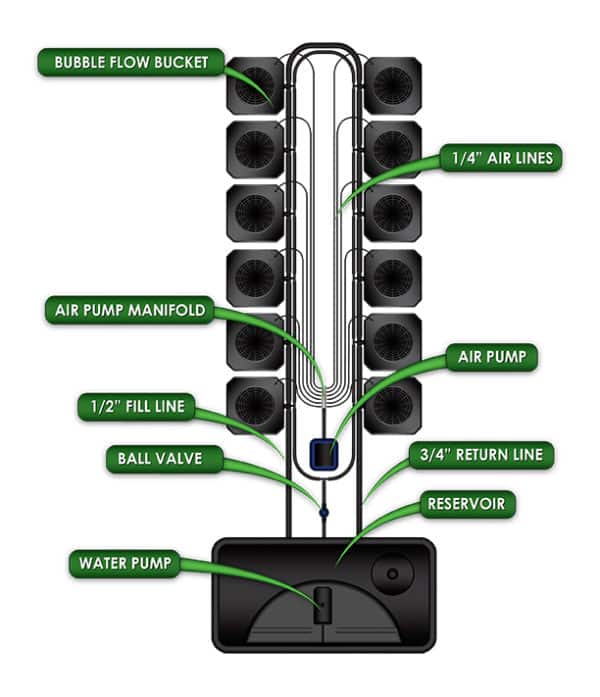
Ebb and Flow systems are a step up in complexity but offer a lot more versatility. In this setup, your plants sit in a tray filled with a medium like Rockwool or grow stones. A reservoir sits beneath the tray. A timer turns on a pump, which floods the tray with water. Once the water reaches a certain level, it drains back down into the reservoir.
Why it’s great for beginners:
- Versatility: You can grow almost anything in an Ebb and Flow system: from small herbs to large flowering plants.
- Forgiving: Because the roots aren't submerged 24/7, they get a natural "breath" of air every time the water drains. This makes root rot less likely for newbies.
- Automation: Once you dial in your timer, the system does the heavy lifting for you.
The Downside:
You are reliant on a pump and a timer. If the timer fails and the tray doesn't flood, your plants can dry out quickly. It also requires a bit more space than a simple bucket.
3. The Kratky Method: The "No-Power" Option
If you’re worried about electricity or just want the simplest possible setup, the Kratky method is a game changer. It’s essentially a passive version of DWC. You fill a container with water and nutrients, place the plant in a net pot on top, and... that’s it. As the plant grows, it drinks the water, creating an air gap between the surface of the water and the roots. The roots in that air gap "breathe" oxygen, while the bottom roots drink the food.
Why it’s great for beginners:
- Zero Electricity: No pumps, no noise, no electricity bill.
- Cheapest Entry: You can literally do this with a mason jar or a 5-gallon bucket.
The Downside:
It’s best suited for leafy greens and herbs (like lettuce or basil). It’s much harder to grow large, thirsty plants like tomatoes using this method because they drink the water too fast, which can cause the pH to swing wildly.
4. AutoPot: The "Vacation-Friendly" System
For the gardener who travels or has a busy schedule, the AutoPot is a fantastic choice. It uses a gravity-fed valve (the AQUAvalve) to water the plants only when they need it. No electricity, no pumps, and no timers.

Why it’s great for beginners:
- Low Maintenance: You just fill the large reservoir once every week or two.
- No Power Needed: Since it’s gravity-fed, it works even during a blackout.
- Reliability: It mimics the natural wet-dry cycle that plants love.
Choosing the Right Growing Medium
Once you pick a system, you need something for the plant to hold onto. In hydroponics, we don't use dirt.
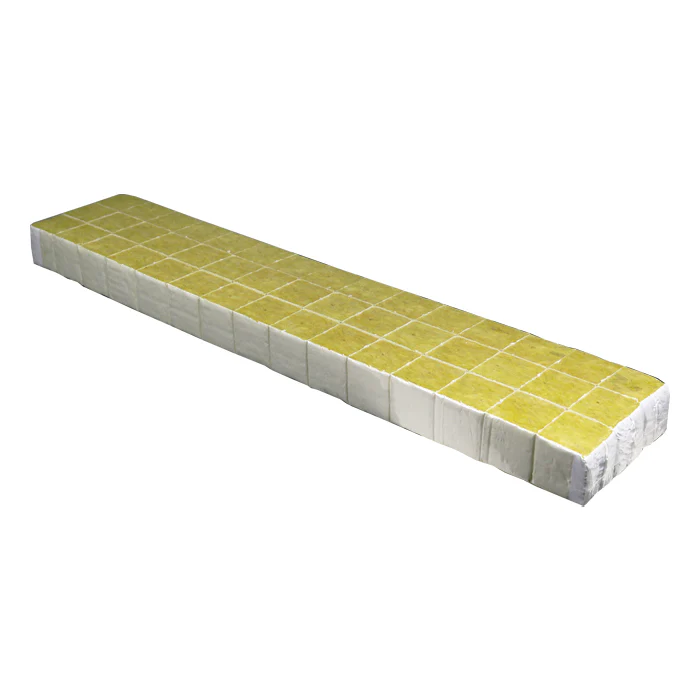
For beginners, I almost always recommend starting with Rockwool cubes. They hold water and air perfectly and are super easy to move from a seedling tray into a larger DWC or Ebb and Flow system.
Other options include:
- Clay Pebbles (Hydroton): Great for DWC because they allow for lots of air and are reusable.
- Coco Coir: A middle ground between soil and hydro; very forgiving for beginners.
The "Secret Sauce": Nutrients and pH
The biggest mistake beginners make isn't picking the wrong system; it's ignoring their water chemistry. In soil, the earth acts as a buffer. In hydro, you are the buffer.
You’ll need a solid nutrient line. Don't overcomplicate it at first: look for a simple A&B base nutrient. More importantly, you must have a pH meter. If your water is too acidic or too alkaline, your plants won't be able to "eat" the nutrients you're giving them, even if the bucket is full.
We often suggest using mineral concentrates to help stabilize your water and ensure your plants are getting the micronutrients they need to thrive.
Common Pitfalls to Avoid
It seems more like hydroponics is a "set it and forget it" hobby, but that is not the case. Here are a few things to watch out for:
- Light Leaks: If light gets into your reservoir, you will get algae. Algae eats your nutrients and steals oxygen from your roots. Use opaque containers (black or dark blue) and cover any holes.
- Water Temperature: If your water gets above 75°F, it can't hold much oxygen, and bad bacteria start to grow. Try to keep your reservoir on a cool floor or in a climate-controlled room.
- Over-Feeding: Beginners often think "more is better." It's not. Too many nutrients will "burn" your plants. Always start at half the recommended dose on the bottle and work your way up.
How Perfect Gardens Simplifies the Choice
At Perfect Gardens, we know that the first few weeks of growing can be stressful. That’s why we don’t just sell you a bucket and wish you luck. We’ve built a whole ecosystem to support you.
- Grow Help Videos: If you're stuck on how to set up your pump or mix your nutrients, check out our Grow Help Videos. We break down every step visually.
- The Army of Growers: Growing can be lonely, but it doesn't have to be. Our Army of Growers community is full of people who have been exactly where you are.
- Curated Kits: We’ve done the testing for you. Our beginner kits are designed to include everything you need (and nothing you don't), so you don't end up with a box of parts that don't fit together.
Final Thoughts
Choosing your first hydroponic system is about finding a balance between your ambition and your reality. If you want the fastest results and don't mind a little maintenance, go with DWC. If you want a system that can grow anything and is a bit more stable, look at Ebb and Flow. If you're busy and want something "hands-off," the AutoPot is your best friend.
The most important thing is just to start. You’re going to make mistakes: everyone does: but that’s part of the fun. Once you see that first harvest of vibrant, healthy plants that you grew from scratch, you'll be hooked.
If you have questions or need help picking out your first setup, head over to our Contact Page and reach out. We’re here to help you grow.
Happy gardening!


Leave a comment
This site is protected by hCaptcha and the hCaptcha Privacy Policy and Terms of Service apply.