

If you’ve been in the growing game for a minute, you know that compost tea is basically liquid gold. It’s a concentrated probiotic shot for your soil, packed with the beneficial bacteria and fungi your plants need to crush it. But here’s the thing: making compost tea isn't just about throwing a handful of dirt into a bucket of water and hoping for the best.
I see growers all the time who invest in a high-end compost tea brewer, only to end up with a bucket of stinky, anaerobic swamp water that does more harm than good. The fact of the matter is, your brewer is a tool, and like any tool, if you use it wrong, you’re going to get bad results.
If your tea smells like a sewer, or if your plants aren't showing that vibrant "glow" after an application, you might be making one of these seven common mistakes. Let’s break down what’s going wrong and how to fix it so you can get back to growing those massive yields we talk about in our grow help videos.
1. Inadequate Aeration (The Oxygen Problem)
This is the number one mistake I see. Microbes are living organisms, and just like you, they need to breathe. When you’re brewing tea, you are trying to cultivate aerobic (oxygen-loving) microorganisms. These are the "good guys" that help break down nutrients and protect your roots.
If your air pump is too weak, the oxygen levels in the water drop. When oxygen drops, the aerobic microbes die off, and the anaerobic microbes take over. Anaerobic microbes are often the ones responsible for root rot and other nasty plant diseases.
The Fix: You need a serious air pump. A good rule of thumb is to have at least one liter of air per minute for every liter of tea you’re brewing. If you see the water just sitting there with a few lazy bubbles, you’re failing. You want that water rolling, it should look like a rolling boil, but with air.

2. Using Poor Quality Starting Materials
You can have the best brewer in the world, but if you start with "dead" compost, you’re just making brown water. Many growers grab a bag of cheap, mass-produced compost from a big-box store that’s been sitting in the sun for six months. By the time it gets to you, most of the beneficial microbial life is gone.
Compost tea is about amplifying life. If there isn't a diverse population of microbes to start with, there’s nothing to multiply.
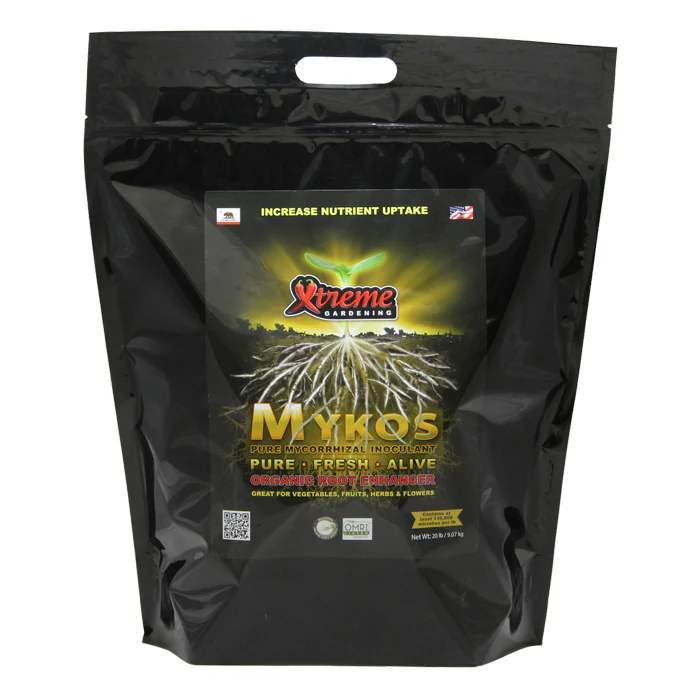
The Fix: Use fresh, high-quality, mature compost or worm castings that smell like a forest floor, rich and earthy. If you want to ensure you're starting with a powerhouse of biology, consider adding a professional-grade inoculant to your brew. Products like Xtreme Gardening Mykos can help jumpstart the fungal side of your tea, which is often the hardest part to get right.
3. Brewing with Chlorinated Tap Water
This is a silent killer. Most municipal tap water contains chlorine or chloramine. These chemicals are added specifically to kill bacteria so our drinking water is safe. While that’s great for your glass of water, it’s a disaster for your compost tea.
If you fill your brewer with straight tap water and drop your compost in, the chlorine will start nuking the very microbes you’re trying to grow.
The Fix: You have two options. First, you can bubble your tap water with an air stone for 24 hours before adding your compost; this helps off-gas the chlorine. However, this doesn't work for chloramine. The better, more reliable way is to use a water conditioner. We recommend using Drops of Balance (not just for cubes, but for water quality too) to help neutralize toxins and mineralize the water, creating a safer environment for your microbes to thrive.
4. Overfeeding the Microbes (The "Sugar Crash")
Growers love to overcomplicate things. They think, "If one tablespoon of molasses is good, five must be better!" This is a trap.
When you add too much food (like molasses or fish hydrolysate), the microbial population explodes too fast. They consume all the available oxygen in the water faster than your pump can replace it. This leads to an oxygen crash, the tea goes anaerobic, and suddenly you’re brewing a batch of pathogens.
The Fix: Stick to the "less is more" philosophy. For a 5-gallon brew, you usually only need about a tablespoon or two of a carbohydrate source. You want a steady, controlled growth, not a microbial riot that burns through all the oxygen in three hours.
5. Ignoring Temperature Extremes
Microbes are like Goldilocks, they like it "just right."
If your brewer is in a cold garage in the winter, the microbes will go dormant. They won't multiply, and your "tea" will just be cold compost water. On the flip side, if it’s too hot (above 80°F), you risk growing harmful pathogens like E. coli or Salmonella, which thrive in warm, low-oxygen environments.
The Fix: Aim for a brewing temperature between 65°F and 75°F. This is the sweet spot where beneficial biology flourishes. If you're brewing in a tent or a dedicated grow room, keep the brewer off the cold floor. Use a small heater or move it to a temperature-controlled space if necessary.
6. Brewing for Too Long
I see this a lot with beginners. They think the longer it brews, the stronger it gets. They’ll let a tea run for four or five days.
The reality is that after about 24 to 48 hours, the microbes have usually consumed most of the available food. Once the food runs out, the population starts to die off, and the tea begins to degrade. A "finished" tea should smell sweet, earthy, or even like yeast. If it starts to smell sour or like rotten eggs, you’ve gone too far.
The Fix: 24 to 36 hours is usually the "sweet spot" for most compost tea brewers. After that, the biology is at its peak. Use it immediately. Compost tea is a living product; it doesn't have a shelf life. Use it within a few hours of turning off the air pump.
7. Not Cleaning the Brewer Properly
This is the "gross" mistake that people forget. Every time you brew, a layer of "biofilm" forms on the inside of the bucket, the air stones, and the hoses. This biofilm is a sticky layer of bacteria and fungi.
If you don't scrub that off after every single use, the next batch of tea will be contaminated by the old, potentially rotting microbes from the previous batch. It’s like eating off a plate that hasn't been washed in a week.
The Fix: As soon as you finish your tea, rinse the brewer. Use a stiff brush and some eco-friendly soap or a diluted hydrogen peroxide solution to scrub every surface. Pay special attention to the air stones and inside the hoses. If you can’t get the hoses clean, replace them. They’re cheap; a ruined crop isn't.
The Importance of Biological Diversity
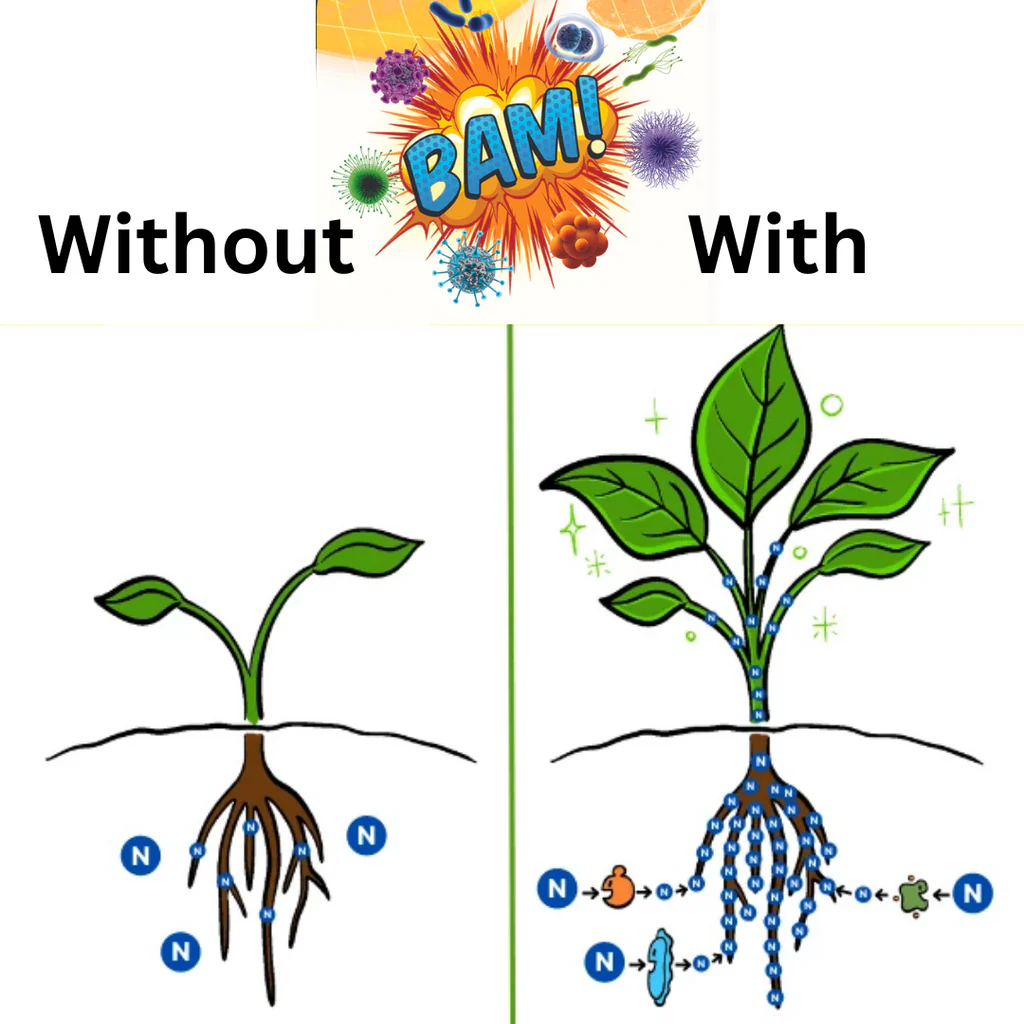
At Perfect Gardens, we talk a lot about the "Army of Growers." Well, your soil needs an army too. The whole point of a compost tea brewer is to create a diverse ecosystem. You don't just want one type of bacteria; you want nitrogen-fixers, phosphorus-solubilizers, and fungal hyphae that build soil structure.
When you avoid these seven mistakes, you allow that diversity to thrive. You’ll see the difference in your root zones: white, fuzzy roots that are hungry for nutrients.
Summary Checklist for a Perfect Brew:
- Air: Is the water "boiling" with bubbles?
- Water: Did you remove the chlorine?
- Ingredients: Is your compost fresh and alive?
- Food: Did you measure your molasses, or did you just pour it in?
- Temp: Is the water between 65-75°F?
- Time: Has it been less than 48 hours?
- Cleanliness: Was the bucket spotless before you started?
Making compost tea is one of the most rewarding things you can do for your garden, whether you're growing in soil or looking to supplement your hydroponic systems. It connects you to the natural biological cycles that make plants truly thrive.
Don't let a simple mistake turn your liquid gold into a liability. Keep it clean, keep it bubbly, and keep it alive. If you have more questions about setting up your brew or which inoculants are best for your specific setup, feel free to reach out to us through our contact page. We’re here to help you grow.



Leave a comment
This site is protected by hCaptcha and the hCaptcha Privacy Policy and Terms of Service apply.