
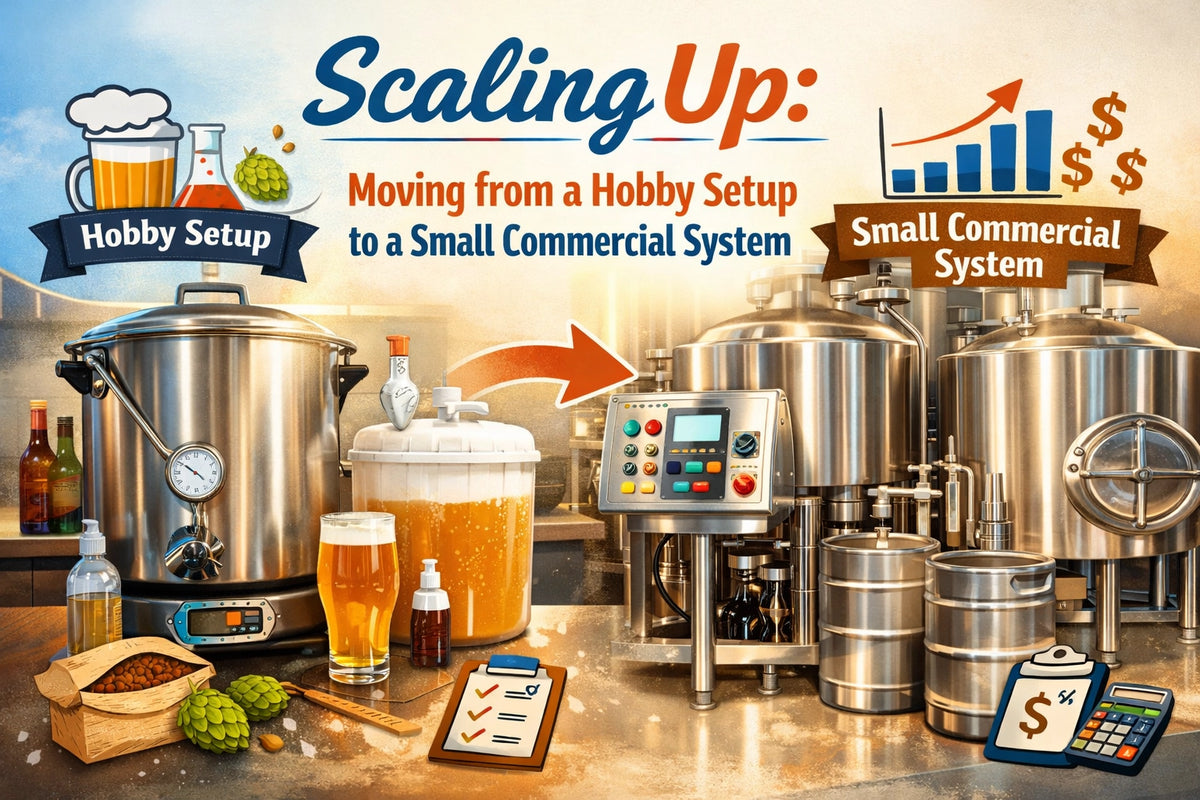
So, you’ve mastered the 4x4 tent. Your plants are healthy, your yields are decent, and you’ve reached the point where your friends are constantly asking how you do it. Maybe you’re starting to think, "What if I did this for real?"
Moving from a hobbyist mindset to a small commercial operation is an exciting leap, but it’s a lot more than just adding more lights and more plants. It’s a transition from being a gardener to being a facility manager. As we roll through May and the outdoor temperatures start to climb, the stakes for indoor climate control and automation get even higher.
If you’re ready to scale up, you need a plan that covers infrastructure, automation, and: most importantly: consistency. Let’s break down how to take your grow from a weekend passion to a professional-grade system.
1. Market Validation: Don't Grow in a Vacuum
Before you go out and drop five figures on new LED lights, you need to make sure there is a home for your harvest. In the hobby world, if you overproduce, you give it away to friends. In the commercial world, overproduction without a buyer is just wasted overhead.
Start with a "Minimum Viable Product." Can you consistently produce high-quality results in your current small setup? If you can’t hit your quality marks in a single tent, scaling up will only amplify your mistakes. Validate your process first, then scale the volume.
2. Infrastructure: Beyond the Tent
When you move to a small commercial scale, you often move out of tents and into dedicated rooms or sealed environments. This requires a shift in how you think about your space.
- Reflective Surfaces: Instead of tent walls, professional growers often use Black & White Panda Film to line entire rooms. It’s durable, easy to clean, and provides excellent light reflection.
- Power Demands: A hobby setup runs off a standard wall outlet. A commercial setup might require a sub-panel and dedicated 240V lines. Don’t skip the electrician: fire safety is non-negotiable when you’re running high-intensity gear 24/7.
- HVAC and Dehumidification: This is where most people fail. More plants mean more transpiration, which means massive humidity spikes. You’ll need commercial-grade dehumidifiers and AC units that can handle the "latent heat" produced by a room full of transpiring plants.
3. Automation: Your New Best Friend
The biggest difference between a hobbyist and a commercial grower is how they spend their time. A hobbyist enjoys spending two hours hand-watering and talking to their plants. A commercial grower doesn’t have that luxury. If you have 50 or 100 plants, hand-watering becomes a full-time job that leaves no room for anything else.
To scale successfully, you need to automate your irrigation. We highly recommend looking into the Blumat Automatic Watering System. It’s a gravity-fed (or pressure-fed) system that uses ceramic sensors to water plants only when they need it. No electronics, no pumps to fail, just consistent moisture levels.
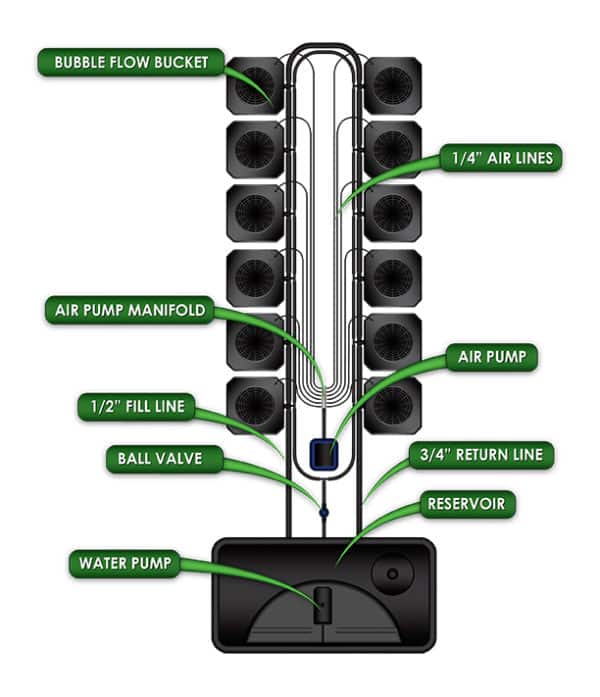
If you prefer a more "active" hydroponic approach, a Bubble Flow Bucket System is the gold standard for scaling Deep Water Culture (DWC). It keeps the nutrient solution moving, oxygenated, and PH-stable across all sites.
4. Mastering the Reservoir
In a small setup, you might use a 5-gallon bucket as a reservoir. In a small commercial setup, you’re looking at 50, 100, or even 200 gallons. Managing a large reservoir is a different beast.
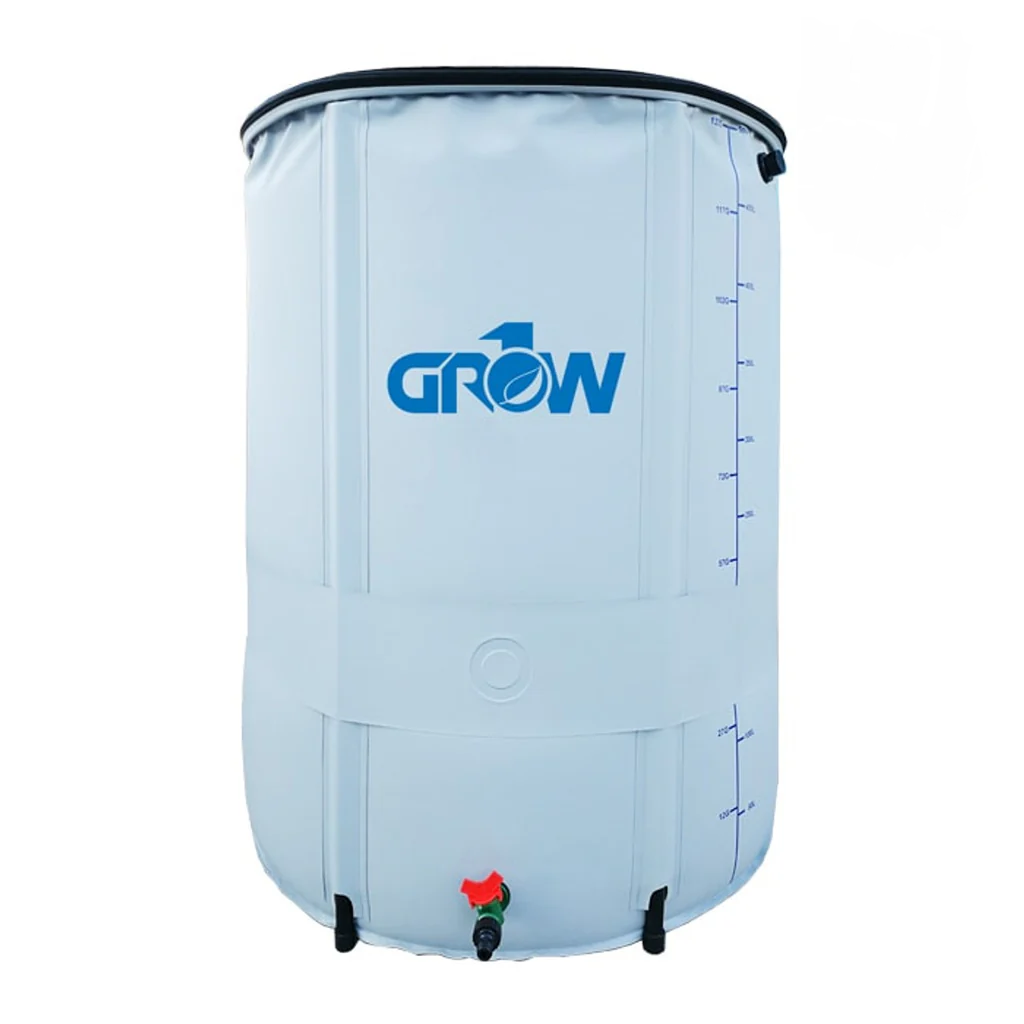
- Temperature Control: In May and June, your reservoir temps will want to climb. High temps lead to root rot. You might need a water chiller or at least a highly insulated collapsible water storage tank to keep things stable.
- Water Quality: Large-scale growing requires clean water. Using something like Drops of Balance can help purify your water and add essential minerals that might be stripped out by RO systems.
- The "Brain" Bucket: Use controllers to monitor your PH and PPM automatically. At this scale, a PH swing can ruin a whole crop before you even notice it.
5. Nutrient Efficiency and Microbes
When you’re buying nutrients for two plants, price doesn't matter much. When you're buying for 200, your "cost per gallon" becomes a major factor in your profitability.
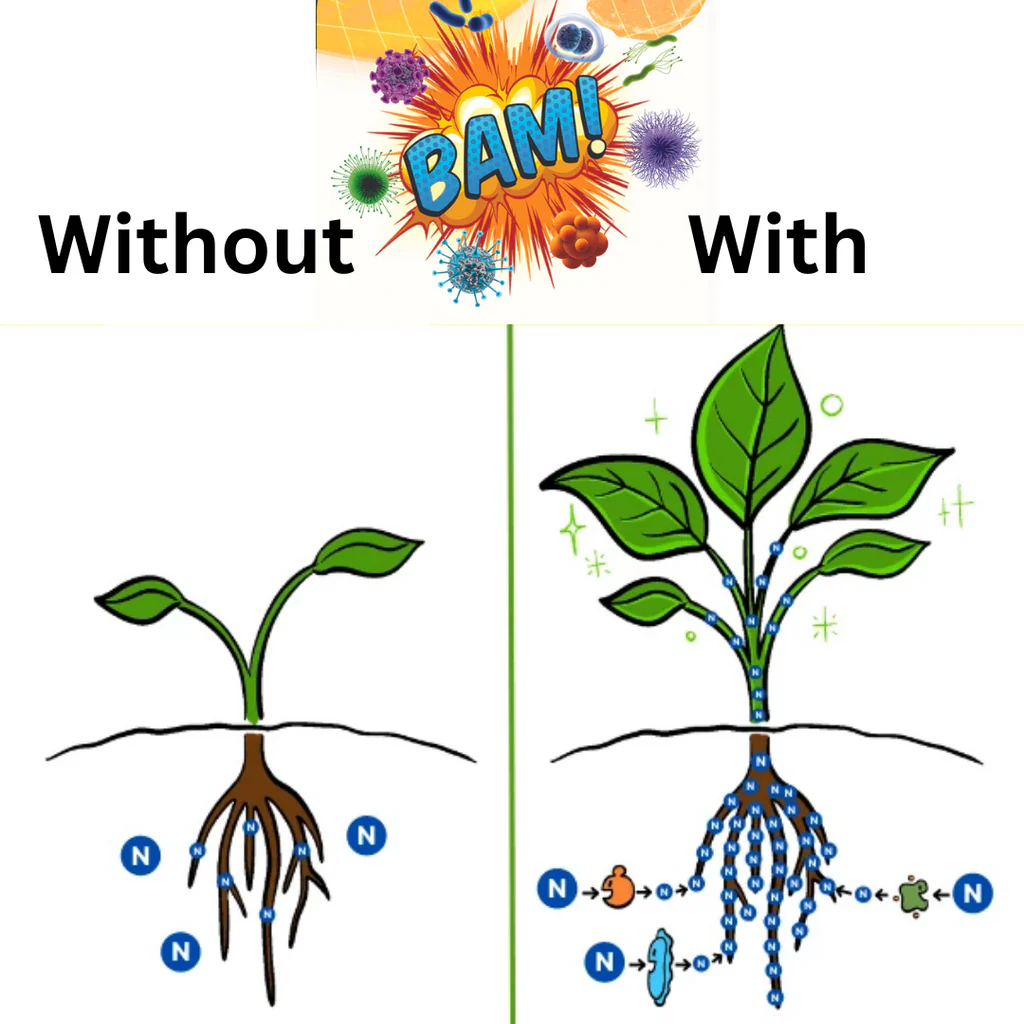
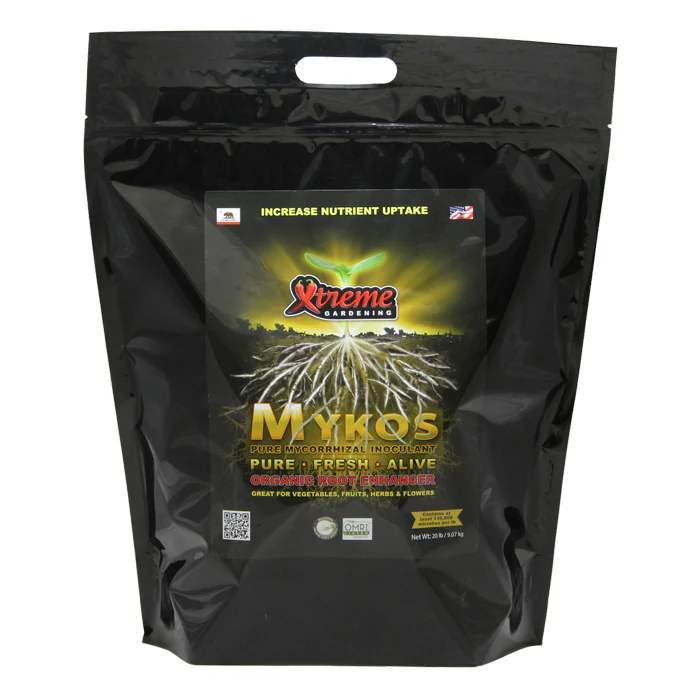
Switching to concentrated powders or bulk nutrient packages is a smart move. However, don't skimp on the biology. Even in a commercial hydro setup, beneficial microbes like Xtreme Gardening Mykos or BAM (Beneficial Ancient Microbes) are essential. They act as an insurance policy for your root zone, preventing pathogens like Pythium from taking hold when the summer heat kicks in.

6. Standard Operating Procedures (SOPs)
If you want to move from hobby to commercial, you have to stop "winging it." You need a notebook or a digital spreadsheet where every single action is documented.
- Feeding Schedule: Exactly what goes into the reservoir and when.
- Cleaning Schedule: How often are the lines flushed? When do the lights get wiped down?
- IPM (Integrated Pest Management): Don't wait for bugs. Have a preventative spray or beneficial insect release schedule.
- Harvest Workflow: Transitioning from growing to harvesting and extraction is where the real work begins. Plan your drying space as carefully as your growing space.
7. Financial Sustainability
The "Cost-Plus" pricing model is your best friend here. Calculate your:
- Electricity (Lighting + HVAC)
- Water & Nutrients
- Consumables (Rockwool, pots, etc.)
- Your Labor: This is the one most hobbyists forget. If it takes you 10 hours a week to manage the room, factor in what your time is worth.
If your total cost to produce an ounce is higher than the market rate, you don't have a business: you have an expensive hobby. Testing different price points and keeping a six-month cushion of expenses is the "boring" part of scaling that actually keeps the lights on.
Common Pitfalls to Avoid
Moving too fast is the number one killer of small commercial grows. Here are a few things to watch out for:
- Scaling Before Mastering: If you have spider mites in a tent, you’ll have a catastrophe in a room. Solve your problems while they are small.
- Ignoring Local Regulations: Depending on what you're growing, there may be specific permits or inspections required. Do your homework so you don't get shut down just as you're getting started.
- Inadequate Cooling: We’re heading into the hottest months of the year. If your AC can barely keep up now, it will fail in July. Over-spec your cooling by 20-30%.
Conclusion: Are You Ready?
Scaling up is a journey of 1,000 steps. It starts with a single reservoir upgrade or an automated irrigation kit. The goal is to create a system that works for you, rather than you working for the system.
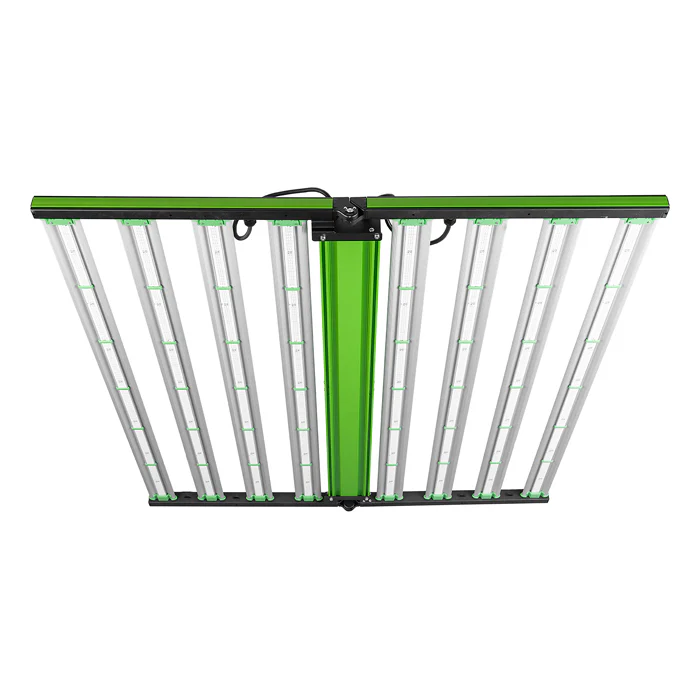
At Perfect Gardens, we’ve helped countless growers make the jump from "hobbyist" to "pro." Whether you need a technical deep dive into Kind LED lights or advice on building a custom vortex brewer for your facility, we’ve got the gear and the knowledge to get you there.
So, are we feeling like gardening gods today? Let’s get to work and build something big. 🌿✨



Leave a comment
This site is protected by hCaptcha and the hCaptcha Privacy Policy and Terms of Service apply.