

You have spent weeks researching the best nutrients for hydroponics, invested in high-end grow lights, and meticulously set up your grow tent. But suddenly, your plants start looking sickly. The leaves are turning yellow, the tips look burnt, and growth has ground to a halt. Your first instinct might be to add more fertilizer, thinking the plants are hungry.
Stop right there.
More often than not, the problem isn't a lack of food; it’s that your plants literally cannot eat what’s right in front of them. This frustrating phenomenon is called nutrient lockout. It is one of the most common pitfalls for indoor growers, yet it is almost entirely preventable with a solid understanding of pH balancing.
What is Nutrient Lockout?
Nutrient lockout occurs when a plant is unable to absorb the nutrients available in the growing medium. This happens when the chemical environment around the roots, specifically the pH level, becomes so unbalanced that minerals become "locked" in a state that the plant cannot process.
Think of it like a security gate. You can have all the food in the world on one side of the gate, but if the lock is jammed, your plants are going to starve. In many cases, lockout is caused by an accumulation of salts from synthetic fertilizers or, more commonly, a pH level that has drifted outside the optimal range. When the pH is off, chemical reactions occur in the substrate that cause nutrients to bind together or precipitate out of the solution, making them unavailable to the root system.
The Science of pH: The Gatekeeper of Your Garden
pH stands for "potential hydrogen," and it measures how acidic or alkaline a substance is on a scale of 0 to 14. In the world of gardening, pH is the single most important variable you can control.
Different nutrients become available or unavailable depending on the pH level of your water and substrate. For example, if your pH is too high (alkaline), iron and manganese become locked out. If it’s too low (acidic), phosphorus and magnesium uptake drops significantly.
For most indoor crops, especially in a hydroponic or coco coir setup, the "sweet spot" is generally between 5.8 and 6.2. If you are growing in soil, you have a bit more wiggle room, usually between 6.0 and 7.0, because soil acts as a natural buffer. However, once you drift below 5.5 or above 6.5 in a hydro system, you are cruising for a lockout.
Why Your "Best Nutrients" Aren't Working
A common misconception is that buying the most expensive, "best nutrients for hydroponics" will guarantee success. While quality minerals are essential, even the most premium formula is useless if your pH is ignored.
In fact, high-salt chemical fertilizers can actually contribute to the problem. As plants take up water and specific ions, they leave behind salt residues. Over time, these salts build up in the grow medium (like rockwool or coco), causing the pH to crash or spike. This is why many experienced growers are shifting toward organic-based nutrients or using microbial additives to help buffer these swings.
The Role of Water Quality
Before you even mix your nutrients, you need to look at your source water. Tap water is notoriously unpredictable. It often contains high levels of chlorine, chloramines, and dissolved minerals like calcium carbonate that can "fight" against your pH adjusters.
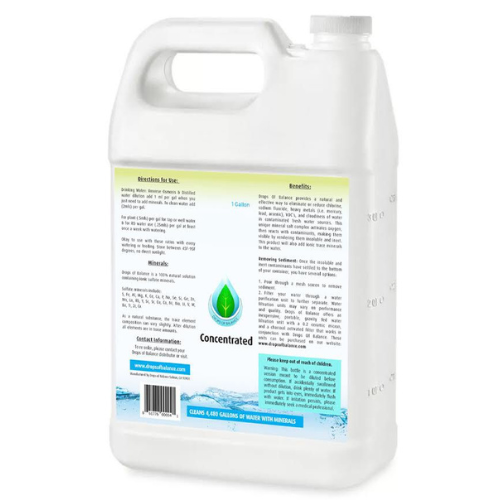
Many growers use Reverse Osmosis (RO) water to start with a blank slate. While RO water is clean, it’s also "hungry", it has no buffering capacity, meaning the pH can swing wildly with the slightest addition of nutrients. This is where a mineral stabilizer becomes vital. Using something like Drops of Balance helps to re-mineralize and purify the water, creating a stable foundation that resists rapid pH drifting. It ensures that when you set your pH to 6.0, it stays there longer.

Step-by-Step: Managing pH Like a Pro
Preventing nutrient lockout is much easier than fixing it. Here is a practical workflow to keep your garden on track:
- Mix Your Nutrients First: Always add your nutrients to the water before checking the pH. Most nutrient lines are acidic and will naturally lower the pH of your water.
- Calibrate Your Equipment: An uncalibrated pH pen is worse than no pH pen at all. Calibrate your meter at least once a month using standard buffering solutions.
- Check Your Runoff: Don’t just test the water you put in; test the water that comes out the bottom of your pots. If you put in 6.0 water and the runoff comes out at 5.0, you know there is a salt buildup or a pH issue inside the medium that needs addressing.
- Adjust Gradually: If you find your pH is off, don't try to swing it back 2 full points in one day. Rapid changes can shock the plant's root hairs. Use "pH Up" or "pH Down" sparingly.
- Monitor Weekly: At a minimum, check your reservoir or soil pH twice a week. Consistency is the key to preventing the "rollercoaster" effect that leads to lockout.
Microbes: Your Secret Weapon Against Lockout
One of the best ways to prevent nutrient lockout, and arguably more effective than just chasing numbers with chemicals, is the use of beneficial microbes. In nature, plants don't have a grower with a pH pen; they have bacteria and fungi.
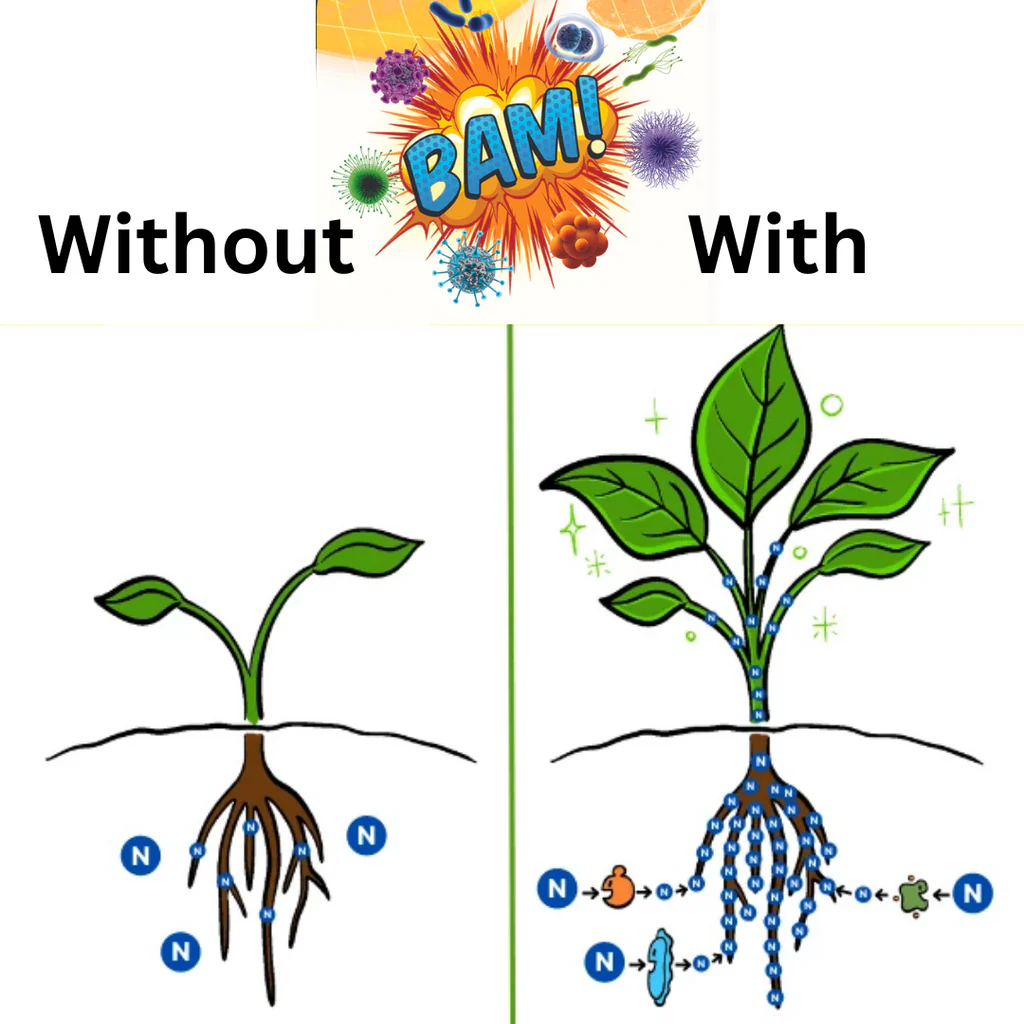
Microbial inoculants like BAM! (Beneficial Adaptive Microbes) work by colonizing the root zone. These microbes produce organic acids that naturally buffer the pH around the rhizosphere (the area immediately surrounding the roots). They also break down salt buildups and "chelate" minerals, making them easier for the plant to absorb even if the pH isn't 100% perfect.
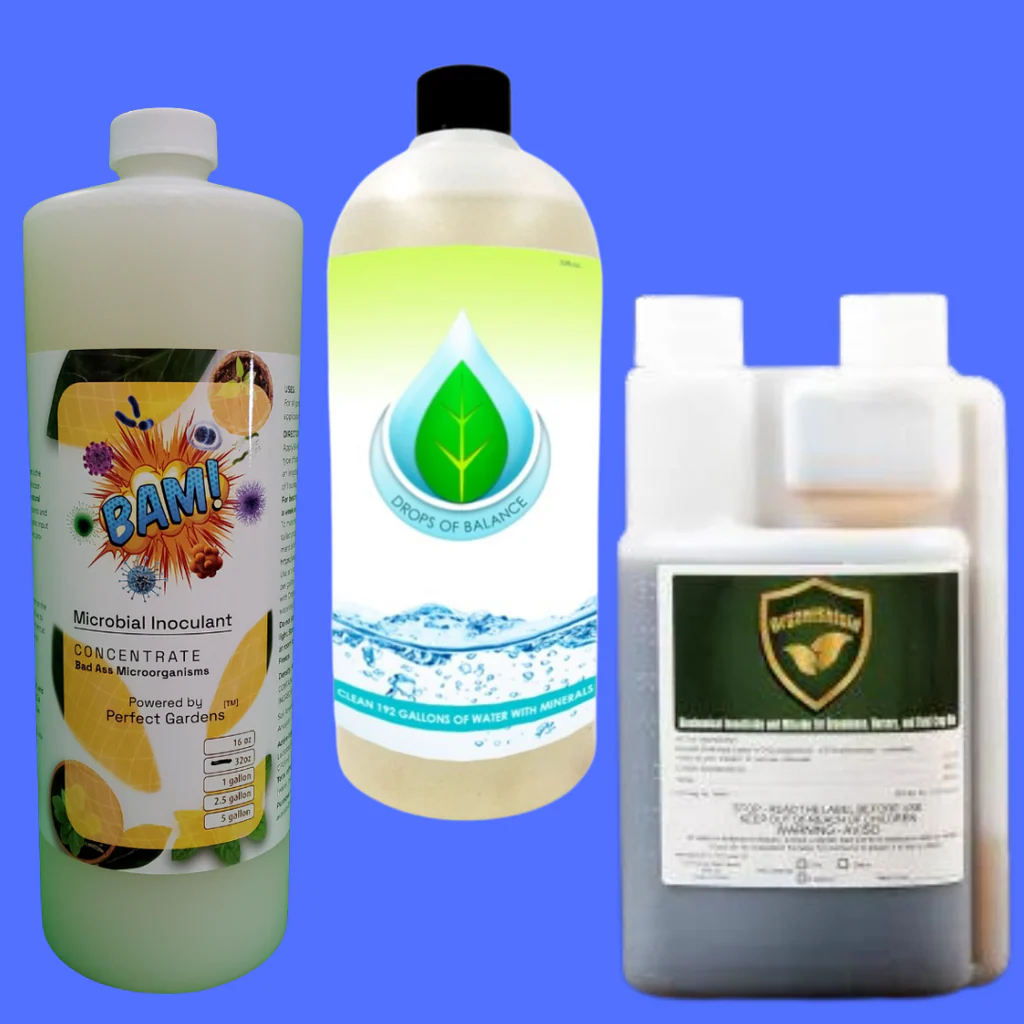
When you combine the best nutrients for hydroponics with a robust microbial colony, you create a fail-safe system. The microbes act as a middleman, processing the food and handing it to the plant in a bioavailable form.
Identifying the Warning Signs
How do you know if you're dealing with a lockout rather than a simple deficiency?
- The "Everything" Problem: If your plant looks like it has three different deficiencies at once (e.g., yellowing leaves, brown spots, and purple stems), it’s likely a lockout. It’s rare for a plant to run out of three different minerals simultaneously if you are feeding it regularly.
- Stunted Growth: If the plant stops drinking water and stops growing, the roots are likely struggling with a high salt concentration or extreme pH.
- The pH Test: If your input is correct but your runoff is wildly different, that is a definitive sign of lockout.
When to Flush: The Reset Button
If you’ve confirmed a nutrient lockout, the most effective solution is a "flush." This involves running a large volume of pH-balanced, low-strength nutrient water (or plain water with a mineral stabilizer) through the medium to wash out excess salts and reset the pH.
Caution: Do not flush with ice-cold water, as this can shock the roots. Always use room-temperature water.
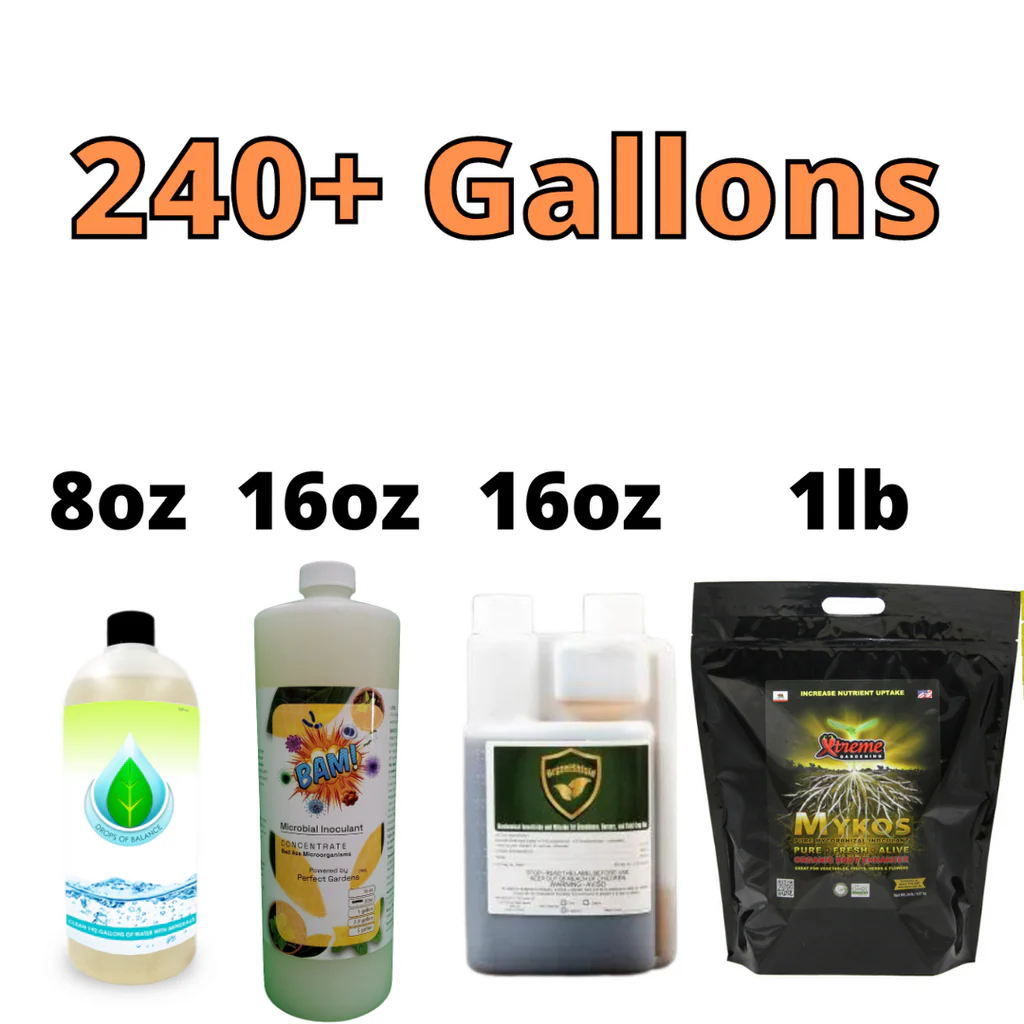
After a flush, your medium is like a blank sponge. This is the perfect time to re-introduce beneficial bacteria and a light dose of high-quality nutrients to help the plant recover. Using a comprehensive kit, such as the Nutrient and Microbial Inoculant Kit, can help simplify this recovery process by providing everything needed to re-establish a healthy root environment.
Final Thoughts for the Serious Grower
The fact of the matter is that growing great plants isn't about how much "stuff" you can pour into the pot; it’s about managing the environment so the plant can do its job. pH balancing might seem like a chore, but it is the foundation of a successful harvest.
If you're feeling overwhelmed, start simple. Get a reliable pH pen, use clean water, and lean on beneficial microbes to give you a safety net. If you want to see these concepts in action or need a visual guide on how to test your runoff, check out our Grow Help Videos for more deep dives into plant health.
By staying proactive and keeping that "security gate" open, you'll ensure your plants are always well-fed and ready to thrive. If you have questions about which setup is right for your space, feel free to reach out to us on our Contact Page or browse our full Collections to find the right tools for the job.



Leave a comment
This site is protected by hCaptcha and the hCaptcha Privacy Policy and Terms of Service apply.