

As the days get shorter and the temperature drops, outdoor gardening usually hits a wall. But for the indoor grower, winter is actually one of the best times to dial in a high-performance hydroponic system. You have total control over the environment, but that control comes with a catch: your plants are 100% dependent on you for their "food."
In a soil-based garden, the earth acts as a buffer. In hydroponics, there is no safety net. If your nutrient balance is off, your plants will tell you, usually through yellowing leaves or stunted growth, within hours. To hit those massive winter yields you’re looking for, you need to understand how nutrient uptake changes when the world outside is freezing.
The Building Blocks: N-P-K and Beyond
Every nutrient bottle you see on the shelf at Perfect Gardens has three main numbers on the front: Nitrogen (N), Phosphorus (P), and Potassium (K). These are the macronutrients.
- Nitrogen (N): This is the engine. It drives leafy green growth and chlorophyll production. In the vegetative stage, your plants are hungry for it.
- Phosphorus (P): Think of this as the foundation. It’s essential for root development and, later on, the production of large, heavy flowers or fruits.
- Potassium (K): This is the "immune system" booster. It helps with water movement within the plant and strengthens disease resistance, which is vital in winter when damp, cool air can invite mold.
However, a "base" nutrient isn't enough. For a truly professional yield, you need the "hidden" twelve elements, including Calcium, Magnesium, and Sulfur, along with trace micronutrients like Iron, Copper, and Zinc. These act as catalysts for photosynthesis, which is especially important during winter months when natural light is scarce and your LED lights are doing all the heavy lifting.
Winter Environment: The pH and EC Connection
When the ambient temperature in your grow room fluctuates, it directly affects the temperature of your water reservoir. This is where most winter grows go wrong.
If your water gets too cold (below 60°F), your plants' metabolism slows down. They "stop eating," even if the nutrients are right there in the water. Conversely, if the room is dry because of your home heater, plants will transpire (sweat) faster, drinking more water and leaving behind a higher concentration of salts. This causes your Electrical Conductivity (EC) to spike, which can lead to nutrient burn.
The Golden Rules for Winter Hydroponic Parameters:
- pH Levels: Keep your solution between 5.5 and 6.5. If it drifts outside this range, the "chemical gates" close, and your plants can't absorb specific minerals, regardless of how much you put in the tank.
- EC Levels: Aim for 1.2–1.8 ms/cm (or 600–900 PPM on the 500 scale). In the winter, it’s often safer to run a slightly leaner nutrient mix to account for faster evaporation.
- Water Temperature: Aim for a steady 65°F–68°F. This is the "Goldilocks" zone where oxygen levels are high and root uptake is at its peak.
Choosing Your Nutrient Strategy: 2-Part vs. 3-Part Systems
Deciding which nutrient package to use depends on how much you like to "tinker" with your plants.
- 3-Part Systems (like Flora Series): These give you the ultimate control. You have a "Grow," "Bloom," and "Micro" bottle. You adjust the ratios as the plant moves from a seedling to a flowering monster. It's the standard for growers who want to maximize every gram of yield.
- 2-Part Systems (Base A & B): This is the sweet spot for most home gardeners. You mix equal parts of A and B throughout the entire lifecycle. It's harder to mess up and still delivers professional-grade results.
- Concentrated Minerals: If you are running a massive setup, using a mineral concentrate is the most cost-effective way to treat thousands of gallons of water.
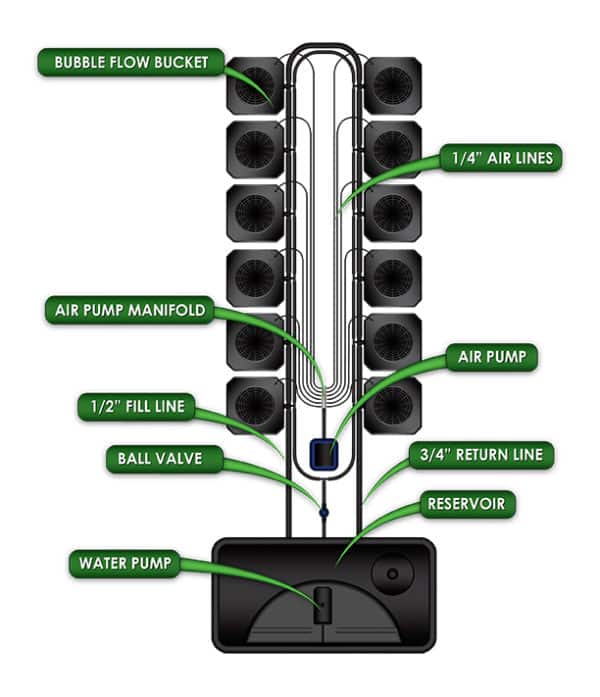
 Caption: A visual guide to NPK ratios and winter light cycles to help you visualize the balance needed for indoor success.
The Secret Weapon: Microbes and Root Health
Most beginners think hydroponics is "sterile." That’s a mistake. In the winter, your roots are more susceptible to rot if the water isn't moving correctly or if the temperature swings. Adding beneficial microbes is like giving your plants a bodyguard.
Using a product like BAM! Microbial Inoculant or Xtreme Gardening Mykos creates a symbiotic relationship. These microbes attach to the roots and break down nutrients into a form that the plant can "inhale" much easier. They also extend the surface area of the roots, allowing the plant to drink more efficiently even when the environment isn't perfect.
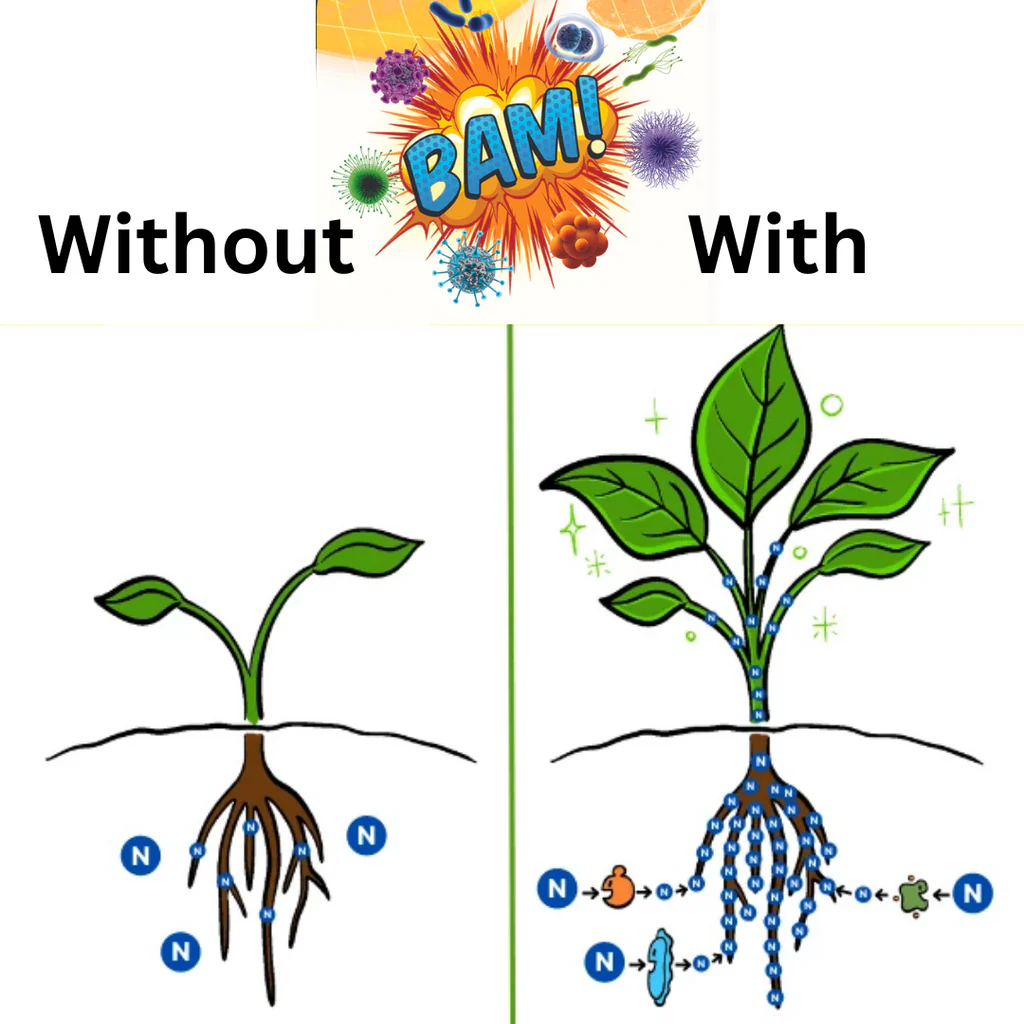
The difference in the image above is clear: on the left, you see a plant struggling to find its footing in a basic mineral solution. On the right, a plant treated with microbial inoculants shows an explosive root system. Bigger roots always equal bigger fruits.
Winter Nutrient Checklist
To make sure you’re set up for success this October and through the coming months, here is a quick checklist of what you should have in your grow essential kit:
- A Reliable Base Nutrient: Whether it's NPK Industries or a standard 2-part mix.
- Cal-Mag Supplement: Indoor lights, especially high-intensity LEDs, cause plants to go through Calcium and Magnesium much faster.
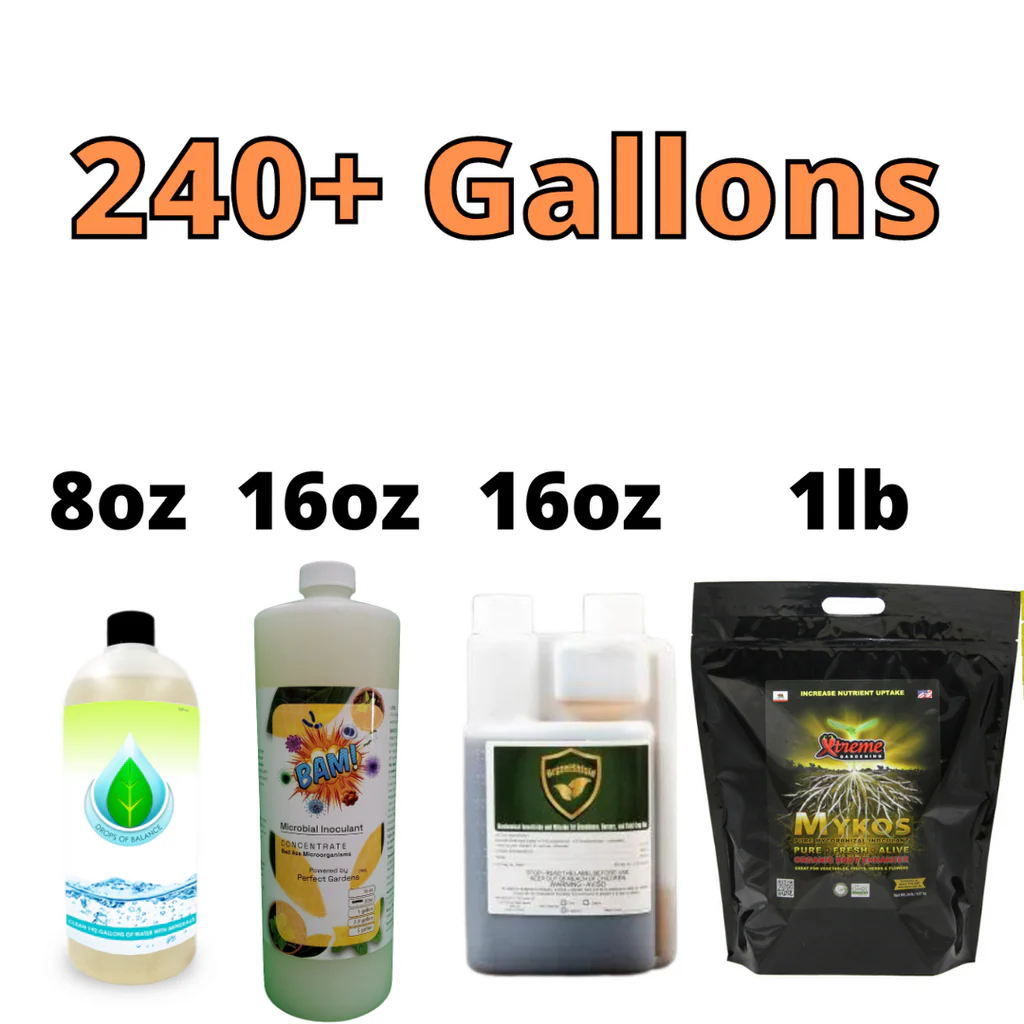
- Water Conditioner: If you're using tap water, use something like Drops of Balance to neutralize heavy metals and chlorine that can kill your beneficial microbes.
- A Clean Reservoir: Winter is the time to be diligent. Every time you change your nutrients, scrub the reservoir to prevent salt buildup.
Troubleshooting Common Winter Nutrient Issues
Even with the best nutrients, you might run into some "hiccups." Here’s how to spot them:
- Tip Burn: If the very tips of your leaves are turning brown/crispy, your EC is too high. Dilute your reservoir with a bit of fresh water.
- Interveinal Chlorosis (Yellowing between veins): This is usually a Magnesium deficiency. Check your pH first: if the pH is too low, the plant can't take in Magnesium even if it’s there.
- Slow Growth: Check your water temp. If the water is below 60°F, the plant is essentially "hibernating." You might need a small submersible water heater.
The Verdict
Maximizing your winter yield isn't about dumping more fertilizer into the tank. It’s about balance. By combining a high-quality nutrient system with beneficial microbes and keeping a close eye on your water temperature and pH, you can actually produce higher quality harvests in the winter than you can in the summer.
Without the extreme heat of July to deal with, your indoor garden becomes a laboratory for flavor and potency. Just remember: feed the roots, monitor the water, and let your lights do the rest.
If you're ready to upgrade your winter setup, check out our full range of nutrient packages designed to take the guesswork out of the process. Happy growing!


Leave a comment
This site is protected by hCaptcha and the hCaptcha Privacy Policy and Terms of Service apply.