
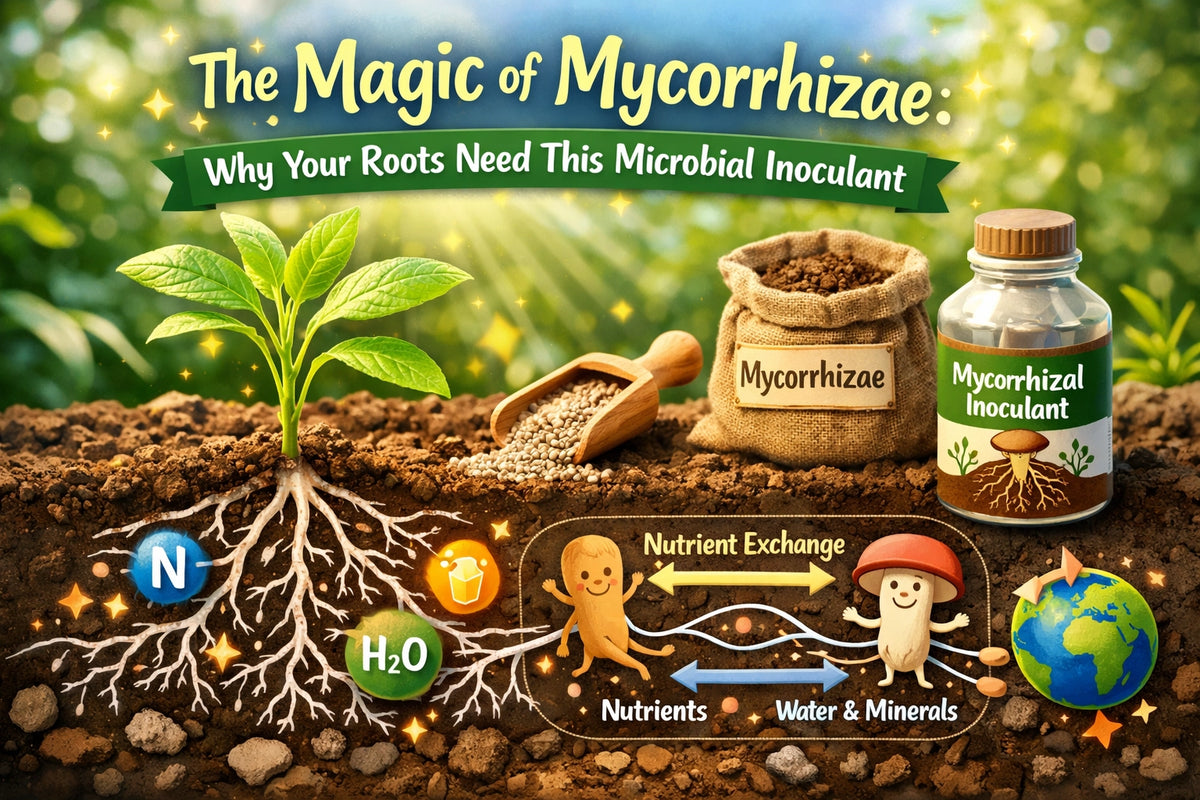
If you’ve been hanging around the gardening or hydroponics world for more than five minutes, you’ve probably heard people geek out over soil biology. Specifically, the word mycorrhizae gets thrown around like it’s some kind of magic pixie dust for plants.
The truth? It kind of is. But it’s not magic, it’s biology.
As growers, we often focus so much on what we’re putting into the reservoir or onto the soil (the N-P-K, the boosters, the pH adjusters) that we forget about the engine that actually drives the plant: the root system. Using mycorrhizae for plants is like upgrading that engine from a lawnmower motor to a turbocharged V8.
In this guide, we’re going to break down why this specific microbial inoculant is a complete game-changer for your garden, how it works its magic, and how you can use it to get the biggest, healthiest yields of your life.
What Exactly is Mycorrhizae?
The word "mycorrhizae" (pronounced my-cor-rye-zee) literally translates to "fungus-root." It describes a symbiotic relationship between specialized fungi and a plant's root system.
Think of it as a business deal. The plant is a master of photosynthesis; it turns sunlight into sugars (carbohydrates). However, plants aren't always great at mining the soil for deep-seated nutrients or water. The fungi, on the other hand, are world-class scavengers but can’t produce their own food.
So, they make a trade. The plant gives the fungi some of its sugar, and in exchange, the fungi act as a massive extension of the plant's roots, bringing back water and minerals the plant could never reach on its own.
How It Works: The "Wood Wide Web"
When you apply a mycorrhizal microbial inoculant to your grow, the fungal spores germinate and send out microscopic filaments called hyphae. These hyphae are much, much thinner than even the smallest root hair. This allows them to wiggle into tiny microscopic pores in the soil or grow media that roots are simply too fat to enter.
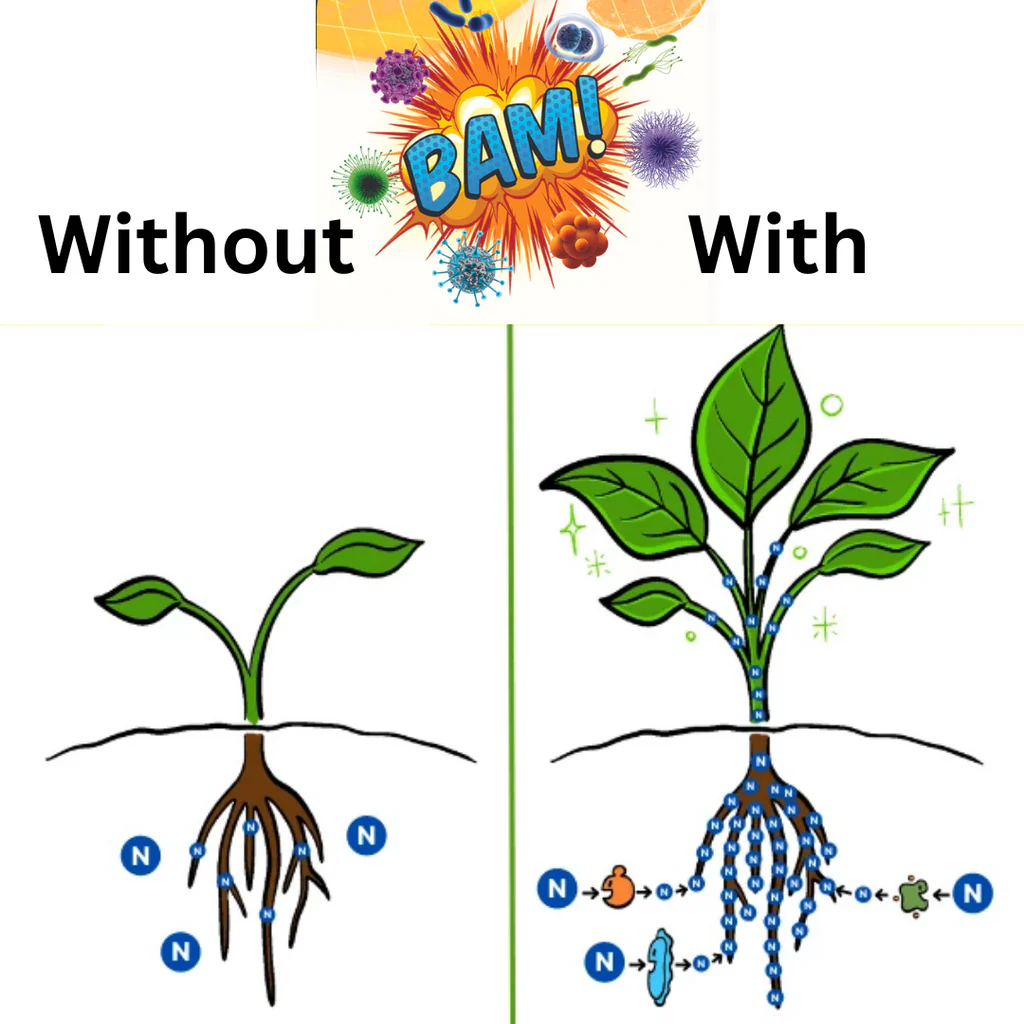
Research shows that mycorrhizal fungi can increase the absorptive surface area of a root system by up to 700 times. Imagine your plant's roots are like straws. Without mycorrhizae, you have maybe three or four straws in a glass of water. With mycorrhizae, you have a million tiny straws reaching into every corner of the glass, and the table next to it.
The Top Benefits of Mycorrhizae for Plants
Why should you bother adding these fungi to your grow essentials? Let’s look at the hard facts.
1. Massive Nutrient Uptake (Especially Phosphorus)
Phosphorus is notoriously difficult for plants to grab. It doesn't move easily through the soil and often gets "locked up" in forms the plant can't use. Mycorrhizae produce specific enzymes that dissolve these locked-up minerals, making them bioavailable. This leads to better flowering, stronger stems, and more vigorous growth.
2. Drought Resistance and Water Efficiency
Because the hyphae extend so far into the medium, they can find pockets of moisture that the plant would normally miss. This makes your garden much more resilient to heat waves or that one time you forgot to top off the reservoir.
3. Protection Against Pathogens
The "bad guys" in the soil, like Pythium (root rot) or harmful nematodes, want to eat your roots. When you use a high-quality microbial inoculant, the beneficial fungi create a physical and chemical barrier around the roots. It’s like having a security team standing outside the door; the pathogens simply can’t get in.
4. Better Soil Structure
Mycorrhizae produce a sticky substance called glomalin. This "soil glue" helps bind particles together, creating better aeration and drainage. Even if you’re growing in coco or rockwool, the biological activity helps keep the environment stable and healthy.
Which Mycorrhizae Should You Use?
Not all microbial products are created equal. In the world of mycorrhizae for plants, there are two main types: Endomycorrhizae and Ectomycorrhizae.
- Endo: These penetrate the root cells. These are what 90% of garden plants (vegetables, fruits, herbs) need.
- Ecto: These stay on the outside of the roots. These are mostly for trees (pines, oaks).
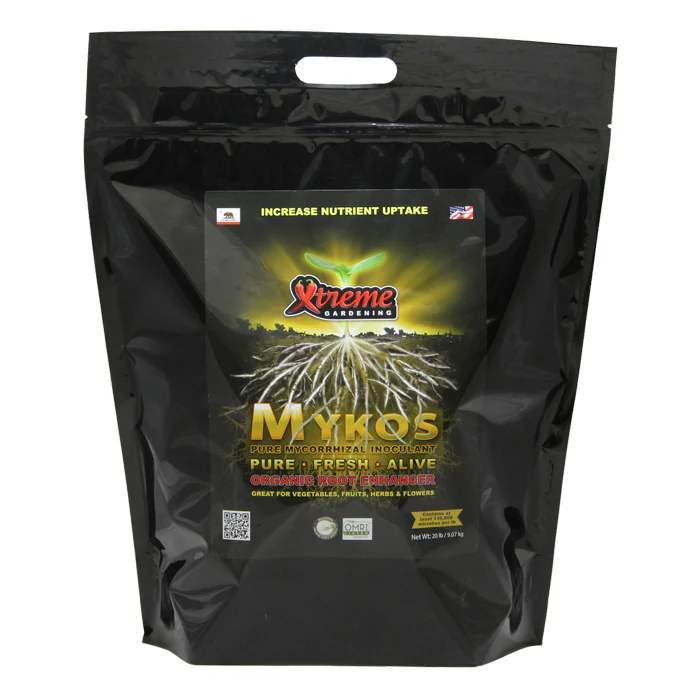
If you’re growing indoor crops, you want Endo. This is where products like Xtreme Gardening Mykos come in. It’s a pure, concentrated strain of Rhizophagus aggregatus (formerly Glomus intraradices), which is the most aggressive and beneficial strain for the types of plants we grow at Perfect Gardens.
Beyond Fungi: The Power of a Complete Microbial Inoculant
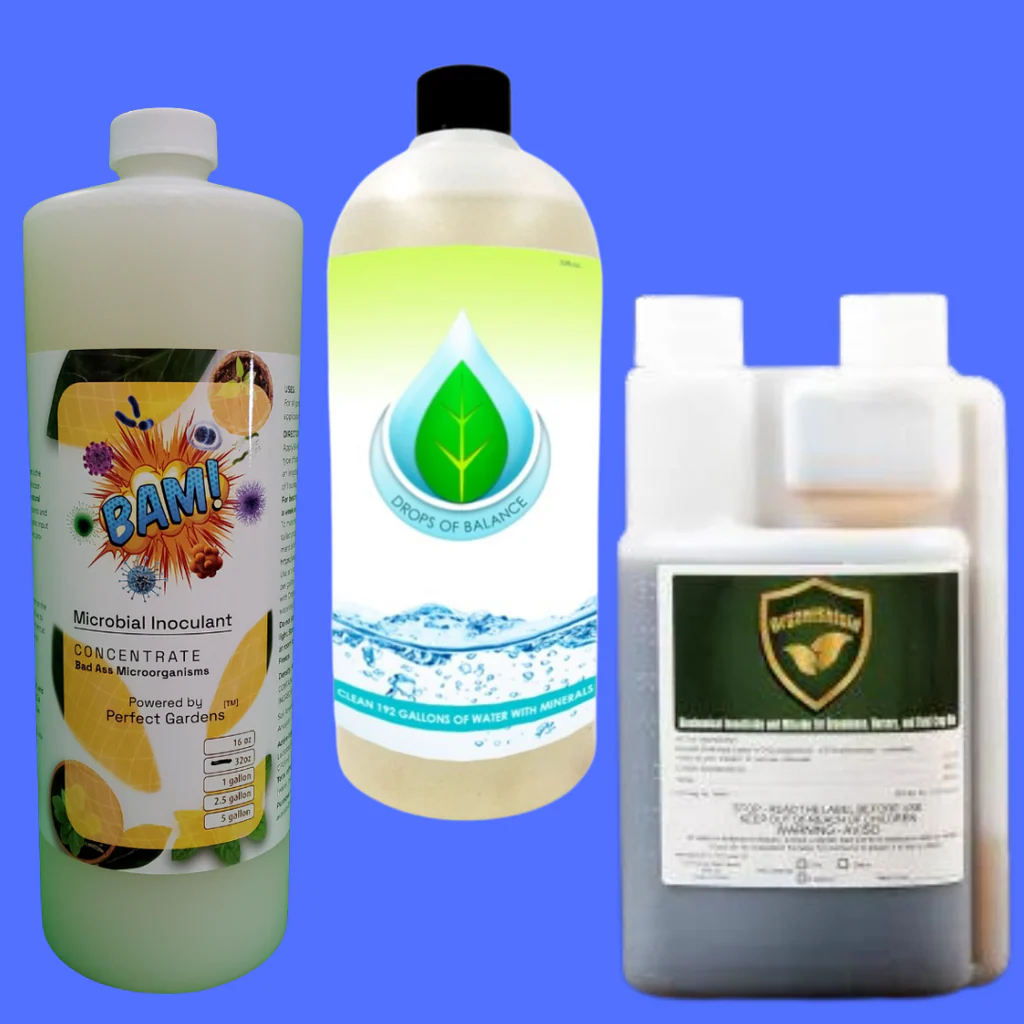
While mycorrhizae are the "builders," you also need the "maintenance crew." This is where a broader microbial inoculant like BAM! (Beneficial Adaptive Microbes) becomes essential.
While mycorrhizae focus on the root structure, BAM! introduces a diverse community of beneficial bacteria and microorganisms that process organic matter, fix nitrogen, and keep the root zone clean. When you combine the structural boost of Mykos with the biological diversity of BAM!, you’re creating a "Living Soil" environment, even in a hydroponic setup.
How to Apply Mycorrhizae for Maximum Results
The most important thing to remember is that mycorrhizae must make direct contact with the roots. If you just sprinkle it on top of the soil, the UV light will kill the spores before they ever reach their destination.
At Seedling or Cloning Stage
The best time to inoculate is right at the start. When you're using biodegradable seed starting plugs, you can dust the hole with mycorrhizae before dropping in the seed or cutting.
During Transplanting
This is the "Golden Opportunity." When you move a plant from a small pot to a larger one, dust the root ball and the transplant hole liberally. This ensures that as the roots grow into their new home, they are immediately greeted by their fungal partners. This drastically reduces transplant shock and helps the plant "take" to the new medium almost instantly.
In Hydroponics
Yes, you can use mycorrhizae in hydro! However, you need to be careful with your controllers and filtration. It is often better to apply the inoculant directly to the roots during a reservoir change or via a "root dip" rather than just dumping it into a large tank where it might get caught in a filter.
Feeding Your Microbes: The "Sugar" Secret
Remember how we said the plant trades sugar for nutrients? You can help this process along by providing a supplemental carbon source. This "feeds" the microbes, allowing them to colony faster and work harder.
RAW Cane Molasses is a fantastic tool for this. It’s a highly soluble source of carbon and potassium that acts like an energy drink for your mycorrhizae and beneficial bacteria. Adding a small amount to your nutrients regimen keeps the biological activity at a fever pitch.

Common Pitfalls and Cautions
While mycorrhizae are incredibly beneficial, there are a few things that can kill them or make them stop working:
- High Phosphorus Fertilizers: If you overfeed with synthetic phosphorus (the "P" in NPK), the plant gets "lazy." It decides it doesn't need the fungi anymore and stops sending them sugars. This can cause the fungal colony to die off. Keep your P levels reasonable and let the biology do the heavy lifting.
- Chlorine and Chloramine: Most tap water contains these to kill bacteria. Unfortunately, they don't distinguish between "bad" bacteria and your expensive "good" microbes. Always use a filter or let your water sit out to de-gas before adding your inoculants.
- Fungicides: This should be obvious, but don't use a soil-drench fungicide if you’re trying to grow beneficial fungi! If you have a root rot issue, reach for biological solutions like BAM! instead of harsh chemicals.
Final Thoughts: Is It Worth It?
The fact of the matter is, that in nature, plants don't grow in sterile environments. They evolved over millions of years to work in tandem with the "Wood Wide Web." When we grow indoors in tents or sterile hydro setups, we’re essentially putting the plant in a sensory deprivation tank.
By adding mycorrhizae for plants and a high-quality microbial inoculant, you are restoring that natural balance. You’ll see faster growth, better resistance to stress, and a final product that has more complex flavors and aromas.
If you're looking to simplify your approach while increasing your quality, stop focusing only on the bottle and start focusing on the biology. Your roots will thank you. 🤘🌱



Leave a comment
This site is protected by hCaptcha and the hCaptcha Privacy Policy and Terms of Service apply.