
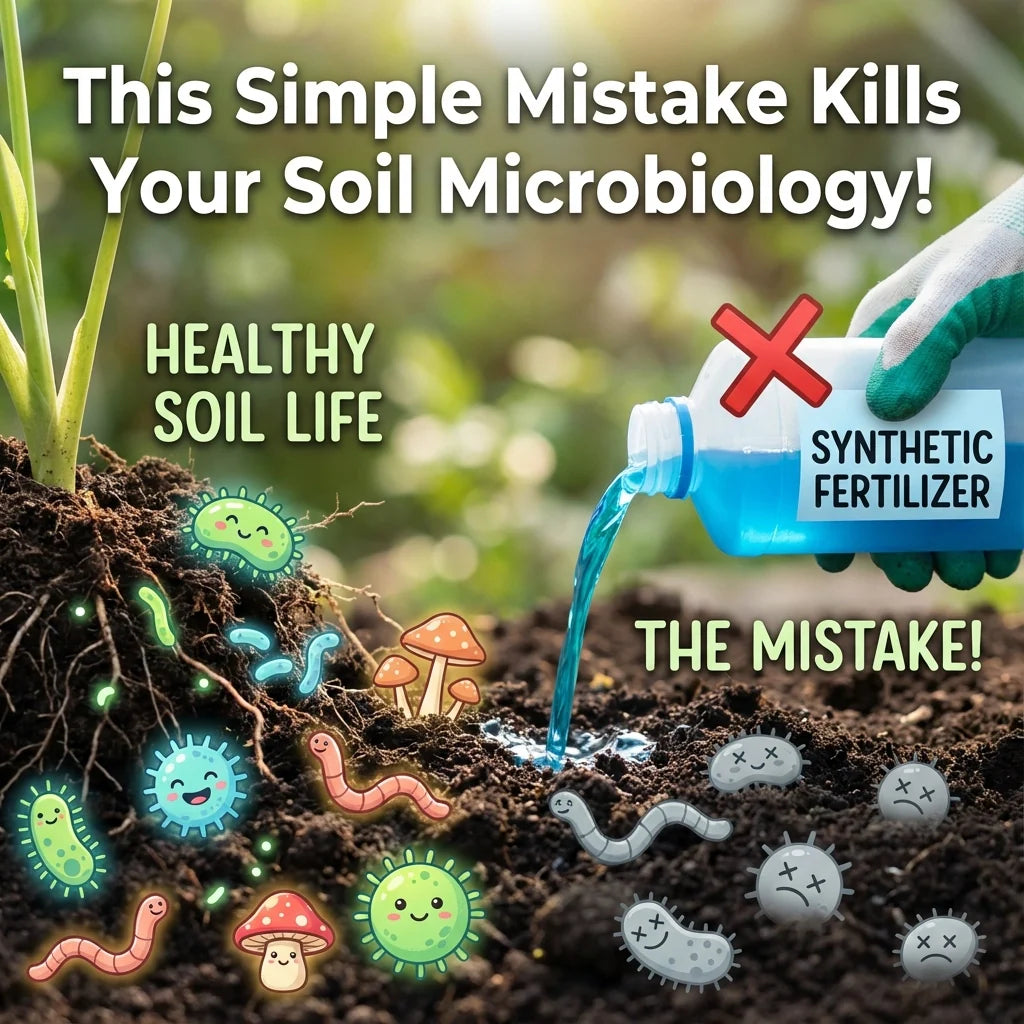
Every day, countless growers unknowingly sabotage their soil biology with one simple misunderstanding. They measure their soil's electrical conductivity (EC), see high numbers, panic, and start flushing their plants or reducing nutrients. This single mistake can send your beneficial microbes into dormancy and destroy months of careful soil building.
The confusion stems from not understanding that input EC and soil EC are completely different measurements that serve entirely different purposes. When you confuse these two, you end up fighting against your soil biology instead of supporting it.
The Critical Difference: Input EC vs. Soil EC
Here's what most growers get wrong: they treat input EC and soil EC as the same thing. Input EC measures the electrical conductivity of the water and nutrients you feed your plants. This should stay around 700-900 parts per million (PPM) to keep soil biology active.
Soil EC, however, measures the electrical activity happening inside your soil - and this can be dramatically different. In healthy, biologically active soil, you might see EC readings of 3, 4, or even as high as 9, and that's perfectly normal. I've personally seen plants absolutely flourishing with soil EC readings that would terrify most growers.
Why High Input EC Kills Your Microbes
Soil biology begins to go dormant around 800-900 PPM of input EC. Think of this like static electricity. When you first put your hand in your hair and start rubbing, there's not much static buildup - you won't get shocked walking around. But if you keep rubbing for a few minutes and then touch your friend, you'll both get zapped.
That initial electrical charge from your nutrient inputs works the same way. The electrical conductivity tells bacteria whether to be active or dormant. When your input PPM exceeds that 800-900 threshold, it's essentially telling your soil biology: "There's already enough electrical activity here, you can go to sleep."
This is why measuring your inputs with a TDS (Total Dissolved Solids) meter is crucial. You need to know the electrical conductivity of what you're putting into your soil before it interacts with your existing biology.
How Healthy Soil Creates Its Own EC
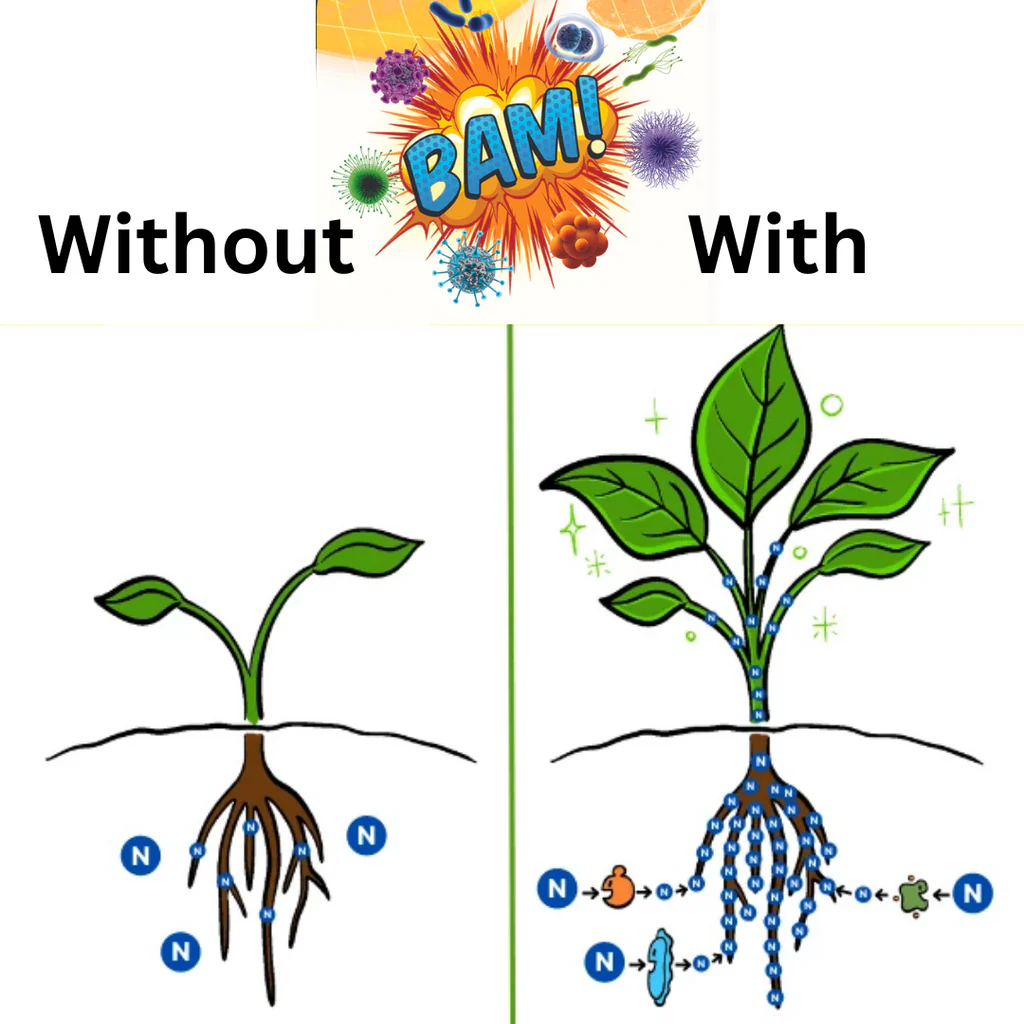
When your soil biology is thriving, those beneficial bacteria are constantly moving around, doing their jobs, and producing electricity as a byproduct of their metabolic processes. This is why you can see such high EC readings in healthy soil - it's not salt buildup, it's biological activity.
The bacteria in your soil are:
- Breaking down organic matter
- Converting nutrients into plant-available forms
- Creating symbiotic relationships with root systems
- Producing enzymes and beneficial compounds
- Communicating through chemical and electrical signals
All of this biological activity generates electrical conductivity. The higher your soil biology activity, the higher your soil EC readings will naturally become.
The Flushing Trap That Kills Biology
Here's where most growers make their fatal mistake: they see high soil EC readings and immediately think "salt buildup" or "nutrient lockout." Their solution? Flush the soil with pure water or very low EC solutions.
This is exactly backwards. When you flush soil, you're not fixing salt buildup - you're washing away the beneficial bacteria that took weeks or months to establish. You're essentially hitting the reset button on your entire soil ecosystem.
Instead of flushing, you need to understand that you regulate soil EC through your input EC, not by directly manipulating the soil. If your soil EC seems too high, the solution is to lower your input PPM, not to flush the medium.
The Static Electricity Connection
The static electricity analogy helps explain why input timing matters. Just like static electricity builds up over time with repeated friction, electrical conductivity in soil builds up based on your consistent inputs.
When you feed your plants with 700 PPM inputs, you're providing just enough electrical charge to keep biology active without overwhelming them. It's like providing the perfect amount of energy to keep your microscopic workforce productive.
But when you spike that input to 1,200 or 1,500 PPM, you're essentially creating an electrical storm in your soil. The bacteria sense this overwhelming charge and shut down their operations until conditions normalize.

Proper Monitoring Techniques
To avoid killing your soil biology, you need to monitor both metrics correctly:
For Input Monitoring:
- Use a TDS meter to measure your nutrient solution
- Keep inputs between 600-800 PPM for most situations
- Never exceed 900 PPM unless you're in pure hydro
- Measure before adding to your soil, not after
For Soil Monitoring:
- Understand that high soil EC often indicates healthy biology
- Don't panic at readings of 3-6 EC in established soil
- Look for plant health signs, not just numbers
- Test soil EC to understand biology activity, not to "fix" it
Building and Maintaining Soil Biology
The key to thriving soil biology lies in creating the right environment and then not interfering with beneficial processes. Focus on these fundamentals:
Consistent, Moderate Inputs: Maintain steady input PPM levels rather than dramatic swings. Your soil biology thrives on predictability.
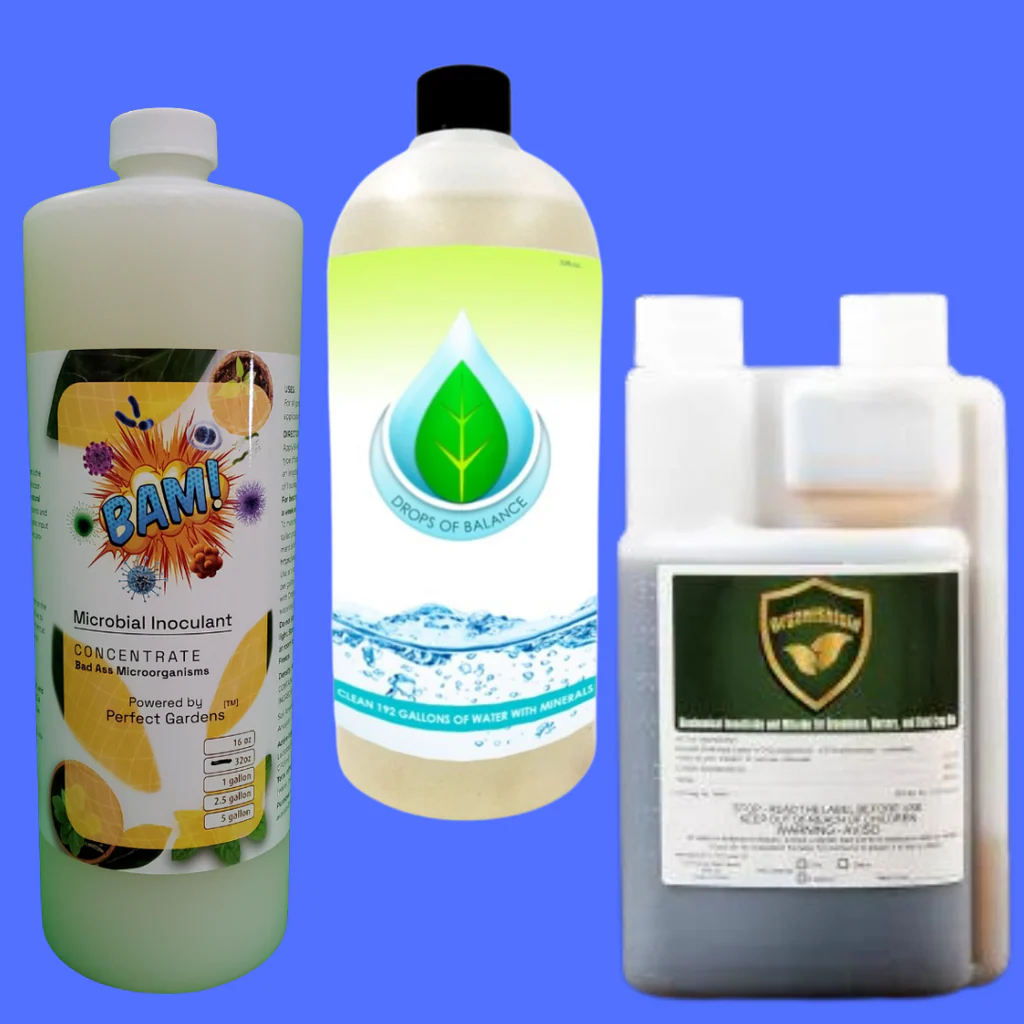
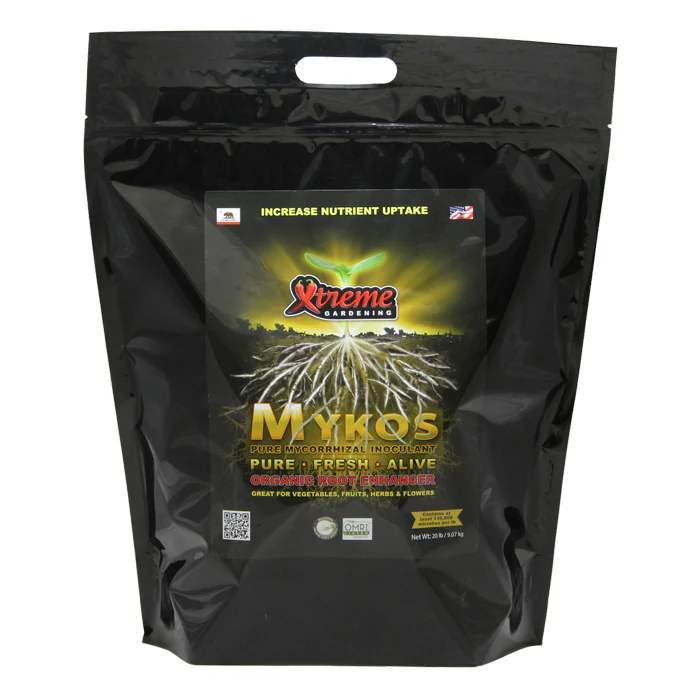
Beneficial Inoculants: Introduce diverse microbial life through quality products like mycorrhizae and bacterial blends. These establish the foundation for long-term biological activity.
Carbon Sources: Provide organic matter and carbon-rich amendments that feed your soil biology. Bacteria need food sources beyond just NPK.
pH Stability: Maintain proper pH ranges that support both plant nutrition and microbial life. Most beneficial bacteria prefer slightly acidic to neutral conditions.
Practical Steps for Recovery
If you've been flushing your soil or chasing low EC numbers, here's how to recover:
- Stop flushing immediately - Allow your soil biology time to reestablish
- Reduce input PPM to 600-700 range for 2-3 weeks
- Reintroduce beneficial microbes through quality inoculants
- Add organic matter to provide food sources for recovering biology
- Monitor plant health rather than obsessing over soil EC numbers
The recovery process typically takes 2-4 weeks, depending on how severely the biology was disrupted. Be patient - rebuilding soil ecosystems takes time.
The Bottom Line on Soil Biology
Your soil is a living ecosystem, not a sterile growing medium. The electrical activity you measure in healthy soil represents life, productivity, and nutrient cycling - not problems that need fixing.
The simple mistake that kills soil microbiology is treating soil EC like a problem to solve rather than a sign of biological health. When you understand that input EC and soil EC serve different purposes, you can work with your soil biology instead of against it.
Stop flushing. Stop chasing low soil EC numbers. Instead, focus on providing consistent, moderate inputs while supporting the beneficial microbes that make your soil truly productive. Your plants - and your yields - will thank you for it.
Remember: regulate through inputs, don't chase soil numbers. This single mindset shift can transform your growing results and save countless hours of unnecessary work fighting against natural biological processes.


Leave a comment
This site is protected by hCaptcha and the hCaptcha Privacy Policy and Terms of Service apply.