
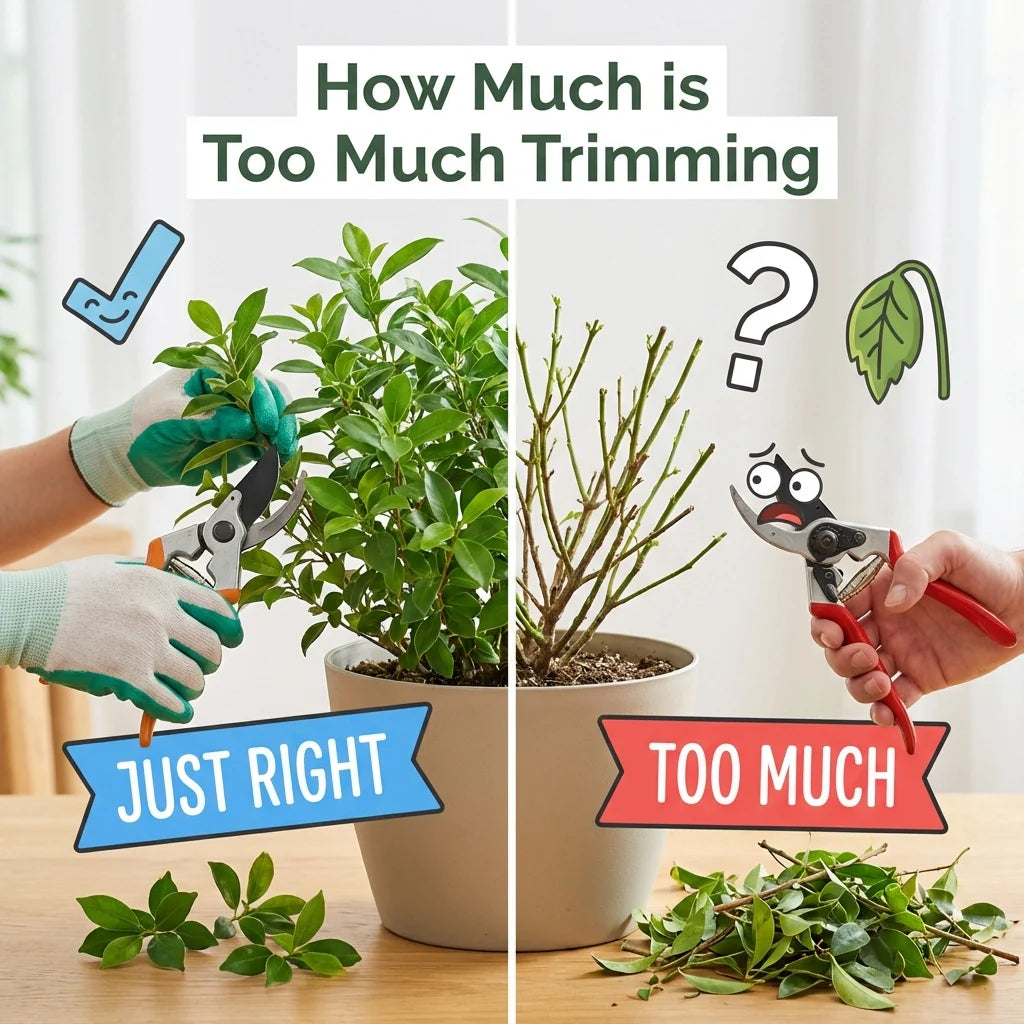
Let's be honest: trimming is one of those topics where everyone has an opinion. But here's the thing: most growers are spending way too much time with scissors in their hands when they could be doing more productive things. Or worse, they're actually hurting their plants by over-trimming.
After years of running operations from small personal grows to large commercial setups, I've learned that the key question isn't "how much should I trim?" It's "how little can I get away with while still producing healthy, high-quality plants?"
The Real Cost of Over-Trimming
Time is your most valuable resource as a grower. Whether you're a weekend hobbyist or running a commercial operation, every hour you spend unnecessarily trimming is an hour you're not spending on more important tasks like monitoring nutrients, checking environmental conditions, or simply living your life.
Here's what most people don't realize: every time you remove foliage, you're forcing the plant to redirect energy from growth and flower production to creating new "solar panels." Those leaves aren't just sitting there looking pretty: they're actively feeding your plant.
The bigger your operation gets, the more this becomes a critical business decision. When you're paying employees to trim, every unnecessary cut is literally costing you money. And if you're doing it yourself, it's costing you time with friends and family.
Scale Changes Everything
Small-Scale Growing (1-20 Plants)
For boutique growers, you have the luxury of flexibility. You can walk through your grow space daily, observe individual plants, and make surgical decisions about what really needs to be removed.
Focus on these priorities:
- Remove any foliage touching the soil (prevents mold and improves airflow)
- Take out obviously diseased or damaged leaves
- Clear pathways for good air circulation
That's it. Don't get scissor-happy just because you have the time.
Commercial Operations (20+ Plants)
When you're running a larger operation, systematic approaches beat individual plant attention every time. You need protocols that employees can follow without requiring a PhD in plant biology.

The smart approach for commercial grows:
- Train employees to identify and remove only soil-touching vegetation
- Focus on maintaining clear walkways and airflow channels
- Develop standard operating procedures that prioritize speed and consistency
- Remember that good environmental controls often eliminate the need for excessive trimming
Outdoor Growing: Less is More
For outdoor crops, Mother Nature is your best friend. Plants evolved to handle their own leaf management pretty well without human intervention.
What you should remove:
- Vegetation touching soil (prevents mold and pest issues)
- Leaves showing signs of disease or rot (brown, furry, or slimy spots)
- Major branches blocking airflow in dense canopies
What you should leave alone:
- Yellowing leaves (let the plant cannibalize them naturally)
- Lower branches with small buds (they'll contribute to overall plant health)
- Fan leaves that aren't causing problems
The key is patient observation. A yellowing leaf will shrivel up and fall off on its own: no need to play plant barber every day.

Indoor Growing: Apply the Same Logic
Indoor growing doesn't change the fundamental principles, but it does give you more control over environmental factors. This means you can often avoid trimming problems by addressing root causes instead.
Instead of constantly trimming to manage humidity, invest in proper ventilation. Rather than cutting lower branches because they're not getting light, optimize your lighting setup or plant spacing.
Environmental solutions beat trimming solutions:
- Proper airflow reduces mold risk better than aggressive defoliation
- Appropriate plant spacing eliminates most light penetration issues
- Good humidity control prevents most leaf problems that trigger excessive trimming
Training Techniques: When Trimming Makes Sense
If you're using training techniques like trellis nets, LST, or SCROG, strategic trimming becomes part of your canopy management system. But even here, timing and restraint are crucial.
The systematic approach:
- Let plants reach your first trellis level (usually 8-12 inches)
- Remove everything below that level in one session
- Train remaining branches horizontally through the net
- Focus on manipulating growth rather than removing it
- Only trim what actively interferes with your training goals
This approach gives you the canopy control you want while minimizing stress on the plant. You're not constantly shocking the plant with daily trimming sessions.

When Trimming is Actually Necessary
Don't mistake minimal trimming for no trimming. There are definitely situations where you need to get out the scissors:
Remove immediately:
- Any leaf or branch showing signs of mold, rot, or disease
- Vegetation creating stagnant air pockets in your canopy
- Branches or leaves touching grow medium (soil, coco, etc.)
- Dead or severely damaged plant material
Consider removing:
- Lower branches that will never receive adequate light
- Fan leaves blocking multiple bud sites in dense canopies
- Growth that interferes with your training or support system
Never remove:
- Healthy fan leaves "just because"
- Yellowing leaves that are naturally senescing
- Lower growth just to "focus energy" (this is mostly myth)
The Psychology of Over-Trimming
Many growers trim too much because it makes them feel like they're "doing something" productive. It's visible, immediate work that feels important. But often, the best thing you can do for your plants is leave them alone.
This is especially true for new growers who are anxious about their plants. Resist the urge to constantly fidget with your crop. Plants grow better with consistent, stable conditions: not daily interventions.
Efficiency-Based Decision Making
Before you make any cut, ask yourself these questions:
- What problem am I solving? If you can't identify a specific issue, put the scissors down.
- Is there an environmental solution? Often, better airflow or lighting eliminates trimming needs.
- What's the time cost? If you're spending more time trimming than monitoring, you're doing it wrong.
- Will this actually improve yield or quality? Many trimming decisions are based on aesthetics, not plant health.

The Bottom Line
Whether you're growing for personal use or running a commercial operation, your goal should be producing the highest quality product with the least amount of unnecessary intervention. Over-trimming doesn't just waste time: it can actually reduce yields and plant health.
Focus on creating optimal growing conditions through proper environmental controls, good genetics, and consistent care routines. When you get these fundamentals right, the need for excessive trimming largely disappears.
Remember, every successful growing operation is built on efficiency and systematic thinking, not busy work. Your plants will thank you for treating them like the resilient organisms they are, and you'll thank yourself for getting your life back from the grow room.
The most successful growers I know spend less time with scissors and more time observing, learning, and optimizing their systems. That's the path to both better crops and a better quality of life.
For more growing tips and techniques that actually work, check out our grow help videos where we break down practical approaches to common growing challenges.


Leave a comment
This site is protected by hCaptcha and the hCaptcha Privacy Policy and Terms of Service apply.