
Blog
K & P Excess and Deficiency Together! Here are the Symptoms and Solutions!
Ever walked into your grow room and felt completely confused by what your plants were telling you? You're seeing signs that look like nutrient excess, but at the same time, your plants are showing clear deficiency symptoms. If you're scratching your head trying to figure out whether to feed more or flush everything out, you're not alone.
This exact scenario happened to one of our commercial growers recently, and it's actually more common than you'd think. The plant was simultaneously showing phosphorus and potassium excess and deficiency signs. Sounds impossible, right? But once you understand what's really happening under the surface, it all starts to make sense.
The Confusing Visual Symptoms You're Seeing
When phosphorus and potassium excess and deficiency hit at the same time, your plants become a confusing mess of contradictory signals. Here's what to look for:
Primary Excess Symptoms
The key signature for phosphorus and potassium excess is thin, elongated new growth. When you look at the newest shoots and leaves, they'll appear stretched out and skinny compared to healthy growth. This happens because these nutrients are among the most water-soluble that plants can uptake, and when there's too much available, it throws off the plant's natural growth patterns.
Secondary Lockout Issues
But here's where it gets tricky. Excess phosphorus and potassium don't just cause their own problems: they actively lock out other essential nutrients. You'll start seeing:
- Magnesium deficiency signs in older leaves
- Calcium deficiency symptoms throughout the plant
- Zinc and iron lockout affecting overall plant health
These lockouts happen because the excess P and K interfere with the plant's ability to absorb these other crucial minerals, even if they're present in your nutrient solution.
The Deficiency Signs That Follow
As if the excess wasn't confusing enough, you'll also start seeing potassium deficiency symptoms. The telltale sign is necrotic edges around the outside of leaves: they'll start browning and dying from the leaf margins inward. This seems completely contradictory to the excess symptoms, but it's actually part of the same problem cycle.
Why This Happens: The Root Cause
Understanding why you see both excess and deficiency comes down to water solubility and salt buildup patterns in your growing medium.
The Salt Crystal Problem
Phosphorus and potassium are incredibly water-soluble, which means they move easily through your growing medium when conditions are right. But here's the catch: they're also the primary salts that crystallize and dry back into hard, crusty structures when watering isn't consistent.
Think about it this way: when you're not watering enough, have a large root system, or aren't watering slowly enough for deep penetration, you create dry pockets in your medium. In these dry areas, excess salts begin forming crystals around the root zones, creating surface tension that makes it even harder for future water to penetrate properly.
The Solubilization Cycle
The real problems start when those salt crystals suddenly dissolve back into solution. Maybe you've gone through four or five waterings where you rushed through the process, creating more and more dry pockets and salt buildup. Then one day you take your time, do a slower, more thorough watering (maybe you watched a YouTube video that convinced you to slow down), and suddenly all those crystallized phosphorus and potassium salts solubilize at once.
Boom: instant nutrient excess flooding your plants' root systems.
Why Flushing Makes Everything Worse
When most growers see these confusing symptoms, their first instinct is to flush the plants. This is exactly the wrong move, and here's why it creates a downward spiral:
The Fragile Ecosystem
Your growing medium contains delicate enzymes and trace minerals that bacteria have worked hard to create and store. These beneficial microorganisms actually house tiny trace minerals in various layers of your humic matter (or in the cavities of coco if that's your medium). These minerals are held in place by very light magnetic charges: they're barely hanging on as it is.
The Vacuum Effect
When you flush your plants, you create polarity in your soil that acts like a vacuum, quickly pulling out all these fragile, beneficial elements. The trace minerals, enzymes, and beneficial bacterial colonies that took time to establish get washed away in minutes.
The Deficiency Cascade
Now you've gone from an excess problem directly into a deficiency problem, but the damage from the excess phase is already done. The thin, elongated growth pattern is set: those shoots can't magically thicken up overnight. Meanwhile, your plants start cannibalizing themselves for the nutrients you just flushed out.
This is why you see both symptoms at once. The excess damage is historical, but the deficiency problems are happening in real-time. Your plant never gets a chance to recover properly because you keep switching between opposite extremes.
The Real Solution: Drops of Balance + Strategic Simplification
Instead of flushing and creating more problems, the solution involves two key strategies: simplifying your nutrient regimen and improving water solubility.
Eliminate the Extras
For our commercial grower, we recommended cutting out five different additives and replacing them with just Drops of Balance. This single change will save thousands of dollars annually while dramatically reducing the parts-per-million (PPM) in the water.
Drops of Balance adds only 4-5 PPM to your water, but here's the magic: it makes everything else in your water more water-soluble and available to your plants. You're solving the salt buildup problem at its source while improving nutrient uptake efficiency.
Why BAM Works for Hydroponic Systems
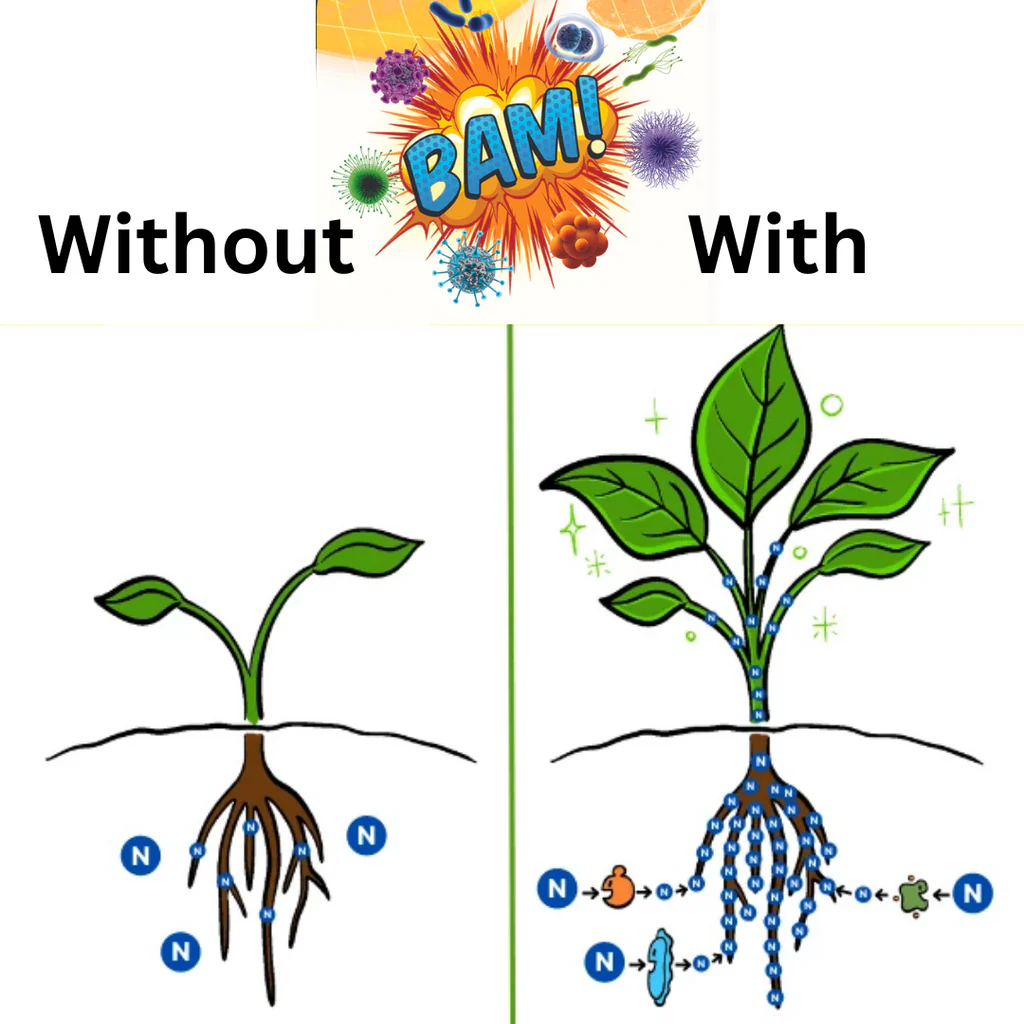
For hydroponic growers using drippers or automated feeding systems, we also recommend BAM Microbial Inoculant. Unlike many beneficial bacteria products that can clog drippers, BAM is specifically formulated to work in hydroponic systems without mucking up your equipment.
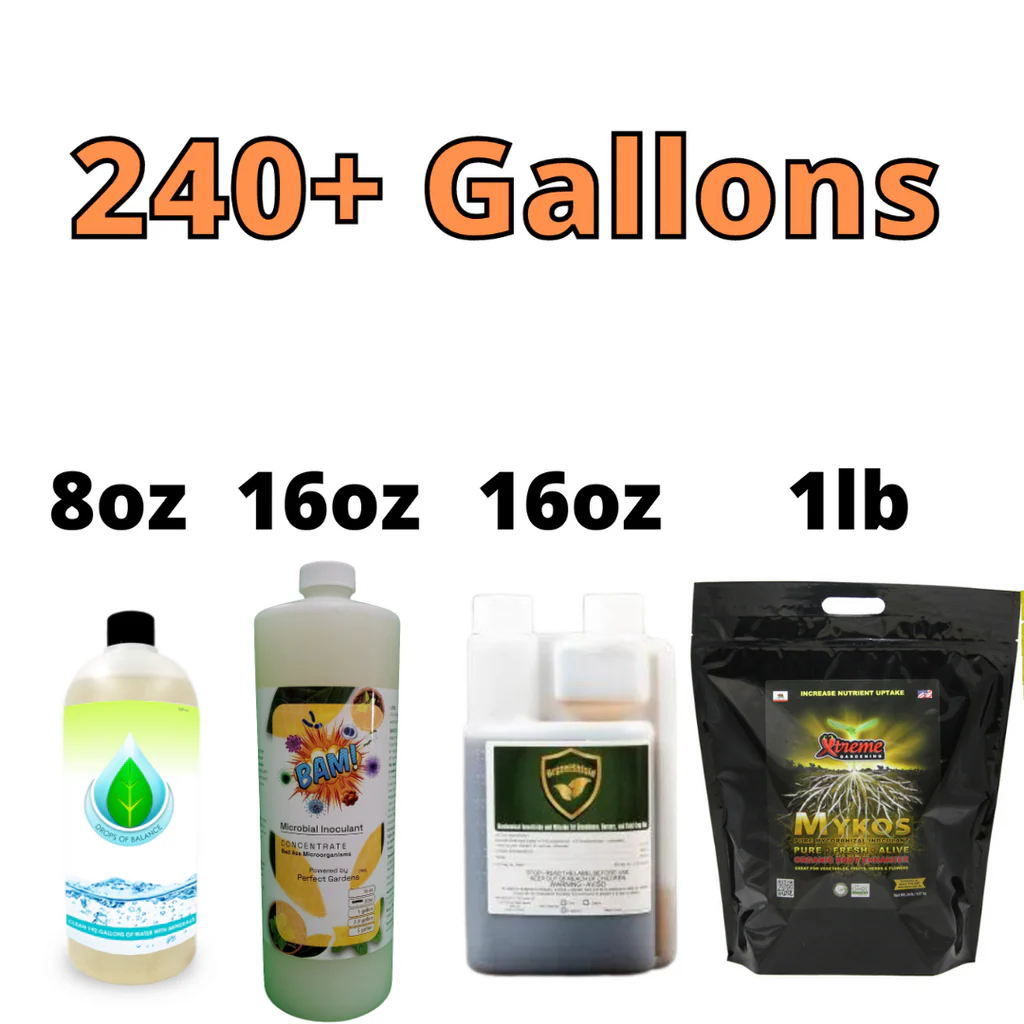
The combination of Drops of Balance reducing PPM while improving solubility, plus BAM establishing beneficial bacteria, creates the ideal environment for your plants to recover quickly and maintain balanced nutrition going forward.
The Recovery Timeline
When you properly identify this dual excess/deficiency problem and implement the right solution, recovery happens surprisingly fast. Plants that looked like they were on death's door can turn around completely within 1-2 weeks when you stop the flush-and-feed cycle and start addressing the root cause.
Prevention is Key
The best approach is preventing this confusing nutrient situation from developing in the first place:
- Water slowly and thoroughly to prevent dry pocket formation
- Maintain consistent watering schedules to avoid salt crystallization cycles
- Simplify your nutrient regimen to reduce total dissolved solids
- Use products like Drops of Balance that improve solubility without adding excess PPM
- Support beneficial bacteria with products designed for your specific growing system
Moving Forward
The next time you see thin, elongated new growth alongside deficiency symptoms on older leaves, resist the urge to flush. Instead, step back and look at your watering practices, nutrient complexity, and overall growing medium health.
The solution isn't more nutrients or less nutrients: it's better nutrient availability and elimination of the salt buildup cycles that create these confusing mixed signals in the first place.
Remember, your plants are trying to tell you a story through their symptoms. When you see both excess and deficiency signs together, they're not contradicting themselves: they're showing you a timeline of problems that developed over multiple growth cycles. Address the underlying causes, and you'll see that confusing mess of symptoms clear up faster than you might expect.