
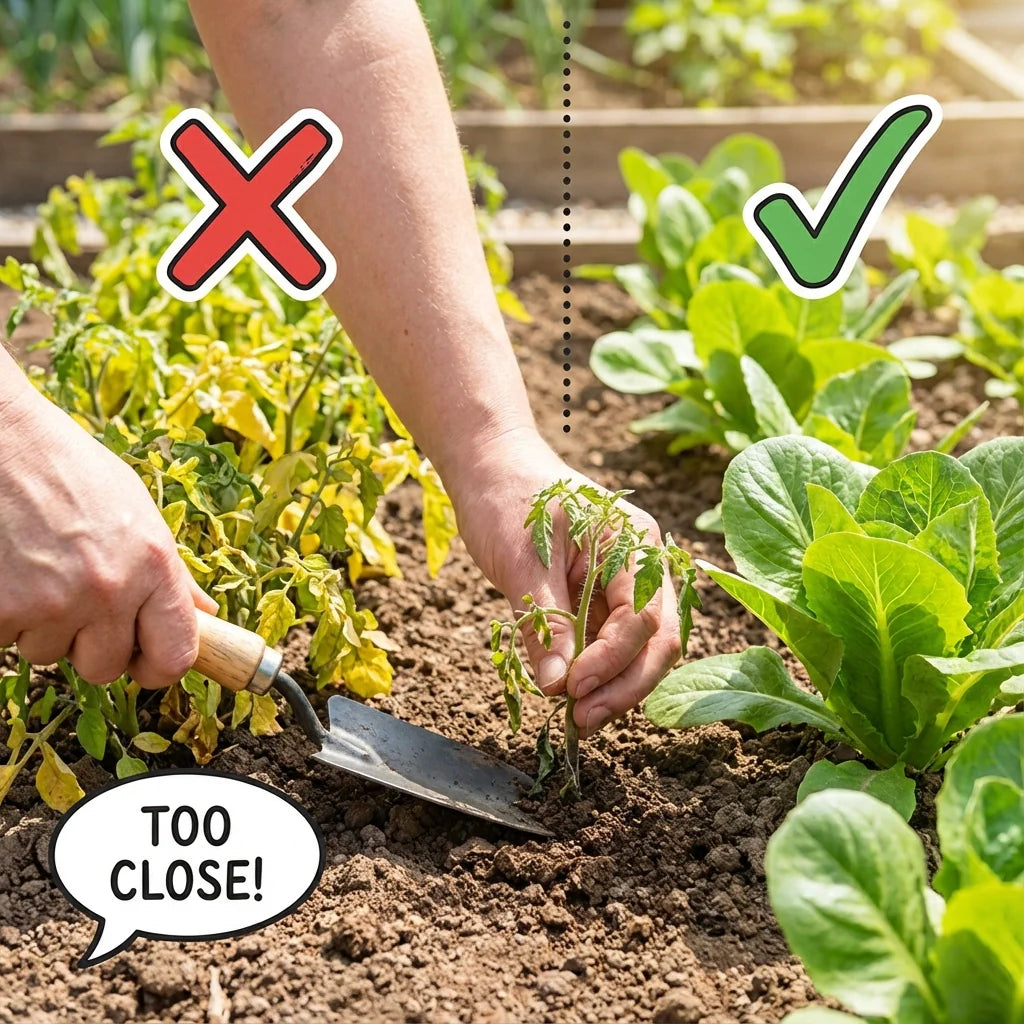
Hey growers! Got a question from one of our VIP community members that really got me thinking. They asked: "If I pop some seeds and they're in veg, and then I have a second batch that pops a couple days later, can I keep my first batch in veg longer so the smaller plants can catch up?"
Sounds reasonable, right? But here's the thing – this seemingly innocent decision can absolutely destroy your yield if you're not careful. Let me break down why this simple veg mistake trips up so many growers and what you can do about it.
The Growth Rate Reality Check
First, let's talk about how plants actually grow. Your first batch of seeds might grow so fast that if you wait any longer before flipping to flower, they'll literally outgrow your room. That's perspective number one.
But here's where it gets interesting – your second batch might actually grow faster than the first batch based on their phenotypes or genetics. You just don't know until they're actually growing. So you're basically gambling with your entire crop based on assumptions.
The real issue? Plants don't grow linearly. There's a point where, especially if you're doing everything right, they start growing exponentially. And when they flip to flowering, they can easily double in size. So you're not dealing with what they look like now – you're dealing with what they'll look like 4.5 weeks from now after you flip them and they double in size.
When Waiting Becomes Dangerous

Let me paint you a picture of what happens when you wait too long. If you only have one veg room and one flower room, you're suddenly dealing with plants of dramatically different sizes. The bigger plants start shading the smaller ones, which creates a cascade of problems:
Airflow Issues: Too much foliage means stagnant air, which leads to pest problems and disease pressure.
Light Competition: Your smaller plants get shaded out and never really catch up anyway.
Watering Complications: Now you've got two different watering schedules – some plants need more, some need less. Your daily routine just got way more complicated.
Environmental Stress: Bigger plants release more moisture through transpiration, throwing off your humidity levels.
The psychological aspect is brutal too. You end up focusing all your attention on managing the monster plants while the smaller ones get neglected. But here's the kicker – most growers can't bring themselves to just cull the smaller, weaker plants. So they end up with a room full of mediocre plants instead of focusing their energy on fewer, healthier ones.
The 40% Rule: Make Decisions Before It's Too Late
I learned something years ago that applies perfectly here. It's called the "40% rule" – make a decision when you have 40% of the information. If you wait until you have 70% of the information, you'll lose all opportunity.
This is exactly what happens in the veg room. You keep waiting for more information – will the small plants catch up? Will the big plants stop growing so fast? Before you know it, you're stuck with an unmanageable situation.
Smart Solutions That Actually Work
Option 1: Plant Training If you can train your plants properly, this changes everything. Use techniques like topping, LST (low stress training), or our multi-harvest technique. When you remove that top growing tip, plants grow outward instead of vertical. Suddenly, size differences become manageable.

Option 2: Separate Spaces If you have the space, just flip your first batch to flowering and keep the smaller ones in veg for a few more days in a separate area. Don't try to change your entire environment for a timing mismatch.
Option 3: Strategic Culling This is the hard one, but sometimes you need to make tough decisions. If plants are significantly behind and you can't train them properly, it might be better to focus your energy on the stronger plants. Master growers make hard decisions.
Prevention Is Everything
The best approach? Don't create this problem in the first place. Here's how:
Stagger Your Success: If you're going to start seeds at different times, plan for it. Have dedicated spaces or be prepared to manage different growth rates.
Start with Quality: Use proper seed starting setups that give all your seeds the best chance to germinate simultaneously.
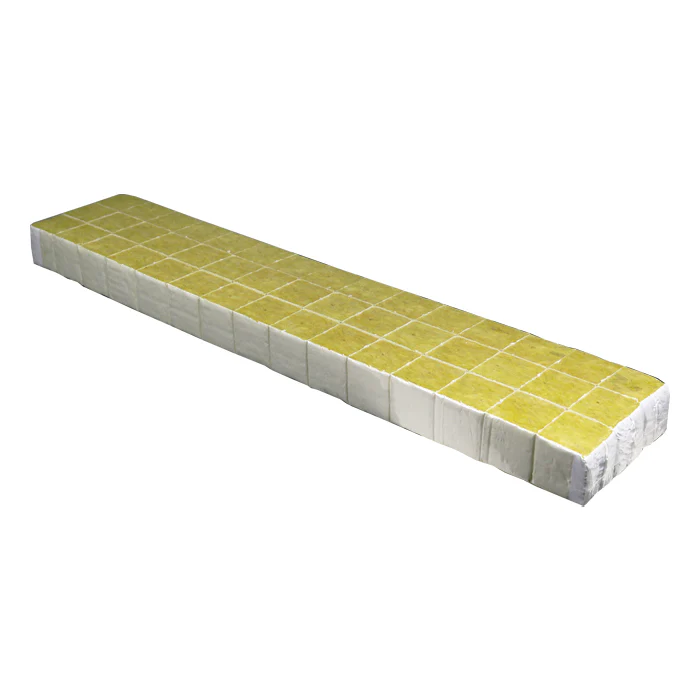
Think Ahead: Before you plant, decide realistically how many plants you can manage. Don't just scatter seeds and hope for the best.
The Training Solution Deep Dive
Let me be clear – if you can train your plants properly, waiting becomes much more viable. Training techniques like topping, where you remove the main growing tip, cause plants to bush out instead of growing tall. This means your size differences become manageable rather than catastrophic.
With proper training, you can actually turn different plant sizes into an advantage. Taller plants can form your canopy while shorter ones fill in gaps. But this requires planning, proper equipment, and consistent execution.

What Success Really Looks Like
Here's what I've learned after years of growing: waiting for plants to "catch up" more often than not causes more problems than it solves. You normally don't end up with a larger yield, especially if you're not training your plants effectively.
The growers who consistently get great yields? They make decisive moves early. They don't get emotionally attached to struggling plants. They focus their energy on setting up the best possible conditions for their strongest plants.
The Bottom Line
If you're dealing with this timing issue right now, ask yourself: Do you have proper training setup? Can you manage different sized plants without compromising airflow and light distribution? If the answer is no, don't wait. Make the decision to work with what you have rather than creating a more complex situation.
Remember, it's not about perfect timing – it's about maximizing what you can control. Sometimes that means making hard decisions, but that's what separates successful growers from those who struggle cycle after cycle.
The simple mistake isn't really about timing your seeds – it's about not having a plan for when timing doesn't go perfectly. Because in growing, timing rarely goes exactly as planned. The key is building flexibility into your system so you can adapt without sacrificing your entire yield.
Focus on creating optimal conditions for healthy growth, invest in proper training equipment, and don't be afraid to make tough decisions when plants aren't performing. Your yield will thank you for it.

Leave a comment
This site is protected by hCaptcha and the hCaptcha Privacy Policy and Terms of Service apply.