

Nothing's worse than watching your plants suddenly wilt and die after weeks of perfect growth. If you've dealt with Pythium or Fusarium wilt, you know exactly what I'm talking about. One day everything looks great, the next day you walk into your grow room and find drooped, dying plants.
These fungal diseases hit at the worst possible times - either right after cloning when plants should be establishing roots, or 2-3 weeks into flowering when you've already invested serious time and money. The frustrating part? Once your plants have these diseases, they keep transferring to every clone generation.
Here's the reality: you're not going to cure an infected plant with expensive fungicides. Prevention is everything, and understanding how these diseases work is your first step to keeping them out of your grow room.
Understanding When These Diseases Strike
Pythium and Fusarium wilt typically show up during two critical periods. The first is right after cloning - you'll have plants with nice root systems that suddenly dampen off completely. The whole plant goes limp and droopy in what seems like overnight.
The second common time is around 2.5 to 3 weeks into flowering. Everything's been going perfectly, then boom - you walk into your room and all the leaves are drooped over. This timing is especially brutal because you've already invested heavily in nutrients, electricity, and time.
What makes these diseases particularly nasty is their ability to live systemically in your plants. Once infected, every clone you take carries the disease forward. It's similar to how aphids can vector diseases into plants - once it's in there, it's there permanently.

The Real Culprits Behind Disease Outbreaks
Water Temperature is Critical
The biggest trigger I've consistently seen for Pythium and Fusarium outbreaks is warm water temperature. When you're watering daily with warm water, it creates ideal conditions for these pathogens to flourish and take hold. Warm water has lower oxygen-carrying capacity, which creates the perfect anaerobic environment these diseases love.
Stress Opens the Door
Any kind of stress can trigger dormant infections to become active problems. Light intensity that's too high, overwatering, nutrient imbalances, or temperature fluctuations can all set the stage for disease outbreak. Plants under stress have compromised immune systems, just like us.
Contaminated Starting Material
The most common route for Fusarium infection is contaminated plant material. If you're getting clones from questionable sources or using genetics that haven't been properly stabilized, you're basically importing problems into your grow room.
Prevention Strategies That Actually Work
Start With Clean Water
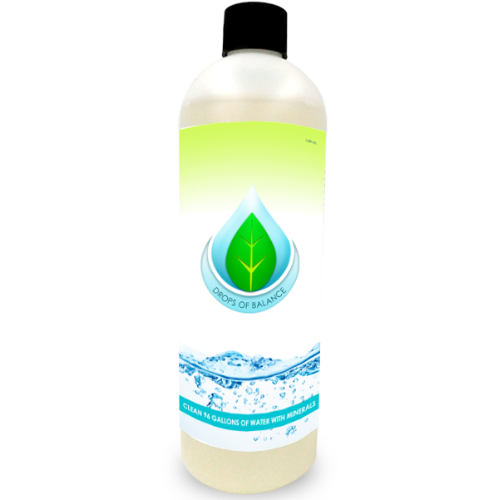
Your water treatment is the foundation of disease prevention. Use Drops of Balance to treat your water and add beneficial biologicals like BAM to establish a healthy microbial environment. Clean water doesn't just mean pH-balanced - it means water that's been properly treated to eliminate pathogens while maintaining beneficial microorganisms.
Keep your water temperature cool. I can't stress this enough - warm irrigation water is one of the fastest ways to trigger these diseases in susceptible plants.
Establish Beneficial Microorganisms
The most effective preventive method against Fusarium and Pythium is introducing Trichoderma and other beneficial microorganisms to your root zone. These beneficial fungi compete directly with pathogens for space and nutrients while producing natural antibiotics.
Apply these beneficial microbes from the seedling stage and at every transplant to maintain constant protection. Don't use chemical fungicides alongside biological treatments - they'll kill your beneficial microbes along with the bad ones.

Pre-Treat Your Growing Medium
Before planting, treat your soil with 5ml per gallon of Drops of Balance and 40ml per gallon of Organic Shield. This creates an environment that's hostile to pathogens while supporting beneficial microbe populations.
Organic Shield has shown remarkable results in soil pathogen elimination tests. In controlled studies, soil treated with Organic Shield showed a complete transformation from having known pathogens present to being pathogen-free over a period of several months.
Source Quality Genetics
Get your genetics from reliable sources that have gone through multiple stabilization cycles. Quarantine and inspect any new plants before introducing them to your main grow area. The extra caution upfront can save you from months of fighting systemic infections.
What To Do If Infection Strikes
Don't Throw Good Money After Bad
If you've already got infected plants, purchasing expensive fungicides is usually a waste of money. The damage is done, and you're fighting a systemic infection that's already established throughout the plant.
Isolation and Removal
The most practical approach is removing infected plants entirely. I know it hurts, especially if you're weeks into flowering, but trying to save one infected plant while neglecting the rest of your healthy crop rarely makes financial sense.
Last-Ditch Recovery Efforts
If you absolutely want to try saving an infected plant, here's what might work:
- Remove all foliage to reduce water demand
- Foliar spray with clean, cool water for a week
- Reduce soil temperature
- Minimize all stress factors
This might nurse the plant through the crisis period enough to produce something, but don't expect premium results.
Building Long-Term Disease Resistance
Maintain Strict Sanitation
Keep your grow area clean of plant debris and soil buildup. Change clothes before entering your grow room, wash your hands before touching plants, and sterilize all equipment between uses. These simple hygiene practices eliminate most pathogen introduction routes.
Monitor Environmental Conditions
Maintain proper oxygen levels in your growing medium, avoid overwatering, and prevent root injuries during transplanting. Root damage creates entry points for pathogens, so handle plants gently.
Use Comprehensive Biological Protection
Beyond Trichoderma, inoculate with Bacillus subtilis, Streptomyces griseoviridis, and Pseudomonas species. These beneficial organisms develop symbiotic relationships with plant roots and create multiple layers of protection against various pathogens.
The Bottom Line on Disease Prevention
Prevention costs way less than treatment, and it's infinitely more effective. The key products to have on your shelf are Drops of Balance, BAM microbial inoculant, and Organic Shield. These create the foundation for healthy plant immune systems.
Don't wait until you see symptoms to start prevention protocols. By the time plants show visible signs of Pythium or Fusarium infection, the battle is largely lost. Consistent prevention practices, quality starting materials, and proper environmental management will keep these devastating diseases out of your grow room.
Remember - once these diseases establish in your plant lines, they transfer to every generation. The most cost-effective solution is often starting fresh with clean genetics rather than fighting a losing battle against systemic infections. Your plants, your yields, and your wallet will thank you for taking the prevention-first approach.


Leave a comment
This site is protected by hCaptcha and the hCaptcha Privacy Policy and Terms of Service apply.