
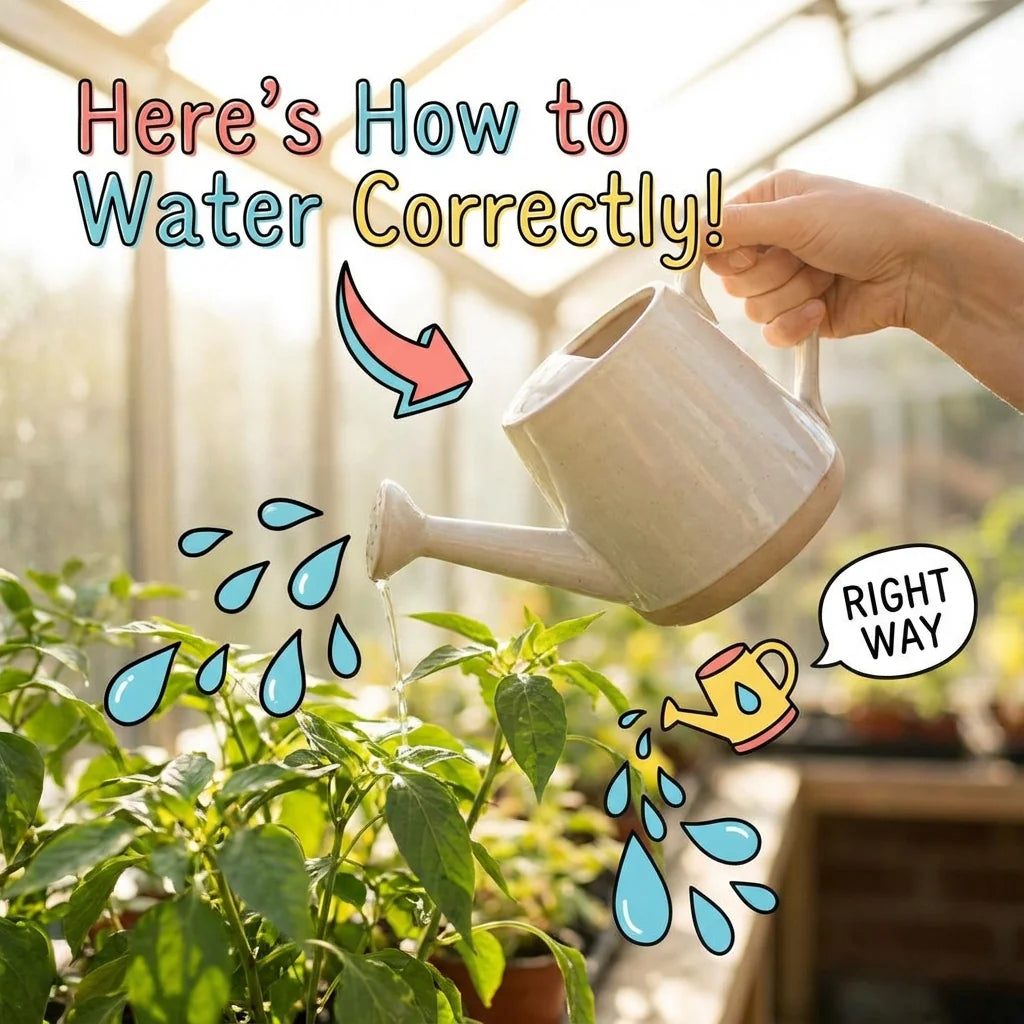
Most growers think they understand watering, but here's the reality: the majority are doing it wrong. They're either drowning their plants with too much water or creating stagnant conditions that suffocate root systems. The key to proper watering isn't just about quantity: it's about timing, oxygenation, and preserving the delicate mineral balance that keeps your plants thriving.
The 8-Hour Rule: Why Fresh Water Matters
Here's something most gardening guides won't tell you: water begins to stagnate after approximately 8 hours, especially regular tap water. This isn't just about bacterial growth: it's about oxygen depletion. Stagnant water in your growing medium creates anaerobic conditions that can quickly turn your root zone into a hostile environment.
When water sits too long, it loses its dissolved oxygen content. Your plants' roots need oxygen just as much as they need water, and without it, they can't function properly. This is why the traditional "water when dry" approach often fails: by the time you're watering again, you might be introducing stagnant water to already oxygen-depleted soil.

Finding Your Plant's Daily Water Sweet Spot
Instead of heavy, infrequent watering sessions, focus on determining how much water your container can absorb daily without any runoff. This is the golden rule that separates successful growers from those who struggle with root problems.
Here's how to find this sweet spot:
Start small and observe. Begin with about 10% of your container volume and gradually increase over several days. Monitor how quickly the soil surface dries and how the plant responds.
Watch for the no-drainage zone. Your goal is to find the exact amount where the soil is thoroughly moistened but no water escapes from drainage holes. This ensures maximum nutrient retention while maintaining proper moisture levels.
Maintain daily consistency. Once you've identified this amount, stick to it every day. This consistent approach keeps your root zone continuously oxygenated while preventing the buildup of stagnant water.
The Science of Root Zone Oxygenation
Every time you water correctly, you're essentially providing fresh oxygen to the root system. This isn't just beneficial: it's critical for plant health. Roots use oxygen for respiration, and without adequate oxygen, they can't absorb nutrients effectively, regardless of how many fertilizers you're using.
When you avoid overwatering and prevent drainage, you're maintaining what's called the "air-to-water ratio" in your growing medium. Healthy soil should be roughly 50% solid matter, 25% water, and 25% air space. Overwatering disrupts this balance, filling air pockets with water and creating the anaerobic conditions that lead to root rot.
The Trace Mineral Flush Problem
Here's where most growers lose their plants without realizing it: trace minerals are incredibly tiny and flush out of your system easily. When you water heavily enough to create runoff, you're essentially washing away the very nutrients your plants need most.
The problem compounds every 24 hours. Beneficial bacteria in your soil produce enzymes daily, but if the trace minerals they need aren't available in the root zone, this enzyme production stops. Your plants then can't access the nutrients they need, even if your NPK levels are perfect.
What makes this particularly frustrating is that these enzymes can be reused hundreds of times before degrading. But if they're not produced in the first place due to mineral deficiency, your plants miss critical nutrition windows that can affect their entire growth cycle.
The Bacteria-Enzyme-Mineral Connection
Understanding this relationship is crucial for any serious grower. Your plants don't directly absorb most nutrients: instead, they communicate their needs through exudates released from their root systems. Think of these as chemical messages that tell beneficial bacteria what enzymes to produce.
Here's how the process works:
Plant communication: Your plant releases specific exudates based on its current nutritional needs and growth stage.
Bacterial response: Beneficial bacteria "read" these chemical signals and begin producing the corresponding enzymes.
Mineral activation: These bacteria use trace minerals as co-enzymes to create the specific nutrients your plant requested.
Nutrient delivery: The newly created, plant-available nutrients are delivered directly to the root zone.
This entire system breaks down when trace minerals are flushed from the growing medium. The bacteria simply can't produce the enzymes without their mineral co-factors.

Why Most Fertilizers Fall Short
Most commercial fertilizers provide only 13 basic minerals, but plants actually need 60+ trace minerals for optimal health and enzyme production. When 40-50 essential minerals are missing from your root system, critical enzymes simply can't be produced.
This mineral deficiency creates a cascade effect:
- Incomplete enzyme production
- Reduced nutrient uptake efficiency
- Compromised plant immune system
- Lower yields and potency
- Increased susceptibility to pests and diseases
The solution isn't more fertilizer: it's ensuring these trace minerals stay in your growing medium where bacteria can access them when needed.
Maintaining the Mineral Residence Sphere
Think of your growing container as hosting a "mineral residence sphere": a zone where trace minerals need to remain available for bacterial enzyme production. When you water to the point of runoff, you're breaking this sphere and forcing your plants to work with incomplete nutrition.
The goal is retention, not drainage. While drainage is important for preventing waterlogged conditions, constant heavy drainage means constant mineral loss. By finding that daily sweet spot where soil stays moist without runoff, you maintain both proper hydration and mineral availability.
This is particularly important during different growth stages. During vegetative growth, your plants may need specific enzyme sets that they'll rely on throughout their entire lifecycle. If those enzymes aren't produced due to mineral deficiency early on, the plants can't recover later.
The Drops of Balance Solution
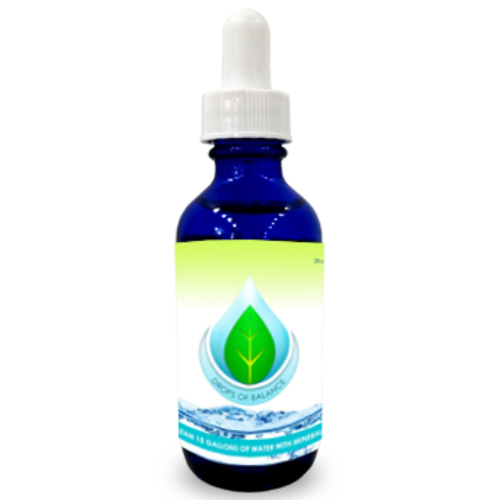
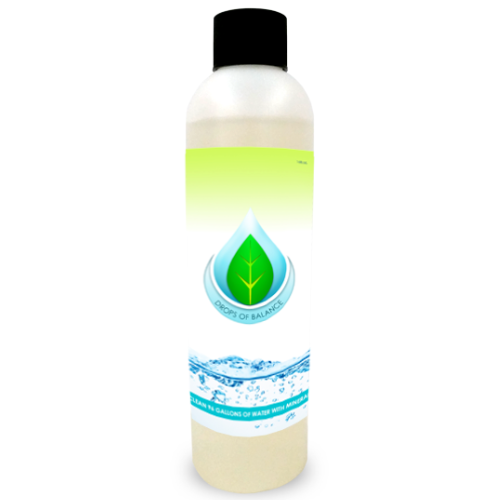
This is where understanding mineral supplementation becomes critical. Products like Drops of Balance provide 60+ ionic sulfate trace minerals in water-soluble form: exactly what beneficial bacteria need for enzyme production. The sulfate form is particularly important because it's readily available to soil microorganisms.
These ionic trace minerals don't just support plant health: they enable the entire soil ecosystem to function properly. When bacteria have access to complete mineral profiles, they can respond to any plant request with appropriate enzyme production.
Practical Implementation Steps
Week 1: Find Your Base Amount Start with conservative watering amounts and gradually increase until you find the no-runoff zone for your containers.
Week 2: Establish Daily Routine Water the same amount every day at the same time, preferably in the morning when plants can best utilize fresh oxygen and nutrients.
Week 3: Monitor and Adjust Watch for signs of over or under-watering and fine-tune your daily amount. Remember, this may change slightly as plants grow larger.
Week 4: Integrate Mineral Support Add trace mineral supplementation to ensure your bacteria have everything needed for complete enzyme production.
Signs You're Doing It Right
When you've mastered proper watering technique, you'll notice:
- Consistently moist but not waterlogged soil
- Vigorous root development
- Improved nutrient uptake efficiency
- Stronger plant immune responses
- Higher yields and better quality
Remember, this isn't about perfection from day one: it's about developing a sustainable system that supports the complex biological processes happening in your growing medium.
The key to watering correctly isn't following a rigid schedule or measuring exact amounts. It's understanding that every time you water, you're either supporting or disrupting a delicate ecosystem that your plants depend on for survival and optimal growth.

Leave a comment
This site is protected by hCaptcha and the hCaptcha Privacy Policy and Terms of Service apply.