

Fabric pots have revolutionized the way indoor and outdoor growers manage their root zones. By allowing for "air pruning," these containers prevent roots from circling, instead encouraging a dense, fibrous root system that can take up nutrients far more efficiently than plants in traditional plastic pots. However, as many growers in the Perfect Gardens community have discovered, fabric pots are not a "set it and forget it" solution: especially when you are dealing with high humidity.
In a high-humidity environment (anything consistently above 60-65% RH), fabric pots behave differently. They absorb moisture from the air, stay damp longer, and can become a breeding ground for issues that might not exist in a drier climate. The fact of the matter is, if you don't adjust your strategy, your "breathable" pots can quickly become a liability.
In this guide, we are going to break down the most common pitfalls of using fabric pots in humid conditions and, more importantly, how to fix them so your garden stays on track.
Why Humidity Impacts Fabric Pots More Than Plastic
To troubleshoot the issues, we first have to understand the mechanics. Plastic pots are non-porous; moisture only leaves through the top of the soil or the drainage holes at the bottom. Fabric pots, like those found in our Grassroots fabric raised bed collections, are designed to be porous. This allows for gas exchange, which is great for the "Army of Growers" who want maximum microbial activity.
However, this porosity works both ways. In high humidity, the evaporation rate from the sides of the pot slows down significantly. Instead of the pot "breathing" and cooling the root zone, it sits in a state of constant saturation. Furthermore, fabric pots can actually increase the humidity in your grow room. It’s not uncommon for growers to see a 10% to 15% spike in ambient humidity just by switching from plastic to fabric. This creates a feedback loop: the pots keep the room humid, and the humid room keeps the pots from drying out.
Problem 1: The "White Fuzz" Mystery (Mold vs. Mycorrhizae)
The most common panic-inducing sight for a fabric pot user is a white, fuzzy substance appearing on the outside of the bag. In high humidity, this growth can spread rapidly. But before you reach for the fungicide, you need to identify what you’re actually looking at.
Identifying Beneficial Fungi
If you are using high-quality organic amendments or microbial inoculants, what you see might actually be a good thing. Beneficial fungi like mycorrhizae or saprophytic fungi often colonize the damp fabric. This usually looks like fine, white, web-like threads (hyphae). It’s a sign of a healthy, living soil environment. It won't smell bad, and it won't harm your plant.
Identifying Pathogenic Mold
If the growth is localized, splotchy, or appears in shades of grey, green, or black, you are likely looking at mold or mildew. This is a direct result of stagnant, humid air trapped against the damp fabric. Pathogenic mold often comes with a musty "basement" smell. This is a red flag that your root zone is not getting enough oxygen and your environment is out of balance.
The Fix:
- Increase Airflow: Point a small fan directly at the base of the pots to keep air moving across the fabric surface.
- Physical Cleaning: If it is mold, you can wipe the outside of the pot with a mild solution of hydrogen peroxide and water.
- Lower the RH: Check your tents and film setup to ensure your exhaust fan is pulling enough moisture out of the space.

Problem 2: Salt Buildup and "Crusting"
If you are using synthetic nutrients, high humidity can lead to a specific type of salt accumulation. As water slowly evaporates from the sides of the fabric pot, it leaves behind the mineral salts from your nutrient solution. In high humidity, this process is slower and more "oozy," often resulting in a thick, white, or yellowish crust around the middle or rim of the pot.
This isn't just an aesthetic issue. These accumulated salts can cause:
- pH Fluctuations: As the salts re-dissolve during watering, they can wildly swing the pH of your root zone.
- Nutrient Lockout: Excessive salt buildup prevents the plant from absorbing the actual nutrients it needs.
- Fabric Clogging: Eventually, the "pores" of the fabric pot get "clogged" with salt, turning your breathable pot back into a non-breathable one.
The Fix:
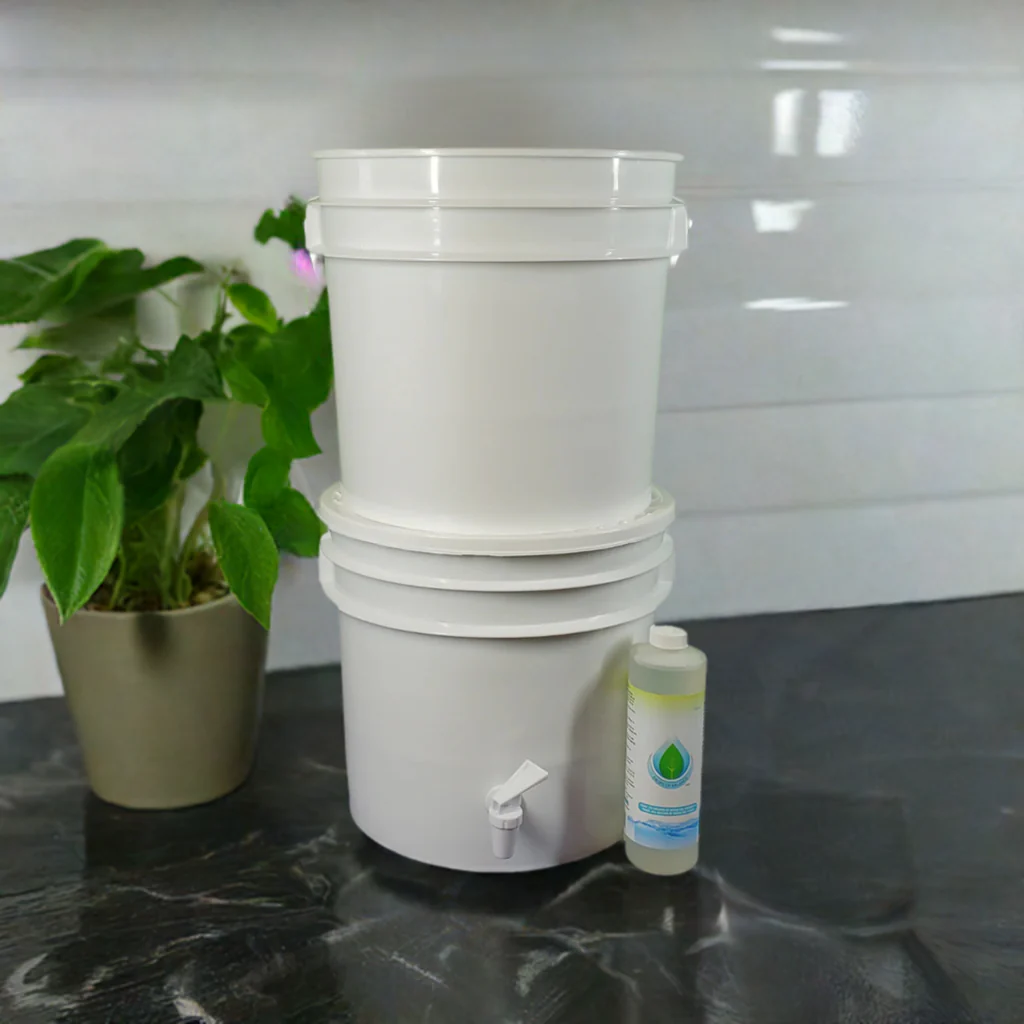
- Water Quality: Use filtered water to reduce the initial mineral load. A Countertop Water Filtration System can help strip out the "junk" before you even add your nutrients.
- Flushing: Periodically flush your pots with a leaching agent or plain, pH-balanced water to wash away excess salts.
- Mineral Conditioning: Products like Drops of Balance can help keep minerals in a more bioavailable state, reducing the likelihood of them "crusting" out onto the fabric.
Problem 3: The "Soggy Bottom" and Root Rot
In a low-humidity environment, fabric pots dry out from all sides. In high humidity, gravity takes over, and the bottom third of the pot can stay perpetually waterlogged. This is the "danger zone" for Pythium (root rot).
If your plants are drooping, despite the soil being wet, or if you notice a fermented smell coming from the drainage tray, you’ve got a drainage problem exacerbated by humidity.

The Fix:
- Elevate Your Pots: This is the single most important tip for fabric pot users. Do not let your pots sit directly on the floor or in a flat tray. Use a pot elevator or a wire rack to allow 360-degree airflow: including the bottom.
- Adjust Watering Frequency: You cannot water on a set schedule. In humid weeks, your plants might only need water every 4 or 5 days instead of every 2.
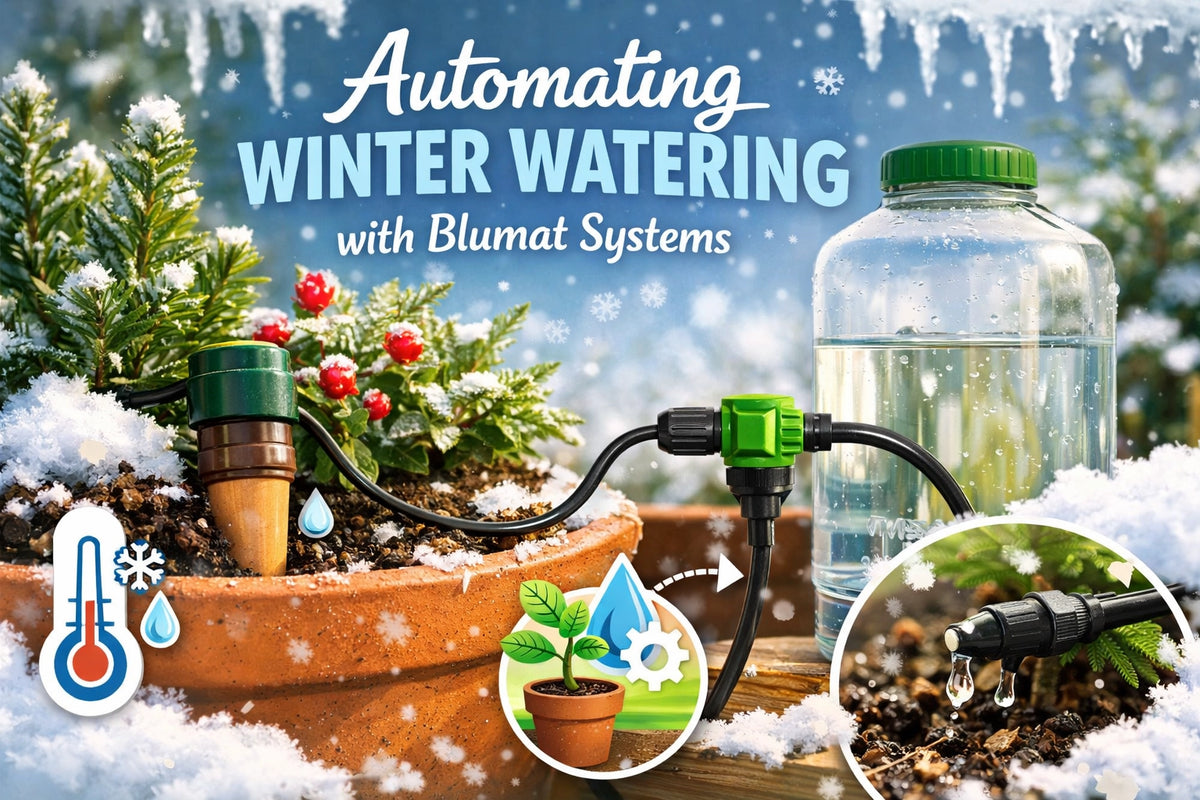
- Use Potentiometers: If you’re unsure about moisture levels, tools like those found in the Blumat Automatic Watering System can help manage moisture levels based on the plant's actual demand rather than a timer.
Advanced Environmental Controls
When troubleshooting fabric pots, you eventually have to look beyond the pot and at the room itself. If your AC Infinity grow tent is "sweating" on the inside, no amount of pot-scrubbing will solve your mold issues.
Dehumidification is Non-Negotiable
If you are running fabric pots in a sealed or high-humidity room, a dedicated dehumidifier is your best friend. Aim for a Relative Humidity (RH) of 40-50% during the flowering stage. This ensures that the moisture being "exhaled" by the fabric pots is efficiently removed from the air, allowing the pots to continue their evaporative cooling process.
Strategic Defoliation
In high humidity, the "microclimate" under the plant canopy can be 5-10% more humid than the rest of the room. By thinning out the lower fan leaves (a process often called "lollipopping"), you improve airflow around the top of the fabric pots, which helps the soil surface dry out and prevents mold from forming on the stalks.

Using the Right Tools for the Job
Sometimes the issue isn't the humidity: it's the equipment. If you find that standard fabric pots are simply too difficult to manage in your humid environment, consider the following upgrades:
- Lined Fabric Pots: Some fabric pots, like the Grassroots versions, have a moisture-retaining liner in the top few inches. This might seem counterintuitive, but it actually forces the water to move downward and prevents the top of the pot from becoming a salt-crusted mess while keeping the moisture consistent.
- Automated Irrigation: Overwatering is the #1 cause of fabric pot failure in high humidity. A Blumat kit uses ceramic sensors to deliver water only when the soil tension changes. This prevents the "cycle of saturation" that leads to mold.
- Water Purification: Since salt buildup is a major issue in humid climates, starting with pure water is essential. Using a filtration system ensures you aren't adding unnecessary calcium or magnesium that will eventually end up as a white crust on your expensive fabric containers.
Maintenance and Cleaning
It seems more like a chore than a gardening tip, but cleaning your pots between runs is mandatory when dealing with humidity. Pathogens and salts can hide in the fibers of the fabric.
- The Soak: After harvest, empty the soil and soak your fabric pots in a tub of water with a bit of oxy-clean or a very diluted bleach solution.
- The Scrub: Use a stiff brush to remove salt buildup from the interior and exterior.
- The Wash: Most fabric pots are machine washable (air dry only!). This resets the "porosity" of the bag, ensuring it will breathe correctly for your next cycle.
Final Thoughts for the Army of Growers
The fact of the matter is that fabric pots are a superior tool for root health, but they require a higher level of environmental awareness. If you’re seeing mold, salt, or soggy soil, don't blame the pot: adjust the environment. By elevating your containers, managing your airflow, and being precise with your nutrient packages, you can reap the rewards of fabric pots without the humid headaches.
If you are struggling with your environment or need a custom plan to get your humidity under control, don't hesitate to reach out to us at Perfect Gardens. We’ve helped thousands of growers dial in their setups to ensure every harvest is better than the last.
Keep your roots happy, keep your air moving, and as always, Happy Growing!



Leave a comment
This site is protected by hCaptcha and the hCaptcha Privacy Policy and Terms of Service apply.