
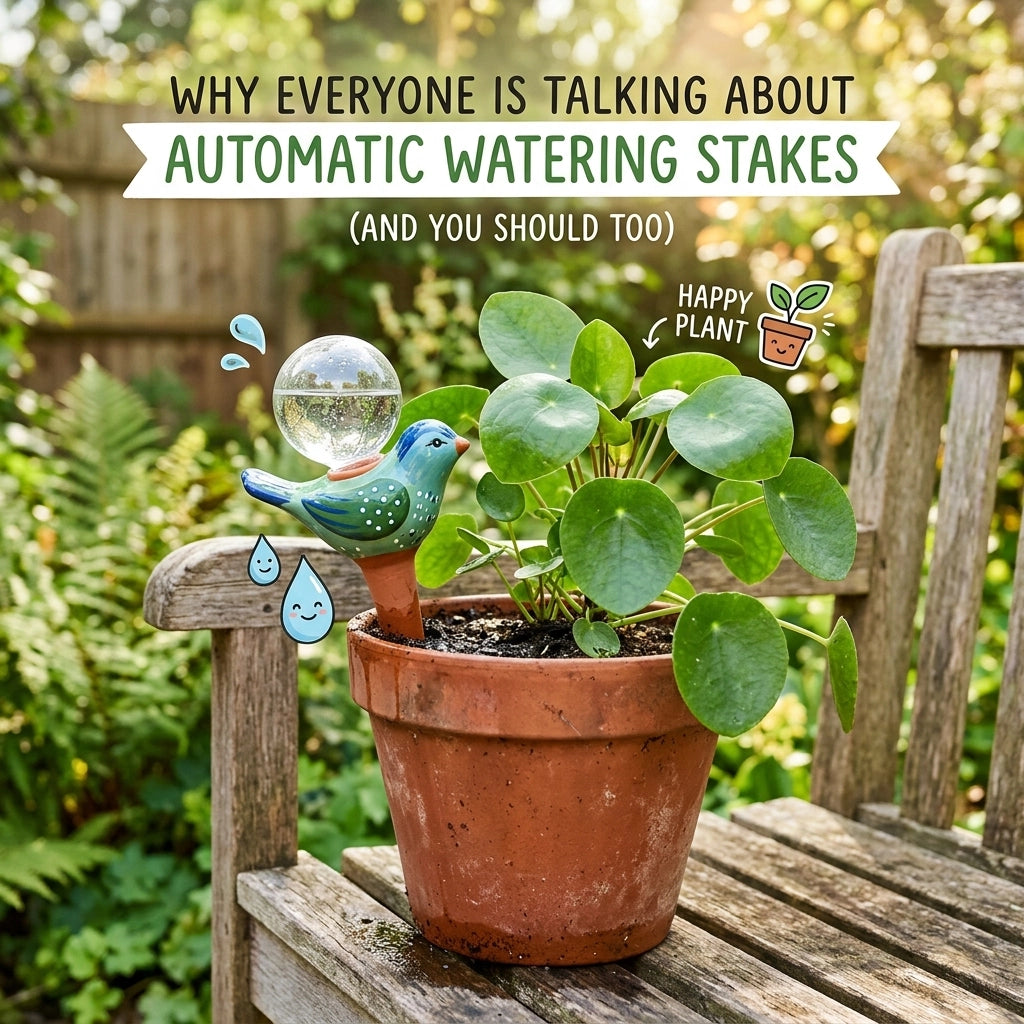
Let’s be honest: watering is the most "love-hate" chore in gardening. We love the results: lush, green leaves and heavy harvests: but the actual task of checking every single pot, every single day, can be a grind. Most hobbyists find themselves caught in a cycle of either drowning their plants in an over-zealous attempt to "help" or coming home from a long weekend to find their favorite ferns looking like crispy taco shells.
This is exactly why the gardening world is currently obsessed with automatic watering stakes, specifically systems like Blumat. They aren’t just a "lazy gardener" tool; they are a precision-irrigation solution that solves the two biggest killers of indoor plants: overwatering and underwatering.
In this guide, we’re going to dive into why these stakes are a game-changer for your indoor gardening setup, how the tech actually works, and how you can set them up to save yourself hours of labor.
The Problem with Traditional Watering
If you’re hand-watering, you’re basically guessing. You stick a finger in the soil, it feels dry, you dump some water in. But what’s happening at the root level? Often, the top inch of soil is dry while the bottom of the pot is a swamp. This leads to root rot, fungus gnats, and nutrient lockout.
On the flip side, if you forget for a day or two, the soil pulls away from the edges of the pot, and the delicate root hairs begin to die. When you finally do water, the liquid just runs down the sides of the pot and out the bottom, leaving the center of the root ball bone-dry.
Automatic watering stakes eliminate this guesswork by providing a "constant" state of moisture. Instead of the "flood and drought" cycle, your plants stay in the "Goldilocks zone": not too wet, not too dry, just right.
What Exactly Are Automatic Watering Stakes?
While there are many DIY versions out there involving upside-down wine bottles, the gold standard in the industry is the ceramic or terracotta stake system, most notably the Blumat Automatic Watering System.
These aren't your typical plastic drippers connected to a loud, vibrating pump. These are passive, gravity-fed sensors. The heart of the system is a hollow ceramic cone. Because ceramic is porous, it can "sense" the moisture level of the surrounding soil.

When the soil gets dry, it literally sucks water out of the ceramic cone. This creates a tiny bit of suction (negative pressure) inside the stake, which pulls on a rubber diaphragm. That diaphragm then opens a tube, allowing water to drip into the soil. Once the soil is moist again, the suction stops, the diaphragm closes the tube, and the watering stops. No electricity, no batteries, and no complicated computers.
5 Reasons You Should Make the Switch
1. Precision Moisture Control
The fact of the matter is that plants don't like change. They thrive on consistency. By using a stake system, you maintain a steady moisture level that encourages the plant to focus its energy on growth rather than recovering from stress. This is particularly important if you are using hydroponics or high-porosity soil mixes that dry out quickly.
2. Vacation Proofing
This is the number one reason hobbyists buy these. We’ve all been there: planning a 7-day trip and wondering which friend we trust enough not to kill our expensive genetics. With a properly dialed-in stake system and a large enough reservoir, you can step away for a week or more with total peace of mind.
3. Reduced Water Waste
Research shows that these types of systems can reduce water waste by up to 50% compared to traditional watering. Because the water is delivered slowly and directly to the root zone, there is almost zero runoff and significantly less evaporation.
4. Better Root Health
When soil is constantly kept at the perfect moisture level, roots don't have to go "searching" for water in a way that causes them to hit dry pockets and die back. You’ll notice thicker, whiter, and more vibrant root systems. If you combine this with fabric grow pots, which allow for air pruning, you’re looking at a world-class root environment.
5. Eco-Friendly and Scalable
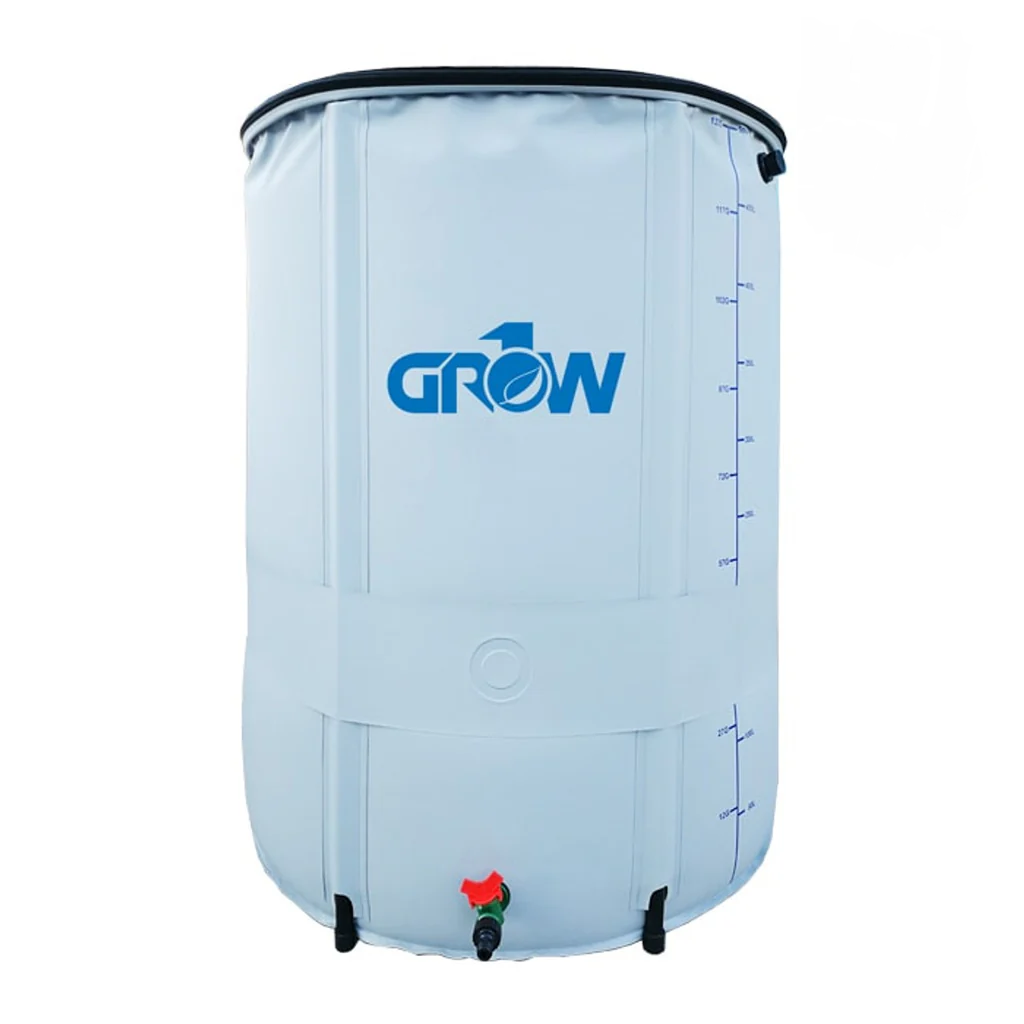
Whether you are using a single recycled wine bottle for one houseplant or a 55-gallon drum to feed an entire grow tent, the system scales with you. It’s a low-tech solution that uses the natural laws of physics rather than plastic-heavy electronics that end up in a landfill after a year.

How to Set Them Up (The Right Way)
A lot of people get frustrated with watering stakes because they skip the prep work. If you don't set them up correctly, they will either not water at all or: worse: dump your entire reservoir onto your floor.
Here is the step-by-step process for success:
- Soak the Stakes: This is the most critical step. You need to soak your ceramic stakes in water for at least 1–2 hours (some prefer 24 hours). This opens up the pores in the clay and ensures there are no air bubbles trapped inside.
- Fill and Cap Underwater: To prevent air bubbles from getting inside the sensor, fill the stake with water and screw the cap on while the stake is still submerged in your bucket.
- Moisten Your Soil: Do not put a watering stake into bone-dry soil. Water your plants thoroughly by hand first. The stake is designed to maintain moisture, not to re-hydrate a desert.
- Insert and Adjust: Push the stake into the soil near the root zone. If you are using the Blumat system, you’ll then adjust the "brown knob" on top. Usually, you tighten it until the water stops dripping, and then back it off just a tiny bit.
- Monitor for 48 Hours: Don't set them and forget them immediately. Check back the next two days to make sure the soil isn't becoming a swamp or drying out. A tiny turn of the adjustment knob makes a big difference.
Caution: Common Pitfalls to Avoid
While these systems are incredibly reliable, they aren't magic. There are a few things that can go wrong if you aren't paying attention.
- The Reservoir Height: Since these are gravity-fed, your water source needs to be higher than your plants. However, if it’s too high, the pressure might be too much for the stakes to hold back. Aim for the bottom of your reservoir to be at least 12 inches above the top of your pots.
- Air Bubbles: If air gets into the line, the siphon can break, or the sensor might stop working. Make sure your lines are secure and your reservoir never runs completely dry.
- Nutrient Clogging: If you are running organic nutrients or thick additives through your lines, they will clog eventually. If you want to use plant nutrients, it is often better to hand-feed those and use the stakes for pure, filtered water, or use highly soluble mineral nutrients.
Perfect Pairings for Your Watering Stakes
To get the most out of an automatic system, you should consider what the plants are living in.
If you use plastic pots, it’s very easy to accidentally overwater because the water has nowhere to go. We highly recommend using Fabric Grow Pots or Fabric Raised Beds. These allow the soil to "breathe." If the stakes deliver a little too much water, the fabric allows for evaporation and drainage, preventing the roots from suffocating.

Using a high-quality water filtration system is also a smart move. Hard water with lots of calcium and magnesium can eventually "scale up" the pores in the ceramic stakes, making them less sensitive over time. Clean water keeps the system running smoothly for years.
Is It Worth the Investment?
For the average hobbyist, the answer is a resounding yes. If you factor in the cost of the plants you’ve lost to watering mistakes and the value of your own time, an automatic watering stake system pays for itself in a single season.
It moves you away from being a "reactive" gardener (fixing problems after they happen) to a "proactive" gardener (providing the ideal environment from day one).
Whether you’re just starting out with a few propagation trays or you’re managing a full-sized indoor garden, giving your plants a consistent, on-demand water source is one of the best upgrades you can make. It takes the "chore" out of the hobby and lets you get back to the fun part: watching things grow.
If you’re ready to stop being a slave to the watering can, check out our collection of controllers and irrigation essentials to find the right fit for your space. Happy growing!


Leave a comment
This site is protected by hCaptcha and the hCaptcha Privacy Policy and Terms of Service apply.