

As we move deeper into the warmer months, every indoor grower faces the same formidable opponent: heat. When the ambient temperature in your grow room climbs above 85°F, your plants stop focusing on growth and start focusing on survival. While high-quality LED lights and robust extraction kits are your first line of defense, there is a chemical ally you should be using to protect your garden from the inside out.
That ally is Silica.
Often overlooked because it isn't part of the core N-P-K (Nitrogen, Phosphorus, Potassium) feeding regimen, silica is arguably one of the best nutrients for hydroponics when it comes to environmental stress. In this deep dive, we are going to explore why silica is the "body armor" your plants need to survive the summer swelter.
What is Silica, and Why is it Missing?
In a traditional outdoor soil environment, silica is everywhere. It is the second most abundant element in the Earth's crust. Plants grown in the ground have constant access to it, resulting in thick, woody stems and resilient leaves.
However, in hydroponics, we use inert media like coco coir, rockwool, or clay pebbles. These substrates contain little to no plant-available silica. Because silica is technically classified as a "beneficial" nutrient rather than an "essential" one (meaning a plant can technically complete its life cycle without it), many base nutrient lines leave it out to prevent shelf-stability issues.
The fact of the matter is that while your plants can grow without it, they won't grow nearly as well: especially when the thermometer starts to redline.
The Biological "Body Armor": How Silica Works
To understand how silica helps with heat, we have to look at the plant's cellular structure. When you feed your plants a high-quality silica supplement, the plant transports it to the cell walls.
- Mechanical Strength: Silica is deposited in the epidermal (outer) cell layers. It creates a literal physical barrier. Think of it like adding rebar to concrete. This "silicified" cell wall is significantly tougher and more rigid.
- Low Thermal Conductivity: Industrial research shows that silica has incredibly low thermal conductivity. In the context of a plant, this means that the outer layer of the leaf acts as a thermal shield, slowing down the transfer of heat from the hot grow room air into the sensitive internal tissues of the plant.
- Structural Integrity: Under high heat, plants often lose "turgor pressure": that internal water pressure that keeps them standing upright. This is why plants wilt. Silica-fortified cell walls are mechanically stronger, allowing the plant to remain upright even when it is slightly dehydrated or stressed by the heat.
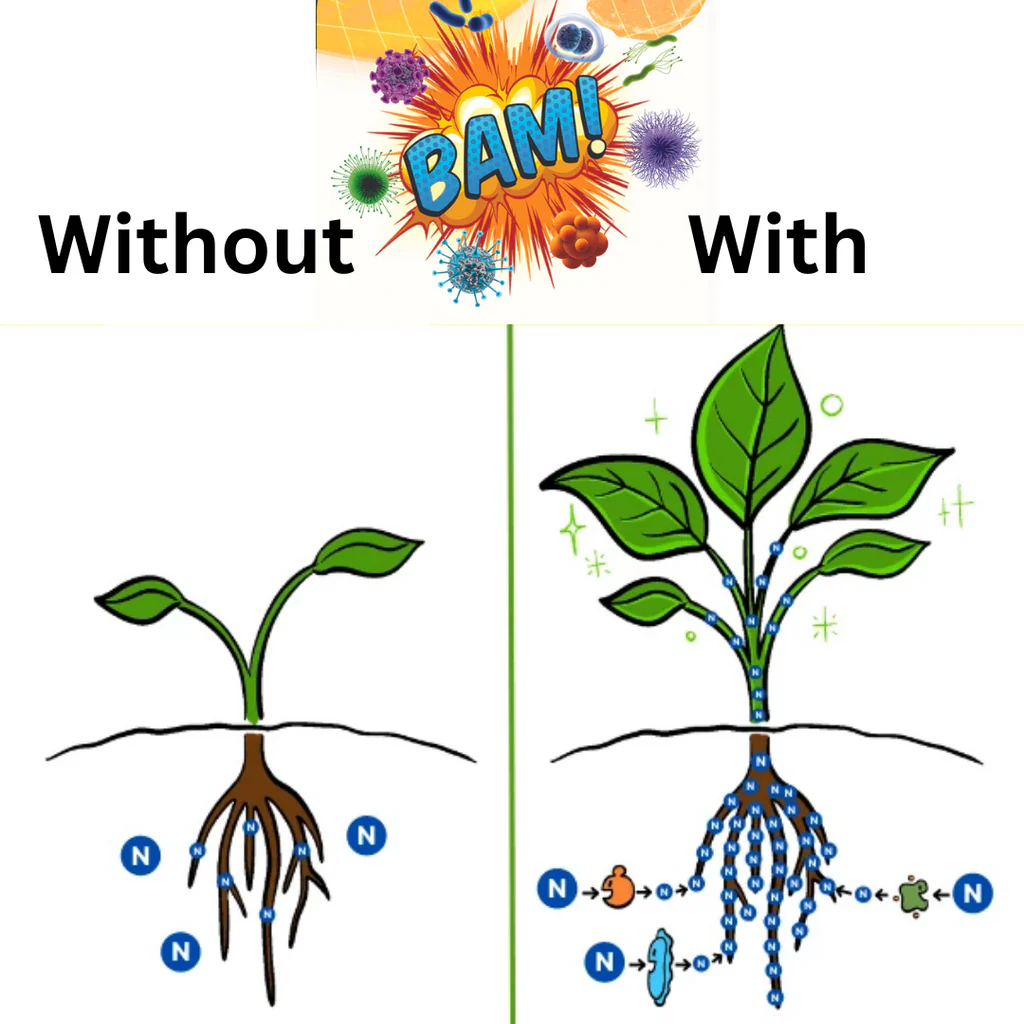
Silica’s Role in Transpiration and Water Management
Heat resistance isn't just about standing tall; it’s about how the plant manages its water. Plants "sweat" through a process called transpiration. They open tiny pores on their leaves called stomata to release water vapor, which cools the plant down.
However, in extreme heat, a plant can lose water faster than the roots can take it up. This leads to a total physiological shutdown.
Silica helps regulate this process. By strengthening the cells around the stomata, the plant gains better control over when these pores open and close. Research suggests that silica-treated plants can reduce excessive transpiration by up to 30% without sacrificing CO2 intake. This means your plant keeps more of its precious water inside its "veins" where it’s needed to transport the best nutrients for hydroponics to the flowers and fruit.
The "Cooling" Effect of Mineralization
Using products like Drops of Balance helps ensure your water is properly mineralized. When combined with a dedicated silica additive, you are essentially optimizing the "blood" of the plant to handle higher temperatures. A well-mineralized plant has a lower freezing point and a higher boiling point (metaphorically speaking), allowing it to maintain metabolic functions at 90°F that would normally cause a non-treated plant to stop growing entirely.
Beyond Heat: The Side Benefits of Silica
While we are focusing on summer survival, it’s worth noting that silica’s "body armor" effect provides several other massive benefits:
- Pest Resistance: Biting and sucking insects like spider mites or aphids have a much harder time piercing "silicified" leaves. It’s like trying to bite through a glass plate versus a piece of lettuce.
- Disease Prevention: Fungal hyphae (from powdery mildew or botrytis) find it difficult to penetrate the toughened cell walls.
- Branch Strength: If you are expecting heavy yields, silica is a must. It builds the internal "bones" of the plant so it can support heavy colas without snapping.
How to Apply Silica in a Hydroponic System
Adding silica to your reservoirs isn't as simple as just dumping it in. Because silica is highly alkaline (high pH) and very reactive, it can cause "fallout" if handled incorrectly.
The Golden Rule: Silica First
When mixing your nutrients, always add your silica supplement to the water first.
- Fill your reservoir with water.
- Add your silica and stir thoroughly.
- Wait a few minutes for it to fully bond with the water molecules.
- Adjust your pH (silica will spike your pH significantly, so you’ll need to bring it back down).
- Add your base nutrients and other additives like BAM! Microbial Inoculant.
Caution: If you mix silica directly with a concentrated nutrient solution (like a Cal-Mag or a Bloom booster), it will create a chemical reaction that results in white flakes. This is called "precipitation." Once this happens, the nutrients are locked out and your plants can't eat them. Your lines will also clog. Always dilute silica in the full volume of water before adding anything else.
Choosing the Right Form of Silica
Not all silica is created equal. Most products on the market use Potassium Silicate. While effective, it requires the plant to do some "work" to break it down into a form it can use.
For those looking for the most bio-available option, look for Monosilicic Acid. It is more expensive, but the plant can absorb it almost instantly. Regardless of which form you choose, the key is consistency. Silica is not mobile within the plant; once it is deposited in a cell wall, it stays there. To protect new growth, you must provide silica throughout the entire vegetative and early flowering stages.
Integrating Silica into Your Summer Strategy
If you're gearing up for a hot July, silica should be one part of a multi-pronged approach.
- Environmental Control: Ensure your tents and film are optimized. Use black and white panda film to reflect heat away from your root zone.
- Root Protection: High heat often leads to low oxygen in the reservoir, which invites root rot. Use beneficial microbes to protect the roots while the silica protects the leaves.
- Consistent Monitoring: Use controllers to keep an eye on your temps. If you see the room hitting 88°F, you’ll be glad you built those silica-reinforced cell walls weeks in advance.

Summary: Is it Worth It?
In the world of high-performance gardening, we often focus on the "gas": the nitrogen and the sugars. But silica is the "chassis." Without a strong frame, the engine doesn't matter.
Especially in a hydroponic environment where we are pushing plants to their absolute limits under high-intensity Kind LED grow lights, we have to provide the structural support they need to thrive. Silica isn't just an additive; it's insurance against the heat of summer.
By incorporating silica into your routine, you’re not just growing plants; you’re building a garden that can withstand the elements. If you’re ready to upgrade your nutrient lineup for the coming heat, check out our complete nutrient packages to find the right fit for your setup.
The fact of the matter is, once you see the difference in stem thickness and leaf turgidity that silica provides, you’ll never grow without it again. It seems more like a luxury when you're starting out, but for the serious grower, it's a fundamental part of the toolkit.
Stay cool, and keep those gardens growing! For more professional advice on navigating the challenges of indoor gardening, explore our Grow Help section or reach out to the team at Perfect Gardens.



Leave a comment
This site is protected by hCaptcha and the hCaptcha Privacy Policy and Terms of Service apply.