

When the temperature drops outside, many indoor gardeners assume their plants are safe simply because they are behind four walls. However, winter presents a unique set of challenges for any indoor gardening setup. Whether you are growing in a basement, a spare bedroom, or a garage, the cold can creep in, slowing down plant metabolism, locking out nutrients, and inviting moisture-related diseases.
The fact of the matter is that your plants’ environment is only as stable as your weakest insulation point. To maintain a productive garden year-round, you need a strategy that covers air temperature, root zone warmth, and reservoir stability. In this guide, we will break down exactly how to winterproof your grow and keep your plants thriving until spring.
The Impact of Cold on Plant Physiology
Before diving into the "how," it is important to understand the "why." Most tropical plants and common hydroponic crops (like tomatoes, peppers, or medicinal herbs) thrive in temperatures between 70°F and 80°F. When temperatures dip below 60°F, several biological processes begin to stall.
- Reduced Metabolism: Cold temperatures slow down the enzymatic reactions within the plant. This leads to slower growth and delayed flowering.
- Nutrient Lockout: Specifically, phosphorus becomes much harder for plants to uptake in cold conditions. You might notice purple stems or leaves, which is a classic sign of cold-induced phosphorus deficiency.
- Transpiration Slowdown: Plants breathe and "sweat" through their stomata. In a cold, stagnant environment, this process slows down, which can lead to overwatering issues because the plant isn't moving water through its system as quickly.
Step 1: Insulating the Foundation
The biggest mistake indoor gardeners make is placing their pots or hydroponic systems directly on a cold floor. If your grow is in a basement or garage, the concrete slab acts as a giant heat sink, sucking the warmth right out of your root zone.
Lift Your Plants
Always elevate your hydroponic systems or soil pots off the floor. You can use wooden pallets, foam insulation boards (XPS), or even specialized plant stands. By creating a thermal break between the floor and the container, you ensure the roots stay significantly warmer.
Use a High-Quality Grow Tent
A well-constructed grow tent is your first line of defense against drafts and ambient temperature fluctuations. Tents with thick canvas (like 2000D) and reflective mylar interiors help trap the heat generated by your lights.

If your grow space is particularly cold, you can even wrap the exterior of your tent with reflectix or moving blankets to add an extra layer of insulation.
Step 2: Managing Air Temperature
Maintaining a consistent "lights-on" and "lights-off" temperature is crucial. In the summer, we often fight to keep temps down; in the winter, the script flips.
Adjust Your Light Cycle
One of the easiest ways to keep your indoor gardening setup warm is to run your lights during the night. Since nighttime is naturally colder, the heat from your LED lights or HPS lamps will offset the drop in ambient temperature. During the day, when it's naturally warmer, your lights can be off.
Controlled Heating Sources
If your lights don't provide enough heat, you may need a supplemental heat source.
- Oil-Filled Radiators: These are generally safer than ceramic space heaters because they don’t have an exposed heating element, reducing the risk of fire or burning the plants.
- Ceramic Heaters with Thermostats: For a more precise approach, use a small ceramic heater connected to an external controller. This ensures the heater only kicks on when the temperature drops below your set point (e.g., 68°F).
Caution: Never blow hot air directly onto your plants. This will cause localized dehydration and "wind burn." Always aim the heater at a wall or toward the intake fan to allow the air to mix before reaching the canopy.

Step 3: Warming the Root Zone
The "feet" of the plant are often more sensitive to cold than the "head." If the roots stay warm, the plant can often tolerate slightly cooler air temperatures.
Heating Mats
For the propagation stage, heating mats are non-negotiable in the winter. Seeds and cuttings require consistent bottom heat to trigger root development. When using seedling starter trays, place a waterproof heat mat underneath to maintain a steady 75°F.

For larger plants, you can find heavy-duty floor mats designed for greenhouses, though these are often more expensive. For most hobbyists, insulating the pots and keeping the room air warm is sufficient for mature plants.
Step 4: Stabilizing Reservoir Temperatures
In hydroponics, the water temperature is the heartbeat of the system. If your nutrient solution drops below 60°F, the plant's roots will struggle to function, regardless of how warm the air is.
Use an Aquarium Heater
The most effective way to manage a water storage tank in the winter is by using a submersible aquarium heater. Choose a heater with a built-in thermostat and set it between 65°F and 70°F.
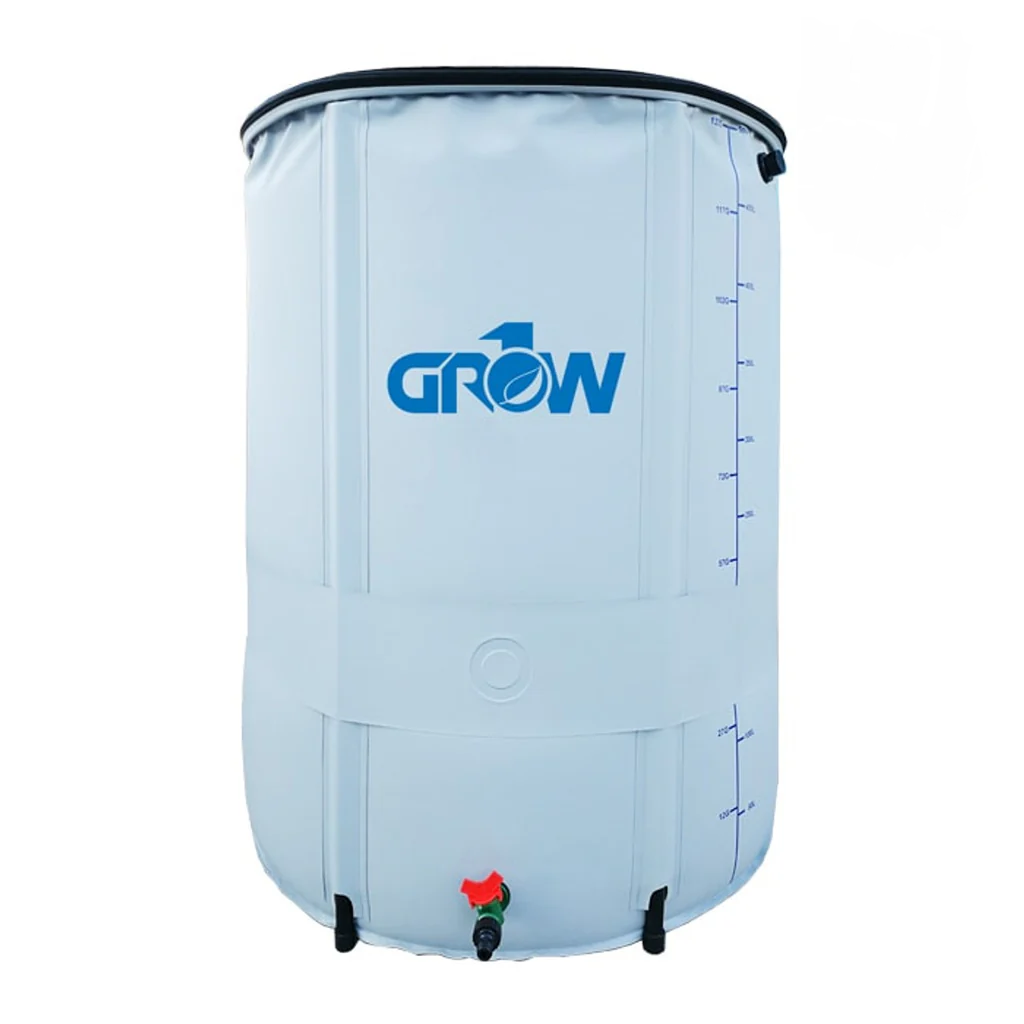
It seems more like a minor detail, but water holds temperature much longer than air. A warm reservoir acts as a thermal mass that helps stabilize the temperature inside the tent throughout the night.
Avoid Cold Top-offs
When it’s time to add more water or nutrients to your system, don't use ice-cold water straight from the tap or an outdoor hose. Let the water sit in the grow room for 24 hours to reach room temperature before adding it to your reservoir. Shocking the roots with 50°F water can cause the plant to wilt or "droop" for days.
Step 5: Balancing Humidity and Airflow
Winter air is notoriously dry. While low humidity can help prevent mold, excessively low humidity (below 30%) can stress plants, causing them to lose water faster than they can drink it.
- Monitor Your VPD: Vapor Pressure Deficit (VPD) is the relationship between temperature and humidity. When it’s cold and dry, the VPD becomes high, which stresses the plant. You may need to add a humidifier to your space to keep the levels between 40-60%.
- Don’t Cut Off Ventilation: It is tempting to turn off your exhaust fans to trap heat. This is a mistake. Your plants still need CO2 to photosynthesize, and you still need to move air to prevent stagnant pockets where powdery mildew can form. Instead of turning fans off, use a fan speed controller to turn them down to a lower setting.
Common Winter Pitfalls to Avoid
- Drafty Windows: If your grow tent is near a window, check for drafts. Even a small stream of freezing air can create a "cold spot" in your tent that stunts the plants on that side.
- Over-Fertilizing: Because plant metabolism slows down in the winter, they often require fewer nutrients. If you see tip burn on your leaves, you might be feeding at a summer "high growth" rate when the plant is actually in a "winter slow-down" mode.
- Direct Radiator Heat: If you use home radiators for heat, do not place your grow tent directly against them. The intense, dry heat can cook your plants or melt the tent fabric.
Conclusion: Preparation is Key
Winterproofing your indoor gardening setup doesn't have to be expensive, but it does require attention to detail. By insulating your floor, managing your reservoir temperatures, and using a high-quality grow tent, you can create a summer oasis in the middle of a blizzard.
The goal is consistency. Plants love a predictable environment. Use thermometers to track your "lows" at night and your "highs" during the day. If you can keep your root zone around 68°F and your air temp above 65°F, your garden won't even know it's snowing outside.
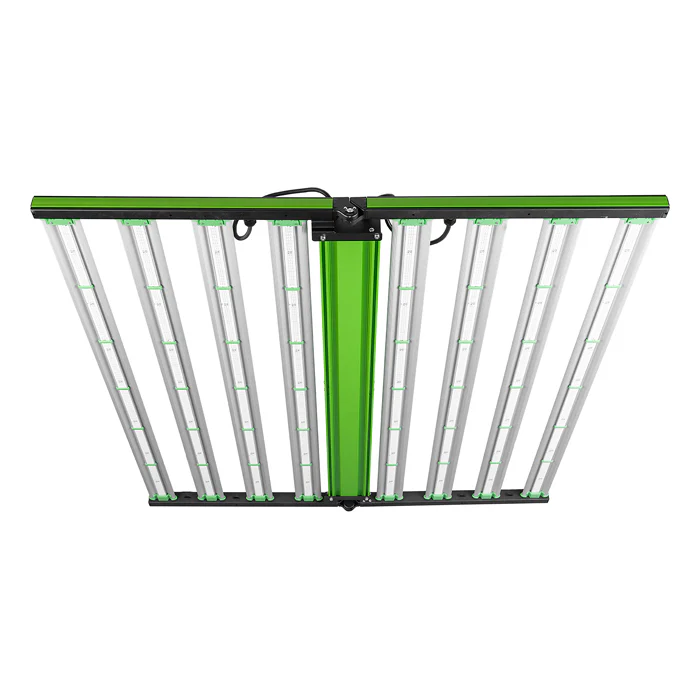
Ready to upgrade your winter setup? Check out our latest Medic Grow fixtures to provide the light and warmth your plants need to thrive!

Leave a comment
This site is protected by hCaptcha and the hCaptcha Privacy Policy and Terms of Service apply.