
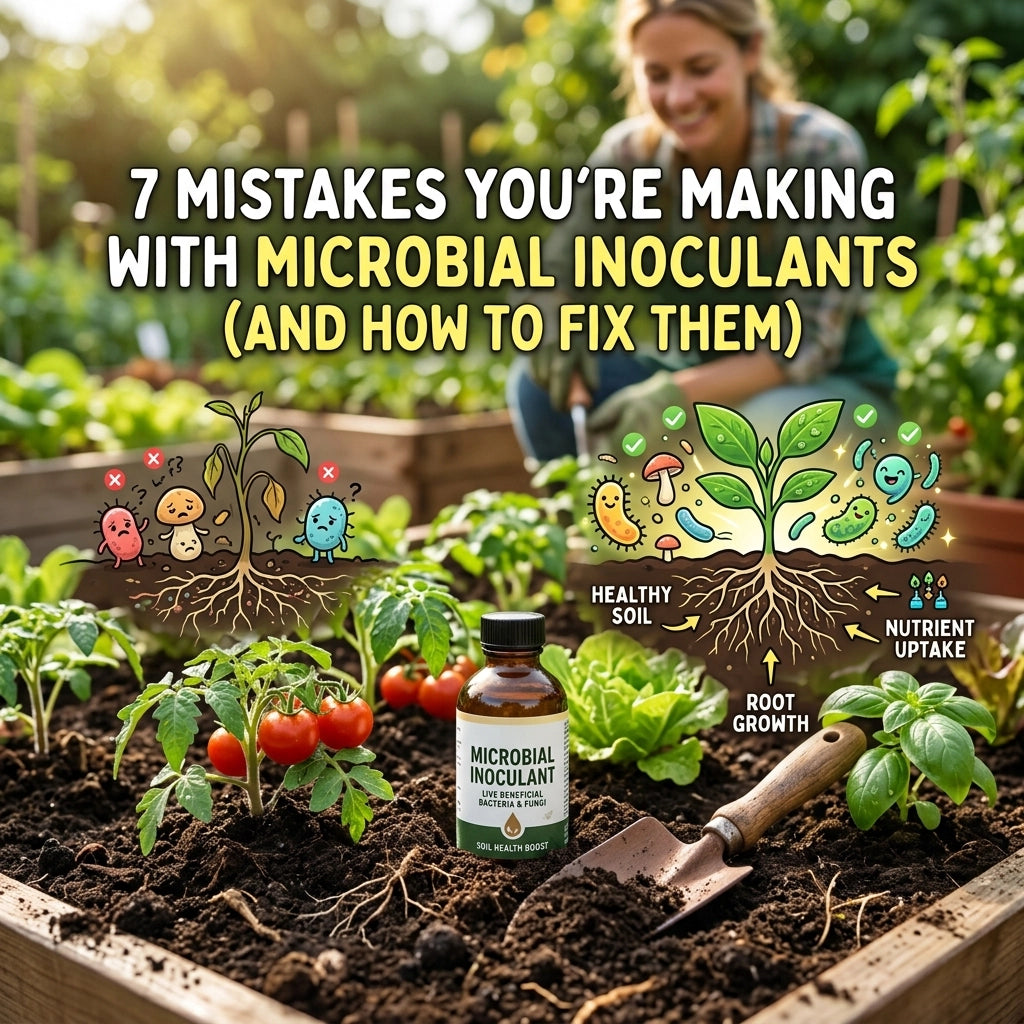
If you’ve been hanging around the indoor gardening or hydroponics world for more than five minutes, you’ve probably heard people raving about "living soil" or "beneficial microbes." The hype is real. Using a high-quality microbial inoculant can be the difference between a plant that just survives and one that absolutely explodes with growth.
However, there is a big catch. These aren't just chemical nutrients you pour into a reservoir and forget about. They are living, breathing organisms. Because they are alive, they are fragile. We see growers all the time who spend good money on premium microbes only to accidentally kill them before they even hit the roots.
If you feel like your microbial additives aren't giving you that "pop" you expected, you might be making one of these common mistakes. Let’s break down the seven biggest blunders and, more importantly, how to fix them so you can get your soil health back on track.
1. Treating Microbes Like Chemicals (The Storage Mistake)
The biggest mistake starts before the bottle even opens. Most bottled nutrients are fairly shelf-stable, but a microbial inoculant contains dormant or active biological life.
Many growers leave their supplies in a hot garage, a humid grow tent, or even in the back of a truck. If the temperature hits 90°F or higher, you are essentially "cooking" your microbes. Heat triggers them to wake up or, in many cases, just kills them outright.
The Fix: Store your inoculants in a cool, dark place. A temperature-controlled room or even a dedicated fridge for your biologicals is ideal. If you’re buying in bulk, check the expiration date. Unlike a bottle of base nutrients that might last years, microbes have a "best by" date for a reason: the population count naturally declines over time.
2. Using Chlorinated Tap Water
This is probably the #1 "silent killer" in the garden. City water is treated with chlorine or chloramines specifically to kill bacteria and prevent algae growth in the pipes. When you mix your microbial inoculant into raw tap water, that chlorine goes to work doing exactly what it was designed to do: killing the very bacteria you just paid for.
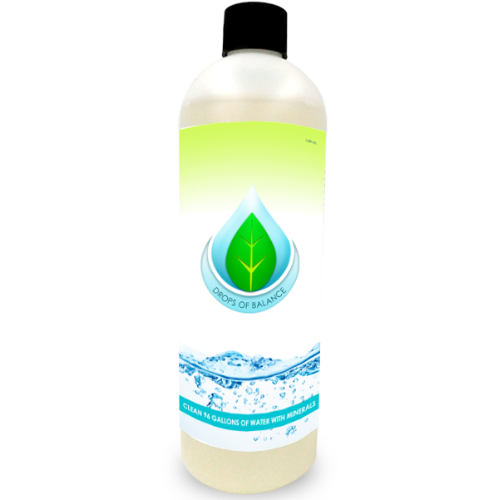
The Fix: You need to neutralize the chlorine before adding your microbes. You can let your water sit out for 24 hours (though this doesn't work for chloramines), or better yet, use a water conditioner. We highly recommend using Drops of Balance to mineralize and purify your water, ensuring a safe environment for your biologicals to thrive.
3. Poor Placement During Application
Microbes aren't like mobile scouts that will hunt down your plant’s roots from across the pot. For a microbial inoculant to be effective, it generally needs to make physical contact with the root zone or the seed.
If you are just top-dressing a dry powder on the surface of the soil and not watering it in deeply, or if your drip emitters are nowhere near the root ball, the microbes will likely stay stranded in the top layer of soil where they’ll eventually dry out and die.
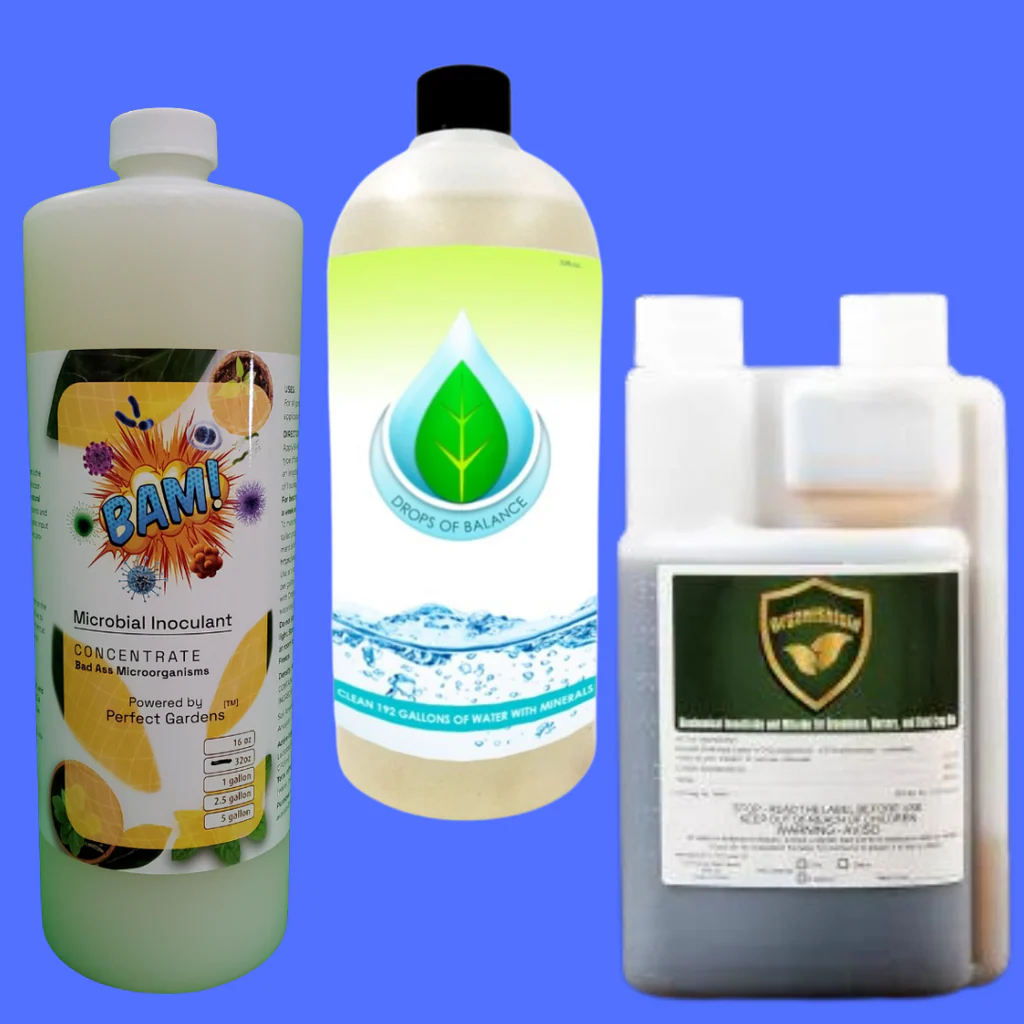
The Fix: Apply your inoculant directly to the root zone. When transplanting, dust the root ball and the planting hole with a product like Xtreme Gardening Mykos. If you're using a liquid like BAM! Microbial Inoculant, ensure you are drenching the area where the roots are actually located.
4. Using the Wrong Microbe for the Job
Not all microbes do the same thing. In the world of gardening, we usually look for two main types: Mycorrhizae (fungi) and beneficial bacteria (like Nitrogen-fixers or Trichoderma).
Using a nitrogen-fixing bacteria when your plant is already in heavy bloom and needs phosphorus-unlocking fungi is like hiring a plumber to fix your electrical wiring. It’s the "wrong bug for the job."
The Fix: Understand what you’re trying to achieve.
- Use Azos (Nitrogen-fixing bacteria) for vegetative growth and cloning.
- Use Mykos (Mycorrhizae) for root expansion and nutrient uptake.
- Use a diverse blend like BAM! for overall soil health and pathogen protection.

5. Overloading with High-Nitrogen Fertilizers
It seems counterintuitive, but if you give your plants too much "easy" food (synthetic high-nitrogen fertilizers), they will actually stop "talking" to the microbes.
In nature, plants release sugars (exudates) through their roots to attract microbes. In exchange, the microbes break down minerals for the plant. If you flood the soil with synthetic salts, the plant thinks, "Why should I waste my energy feeding these microbes when I’m already full?" The plant stops the exchange, and the microbial colony starves and dies off.
The Fix: If you are using a heavy microbial program, try to lean more toward organic or "bridge" nutrient programs. If you must use synthetics, keep your PPMs (Parts Per Million) at a reasonable level. High salt concentrations can also physically dehydrate and kill the microbes via osmotic pressure.
6. Forgetting to "Feed" the Microbes
Once the microbes are in the soil, they need to eat. While they do get some food from the plant, they perform significantly better if you provide them with a carbon source. Many growers put the microbes in but give them nothing to fuel their reproduction.
The Fix: Add a carbohydrate source to your feeding schedule. Unsulfured molasses is the gold standard here. A product like RAW Cane Molasses provides the quick-burning energy microbes need to multiply rapidly. Think of it as the "fuel" for your microbial engine.

7. Ignoring Soil pH and Environment
Microbes are tiny, but they are picky about their "neighborhood." Most beneficial bacteria and fungi prefer a specific pH range: usually between 5.5 and 7.0. If your soil or reservoir pH swings wildly to 8.0 or drops to 4.0, you are creating a toxic environment. Furthermore, microbes need oxygen. If your soil is constantly waterlogged (anaerobic), the "good" microbes die, and "bad" (pathogenic) microbes take over.
The Fix: Maintain a consistent pH and ensure your growing medium has plenty of aeration. Using fabric pots or adding perlite/rice hulls to your mix helps keep the oxygen levels high, which is essential for aerobic microbes to do their job.
Why the "Cocktail" Approach Works Best
Most successful growers don't just use one single product; they use a system. This is because different microbes support each other. For example, some bacteria produce enzymes that help fungi grow, and those fungi then transport water to the bacteria.
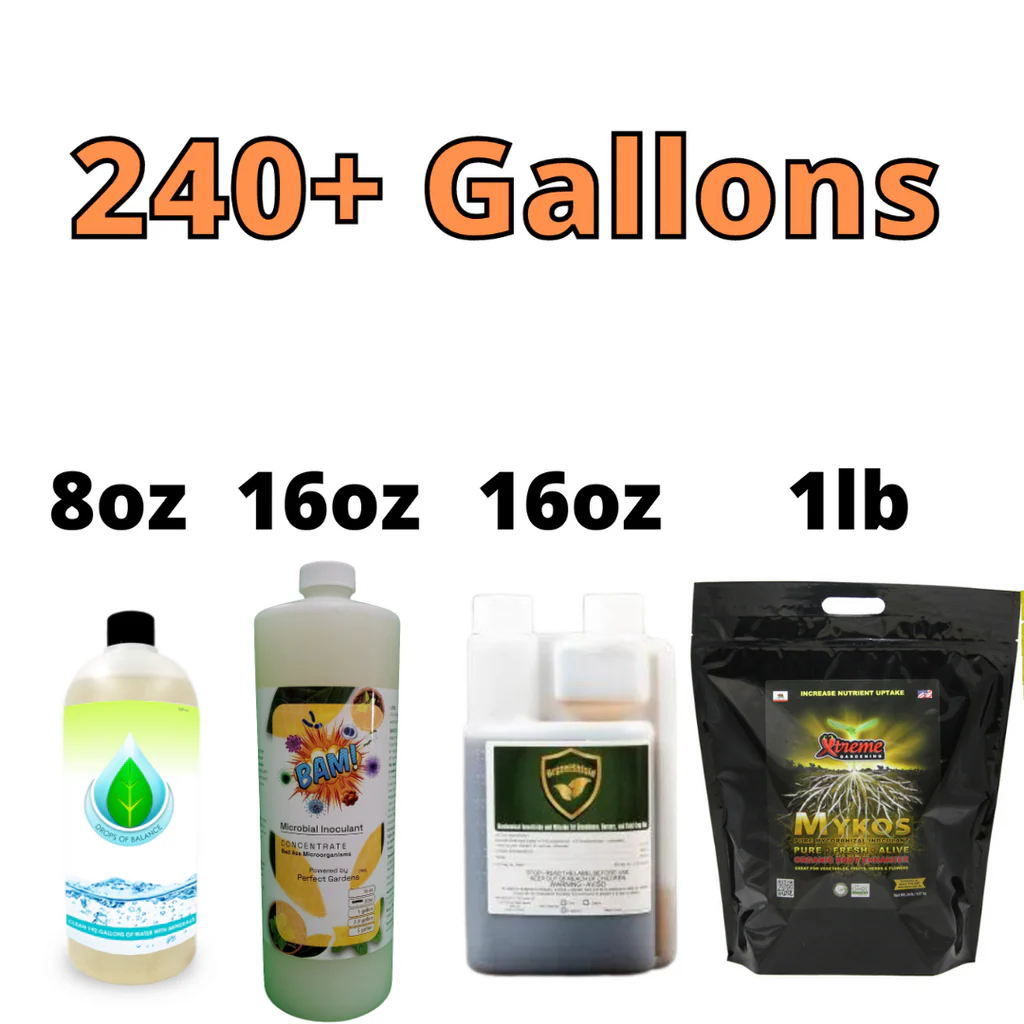
If you’re looking to get serious about soil health in 2027, the Nutrient and Microbial Inoculant Kit is a great way to start. It combines the water purification of Drops of Balance with the biological power of BAM! and Mykos.
Summary Checklist for Success
To make sure your microbial inoculant actually works, follow these quick steps:
- Check the Date: Don't use expired biologicals.
- De-chlorinate: Use filtered or treated water only.
- Target the Roots: Apply as close to the root zone as possible.
- Feed Them: Add a little molasses to kickstart the colony.
- Watch the Salts: Don't over-fertilize with synthetic salts.
- Breathe: Make sure your soil isn't a swamp; microbes need air!
The fact of the matter is that microbes are your best friends in the garden. They protect against root rot, unlock "stuck" nutrients, and help your plants handle stress like heat or drought. If you treat them like the living partners they are, they’ll reward you with the best harvest you’ve ever had.
If you have questions about which microbes are right for your specific setup: whether it's a hydroponic system or a classic soil grow: don't hesitate to reach out to us at Perfect Gardens. We're here to help you grow better, naturally.



Leave a comment
This site is protected by hCaptcha and the hCaptcha Privacy Policy and Terms of Service apply.