
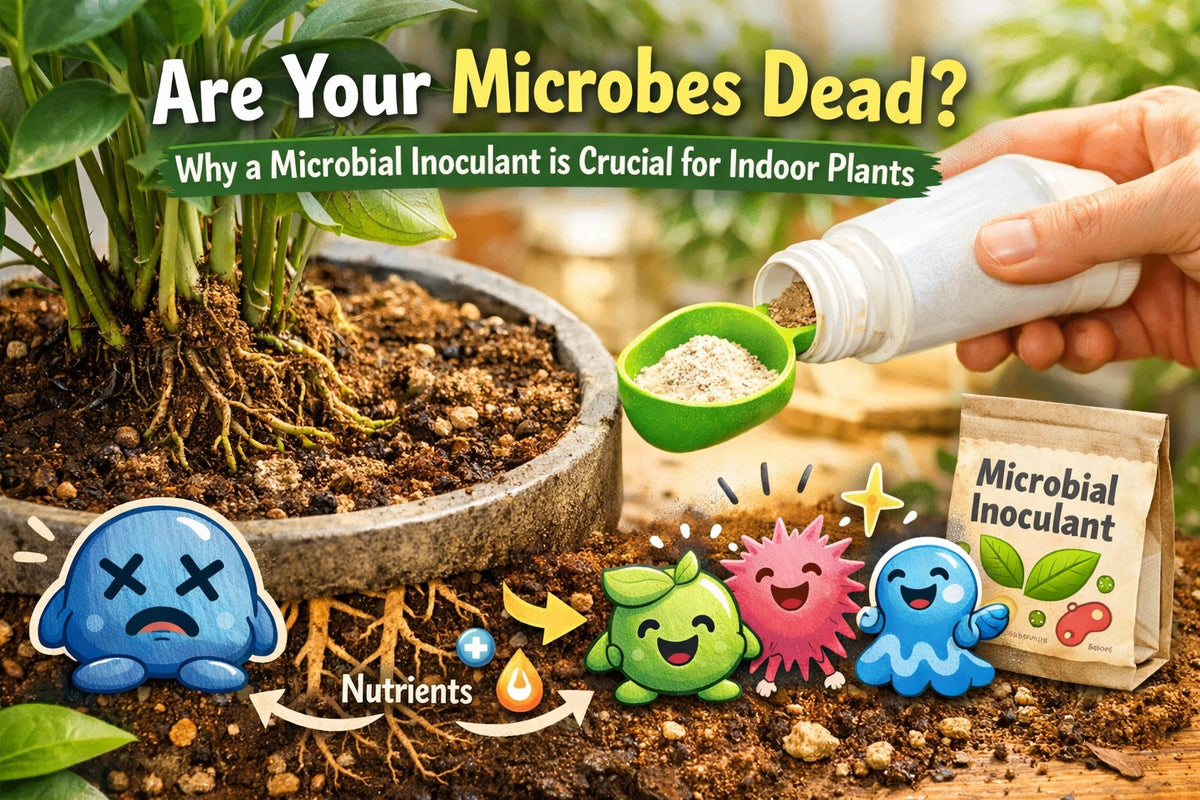
When you walk into your grow room, you likely focus on the things you can see: the vibrant green of the leaves, the thickness of the stems, and the overall height of your plants. But the most important activity in your garden is actually happening where you can’t see it, in the "rhizosphere," or the root zone.
In a natural outdoor environment, the soil is a living, breathing ecosystem teeming with billions of microscopic organisms. However, when we move our gardens indoors into pots of coco coir, peat moss, or rockwool, we are essentially working in a sterile environment. This lack of biological diversity is one of the leading causes of nutrient lockout, slow growth, and root rot.
To bridge this gap, growers use a microbial inoculant. But here is the million-dollar question: are the microbes in that bottle or bag you just bought actually alive?
The Problem with "Sterile" Indoor Growing
Most indoor growing media are designed to be inert. Manufacturers often heat-treat or steam-sterilize potting soils and coco coir to ensure they don't carry fungus gnats, pathogens, or weed seeds. While this is great for pest control, it creates a biological vacuum.
Without a healthy population of beneficial bacteria and fungi, your plants are entirely dependent on the synthetic salts you pour into the reservoir. These salts can build up over time, shifting the pH and making it harder for the plant to eat. In nature, microbes act as the "digestive system" for the plant, breaking down complex molecules into a form the roots can actually uptake. Without them, your plant is effectively sitting at a buffet with its mouth taped shut.
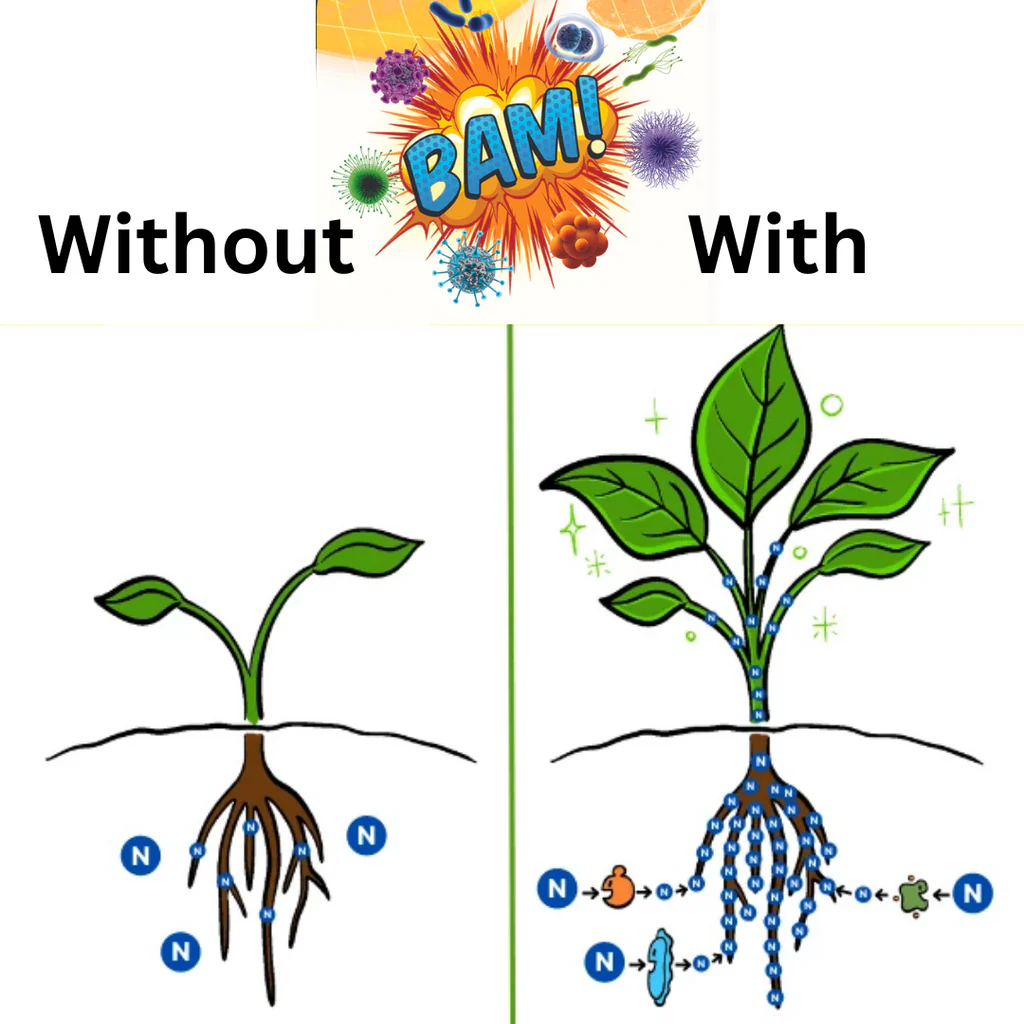
As seen in the comparison above, plants with a robust microbial community (right) develop significantly more root mass and lush foliage compared to those in a biologically "dead" medium (left).
The Shelf Life Reality Check: Are They Dead?
One of the most common misconceptions in the gardening world is that a microbial inoculant lasts forever. The truth is much more complicated. Microbes are living organisms, and like any living thing, they need specific conditions to survive.
1. Liquid vs. Powdered Inoculants
Generally speaking, powdered inoculants have a longer shelf life. In a dry, powdered state, many microbes (especially fungi like mycorrhizae) go into a dormant spore state. They can stay "asleep" for years as long as they are kept cool and dry.
Liquid inoculants are different. Once microbes are activated in a liquid solution, they start consuming oxygen and "waking up." If a bottle of liquid microbes sits in a hot warehouse or on a retail shelf for two years, the oxygen in the bottle eventually runs out, the temperature spikes, and the microbes die. When you buy a liquid product, you are looking for "fresh biology." If the bottle smells like rotten eggs or sulfur when you open it, that’s a sign that the beneficial aerobic microbes have died and been replaced by anaerobic bacteria.
2. Storage Conditions
Heat is the enemy of the microbe. If you store your nutrients and inoculants in a hot garage or a grow room that regularly hits 85°F, you are significantly shortening the lifespan of your biology. Always store your microbial products in a cool, dark place.
3. Expiration Dates
Many companies don't put expiration dates on their products, which is a major issue for the consumer. At Perfect Gardens, we emphasize using fresh batches. If you are unsure about the age of your product, it’s often better to start fresh than to rely on a dead product that won't deliver results.
Why Fresh Biology is Crucial for Indoor Setups
Using a high-quality microbial inoculant isn't just a "bonus", in an indoor setup, it’s a necessity for several reasons:
Enhanced Nutrient Uptake
Beneficial fungi, specifically mycorrhizae, grow tiny filaments called hyphae. These hyphae extend far beyond the reach of the plant's actual roots, effectively increasing the surface area of the root system by up to 1,000%. This allows the plant to "reach" phosphorus and micronutrients that would otherwise be stuck in the grow media.
Pathogen Protection
Think of your root zone like a parking lot. There are only a certain number of spaces available. If you fill those spaces with "good guys" (beneficial bacteria like Bacillus subtilis), there is no room for the "bad guys" (pathogens like Pythium or Fusarium) to park. This "competitive exclusion" is your best defense against root rot.
Drought and Stress Resistance
Microbes help the soil or media retain moisture more effectively. They produce "glomalin," a glue-like substance that improves soil structure. In a hydroponics setup, this biological activity helps the plant better manage fluctuations in water levels and temperature.

The Key Players: What to Look For
Not all inoculants are created equal. When shopping for a microbial inoculant, look for these specific "heavy hitters":
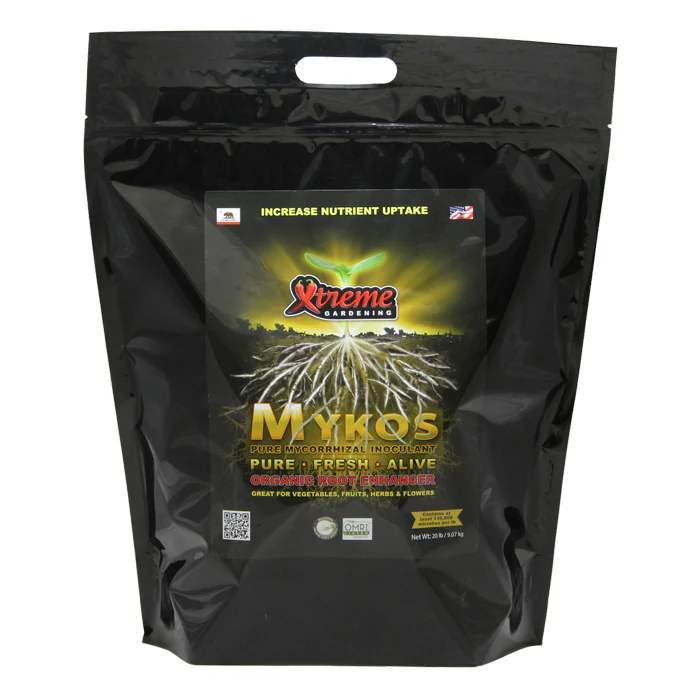
- Mycorrhizae: These are the fungal partners that expand the root system. Products like Xtreme Gardening Mykos are industry standards for establishing this symbiotic relationship early in the plant's life.
- Nitrogen-Fixing Bacteria: These bacteria take nitrogen from the air and convert it into a form the plant can use. This is especially helpful during the vegetative stage for explosive green growth.
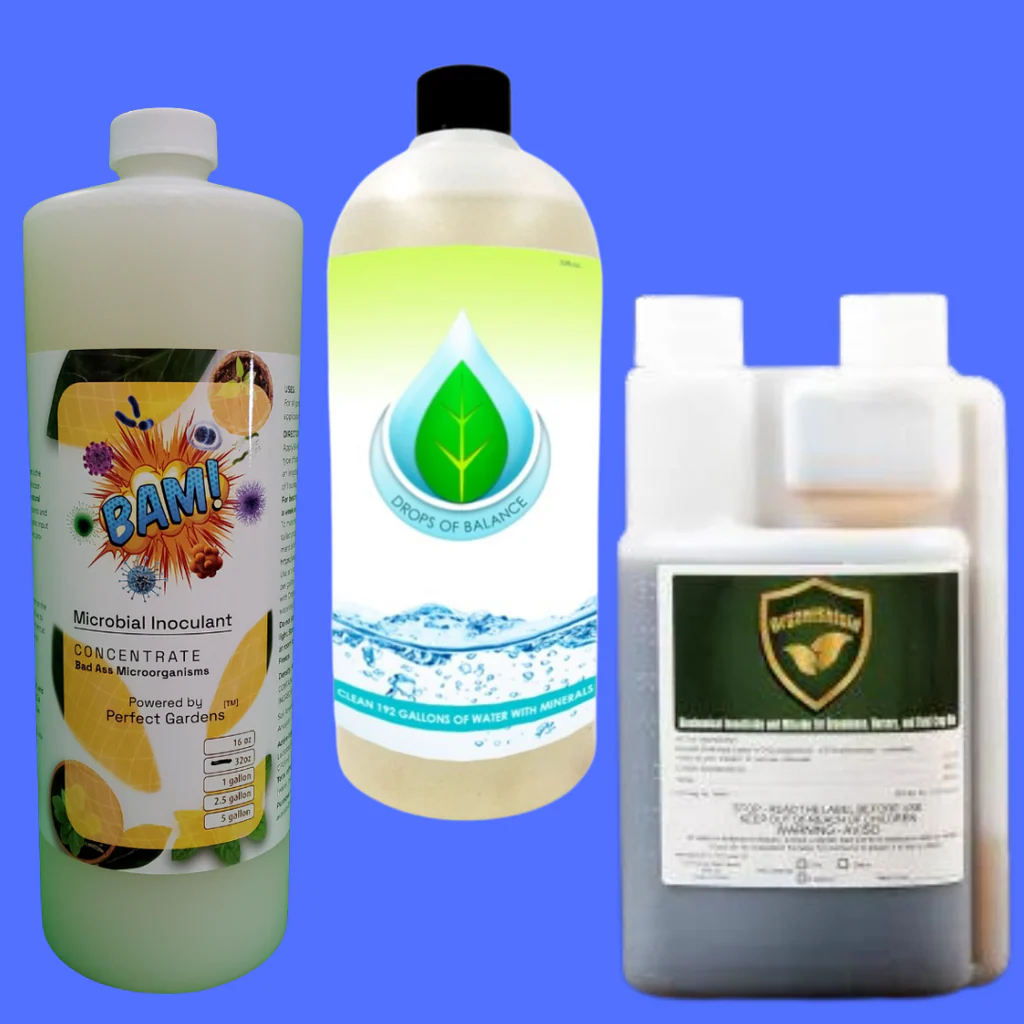
- Beneficial Bacteria (BAM!): Our proprietary BAM! (Beneficial Adaptive Microbes) is designed specifically for the rigors of indoor and hydroponic environments. It contains a diverse spectrum of bacteria that thrive in nutrient-rich solutions.
How to Apply and "Feed" Your Microbes
Simply pouring microbes into your pot isn't always enough. You need to ensure they have the right environment to thrive.
Step 1: Inoculate Early
The best time to add microbes is during the seedling or cloning stage. When you use a product like Xtreme Gardening Mykos during transplanting, you ensure the fungi are in direct contact with the roots from day one.
Step 2: Feed the Biology
Microbes need food, specifically simple sugars and carbohydrates. While plants produce some of these naturally through exudates, supplementing with a clean carbohydrate source can cause a microbial "population explosion."
Using something like RAW Cane Molasses provides an immediate energy source for the bacteria in your medium. However, a word of caution: if you are running a high-pressure aeroponic system or a very fine drip line, be careful with thick molasses as it can clog your controllers and emitters. In those cases, stick to highly filtered liquid microbial foods.

Step 3: Watch Your Water Quality
If you are using tap water, the chlorine and chloramines designed to kill bacteria in the city pipes will also kill the microbes in your soil. Before adding your microbial inoculant, ensure your water is filtered or treated. Using a product like Drops of Balance can help mineralize and purify the water, creating a safer environment for your beneficial biology to flourish.
Signs Your Microbes are Working
How do you know if your investment in biology is paying off?
- White, Fuzzy Roots: Healthy roots should look "hairy." Those tiny hairs are often the visible signs of a successful microbial colonization.
- Faster Nutrient Recovery: If your plant shows a deficiency and bounces back rapidly after a feeding, it’s a sign the microbes are facilitating quick uptake.
- Reduced "Salt Crust": You’ll notice less white salt buildup on the surface of your coco or soil because the microbes are helping the plant process those minerals more efficiently.
Conclusion: Don't Let Your Garden Go Sterile
Indoor gardening is an attempt to recreate the best parts of nature inside a controlled box. We have the LED lights to mimic the sun and the fans to mimic the wind, but we often forget the "life" in the soil.
If you’ve been using the same bottle of inoculant for three years, or if you’ve never used one at all, your plants are likely underperforming. By introducing a fresh microbial inoculant and feeding it properly, you are giving your plants the biological tools they need to reach their full genetic potential.
Ready to bring your root zone back to life? Check out our full range of beneficial microbes and start building a more resilient, high-yielding garden today. For more tips on maintaining a healthy indoor ecosystem, visit our blog news section.


Leave a comment
This site is protected by hCaptcha and the hCaptcha Privacy Policy and Terms of Service apply.