
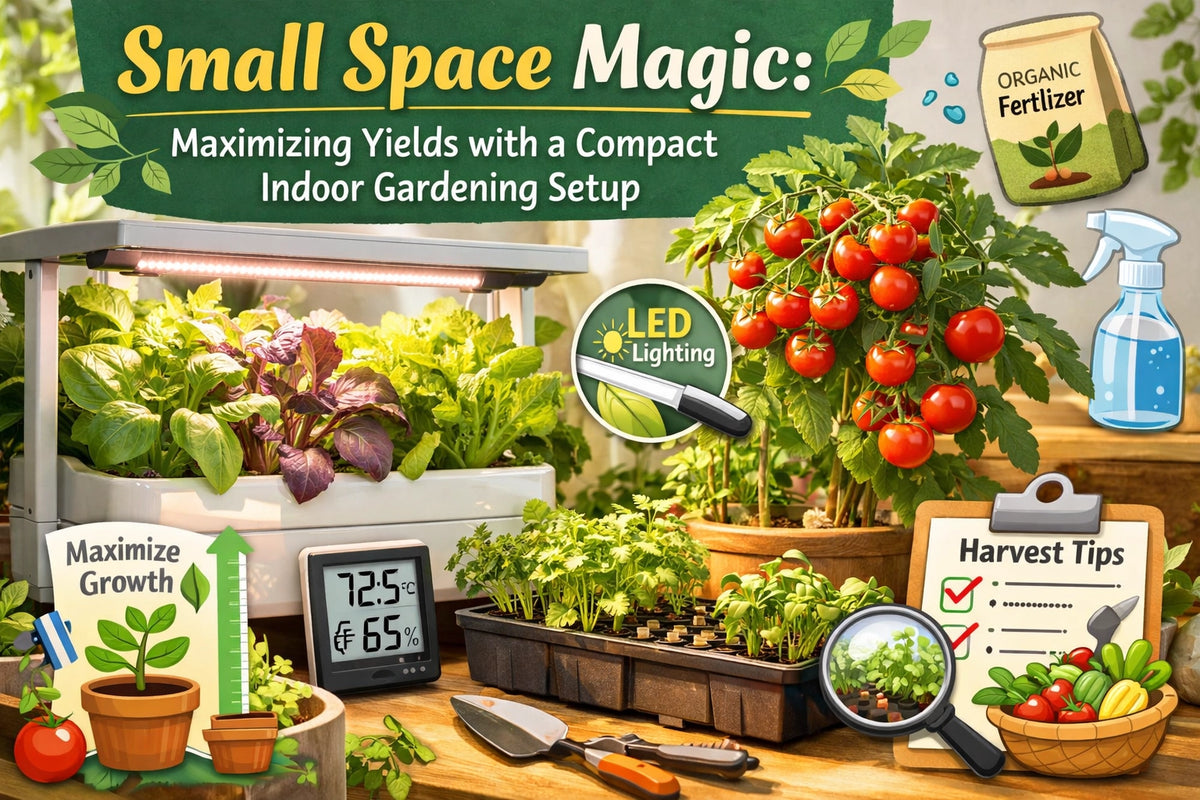
For many aspiring growers, the dream of a lush, productive garden often hits a concrete wall, literally. Living in an apartment or a home with limited square footage can make the prospect of a traditional garden seem impossible. However, the rise of the "micro-grow" movement has proven that you don’t need an acre of land to produce high-quality harvests. With a strategic indoor gardening setup, you can turn a spare closet, a corner of your office, or even a vertical slice of your kitchen into a high-yield sanctuary.
Maximizing yields in a compact space isn't just about cramming as many plants as possible into a corner; it’s about efficiency, environmental control, and choosing the right technology. When space is your primary constraint, every inch must be intentional.
1. The Foundation: Assessing Your Footprint and Going Vertical
The first mistake most beginners make is thinking only in terms of floor space. In a small apartment, your floor is valuable real estate. To succeed, you must learn to think vertically. Vertical gardening allows you to stack your production, effectively doubling or tripling your canopy area without increasing the size of your footprint.
When selecting an area for your indoor gardening setup, look for "dead spaces." This could be a pantry, the area under a staircase, or a small section of a bedroom. Once you’ve identified the spot, the most effective way to manage that environment is through a dedicated grow tent.

A compact tent, like a 2'x2' model, provides several advantages for small-space growers. It contains the mess, manages light leaks, and allows you to control the humidity and temperature far more easily than an open room would. The 2000D canvas models are particularly useful because they offer superior insulation and light reflection, ensuring that every lumen produced by your lights is directed back onto the plants.
2. Choosing the Right Hydroponic System for Small Apartments
Soil gardening is classic, but for small apartments, hydroponics is often the superior choice. Soil can be heavy, messy, and prone to bringing in pests like fungus gnats. Hydroponic systems, on the other hand, are cleaner and typically result in faster growth rates: meaning you can rotate crops more frequently.
For a compact setup, you have three main contenders:
- Deep Water Culture (DWC): This is perhaps the simplest and most effective for small spaces. A single "Bubble Bucket" can support a surprisingly large plant. The roots sit in highly oxygenated nutrient solution, leading to explosive growth.
- Aeroponics: If you are focused on propagation or growing many small plants, systems like the Psycloner use a fine mist to deliver nutrients. This is incredibly space-efficient but requires more diligent monitoring of the pump and nozzles.
- Vertical NFT (Nutrient Film Technique): These systems use PVC pipes or channels stacked on top of one another. Water flows down the levels, feeding the roots as it goes. This is the gold standard for leafy greens and herbs in tight quarters.
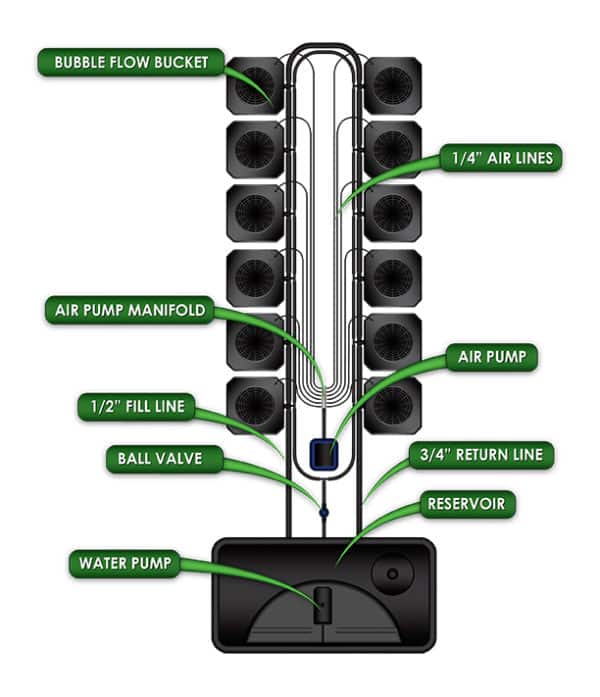
The fact of the matter is that in a small space, you want a system that is "closed." Open reservoirs increase humidity in your living space and can lead to mold issues. A self-contained bucket system or a modular vertical rack keeps the water where it belongs.
3. Lighting: High Intensity, Low Heat
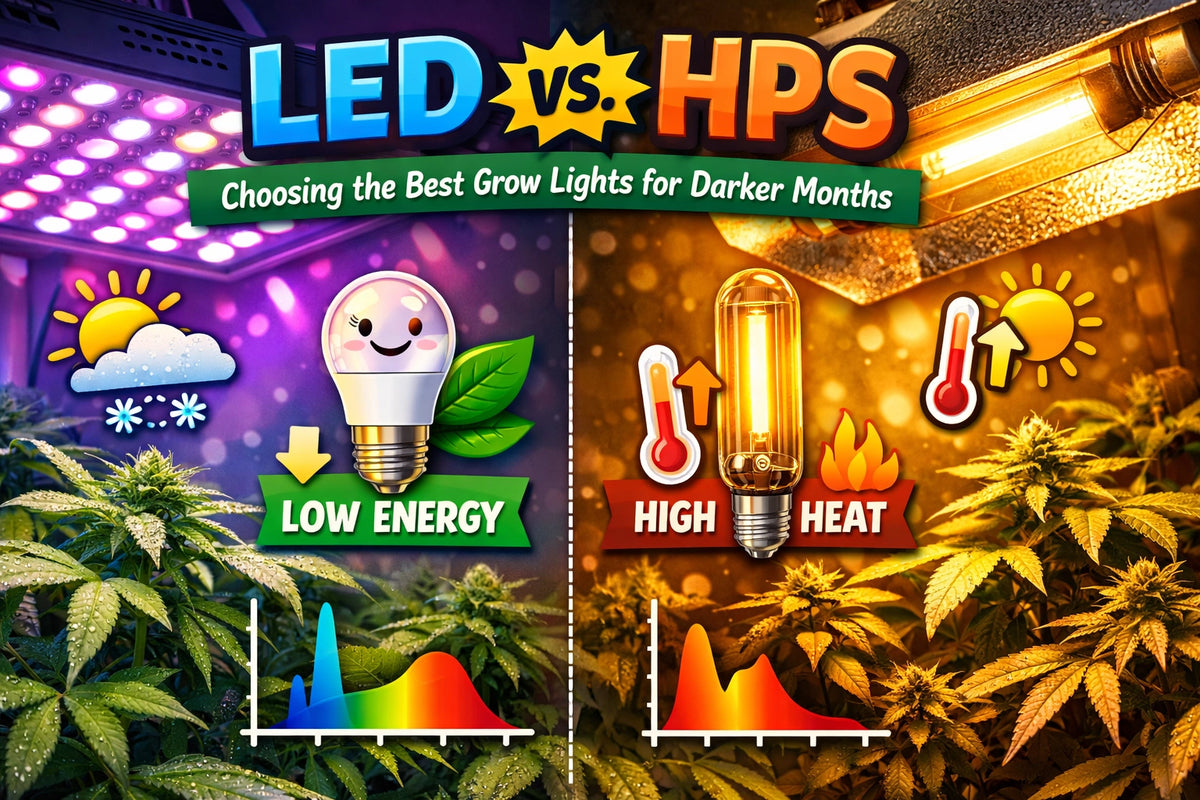
In a 2'x2' or 3'x3' area, heat is your greatest enemy. Traditional HPS (High-Pressure Sodium) lights emit an incredible amount of heat, which can quickly cook your plants in a small tent. This is why LED technology has revolutionized the compact indoor gardening setup.
Modern LED lights provide a full spectrum of light while running significantly cooler. Brands like Medic Grow and KIND LED have developed fixtures specifically designed to provide deep canopy penetration without the scorching heat of older bulbs.
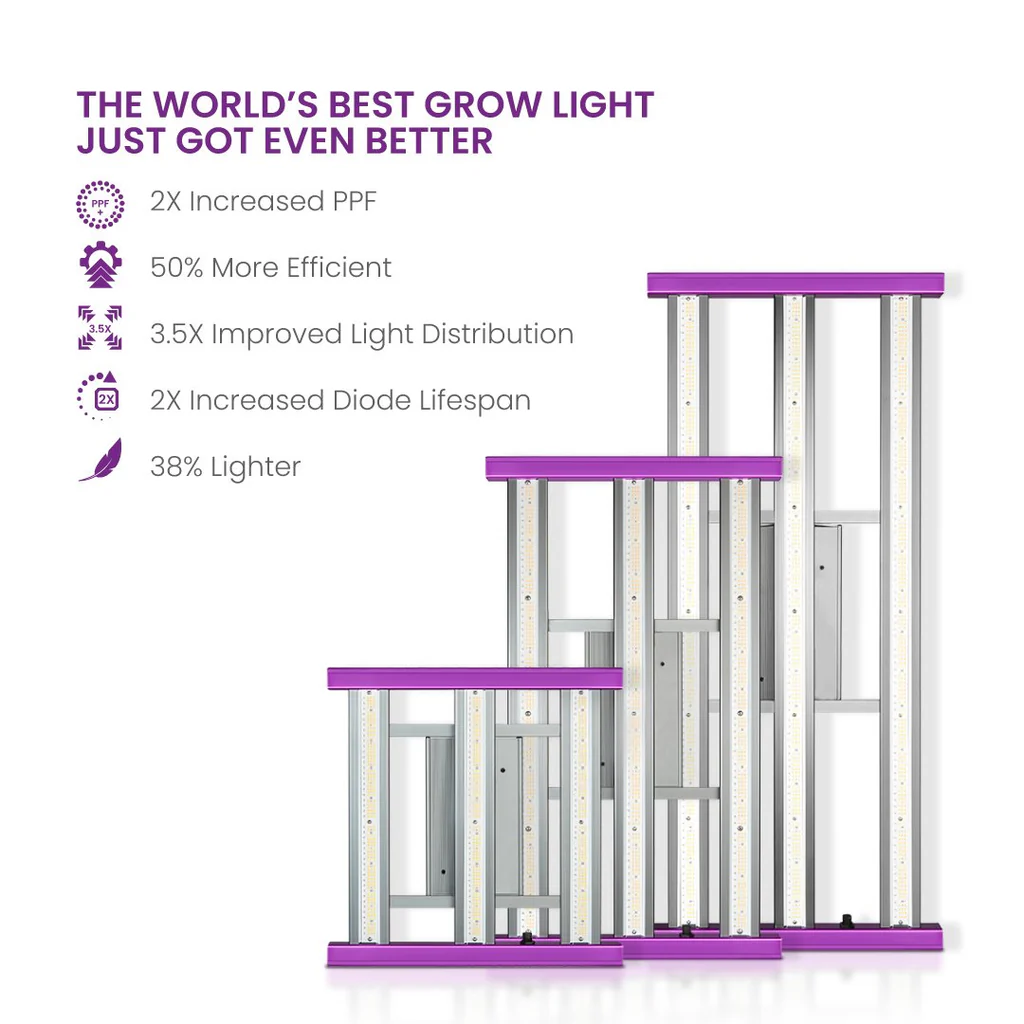
When choosing a light for a small space, look for "dimmability." During the seedling stage, your plants don’t need 100% power. Being able to dial back the intensity not only saves on your electricity bill but also helps manage the micro-climate inside your tent.
Pro Tip: In a small tent, light reflects off the walls. Using a tent with high-quality mylar lining helps ensure that the lower leaves of your plants receive enough light, preventing the "leggy" or stretched growth that often plagues indoor gardens.
4. What to Grow: Maximizing ROI per Square Inch
In a small space, you have to be picky. Growing a massive pumpkin in an apartment is a fun experiment, but it’s not an efficient use of space. To maximize your yield, focus on high-turnover or high-value crops.
- Leafy Greens & Herbs: Lettuce, kale, basil, and cilantro are perfect. They have shallow root systems, don't require high-intensity light, and can be harvested "cut-and-come-again" style.
- Microgreens: These are the kings of yield per square inch. You can grow them in trays on a simple shelving unit. From seed to harvest in 7-14 days, the turnover is incredible.
- Compact Cultivars: Many seed companies now offer "patio" or "dwarf" varieties of tomatoes and peppers. These plants are bred to stay short and bushy rather than tall and vine-like.

5. Airflow and Odor Control
One thing beginners often overlook in a small apartment setup is the "living room factor." You are likely living, sleeping, and eating near your garden. Without proper ventilation, the humidity can make your living space feel like a swamp, and the smell of certain plants (even herbs like heavy basil) can become overwhelming.
A small inline fan and carbon filter are non-negotiable. This setup creates "negative pressure" inside your grow tent, meaning air is constantly being sucked into the tent and exhausted through a filter. This prevents smells from leaking out and ensures your plants always have a fresh supply of CO2 for photosynthesis.
For management, using controllers can automate this process. You can set your fan to kick into high gear only when the temperature or humidity hits a certain threshold, which also helps keep the noise level down: a major plus for apartment dwellers.
6. Maintenance and Training Techniques
Because space is limited, you cannot let your plants grow wild. You must be the "architect" of your garden. This involves two main strategies:
Pruning and Defoliation
In a dense, compact garden, airflow is restricted. You must regularly remove the lower, shaded leaves that aren't receiving light. This improves airflow around the base of the plant, reducing the risk of root rot and powdery mildew.
Low-Stress Training (LST)
Instead of letting a plant grow into one tall spike, you can gently bend and tie down the branches. This encourages the plant to grow horizontally, creating a flat "sea of green" that utilizes your light much more efficiently.

Using tools like a plant tapener or soft ties allows you to manipulate the plant's shape without causing significant stress. This is essential in a short tent where your plant might otherwise grow too close to the light and suffer from light burn.
7. The Role of Microbes in Small Systems
In a large outdoor garden, the soil is a complex ecosystem. In a small indoor hydroponic or coco-coir setup, that ecosystem is often missing. This is where microbial inoculants come in. Introducing beneficial bacteria and fungi (like mycorrhizae) can help your plants uptake nutrients more efficiently.
In a small space, you want your plants to be as healthy as possible to maximize every ounce of yield. Microbes act as a buffer against pH swings and help protect the roots in the confined environment of a bucket or small pot.
Common Pitfalls to Avoid
It’s easy to get overexcited and make mistakes. Here are a few "cautionary" points for the small-space grower:
- Overcrowding: It is tempting to put four plants in a 2'x2' space. The reality is that one well-trained, healthy plant will often out-yield four stunted, crowded plants.
- Ignoring Humidity: Small spaces heat up and humidify quickly. If your humidity stays above 70% during the flowering or fruiting stage, you are inviting mold. Always monitor your levels.
- Inconsistent Feeding: Because the reservoirs in small hydroponic systems are smaller, the plants can drink through the water quickly, causing nutrient concentrations to spike. Check your water levels daily.
Creating Your Own Urban Oasis
The magic of a compact indoor gardening setup is that it brings the reward of the harvest into the most unlikely places. By focusing on verticality, choosing efficient LED lighting, and utilizing clean hydroponic methods, you can produce a surprising amount of food or medicine in just a few square feet.
Whether you're starting with a simple herb rack or a fully automated 2'x2' grow tent, the key is consistency and environmental control. Start small, learn how your plants respond to the confined space, and gradually scale your techniques.
Ready to build your setup? Explore our tents and film collection to find the perfect fit for your home, and don't forget to check out our blog for more deep dives into maximizing your indoor yields.

Leave a comment
This site is protected by hCaptcha and the hCaptcha Privacy Policy and Terms of Service apply.