
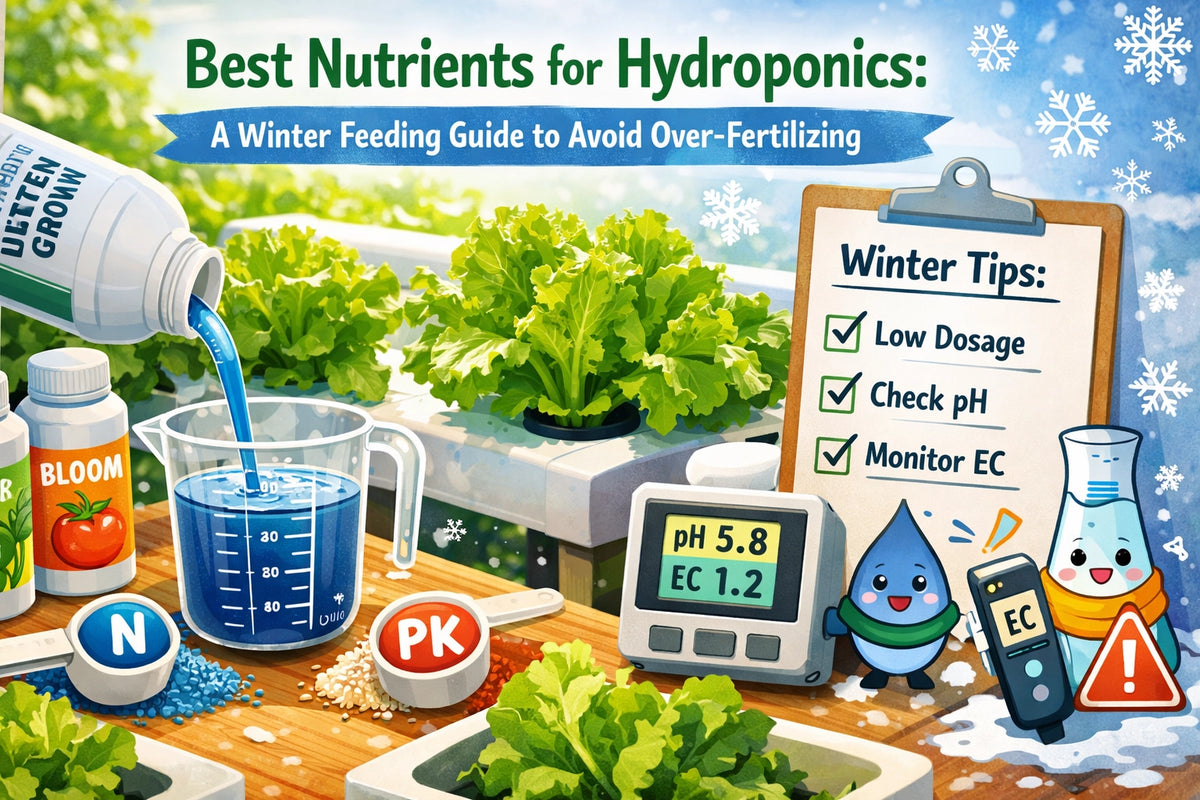
As the outside temperatures drop and the days get shorter, many indoor gardeners assume their grow room is a sanctuary unaffected by the seasons. While it’s true that you control the environment, your plants are still biologically tuned to the world around them. In the winter, even in a climate-controlled room, plants tend to slow down. Their metabolism shifts, their water intake changes, and most importantly, their nutritional needs transform.
One of the most common mistakes hydroponic growers make during the winter months is "loving their plants to death." In an effort to compensate for slower growth, growers often reach for more bottles, increasing the concentration of their hydroponics nutrients. This almost always backfires.
In this guide, we’re going to dive into why winter feeding requires a lighter touch, how to identify the "best nutrients for hydroponics" for the cold season, and how to avoid the dreaded nutrient lockout that ruins harvests.
The Science of the "Winter Slowdown"
To understand how to feed your plants, you first have to understand their metabolism. In the summer, high temperatures and intense light drive high rates of transpiration. Transpiration is essentially the plant "sweating", water evaporates from the leaves, creating a vacuum that pulls more water and nutrients up through the roots.
In the winter, indoor rooms are often cooler and the air may be drier or more stagnant. Even if you are using high-quality LED lights, the ambient temperature in the root zone often drops. When the roots are cold, the plant’s internal chemistry slows down. It doesn't need as much fuel because it isn't working as hard to cool itself or build new tissue.
If you continue to feed your plants the same "heavy" nutrient schedule you used in August, you aren't helping them grow faster; you are simply saturating the medium with salts they can't use.
The Dangers of Over-Feeding and Salt Buildup
When a plant drinks less water but you continue to provide high concentrations of minerals, those minerals have nowhere to go. They begin to crystallize and bond to your grow media or the walls of your hydroponic systems.
This leads to a "hot" reservoir. As water evaporates or is slowly taken up, the remaining solution becomes hyper-concentrated. This is where the danger of over-fertilizing becomes a reality. High salt concentrations in the root zone can actually pull water out of the plant through osmosis, causing "nutrient burn", characterized by crispy, brown leaf tips and stunted growth.

Understanding Nutrient Lockout
The ultimate consequence of over-feeding during the winter is nutrient lockout. Nutrient lockout occurs when the plant is physically unable to absorb specific elements, even if they are present in the water.
In winter, this usually happens for two reasons:
- pH Swings: As salts build up from over-feeding, the pH of your solution will often crash or spike. Most hydroponic plants need a pH between 5.5 and 6.5. Once you drift outside of this range, certain elements like Iron or Phosphorus become chemically unavailable.
- Antagonism: Excess of one nutrient can "lock out" another. For example, too much Calcium can interfere with the uptake of Potassium and Magnesium.
If you see your leaves turning yellow or showing spots in December, your first instinct might be to add more fertilizer. Don't do it. This is usually a sign of lockout, not a deficiency. Adding more nutrients to a locked-out plant is like trying to put more gas into a car with a clogged fuel line, it’s just going to overflow and cause a mess.
Finding the Best Nutrients for Hydroponics in Winter
When looking for the best nutrients for hydroponics during the colder months, you want to look for stability and bioavailability. Because the plant’s metabolism is slow, you want "clean" minerals that are easily absorbed without requiring massive amounts of energy from the plant to process.
A standard for winter feeding often follows the Modified Sonneveld Solution. This provides a balanced profile that doesn't overload the plant:
- Nitrogen (N): ~150 ppm
- Potassium (K): ~210 ppm
- Phosphorus (P): ~31 ppm
- Calcium (Ca): ~90 ppm
- Magnesium (Mg): ~24 ppm
Using a high-quality mineral concentrate allows you to precisely control these levels. In winter, we often recommend cutting your standard feeding strength by 20% to 30%. You can always add more later, but taking it out is much harder.

The Role of Water Quality and Temperature
Your nutrient solution is only as good as the water you start with. In the winter, tap water often arrives much colder and with different chemical treatments than in the summer.
Root Zone Temperature: For optimal nutrient uptake, your reservoir should stay between 68°F and 70°F (20°C-21°C). If your water is 60°F or lower, the plant’s ability to take up Phosphorus drops significantly. If your grow room is on a cold concrete floor, consider using insulating mats or a small reservoir heater to keep those roots in the "goldilocks zone."
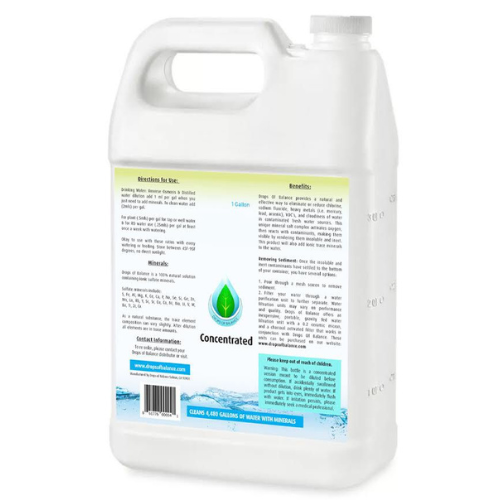
Mineral Balancing: Using a product like Drops of Balance can help purify the water and provide essential trace minerals that act as catalysts for nutrient uptake. When the plant is moving slowly, these trace minerals are like the grease that keeps the metabolic gears turning.
Boosting Uptake with Microbes
If you are worried about nutrient lockout or slow growth, the answer isn't more N-P-K. The answer is biology.
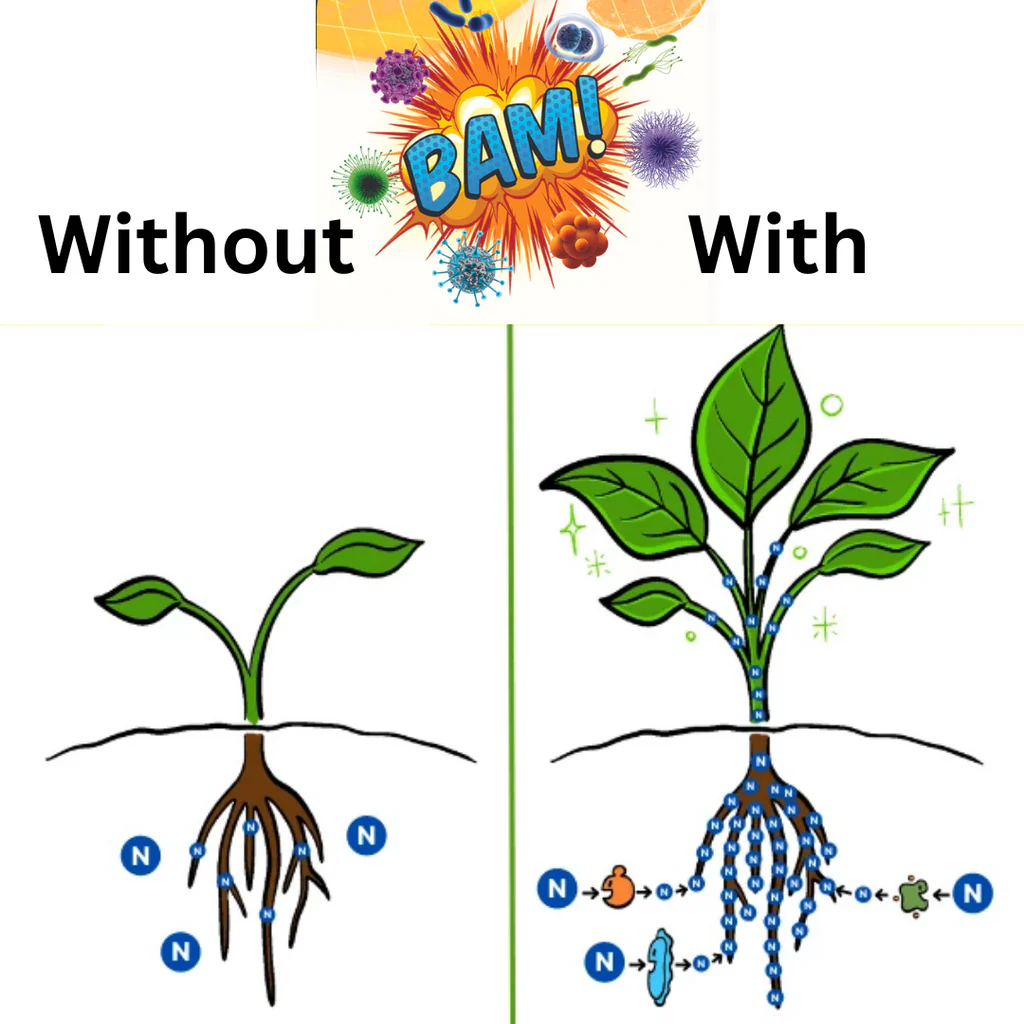
Beneficial microbes and mycorrhizae act as an extension of the plant's root system. They break down complex salts and deliver them directly to the roots in a form the plant can easily digest. This is especially critical in winter when the plant's natural "appetite" is low.
- BAM! Microbial Inoculant: Adding beneficial bacteria helps maintain a healthy root zone and prevents pathogens like root rot, which can thrive in the stagnant, cool conditions of a winter reservoir.
- Mykos Mycorrhizae: This fungi creates a symbiotic relationship with the roots, drastically increasing the surface area for nutrient absorption.
By using microbes, you can actually feed less fertilizer while the plant receives more nutrition. It’s the most efficient way to garden in the off-season.
Maintenance Routine for Winter Success
To avoid the pitfalls of winter gardening, you need a disciplined maintenance schedule. You can't just "set it and forget it" like you might during the vigorous growth of spring.
- Test Weekly: Check your pH and EC (Electrical Conductivity) at least twice a week. If the EC is rising while the water level is dropping, your plant is taking in water but leaving the nutrients behind: this is a clear sign to dilute your solution.
- Solution Replacement: Replace your entire nutrient reservoir every 7 to 14 days. This prevents the "toxic soup" effect where unused minerals build up to dangerous levels.
- The Flush: If you suspect you’ve over-fed, don't wait. Use a detox kit or a gentle flush of pH-balanced water to clear out excess salts before resetting your nutrient schedule.
- Monitor Humidity: Winter air is often dry. Low humidity can cause plants to transpire too fast despite the cold, leading them to pull up too many nutrients and causing tip burn. Keep your humidity in a steady range (40-60%) to keep the feeding rate predictable.
Conclusion: Less is More
The secret to mastering winter hydroponics is realizing that your plants are in a different "gear." By selecting the best nutrients for hydroponics, keeping your root zone warm, and leaning on beneficial microbes rather than heavy chemical loads, you can avoid nutrient lockout and over-fertilization.
At Perfect Gardens, we believe in working with the plant's natural rhythm. This winter, try backing off the PPMs, focusing on water quality, and letting the microbes do the heavy lifting. Your harvest will thank you.
If you’re looking to optimize your winter setup, check out our full range of controllers and nutrient solutions to keep your garden thriving until spring.



Leave a comment
This site is protected by hCaptcha and the hCaptcha Privacy Policy and Terms of Service apply.