
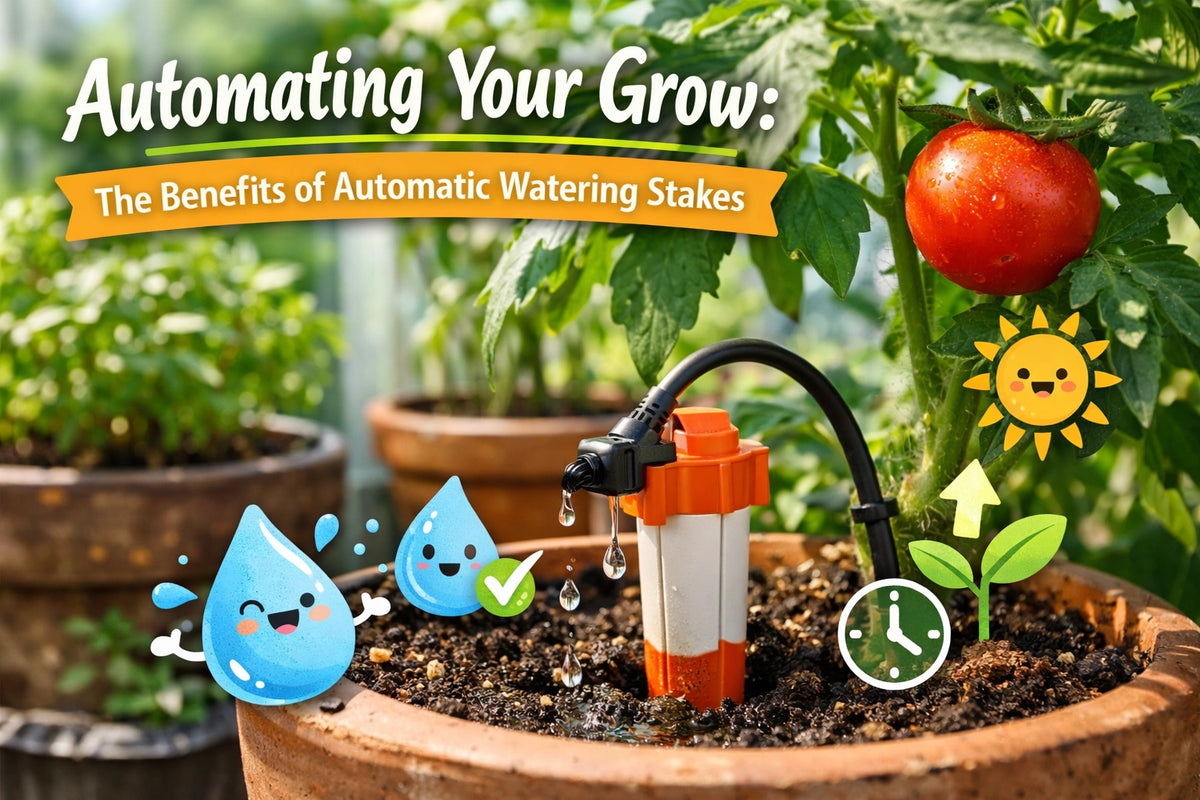
Interactive Breakdown: 1. Ceramic Sensor Tip, 2. Adjustable Flow Valve, 3. Feeder Tube Connection, 4. Moisture-Sensing Porous Housing.
Let’s be honest for a second: gardening is a lot of work. We love it, obviously, but if you’ve ever had to hand-water a dozen five-gallon pots in the middle of a heatwave or while you’re trying to enjoy a long weekend away, you know the struggle. It’s tedious, it’s easy to mess up, and your plants are the ones that pay the price when your schedule gets hectic.
The fact of the matter is that consistency is the "secret sauce" to massive yields and healthy plants. If your moisture levels are swinging from "bone dry" to "swampy" every few days, your plants are spending more energy dealing with stress than they are growing big, beautiful flowers. This is where automation comes in, and specifically, why automatic watering stakes have become a game-changer for the Army of Growers.
In this guide, we’re going to break down why these stakes are more than just a convenience: they are a biological advantage for your garden.
What Exactly Are Automatic Watering Stakes?
Before we dive into the "why," let’s look at the "what." Automatic watering stakes (often called ceramic spikes or Blumat-style systems) are devices inserted directly into the growing medium. They use various methods: gravity, capillary action, or pressure: to deliver water directly to the root zone.
Unlike a standard drip emitter that just sits on top of the soil and drips at a set rate regardless of whether the plant needs it, many high-quality stakes act as sensors. They "sense" when the soil is dry and release water accordingly. This creates a closed-loop system where the plant essentially decides when it's thirsty.

1. Deep Root Development: Stop Making Your Plants "Lazy"
One of the biggest mistakes indoor growers make is "surface watering." When you pour water on top of the soil, the moisture often stays in the top few inches. Your roots, being smart but lazy, will congregate where the water is. This leads to a shallow root system.
Automatic watering stakes deliver water deep into the ground or the pot. By releasing moisture through a perforated or porous shaft several inches below the surface, you encourage the roots to grow downward.
Why does this matter?
- Stability: Deeper roots mean a more stable plant that can support heavier yields without leaning or snapping.
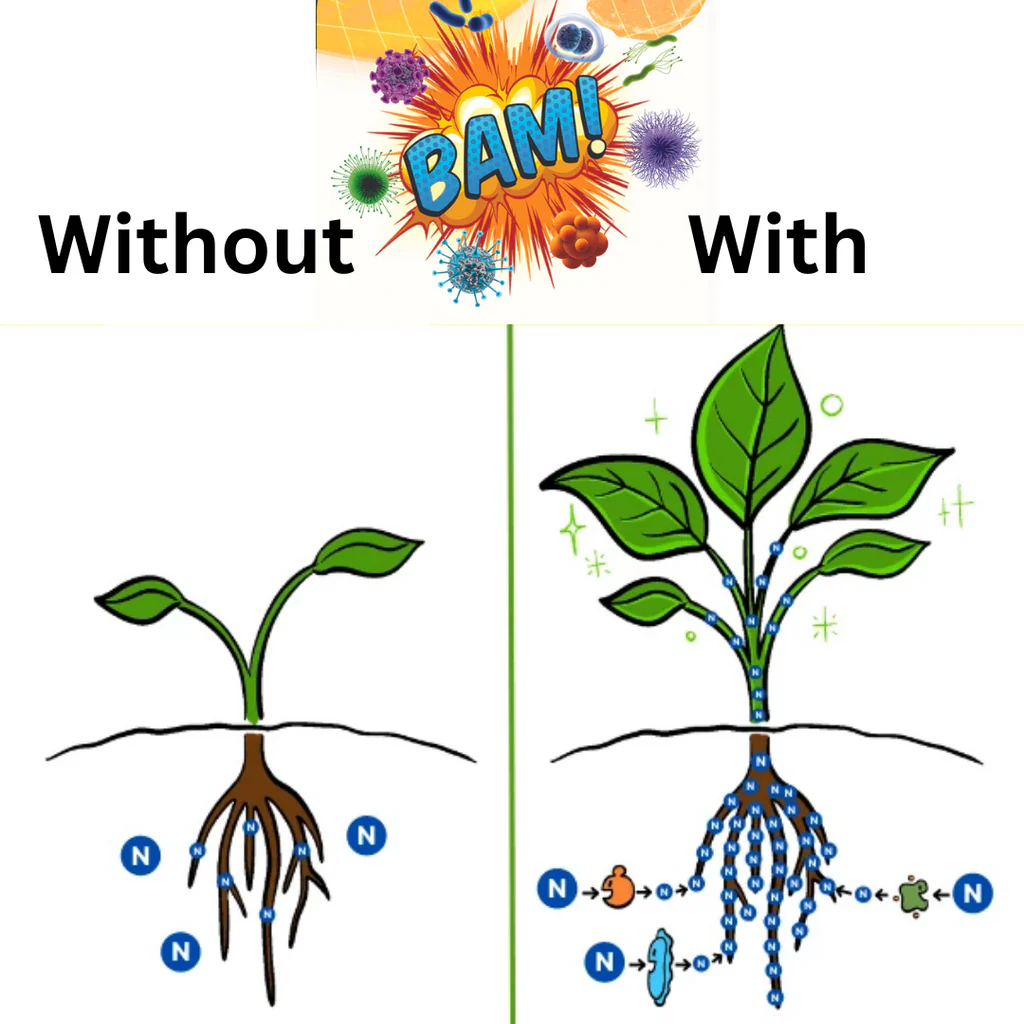
- Nutrient Access: A larger, deeper root mass has more surface area to interact with beneficial microbes and absorb minerals.
- Resilience: If your reservoir ever runs dry, a plant with deep roots is much more likely to survive because it has access to moisture deep in the medium that hasn't evaporated yet.
2. Direct Delivery of Oxygen and Nutrients
In a traditional top-watering setup, water often finds the "path of least resistance." This is called "channeling." The water creates a little tunnel down the side of the pot and drains out the bottom, leaving huge chunks of the root ball completely dry.
Watering stakes solve this by delivering the solution directly to the core of the root zone. Furthermore, because these systems often use thin tubing and consistent pressure, they allow for a steady flow of oxygen to the roots. Remember: roots need to breathe just as much as they need to drink. A waterlogged pot from heavy hand-watering drowns the roots; a steady "sip" from a stake keeps the oxygen levels high.
If you are using plant nutrient packages, a stake system ensures those nutrients are delivered evenly. You don’t have to worry about "hot spots" where salts build up because the constant moisture helps keep those minerals in a plant-available state.
3. Water and Time Efficiency
We’ve all been there: you’re in a rush, you dump a gallon of water into a pot, and half of it immediately runs out of the bottom of your fabric grow pots and onto the floor. That’s wasted water, wasted nutrients, and a mess to clean up.
Automation is the cure for waste.
- Zero Runoff: Because the stakes deliver water slowly, the medium has time to absorb every drop.
- Reduced Evaporation: Since the water is being delivered underground/under-surface, you lose far less moisture to the air and your grow lights.
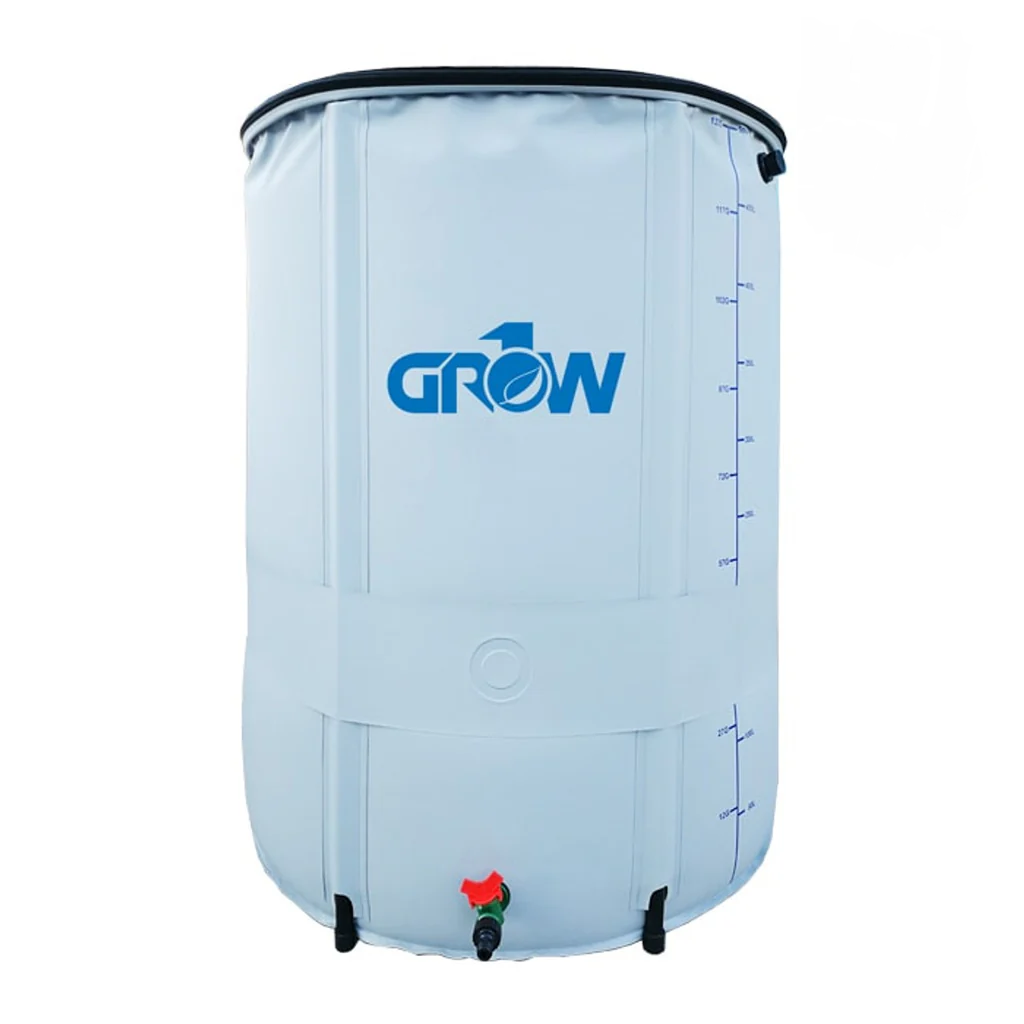
- The "Vacation" Factor: It seems more like a luxury until you actually need it. With a large enough reservoir, like the Grow1 collapsible water storage tank, you can leave your garden for a week or more knowing your plants are getting exactly what they need.
4. Integrating Microbes and Minerals
One common misconception is that you can only run plain water through stakes. That is not the case. While you do need to be careful about clogging (which we will cover in the maintenance section), these systems are fantastic for delivering mineral supplements like Drops of Balance.
By adding minerals and microbial inoculants to your reservoir, you are essentially "spoon-feeding" your plants 24/7. Instead of a massive "feast and famine" cycle, the plants get a steady stream of biology.
 Visual Concept: A diagram showing a central reservoir with a siphon system feeding multiple watering stakes in a multi-tent setup.
If you’re running a more complex setup, you can even use a Garden Hose & Drip Siphon System to treat thousands of gallons with microbes and minerals before it even hits your distribution lines.
Setup Tips for Success
If you’re ready to pull the trigger on a stake system, there are a few things you need to get right from day one:
- Gravity vs. Pumps: If your reservoir is higher than your plants, gravity will do the work. If your reservoir is on the ground, you’ll need a small pump and a timer. Most growers find that a gravity-fed system is more reliable because there are fewer mechanical parts to fail.
- The "Dial-In" Phase: Don’t just set it and forget it on day one. Spend a week watching your plants. If the soil feels too crunchy, open the valves a bit. If you see algae growing on the surface of your medium, you might be over-watering.
- Reservoir Maintenance: Always keep your reservoir covered. Light hitting your nutrient solution will lead to algae growth, which will absolutely clog your stakes. Using something like Black and White Panda Film to cover your reservoir or line your room can help control light and temperature.
Caution: The Limitations of Watering Stakes
We want to be even-handed here: no system is perfect. While watering stakes are incredible, they do require a bit of "grower's intuition."
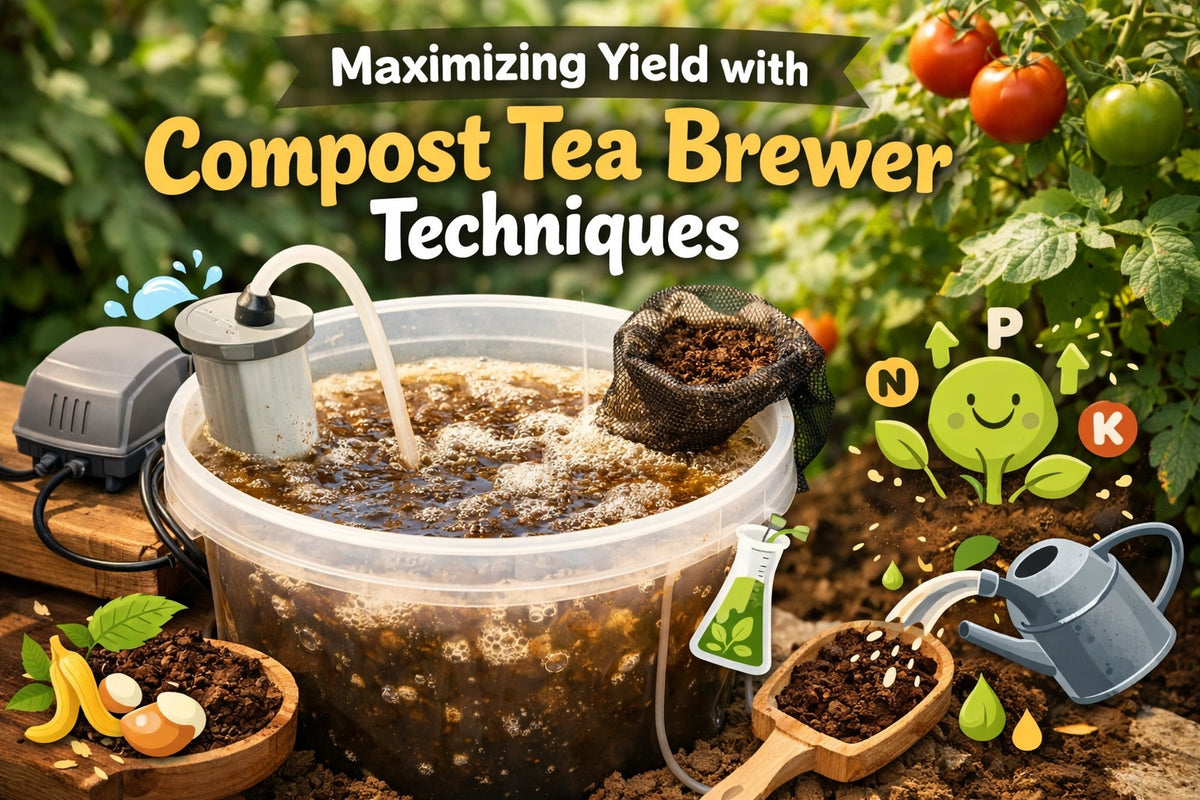
1. Clogging: This is the #1 enemy. If you are using thick, organic teas or heavy molasses, stakes are probably not for you. These systems work best with "clean" mineral salts and thin microbial liquids. 2. Salt Buildup: Because there is no "runoff" to flush the pots, salts can eventually build up in the medium. We recommend doing a manual "top-flush" once every few weeks to wash away any accumulated minerals. 3. The Learning Curve: It takes a minute to understand how to "prime" the ceramic stakes. If you don't soak the ceramic tips in water before installing them, they won't create the necessary vacuum to pull water from the reservoir.
Why Consistency Wins Every Time
At the end of the day, your plants love a routine. They don't want surprises. By using automatic watering stakes, you are providing the most stable environment possible for the root zone.
When the roots are happy, the rest of the plant follows suit. You’ll see faster veg times, tighter internodal spacing, and a much more resilient plant overall. Plus, you get your time back. Instead of spending an hour every day with a watering can, you can spend that time training your canopy, checking for pests, or watching our grow help videos to level up your knowledge.
If you’re tired of being a slave to your watering schedule, it’s time to look into automation. It’s one of the best investments you can make for the longevity of your hobby and the quality of your harvest.
Ready to build your system? Check out our collections to find everything from reservoirs to the stakes themselves. If you have questions about which setup is right for your specific tent size, don't hesitate to contact us: we're here to help you grow your best garden yet.


Leave a comment
This site is protected by hCaptcha and the hCaptcha Privacy Policy and Terms of Service apply.