
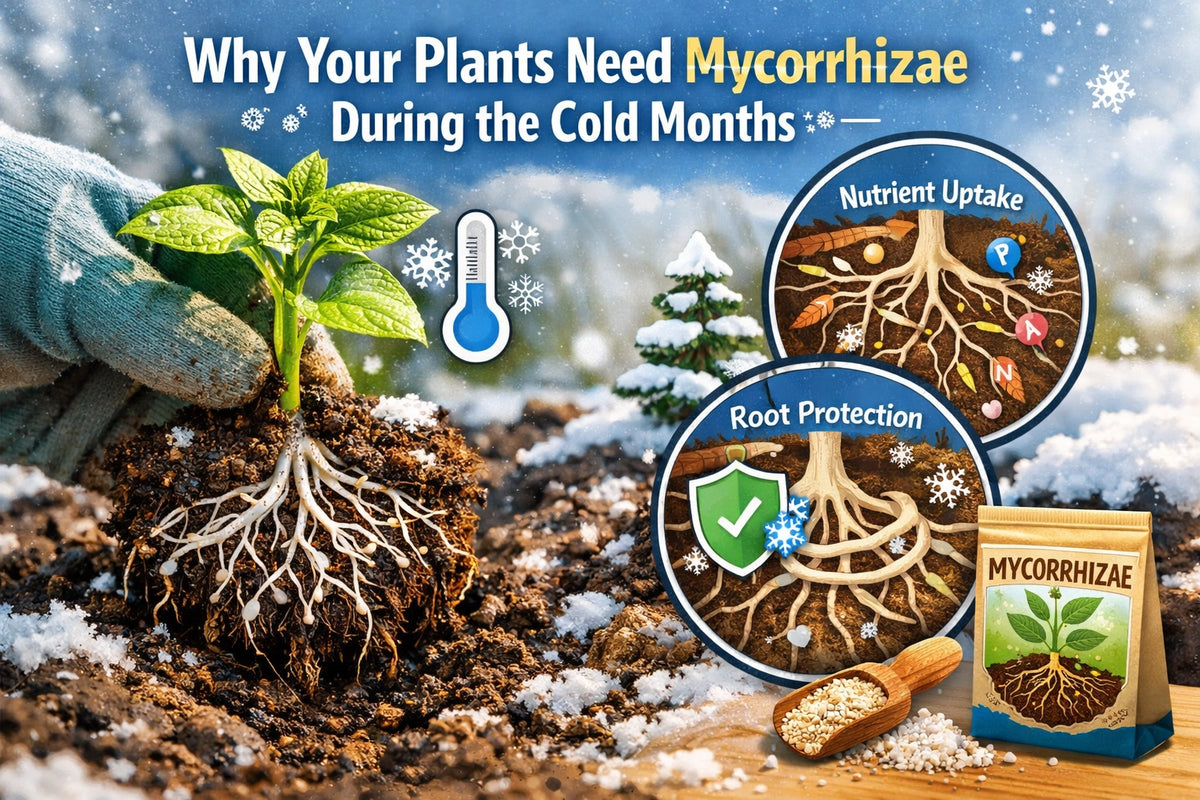
As the calendar turns toward November, gardeners often shift their focus. For outdoor growers, it is a time of harvest and dormancy, but for the indoor community, it is a season of transition. Even if you are growing in a climate-controlled grow tent, the "cold months" bring unique environmental challenges that can sneak up on your root zone. Lower ambient temperatures, shifts in humidity, and even the temperature of the water you use can significantly slow down plant metabolism.
One of the most effective ways to safeguard your garden during this time is by leveraging the power of beneficial biology: specifically, mycorrhizal fungi. These microscopic allies form a symbiotic relationship with your plant’s roots that can mean the difference between a sluggish, struggling crop and a vibrant, high-yielding harvest.
What is Mycorrhizae and How Does It Work?
The term "mycorrhizae" literally translates to "fungus-root." It describes a mutually beneficial relationship where the fungi colonize the plant’s root system. In exchange for sugars (carbohydrates) produced by the plant through photosynthesis, the fungi extend their reach far into the growing medium to scavenge for nutrients and water.
There are two primary types: Endomycorrhizae, which penetrate the cell walls of the roots (common for most vegetables, fruits, and herbs), and Ectomycorrhizae, which wrap around the outside of the roots (common for trees). For most indoor gardeners using hydroponics or soil, endomycorrhizae are the stars of the show.
The fact of the matter is that a plant's root system is limited by its physical reach. By introducing mycorrhizae, you are essentially giving your plants a biological "internet" of hyphae (fungal threads) that can increase the effective surface area of the roots by 10 to 100 times.
The "Cold Factor": Why Winter Roots Struggle
Even in an indoor environment, the floor temperature can drop significantly during the winter. If your fabric pots or containers are sitting directly on a cold basement or garage floor, the root zone temperature can plummet, even if your LED lights are keeping the canopy warm.
When root temperatures drop below 60°F (15°C), several things happen:
- Metabolism Slows: The plant’s internal "engine" idles. Nutrient transport slows down.
- Phosphorus Becomes Unavailable: Phosphorus is notorious for becoming "locked up" or difficult for plants to uptake in cold, wet conditions.
- Microbial Activity Decreases: The natural bacteria and fungi already in the soil may go dormant, leaving the plant without its usual support system.
This is where mycorrhizae become essential. Because these fungi are highly adapted to scavenging, they can continue to function and pull in nutrients even when the plant’s own biological processes are sluggish due to the cold.
1. Enhanced Nutrient Uptake in Chilly Conditions
During the winter, nutrient deficiencies often look like environmental stress, but they are frequently a result of poor uptake. Phosphorus and nitrogen are critical for early growth and flowering, yet they are some of the first nutrients to become "immobile" when temperatures dip.
Mycorrhizal fungi produce specialized enzymes that break down organic matter and mineralize nutrients that would otherwise stay locked in the medium. By extending their hyphal network, they find pockets of moisture and nutrition that the plant’s roots simply cannot reach.
If you are using plant nutrients packages, adding a high-quality inoculant ensures that every drop of those nutrients is being utilized. This efficiency is vital when the plant's metabolic rate is lower; you want to make sure the "work" being done is as productive as possible.
2. A Biological Shield Against Root Pathogens
Winter often brings higher humidity levels indoors as we seal up our homes to keep the heat in. This increased humidity, combined with cooler root zones and potentially over-saturated grow media, creates the "perfect storm" for pathogens like Pythium (root rot) and Fusarium.
Mycorrhizae act as a physical and chemical barrier. When the fungi colonize the root, they occupy the "real estate" that harmful pathogens would otherwise inhabit. It is a game of competitive exclusion: if the "good guys" are already living there, the "bad guys" have nowhere to land.
Furthermore, mycorrhizal fungi have been known to produce mild antibiotic compounds that suppress soil-borne diseases. In the cold months, when a plant’s immune system might be slightly compromised, this extra layer of biological armor is a lifesaver.
3. Water Regulation and Stress Tolerance
Cold air is often dry air. If your grow room is being heated by a furnace, the humidity can fluctuate wildly, leading to transpiration stress. Conversely, in cold, damp soil, plants can actually suffer from "physiological drought": a state where there is plenty of water, but the roots are too cold to absorb it effectively.
Mycorrhizae help regulate the plant’s water status. The fungal hyphae are much thinner than root hairs, allowing them to penetrate tiny pores in the soil to extract moisture. This helps the plant maintain turgor pressure (staying upright and firm) even when environmental conditions are swinging between extremes.
Using a controller to monitor these swings is smart, but having a biological buffer in the soil provides a level of protection that electronics cannot offer.

Synergizing Mycorrhizae with Other Inputs
While mycorrhizae are powerful on their own, they work best as part of a microbial team. To get the most out of your root zone this winter, consider these additions:
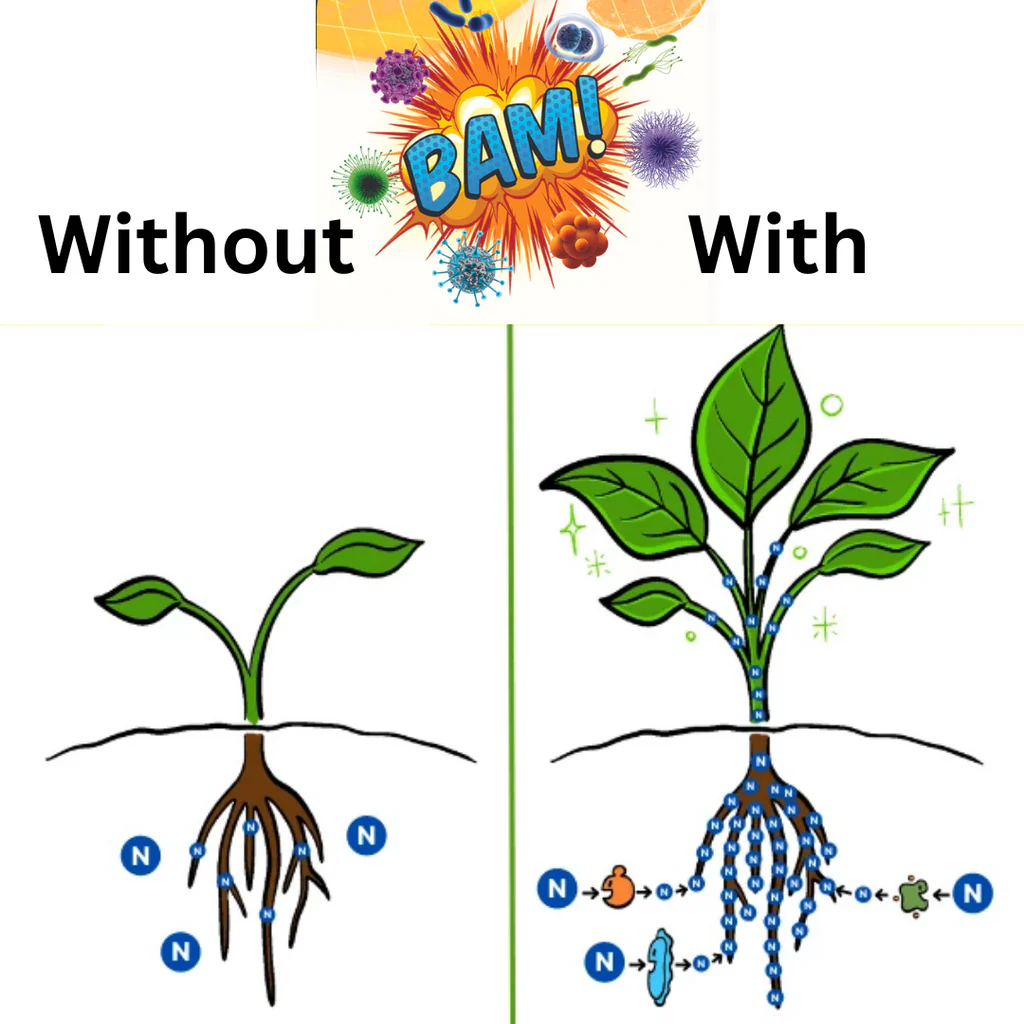
- BAM! (Beneficial Agricultural Microbes): While mycorrhizae focus on the root structure, BAM! introduces a diverse community of bacteria that help cycle nutrients and further stimulate the plant's systemic acquired resistance (SAR).
- Molasses/Carbohydrates: Remember, mycorrhizae eat sugar. Adding a small amount of RAW Cane Molasses during your feeding cycle provides a "snack" for the fungi, encouraging them to grow and colonize faster during the slow winter months.
- Fulvic Acid: Research shows that fulvic acid works synergistically with microbes to increase cell wall permeability, making it even easier for the mycorrhizae to pass nutrients into the plant.

Practical Tips for Winter Application
If you are looking to integrate mycorrhizae into your November grow cycle, keep these practical tips in mind:
- Direct Contact is Key: Mycorrhizae are not like liquid fertilizers that you can just "pour around." The spores need to physically touch the roots. The best time to apply is during propagation or transplanting. Dust the root ball or the transplant hole directly.
- Watch Your Phosphorus Levels: High levels of synthetic phosphorus can actually discourage mycorrhizal colonization. If the plant has "too much" easy-access phosphorus, it may stop feeding the fungi, causing the relationship to break down. Stick to a balanced feeding schedule.
- Avoid Chlorine: If you are using tap water, the chlorine or chloramine used to kill bacteria in the pipes can also hurt your beneficial fungi. Use a water filter or a product like Drops of Balance to neutralize these chemicals before watering.
- Keep the Soil Warm: Use a heat mat or raise your pots off the floor using "pot feet" or pallets. This keeps the microbes active and the fungi working at peak performance.
Monitoring Your Progress
One of the frustrations of using beneficial microbes is that you can’t see them with the naked eye. However, you can monitor the results. During the winter, look for signs of "winter blues" in your plants: yellowing lower leaves (nitrogen/phosphorus deficiency), wilting despite wet soil, or stunted growth.
If you have a healthy mycorrhizal colony, your plants should remain a deep, vibrant green, and their growth should remain steady despite the cooler ambient temperatures. Using tools like the AC Infinity app can help you track how your environment is impacting your plants, allowing you to correlate your microbial additions with stable growth data.

The Verdict: Is It Worth It?
The fact of the matter is that indoor gardening is an attempt to mimic nature within four walls. In nature, plants almost never grow in sterile soil; they are part of a complex web of life. When we strip that away, we make the plant entirely dependent on us for survival.
By adding mycorrhizae during the cold months, you are restoring a piece of that natural resilience. It seems more like a small insurance policy than a major expense, but the dividends it pays in root health, disease resistance, and nutrient efficiency are massive. Whether you are a beginner or a seasoned pro, focusing on the "unseen" part of your garden: the rhizosphere: is the best way to ensure a successful harvest when the snow starts to fall.
If you’re ready to boost your winter setup, check out our Nutrients and Microbial Inoculant Kit to get everything you need for a thriving, biologically active root zone.



Leave a comment
This site is protected by hCaptcha and the hCaptcha Privacy Policy and Terms of Service apply.