
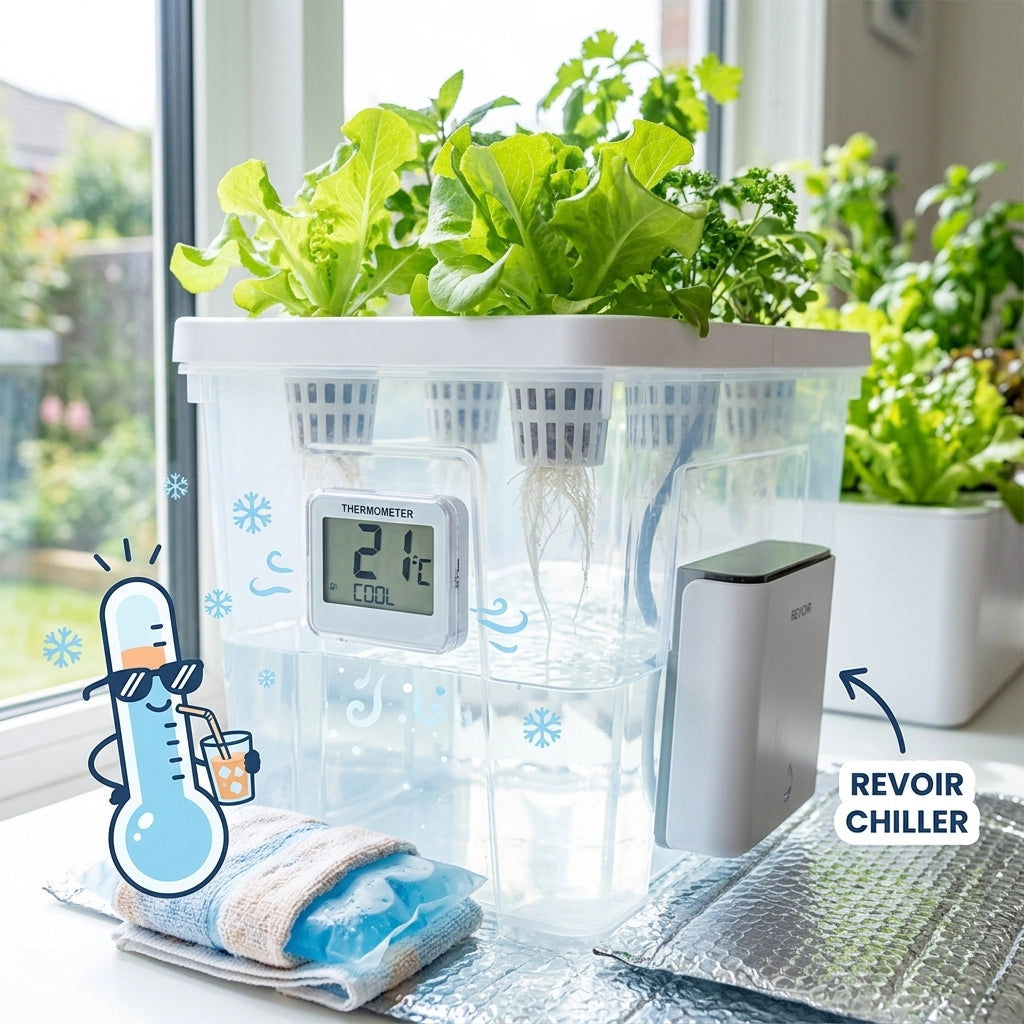
As the summer months approach, indoor gardeners face a unique set of challenges. While we often focus on keeping our grow tents cool for the sake of the leaves and flowers, many growers overlook what’s happening below the surface. In hydroponic systems, the temperature of your nutrient solution is just as important as the air temperature: if not more so.
When your reservoir water starts climbing into the 70s and 80s, you aren’t just dealing with "warm water." You’re dealing with a biological ticking time bomb that can lead to root rot, nutrient lockout, and a total crop failure. In this guide, we’re going to break down why reservoir temperature is so critical and provide you with actionable strategies to keep your roots happy and cool when the heat is on.
The Science of 68°F: Why Temperature Matters
The "Goldilocks zone" for a hydroponic reservoir is widely considered to be 68°F (20°C). There is a specific scientific reason for this: the relationship between water temperature and Dissolved Oxygen (DO).
As water temperature increases, its ability to hold onto oxygen molecules decreases significantly. Think of it like a soda; a cold soda stays carbonated longer, while a warm soda goes flat almost instantly. In a hydroponic setup, your plants "breathe" through their roots. If the water is too warm, the oxygen levels plummet, effectively suffocating your plants.
Furthermore, warm water is the primary breeding ground for anaerobic bacteria and pathogens like Pythium (commonly known as root rot). These pathogens thrive in low-oxygen, high-temperature environments. By keeping your reservoir at 68°F, you ensure maximum oxygen saturation and create a hostile environment for the diseases that want to eat your harvest.
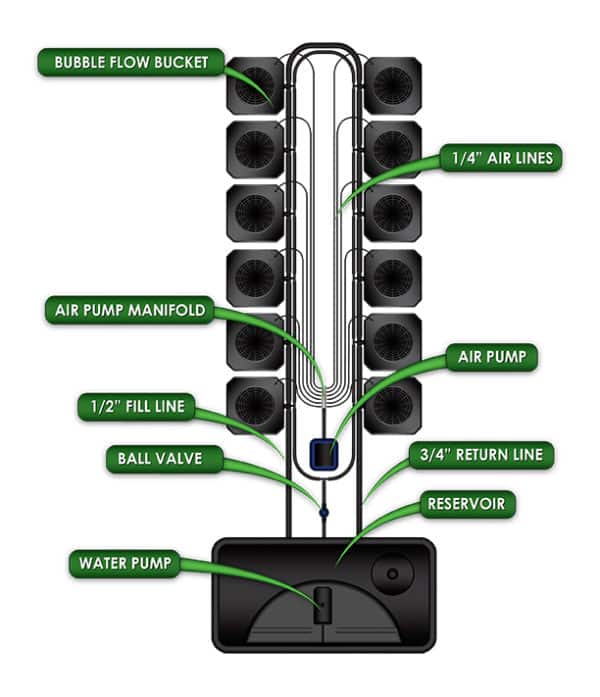
Signs That Your Reservoir is Too Hot
Before we dive into the solutions, you need to know how to spot the problem. If you don't have a dedicated thermometer in your tank, your plants will tell you something is wrong: but by then, the damage may already be done.
- Wilting During "Daylight" Hours: If your plants look sad and droopy even though they have plenty of water, they are likely suffering from oxygen deprivation.
- Brown, Slimy Roots: Healthy roots should be bright white or slightly off-white. If they look tan, brown, or feel slimy to the touch, you have root rot.
- Slowed Growth: If your plants seem to have hit a plateau despite a perfect nutrient regimen, check your temps.
- Strange Smells: A healthy reservoir should smell neutral or slightly like earth. A "swampy" or rotten egg smell is a massive red flag.
Budget-Friendly Cooling Methods
Not every grower has the budget for a commercial-grade chiller. If you are running a smaller hydroponic system or just starting out, these manual methods can make a world of difference.
The Frozen Water Bottle Trick
This is the classic "old school" method. You simply freeze a few 2-liter plastic bottles of water and swap them out in your reservoir once or twice a day.
- Pros: It’s free and effective for small reservoirs.
- Cons: It causes temperature "swings" (the water gets very cold, then slowly warms back up), which can stress plants. It also requires you to be home every day to swap the bottles.
Evaporative Cooling with Fans
Positioning a small clip-on fan so that it blows directly across the surface of the water in your reservoir can lower the temperature by 5–10°F through evaporation.
- Caution: This method will cause your water level to drop faster and your EC/PPM levels to rise as the water evaporates and leaves the nutrients behind. You must monitor your nutrient strength closely if using fans for cooling.
Reflective Insulation and White Buckets
The color and material of your reservoir matter. Black plastic absorbs heat from grow lights and ambient air. Using white buckets or wrapping your reservoirs in reflective material like Panda Film or Mylar can reflect that heat away.

Advanced Cooling Strategies
If you’re managing a larger grow or you simply want a "set it and forget it" solution, you'll need to look into more robust systems.
Commercial Water Chillers
A water chiller is essentially a small refrigerator for your nutrient solution. The water is pumped out of the reservoir, through the chiller’s cooling coils, and back into the tank.
- The Fact of the Matter is: Chillers are the only way to maintain a perfectly stable temperature 24/7. While they are an investment, they often pay for themselves in one harvest by preventing crop loss.
Remote Reservoir Placement
One of the smartest things you can do is move your reservoir outside of the grow room. Grow lights (even LEDs) and dehumidifiers generate a lot of heat. If your reservoir is sitting in a 80°F room, the water will eventually reach 80°F. By placing the tank in a cooler, adjacent room or even on a cool concrete floor, you can naturally shed several degrees.
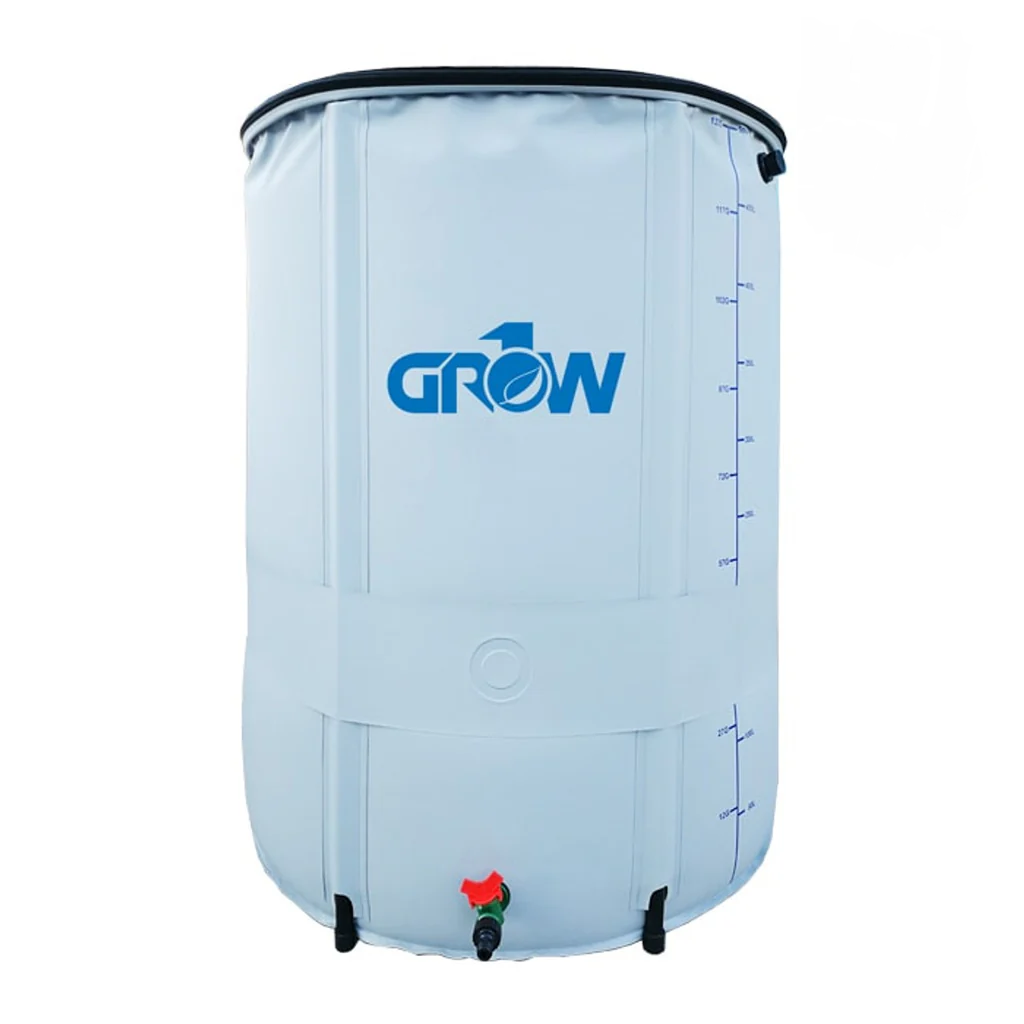
For those using flexible setups, a collapsible water storage tank can be placed in a cooler corner of the house and plumbed into the grow room.
DIY Cooling Coils
If you are handy, you can build a cooling coil system. This involves running a stainless steel or copper coil inside your reservoir and pumping cold water through it from an external source (like a cooler filled with ice). This keeps the ice water separate from your nutrient solution, preventing the pH and PPM fluctuations that happen with the frozen bottle method.

Sanitation: Your Second Line of Defense
Even with your best efforts, summer heat might occasionally push your temps higher than 70°F. When this happens, you need to bolster your plants' defenses.
Hydrogen Peroxide (H2O2)
Using food-grade hydrogen peroxide is a great way to add an extra "oxygen punch" to your water and kill off any lurking pathogens. A 35% solution is highly concentrated and should be handled with care, but it is incredibly effective at keeping a reservoir sterile during heat waves.

Beneficial Microbes
Conversely, some growers prefer the "living" approach. By adding beneficial bacteria and fungi, you create a "good" army that outcompetes the "bad" bacteria like Pythium. Products like BAM (Beneficial Ancient Microbes) or Drops of Balance can help maintain a healthy ecosystem even when conditions aren't perfect.
It seems more like a choice between a sterile or an organic reservoir, and it's important to note: Do not use H2O2 and beneficial microbes at the same time. The peroxide will kill the beneficial microbes you just paid for.
Summary Checklist for Summer Success
To keep your hydroponic systems running smoothly when the sun is beating down, follow this routine:
- Insulate: Wrap your lines and tanks in reflective material.
- Elevate: Get your reservoir off the floor if it's hot, or keep it on the concrete if the floor is cool.
- Circulate: Ensure your air pumps are in a cool location. If your air pump is sucking in 85°F air and bubbling it into the water, it’s acting like a heater.
- Monitor: Check your temps daily. A digital probe with a high-temperature alarm is a lifesaver.
- Clean: Maintain a strict cleaning schedule. Use sanitation products to ensure no biofilm or algae starts to grow.
Keeping a reservoir cool is one of the more technical aspects of indoor gardening, but it's also one of the most rewarding. When you provide your plants with cool, oxygen-rich water, they reward you with explosive growth and massive yields that are simply impossible in a heat-stressed environment.
The fact of the matter is that summer doesn't have to be the "off-season" for indoor growers. With a bit of planning and the right cooling strategy, you can keep your garden thriving all year long. If you're struggling with heat issues or need help choosing the right nutrients to support your plants during the summer, don't hesitate to reach out to the team at Perfect Gardens. We're here to help you grow.


Leave a comment
This site is protected by hCaptcha and the hCaptcha Privacy Policy and Terms of Service apply.