

If you have spent any time in the organic gardening community, you’ve likely heard the phrase, "Feed the soil, not the plant." While it sounds like a catchy slogan, it is actually the foundational principle of successful organic cultivation. In a synthetic grow, you are essentially "spoon-feeding" plants chelated nutrients that they can absorb instantly. In an organic system, however, the nutrients are often locked up in complex organic matter.
This is where microbial inoculants come into play. Without a healthy population of beneficial bacteria and fungi, your organic amendments are just sitting there, unavailable to your crops. For anyone looking to achieve long-term organic success, understanding and utilizing microbial inoculants is not just an option, it is a necessity.
What Exactly Are Microbial Inoculants?
Microbial inoculants are concentrated formulations of beneficial microorganisms, such as bacteria, fungi, and actinomycetes, that are added to the soil or growing medium. Think of them as a "probiotic" for your garden. Their primary job is to colonize the rhizosphere (the area of soil immediately surrounding plant roots) and perform various biological functions that improve plant health and soil structure.
In a natural, undisturbed forest, these microbes exist in a perfect balance. However, in our backyard gardens, grow tents, or indoor setups, the soil biology is often depleted or non-existent. By introducing specific strains of microbes, we jump-start the biological processes required for a thriving ecosystem.
Building a Living Ecosystem
The ultimate goal of using inoculants is to create a living, self-sustaining ecosystem within your root zone. This isn't just about adding a product and walking away; it’s about fostering a community.
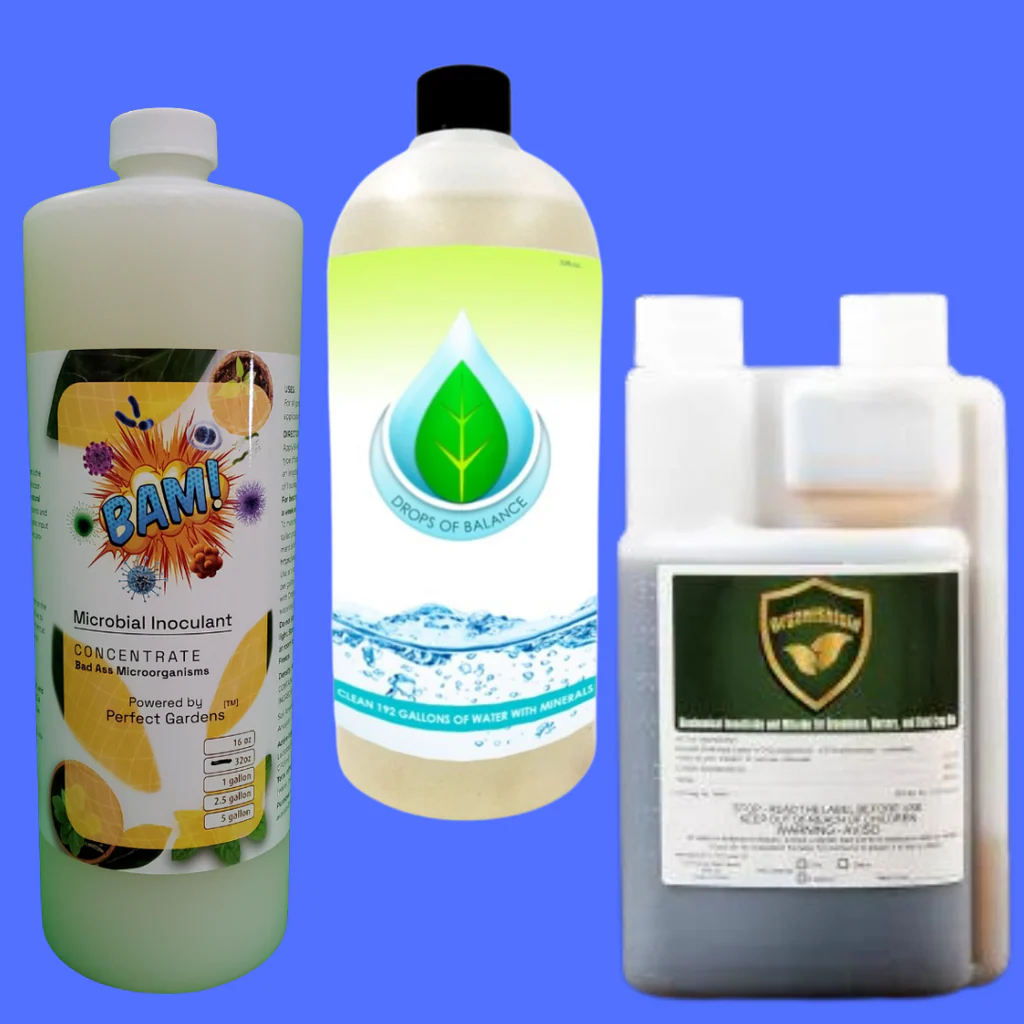
When you apply products like BAM! Microbial Inoculant, you are introducing a diverse set of microorganisms that work in synergy. These microbes break down organic matter, turning compost and dry amendments into plant-available forms. As they live and die, they contribute to the "soil organic carbon" pool, which improves the soil's ability to hold onto nutrients and water.
The Role of Mycorrhizae
One of the most critical components of this ecosystem is Mycorrhizal fungi. These fungi form a symbiotic relationship with plant roots. They physically attach to the roots and extend their hyphae (microscopic filaments) far into the soil, effectively increasing the root surface area by hundreds of times.
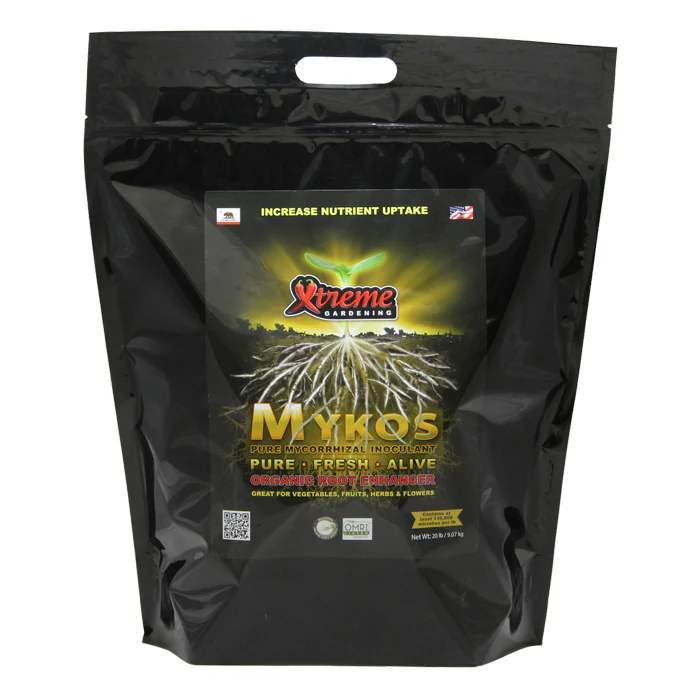
Using something like Xtreme Gardening Mykos allows your plants to reach pockets of phosphorus and water that the roots could never access on their own. This relationship is a cornerstone of organic success because phosphorus is notoriously difficult for plants to "hunt" for in the soil without biological help.
Enhancing Nutrient Availability and Uptake
One of the biggest challenges in organic gardening is the "lag time" between applying nutrients and the plant actually receiving them. Research has shown that microbial inoculants can significantly bridge this gap.
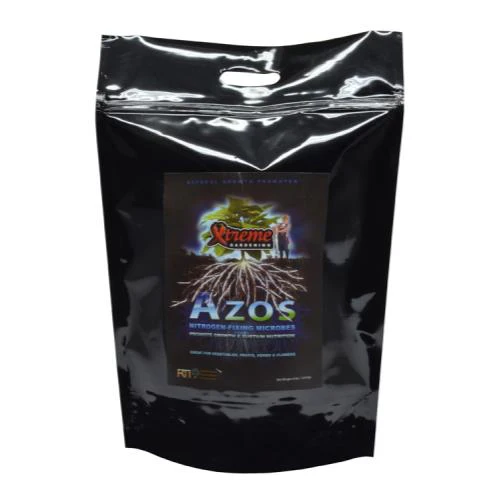
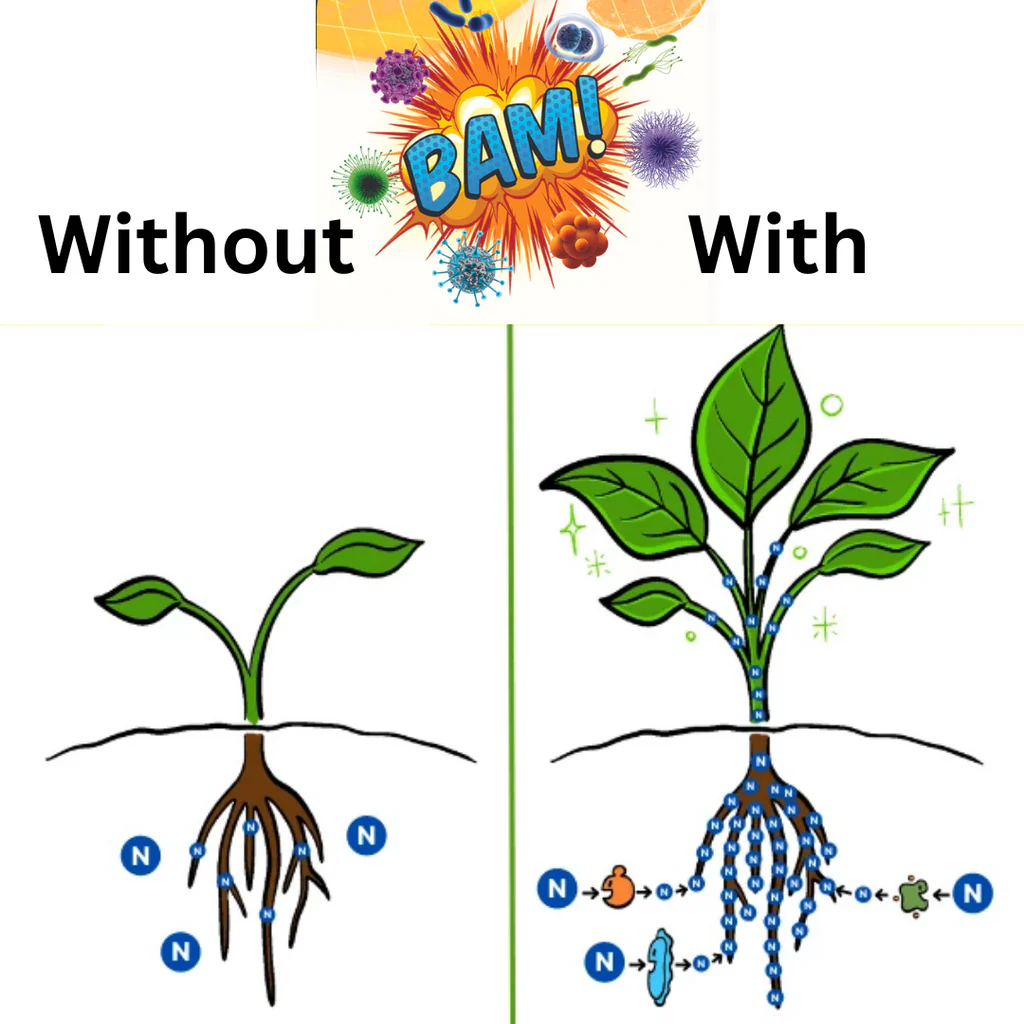
- Nitrogen Fixing: Certain bacteria, such as those found in Xtreme Gardening Azos, can actually take atmospheric nitrogen and convert it into a form the plant can use. In organic systems, free-living nitrogen-fixing bacteria can provide between 20-40 kg of nitrogen per hectare annually. This reduces the need for heavy nitrogen inputs and ensures a steady supply for the plant.
- Phosphorus Solubilization: Phosphorus is often "locked" in the soil due to pH imbalances or mineral binding. Specialized microbes secrete organic acids that dissolve these bonds, making the phosphorus available for root uptake.
- Cation Exchange Capacity (CEC): Microbial activity has been shown to improve the soil's nutrient retention by 3 to 5-fold. This means when you do add plant nutrients, they stay in the root zone rather than leaching away with the water.
Improving Soil Health and Structure
Beyond just feeding the plant, microbes are the engineers of your soil’s physical structure. They produce "glues" like glomalin that bind soil particles together into aggregates. Good aggregation leads to better aeration and water infiltration.
The fact of the matter is, if your soil is compacted and "dead," your roots will struggle to breathe. By using microbial inoculants, you accelerate compost maturation by 50-66% and enhance humus accumulation. This creates a sponge-like soil structure that can sequester more carbon and resist erosion. For indoor growers using hydroponics, these microbes help keep the system clean by breaking down decaying root matter before it can become a breeding ground for pathogens.

Real-World Benefits: Yield and Quality
While the science of soil health is fascinating, most growers want to know one thing: "Will this improve my harvest?" The data suggests a resounding yes.
- Yield Increases: Crop yield benefits across various species typically range from 10-30%. In some cases involving specific organic fertilizers and microbial combinations, grain yields have increased by up to 95% compared to untreated controls.
- Protein and Quality: It’s not just about weight; it’s about quality. Microbes have been shown to increase protein content in grains and enhance the terpene and essential oil profiles in medicinal herbs and flowers.
- Stress Resilience: Plants with a robust microbial colony are much better at handling environmental stressors like drought, high salt content, or low pH levels. This is because the microbes act as a buffer between the plant and the harsh environment.
Practical Tips for Applying Inoculants
To get the most out of your microbial products, you need to treat them like the living organisms they are. Here are some practical steps to ensure success:
1. Timing is Everything
The best time to inoculate is at the very beginning of the plant's life: during seed starting or cloning. Using propagation supplies like biodegradable plugs infused with mycorrhizae ensures the relationship starts from day one.
2. Provide a Food Source
Microbes need energy to colonize. Adding a carbon source like RAW Cane Molasses provides the "fuel" they need to multiply rapidly. Think of the molasses as the lunchbox for your microbial workforce.
3. Maintain Oxygen Levels
Many beneficial microbes are aerobic, meaning they need oxygen to survive. If you are using a reservoir or a compost tea brewer like the Vortex Brewer, ensure you have plenty of aeration. Stagnant, anaerobic water can quickly kill off the beneficial populations you are trying to build.
4. Avoid Over-Sterilization
If you are transitioning from a synthetic to an organic mindset, you might be tempted to use hydrogen peroxide or harsh cleaners to "keep things sterile." In an organic microbial system, this is counterproductive. These substances do not discriminate; they will kill your beneficial microbes just as quickly as the bad ones.
Common Pitfalls and Cautionary Advice
While microbial inoculants are incredibly powerful, they are not a "magic bullet" that fixes poor gardening habits.
Caution: If your soil pH is wildly out of range (too acidic or too alkaline), many microbes will go dormant or die. Always check your environmental parameters before blaming the product. Additionally, more is not always better. Follow the recommended dosages on your grow essentials; over-applying can sometimes lead to nutrient imbalances or "bio-film" buildup in hydroponic lines.
It is also important to remember that microbes are living things. They have a shelf life and can be killed by extreme heat or freezing temperatures. Always store your inoculants in a cool, dark place to maintain their viability.
The Environmental Advantage
Finally, using microbial inoculants is a win for the planet. By making nutrient uptake more efficient, you reduce the amount of runoff that enters our waterways. Research indicates that using these biofertilizers can reduce nutrient leaching by 20-40%.
Furthermore, by enhancing soil carbon sequestration (the ability of soil to trap CO2), organic gardeners play a small but significant role in mitigating climate change. Building a living ecosystem in your garden is one of the most environmentally responsible choices you can make as a grower.
Summary: The Path to Organic Mastery
Achieving organic success is about moving away from the "input-output" model of synthetic farming and moving toward a "relational" model of biology. Microbial inoculants are the bridge that connects your plants to the wealth of nutrients already present in your organic amendments.
By focusing on building a living ecosystem, you will see improved soil health, higher yields, and better-quality harvests. Whether you are a beginner or a seasoned pro, integrating products like the Nutrient and Microbial Inoculant Kit into your routine is the best way to ensure your garden thrives the way nature intended.
The fact of the matter is that without microbes, your organic garden is just a collection of dirt and plants. With them, it becomes a high-performance biological machine. Take the time to invest in your soil's biology, and your plants will reward you for seasons to come.


Leave a comment
This site is protected by hCaptcha and the hCaptcha Privacy Policy and Terms of Service apply.