

Hydroponics has come a long way since the early days of basic salt-based fertilizers. As we move through 2027, the "standard" for home and commercial growing has shifted. It’s no longer just about getting the highest PPM (parts per million) in your reservoir; it’s about bioavailability, water chemistry, and biological synergy. For a beginner, the sheer number of bottles on a shelf can be overwhelming.
The fact of the matter is that plants don't "eat" soil; they eat minerals and elements. In a hydroponic system, you are the gatekeeper of every single atom that enters your plant's vascular system. If you get the nutrient balance wrong, there is no soil buffer to save you. This guide will break down the essential nutrients you need and the 2027 standards for maintaining a healthy, high-yielding reservoir.
The Foundation: Understanding Macronutrients (NPK)
Every nutrient bottle you see will have three numbers on the front, known as the NPK ratio. These represent Nitrogen (N), Phosphorus (P), and Potassium (K). These are the macronutrients, the primary fuel your plants use in large quantities.
- Nitrogen (N): This is the engine of vegetative growth. It is responsible for leaf development and the production of chlorophyll. In the early stages of your grow, you’ll want a higher nitrogen content to build a strong canopy.
- Phosphorus (P): This is critical for energy transfer within the plant. It plays a massive role in root development early on and becomes the star of the show during the flowering or fruiting phase.
- Potassium (K): Think of potassium as the plant's immune system and regulator. It helps with water movement, enzyme activation, and overall structural strength.
In 2027, the standard approach is moving away from "one-size-fits-all" nutrients. Most successful growers now use a base nutrient system that allows them to adjust these ratios depending on whether the plant is in a "veg" or "bloom" cycle.
The 2027 Water Standard: It Starts with the Base
One of the biggest misconceptions in hydroponics is that you can just add nutrients to any tap water and expect professional results. The reality is that your water source is often full of "junk" minerals, chlorine, and heavy metals that can lock out the very nutrients you are paying for.
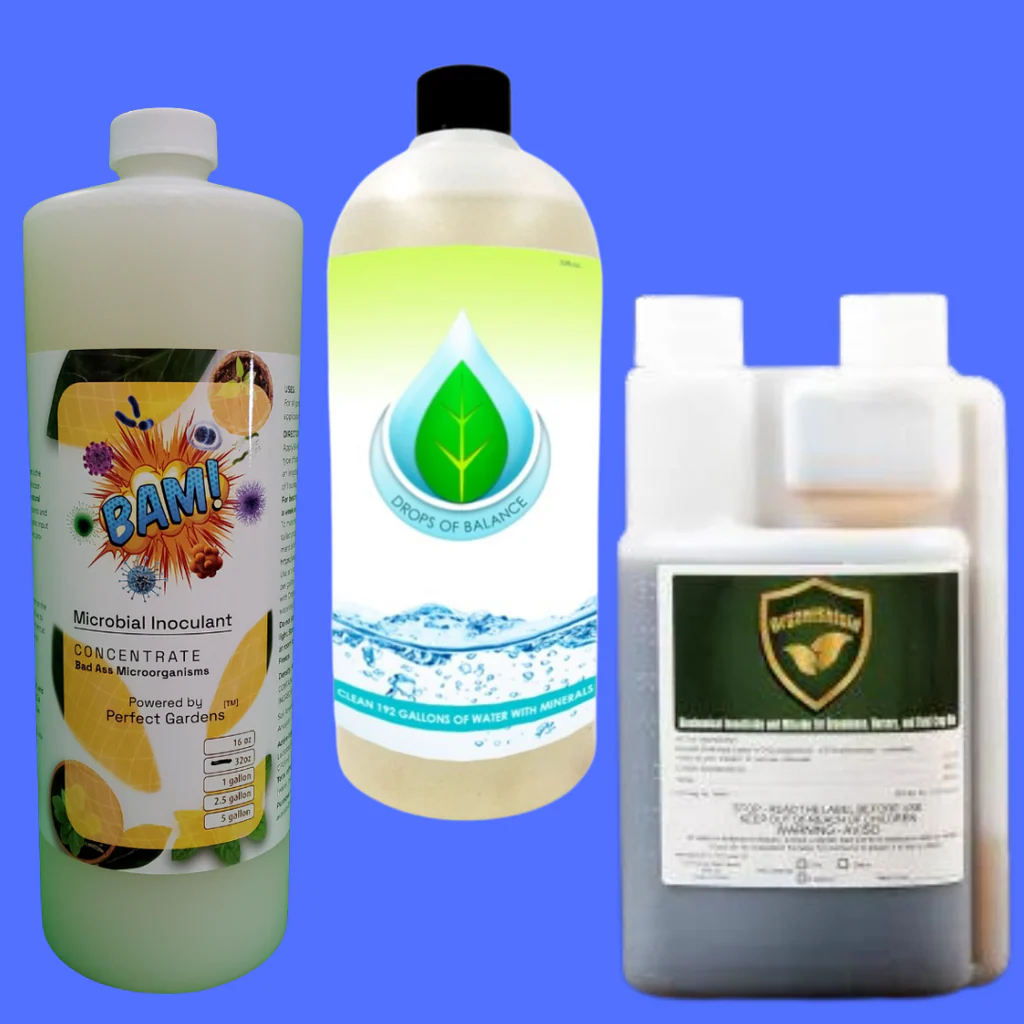
The 2027 standard for high-end growing involves mineralizing and purifying your water before the nutrients ever touch it. This is where products like Drops of Balance have become essential.

Drops of Balance is a concentrated mineral solution that helps to purify water by clumping together contaminants so they can be filtered out or rendered inert. More importantly, it adds a broad spectrum of ionic minerals back into the water. When you start with "structured" and mineral-balanced water, your plants can uptake the NPK nutrients much more efficiently. It’s about creating a clean canvas before you start painting with your fertilizers.
Secondary Nutrients and Micronutrients: The Hidden Heroes
While NPK gets all the glory, your plants will fail without secondary and micronutrients. In a soil-less environment, these must be provided in the water solution.
Secondary Nutrients
- Calcium (Ca): Essential for cell wall structure. Without enough calcium, you’ll see "tip burn" or localized rot.
- Magnesium (Mg): The central atom in the chlorophyll molecule. No magnesium means no photosynthesis.
- Sulfur (S): Helps in the production of proteins and enzymes.
Micronutrients (Trace Elements)
Even though they are needed in tiny amounts, elements like Iron (Fe), Manganese (Mn), Boron (B), Zinc (Zn), and Copper (Cu) are vital. Most modern hydroponic nutrient lines include these in their "Micro" bottle. The 2027 standard emphasizes chelated micronutrients, which are "wrapped" in a molecule that makes them easier for the plant to grab, even if the pH isn't perfect.

The Biological Revolution: Why Microbes Matter in Hydro
A few years ago, people thought hydroponics should be "sterile." The idea was to kill everything so only the plant and the salts remained. We’ve learned that this is a mistake. 2027 standards focus on Bio-Hydroponics.
By introducing beneficial bacteria and fungi, you create a symbiotic relationship. These microbes break down any organic matter in the reservoir and help protect the roots from pathogens like Pythium (root rot).
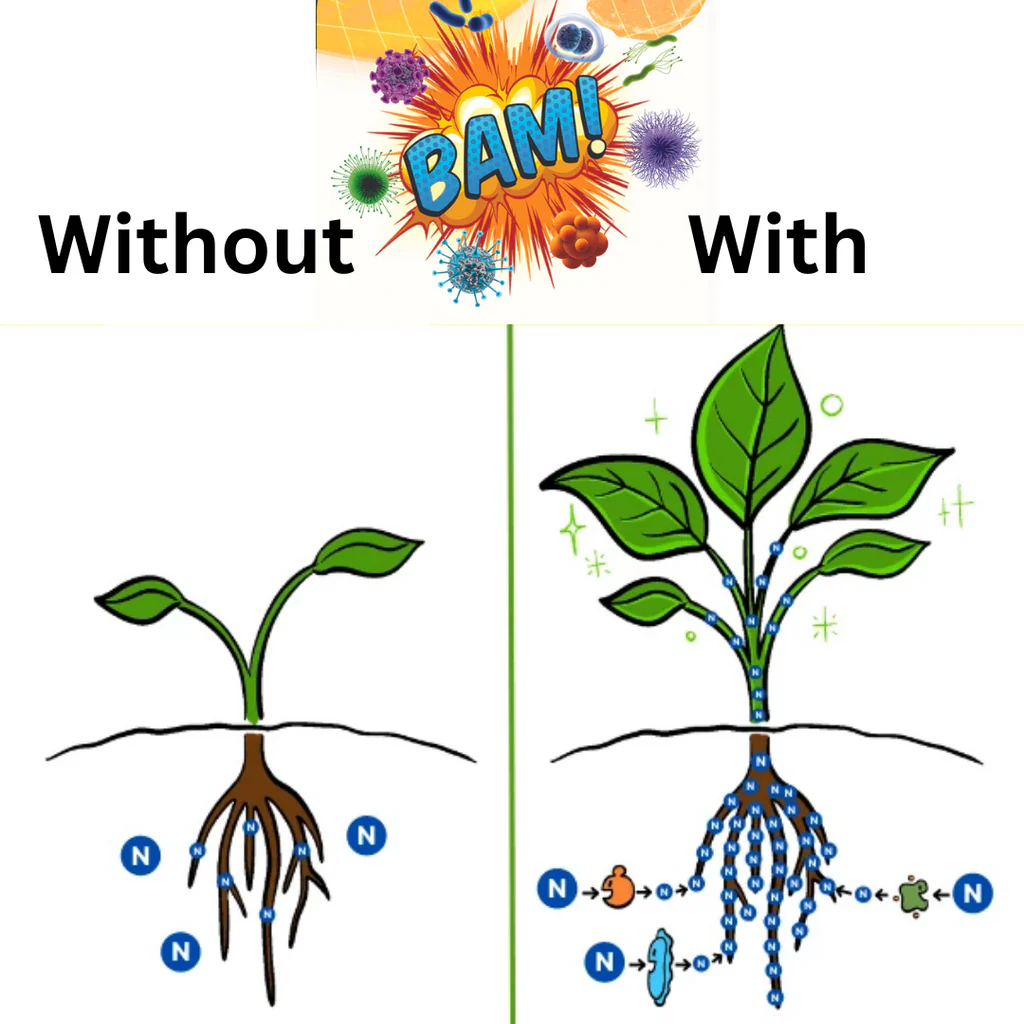
Using a product like BAM! Microbial Inoculant is a game-changer. It populates the root zone with beneficial microbes that actually "prime" the plant's immune system. When combined with mycorrhizae, the surface area of your roots effectively triples, allowing for much higher nutrient uptake.
Managing Your Reservoir: pH and EC
You can buy the best nutrients for hydroponics in the world, but if your pH is off, your plants will starve.
pH (Potential Hydrogen)
In hydroponics, the sweet spot is generally between 5.5 and 6.5. If the pH climbs too high (alkaline) or drops too low (acidic), certain nutrients become chemically unavailable to the plant. For example, iron is easily absorbed at a pH of 5.8 but becomes almost impossible for the plant to take in at a pH of 7.5.
EC/PPM (Electrical Conductivity / Parts Per Million)
This measures the "strength" of your nutrient solution. Beginners often think "more is better," but over-fertilizing is the fastest way to kill a crop. In 2027, the trend is toward "leaner" feeding. By using high-quality minerals and microbial life, you can often achieve better results with a lower EC than you could with a high-salt, sterile environment.
Caution: Always measure your EC after adding all your nutrients and supplements. If the EC is too high, dilute with fresh water. If it’s too low, add more base nutrients.
Organic vs. Synthetic Nutrients in 2027
The debate between organic and synthetic has softened. In the past, organic nutrients were avoided in hydroponics because they were thick, smelly, and clogged up pumps and drippers.
Today, we have highly refined organic options and "bio-mineral" hybrids. These give you the explosive growth of synthetics with the flavor and terpene profiles associated with organic soil growing. If you are a beginner, starting with a high-quality mineral-based synthetic line is often easier to manage, but don't be afraid to incorporate organic biostimulants to improve the final quality of your harvest.
Common Pitfalls for Beginners
- The "Soup" Mistake: Mixing all your concentrated nutrients together in a measuring cup before putting them in the water. Never do this. Nutrients will "precipitate" (turn into solids) and become useless. Always add them to the water one by one and stir thoroughly in between.
- Ignoring Water Temperature: If your reservoir gets too hot (above 75°F/24°C), oxygen levels drop and root rot sets in. Keep your water cool!
- Overcomplicating the Formula: You don't need 15 different bottles. A solid base nutrient, a water conditioner like Drops of Balance, and a good microbial inoculant like BAM! will get you 90% of the way there.
Conclusion: Setting Your 2027 Standard
Choosing the best nutrients for hydroponics doesn't have to be a headache. The industry has moved toward cleaner, more bio-available solutions that prioritize plant health over raw chemical volume.
Start with a clean water source, balance your NPK based on the plant's life cycle, and don't ignore the "invisible" workers: the microbes. By following these 2027 standards, you aren't just feeding a plant; you are managing an ecosystem.
If you’re ready to get started with a proven system, check out our full collection of hydroponic supplies and see how the right minerals can transform your garden. Happy growing!


Leave a comment
This site is protected by hCaptcha and the hCaptcha Privacy Policy and Terms of Service apply.