
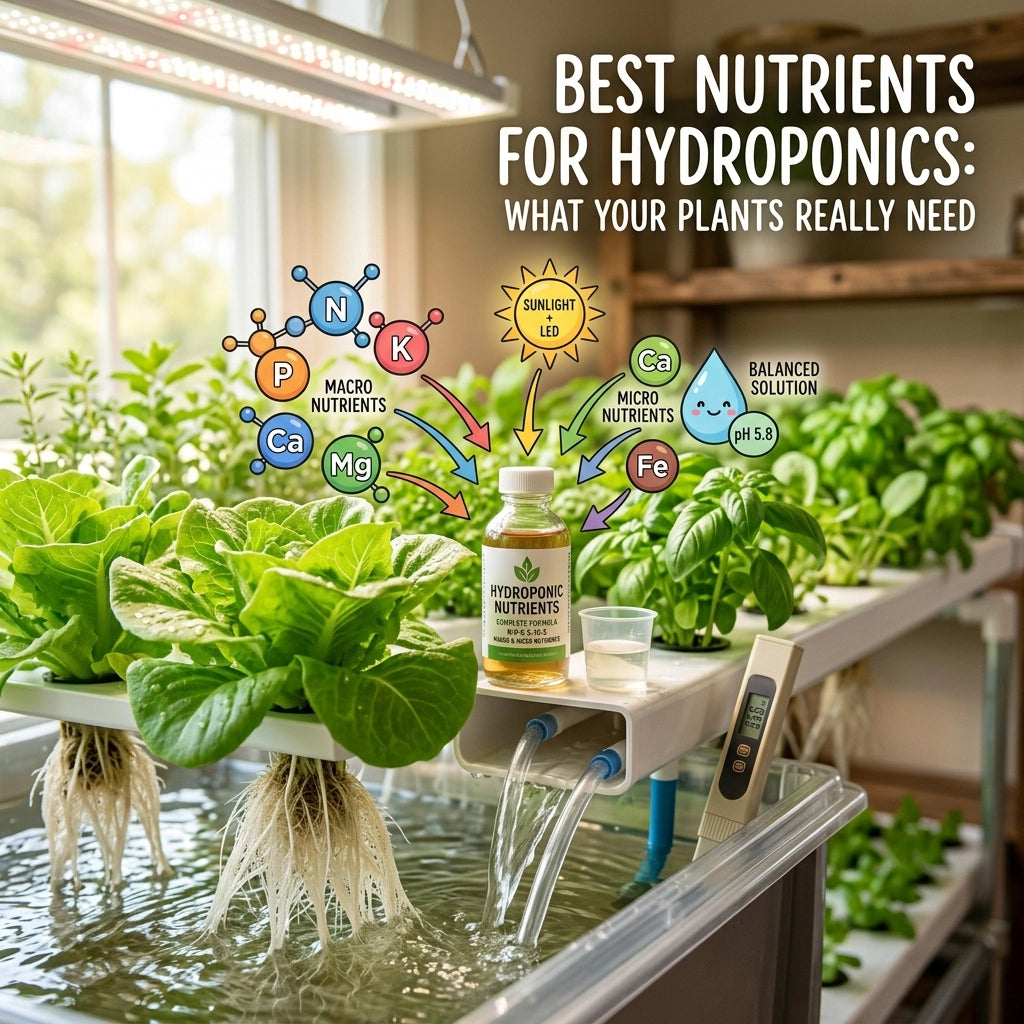
When you move from soil to hydroponics, you’re basically taking over the role of Mother Nature. In a soil-based garden, the earth acts as a buffer, holding onto nutrients and slowly releasing them to the roots. In a hydroponic system, that safety net is gone. Your plants are 100% dependent on the solution you provide. If a mineral is missing from your reservoir, it’s missing from your plant.
The fact of the matter is that most growers overcomplicate their nutrient programs. They buy ten different bottles because the labels look cool, but they don't actually know what’s inside. To get professional-grade results, you need to understand the fundamentals of plant nutrition and, more importantly, the quality of the water you’re using as a base.
The N-P-K Foundation: The Big Three
Every nutrient bottle has three numbers on the front, known as the N-P-K ratio. These represent Nitrogen (N), Phosphorus (P), and Potassium (K). These are the primary macronutrients your plants consume in the largest quantities.
- Nitrogen (N): Think of Nitrogen as the "engine" for vegetative growth. It’s responsible for leaf and stem development and is a core component of chlorophyll. If your leaves are turning pale yellow starting from the bottom, you likely have a nitrogen deficiency.
- Phosphorus (P): This is essential for energy transfer and root development. When your plant transitions to the flowering or fruiting stage, its demand for phosphorus skyrockets to help produce those heavy yields.
- Potassium (K): Potassium regulates the plant's internal "plumbing." It controls the opening and closing of stomata (the pores on leaves) and helps the plant resist disease and drought stress.
While these three get all the glory, they are only part of the story. In hydroponics, because there is no soil to provide trace elements, you have to be much more diligent about the "secondary" nutrients.
The Often Forgotten: Secondary and Micronutrients
Secondary nutrients like Calcium, Magnesium, and Sulfur are just as vital as N-P-K, though they are used in slightly smaller amounts.
- Calcium: This builds the "bones" of your plant. It strengthens cell walls. Without enough calcium, you’ll see distorted new growth or "blossom end rot" in fruiting plants.
- Magnesium: This is the center atom of the chlorophyll molecule. No magnesium means no photosynthesis.
- Micronutrients: These are elements like Iron, Manganese, Boron, and Zinc. Plants only need a "pinch" of these, but a deficiency can stall growth entirely.
Most high-quality hydroponic nutrients, such as the General Hydroponics Flora Series or Fox Farm Liquid Trio, include these. However, even the best nutrients can't work if your water quality is working against you.
The Foundation: Water Quality and Drops of Balance
One of the biggest mistakes indoor growers make is assuming their tap water is a "blank slate." It’s not. Tap water is often loaded with chlorine, chloramines, and heavy metals that can lock out the very nutrients you’re paying good money for.
This is where a product like Drops of Balance becomes a game-changer. Instead of just adding more salts to the water, Drops of Balance is a concentrated mineral solution that helps "mineralize" and purify your water. It helps precipitate harmful contaminants out of the solution while providing a broad spectrum of ionic minerals that are immediately available to the plant.
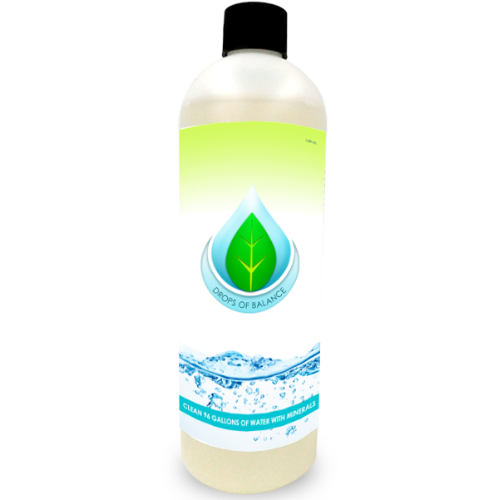
When you use a mineral concentrate like this, you aren't just feeding the plant; you are conditioning the water to be a better carrier for your N-P-K nutrients. It’s about efficiency. If your water is "clean" and mineral-rich, your plants can uptake their primary nutrients much more effectively, leading to faster growth and fewer pH fluctuations.
The Microbial Edge: Why "Clean" Doesn't Mean "Sterile"
There is a common misconception in the hydroponic world that your reservoir should be "sterile": meaning no bacteria or life allowed. While this prevents root rot, it also prevents the plant from reaching its full genetic potential.
In nature, plants have a symbiotic relationship with beneficial microbes. Even in a hydro setup, introducing the right biology can protect your roots and increase nutrient absorption.
- BAM (Beneficial Agricultural Microbes): Products like BAM! provide a wide array of beneficial bacteria that break down organic matter and make nutrients more bioavailable.
- Mycorrhizae: These are fungi that attach to your roots, effectively extending the root system's surface area. This allows the plant to "reach" for nutrients more effectively.
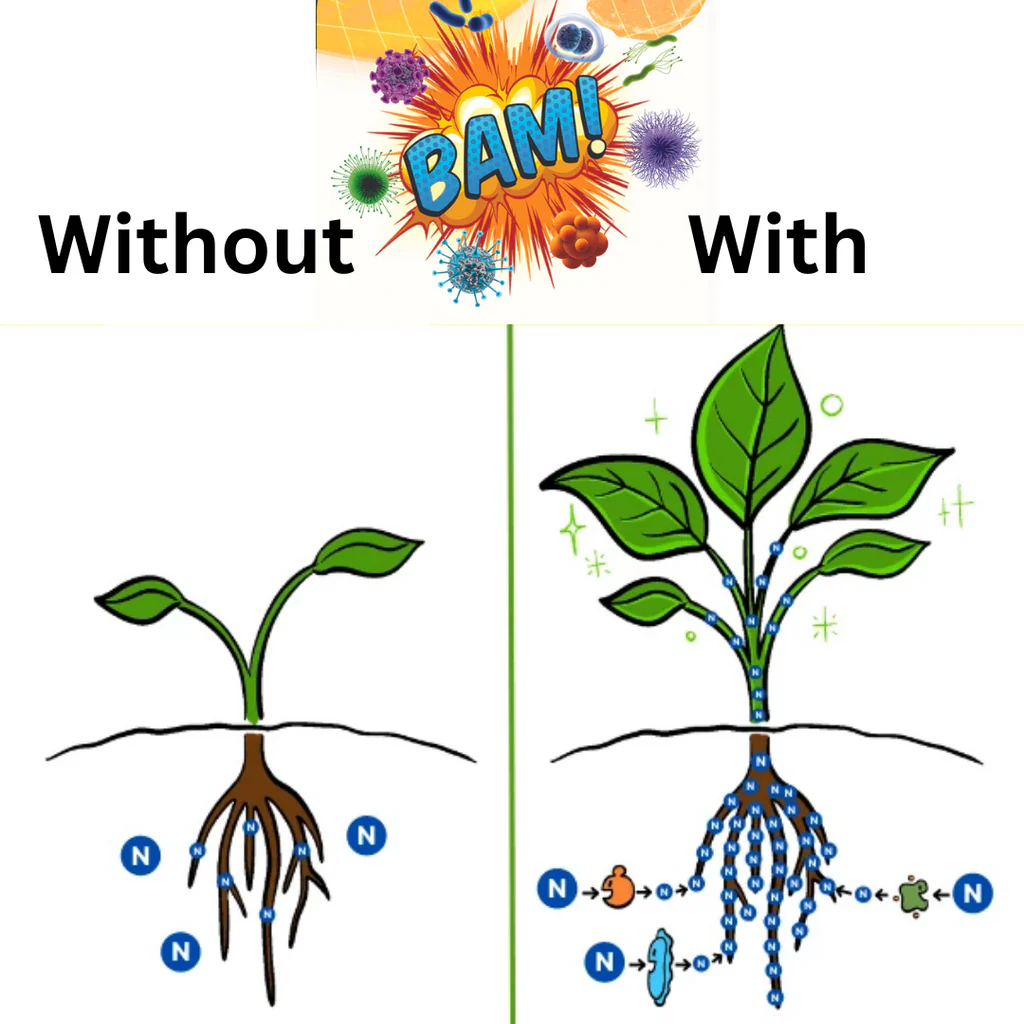
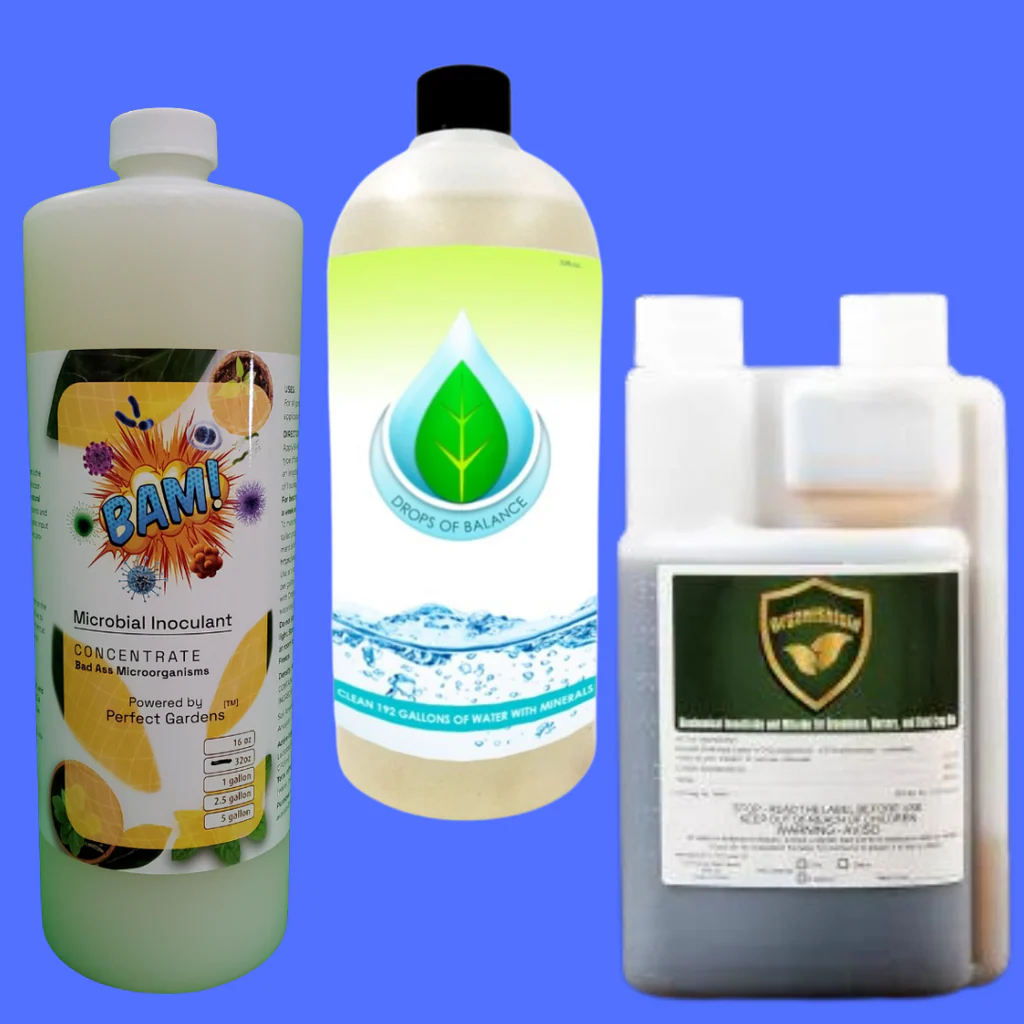
By using a Nutrient and Microbial Inoculant Kit, you are essentially building an "immune system" for your hydroponic system. The beneficial microbes crowd out the "bad" pathogens like Pythium (root rot), meaning you don't have to rely on harsh chemicals like hydrogen peroxide to keep your reservoir healthy.
Mixing Your Reservoir: A Practical Guide
Mixing nutrients isn't just about pouring everything into a bucket. Order of operations matters. If you mix certain minerals together in high concentrations, they will "precipitate": meaning they bind together and fall to the bottom of the tank as a solid that your plants can't eat.
Step 1: Start with Water. Fill your reservoir with the total amount of water needed.
Step 2: Add Water Conditioners. This is the time to add your Drops of Balance or any mineral concentrates. Give it a good stir.
Step 3: Add Silica (Optional). If you use a silica supplement, always add it first (after water conditioning) and stir thoroughly, as it is highly reactive.
Step 4: Add Micro Nutrients. If using a multi-part system (like FloraMicro), add the "Micro" bottle next. It contains the heavy metals that need to be diluted before the other nutrients hit.
Step 5: Add Grow/Bloom Nutrients. Follow with your primary N-P-K bottles.
Step 6: Add Microbes. Add your BAM or Mykos last.
Step 7: Check and Adjust pH. This is the most important step. Most hydroponic plants prefer a pH between 5.5 and 6.5. If the pH is too high or too low, the nutrients become "locked," and the plant can't absorb them.
Common Pitfalls and How to Avoid Them
1. Overfeeding (The "More is Better" Fallacy)
New growers often think that doubling the dose of nutrients will double the growth. Usually, it just results in "nutrient burn." You’ll see the tips of your leaves turning brown and crispy. It’s always better to start at 50% of the manufacturer's recommended dose and work your way up.
2. Ignoring Water Temperature
If your reservoir water gets too warm (above 75°F), it loses its ability to hold dissolved oxygen. This leads to root rot and nutrient lockout. Aim for a reservoir temperature between 65°F and 70°F.
3. Not Calibrating Your Meters
If you are using a pH or PPM meter, you must calibrate it regularly. A meter that is off by just 0.5 points can be the difference between a thriving garden and a dying one.
4. Salt Buildup
Over time, the minerals that the plant doesn't use will build up in the growing medium (like coco coir or rockwool). This is why "flushing" your system with plain, conditioned water every few weeks is essential to reset the environment.
Finding the Right Balance
At the end of the day, the "best" nutrient is the one that provides a consistent, balanced diet for your plants without causing unnecessary stress to the grower. Many of our most successful customers in the Army of Growers have moved away from complex 12-bottle regimens and back toward a foundation of high-quality water, mineral concentrates like Drops of Balance, and robust microbial life.
Hydroponics gives you total control, which is both a blessing and a curse. By focusing on water quality first and biology second, you take the guesswork out of the equation. Whether you are growing leafy greens, tomatoes, or high-value medicinal herbs, the principles of mineral availability remain the same.
If you're feeling overwhelmed by the options, we always recommend checking out our Grow Help Videos. We break down the science of mineralization and show you exactly how to mix these components for the best results. Keep it simple, watch your plants, and they’ll tell you exactly what they need.



Leave a comment
This site is protected by hCaptcha and the hCaptcha Privacy Policy and Terms of Service apply.