
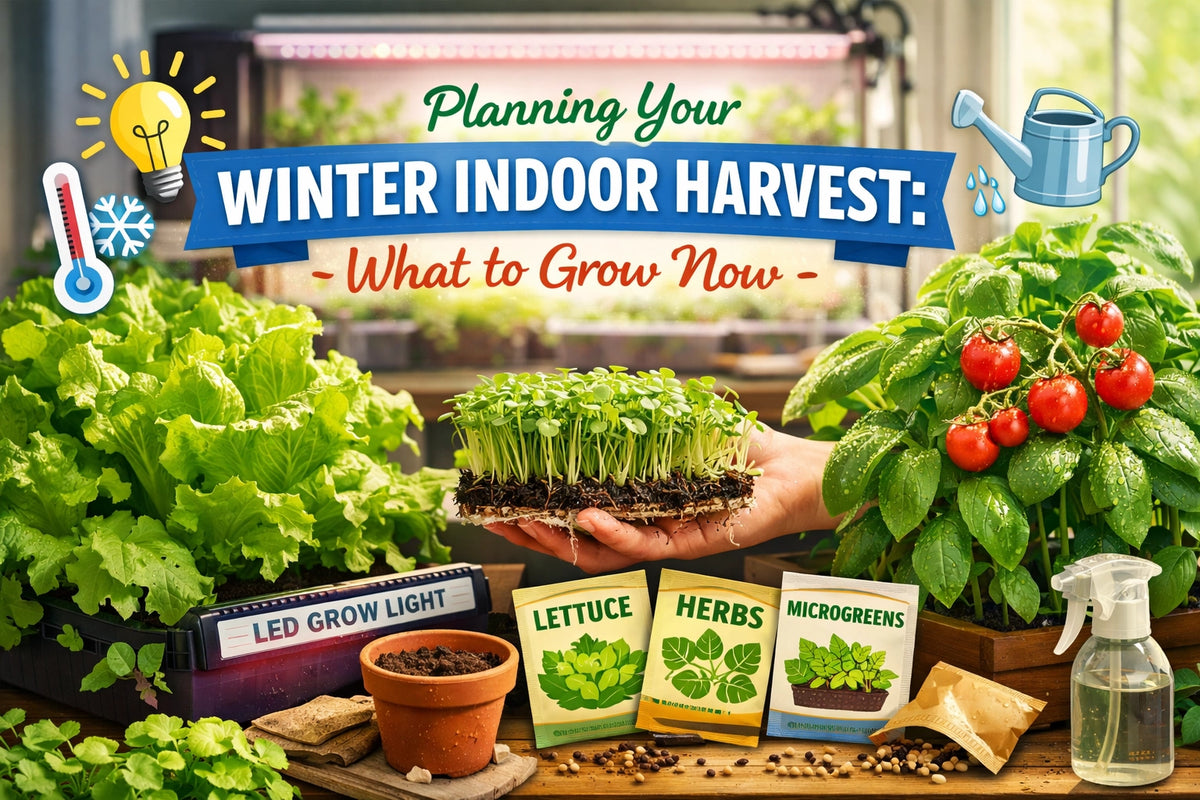
As the calendar flips to September, outdoor gardeners are beginning to think about "putting the garden to bed." But for the indoor grower, this is where the real work begins. If you want to be harvesting fresh greens, vibrant flowers, or high-quality herbs by December or January, the clock is officially ticking.
The transition from a summer grow to a winter indoor harvest isn't just about moving plants inside; it’s about mastering a completely different environment. Winter brings challenges like shorter days, low natural light, and the "indoor desert" effect caused by central heating.
In this guide, we’re going to break down the technical timeline for a winter harvest, which varieties are hardy enough to handle the season, and how to set your goals for a successful indoor run.
The Winter Grow Timeline: Why September Matters
Most people wait until the first frost to start thinking about their indoor setup. By then, you’re already behind. To have a productive harvest during the peak of winter, you need to work backward from your desired harvest date.
If you are looking at a typical 10-to-12-week cycle for most indoor crops, starting in early September puts your harvest right in the middle of late November or early December.
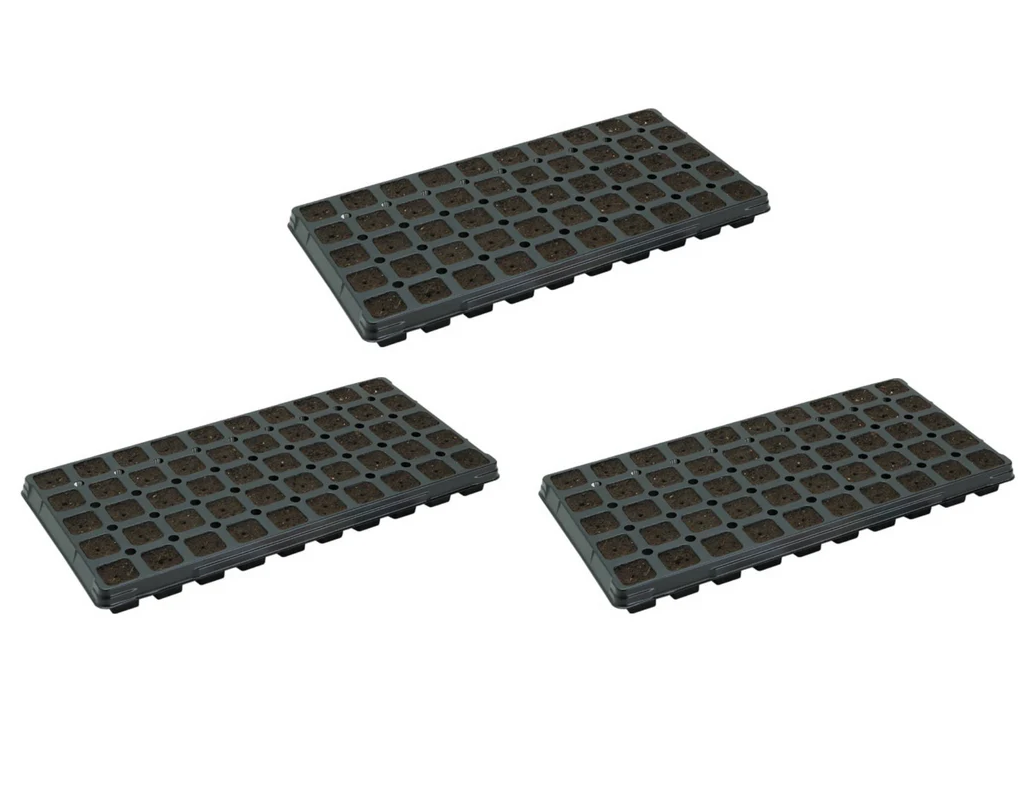
- Germination & Propagation (Weeks 1-2): This should be happening right now. Using high-quality propagation tools ensures your seedlings start strong before the ambient temperatures in your home drop too low.
- Vegetative Stage (Weeks 3-6): During this phase, you are building the structure of the plant. Since daylight hours are decreasing, you cannot rely on window light. You will need dedicated lighting to prevent "leggy" growth.
- Flowering/Fruit Production (Weeks 7-12): This is when your environment becomes most critical. As outside temperatures drop, maintaining a stable temperature inside your grow space is the difference between a heavy harvest and a stunted plant.
Variety Selection: What Thrives in the Winter?
Not all plants are created equal when it comes to the "indoor desert" of a heated winter home. You want to select varieties that can handle lower humidity or those that specifically bloom when the days get shorter.
Resilient Foliage for Low-Light Corners
If you have areas of your home that don't get much direct sun, focus on hardy "survivors." These plants are naturally adapted to lower light and won't throw a tantrum if the humidity drops because your furnace is running 24/7.
- Snake Plants & ZZ Plants: These are the tanks of the indoor world. They handle dry air and low light with ease.
- Pothos (Devil’s Ivy): Excellent for trailing greenery. If you notice the vines getting "leggy" (long spaces between leaves), it’s a sign they need a little more supplemental light.
- Spider Plants: These are extremely resilient to the cooler air that often lingers near windows during the winter months.
Winter-Blooming Varieties
For those who want a splash of color while it's snowing outside, you have to plan for photoperiod-sensitive plants.
- Christmas Cactus: These require 13+ hours of continuous darkness starting in September to trigger those iconic winter blooms. If they get too much light at night (even from a TV or a hallway light), they might not bloom at all.
- Kalanchoe: A very affordable winter bloomer that handles indoor conditions well. Just be sure to dead-head the spent flowers to keep them pushing new growth.
- African Violets: These prefer the slightly cooler, north-facing windows during the winter but still need a steady supply of plant nutrients to keep their blooms vibrant.
Essential Equipment for the Winter Transition
You can’t treat a winter grow like a summer grow. The environmental variables are completely different. Here is the technical breakdown of the gear you need to stabilize your grow.
Supplemental Lighting
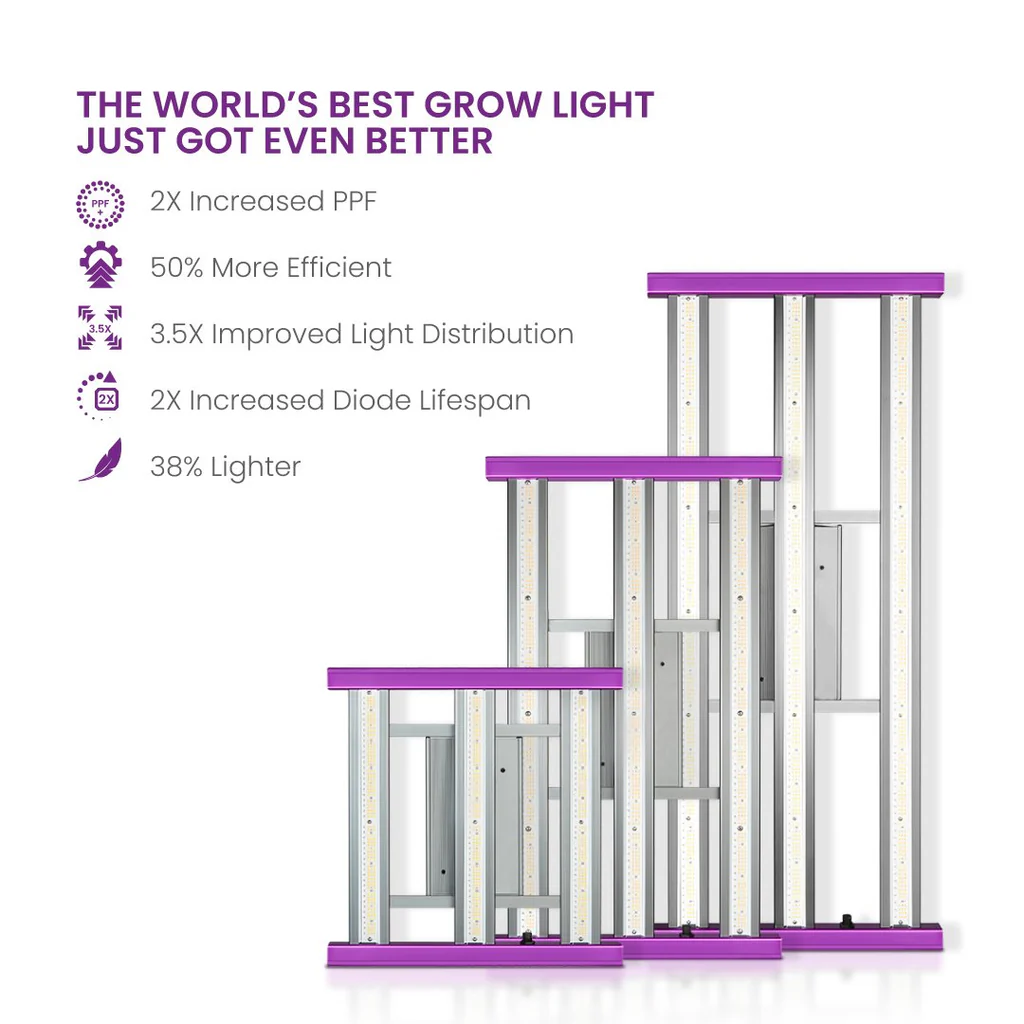
Winter sun is weak and the days are short. If you want your plants to actually produce: rather than just survive: you need LED lights. Modern LEDs, like the KIND LED grow lights, offer a full spectrum that mimics the sun without the massive heat output of old-school HPS bulbs. This is crucial because you want to control your room temperature independently of your light source.
Creating a Microclimate with Grow Tents
Heating a whole house to 75°F with 50% humidity is expensive and bad for your drywall. The smarter move is to use a grow tent. A tent allows you to trap humidity and heat in a small, controlled space.
For 1-2 plants, a smaller model like the AC Infinity AC-CBA422 is perfect for a corner of a room or a closet. The Mylar interior reflects every bit of light back onto the plants, ensuring that none of your energy costs are wasted.

Mastering the "Indoor Desert": Managing VPD
The biggest technical hurdle in winter is Vapor Pressure Deficit (VPD). When you turn on your heater, the relative humidity (RH) in your home can drop to 15-20%. This is incredibly stressful for plants. It forces them to transpire (sweat) too quickly, which can lead to nutrient burn because the plant is pulling up water (and the salts/nutrients in it) faster than it can process them.
To combat this:
- Use a Humidifier: Aim for an RH of 45-55% for most established plants.
- Group Plants Together: Plants naturally release moisture. Grouping them creates a small "humidity dome" around the foliage.
- Monitor Your Controllers: Using controllers to automate your fans and humidity can take the guesswork out of the equation. If the tent gets too dry, the controller can turn off the exhaust fan to keep the moisture inside.
Technical Goal Setting for Your Winter Run
Before you pop your seeds or buy your starts, define what success looks like for this cycle. Are you trying to supplement your kitchen with fresh herbs, or are you trying to grow high-value medicinal crops?
- Edible Goals: If you’re growing leafy greens, focus on high-nitrogen nutrient packages. Greens like kale and spinach actually prefer the cooler ambient temps of a basement or a garage grow, as long as the roots stay warm.
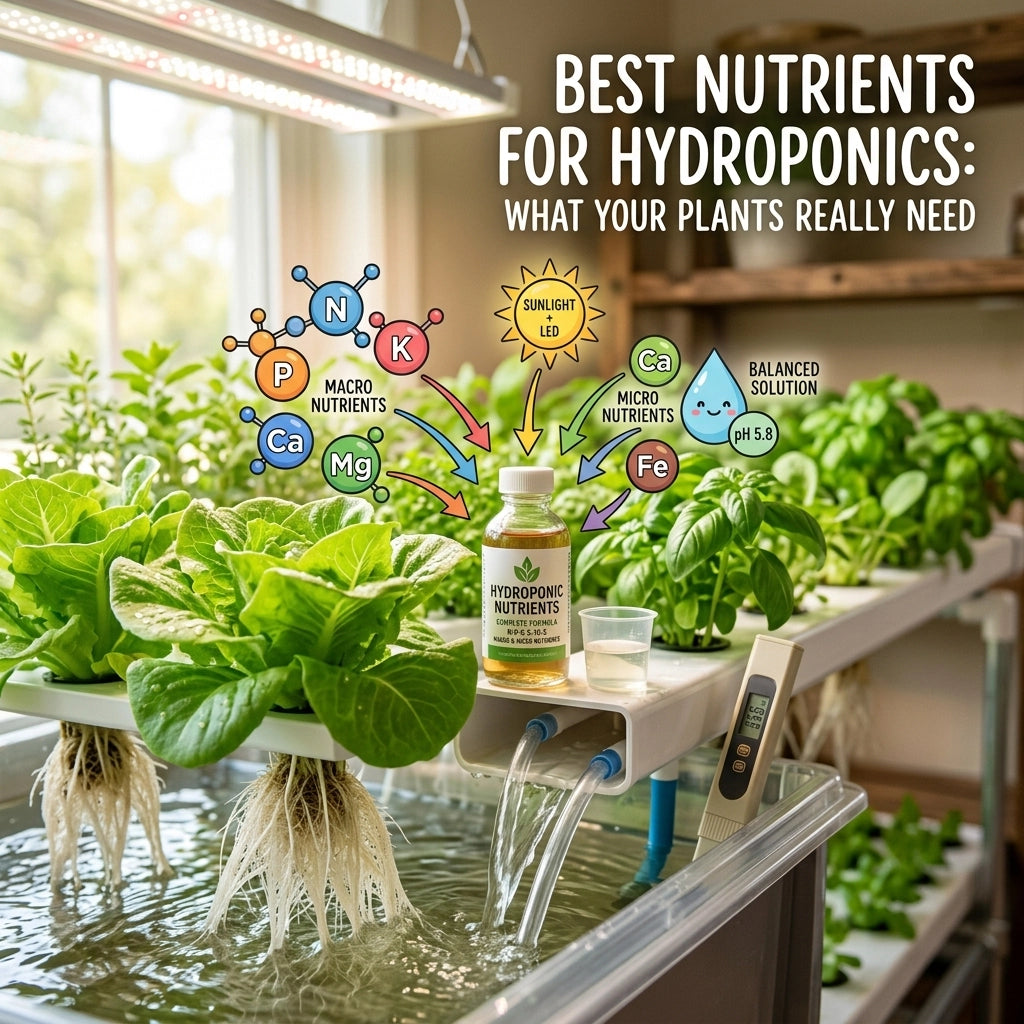
- Yield Goals: If you are pushing for maximum yield, you need to be meticulous with your hydroponics setup. Stability is key. In the winter, your water reservoir temperatures can dip. If your reservoir gets below 65°F, plant metabolism slows down significantly. Consider using a reservoir heater to keep things in the 68-72°F "sweet spot."

Common Winter Pitfalls to Avoid
- Overwatering: This is the #1 killer of winter plants. Because the metabolism of the plant is often slower and there is less intense natural heat, the soil takes longer to dry out. Always check the weight of the pot or stick your finger an inch into the soil before watering.
- Pest Hitchhikers: When you bring plants in from the porch to save them from the frost, you are often bringing in spider mites, aphids, or fungus gnats. Always quarantine new plants or treat them with a microbial inoculant like BAM to strengthen their natural defenses.
- Cold Toes: Even if your grow tent is warm, a cold concrete basement floor can suck the heat right out of your pots. Place your plants on a wooden pallet or an insulated mat to keep the root zone warm.
The Bottom Line
Planning your winter harvest in September is the difference between a thriving indoor jungle and a collection of wilted stems in January. By selecting the right varieties, setting up a dedicated grow space, and managing your VPD, you can enjoy a productive harvest regardless of what the weather is doing outside.
The fact of the matter is that indoor gardening provides a level of control that outdoor gardening simply can't match. Take advantage of the next few weeks to dial in your equipment and get your seeds started. If you need help picking out the right lights or nutrients for the winter transition, check out our grow help section for more deep dives into specific plant needs.
Happy growing, and let’s get that winter harvest started!


Leave a comment
This site is protected by hCaptcha and the hCaptcha Privacy Policy and Terms of Service apply.