

When you’re dealing with a pest outbreak in your garden, the immediate instinct is often to reach for the strongest bottle on the shelf. We’ve been conditioned to think of pest management as a "search and destroy" mission. However, in a technical gardening environment: especially in high-performance hydroponics or organic soil setups: blasting your plants with broad-spectrum pesticides can do more harm than good. It resets the biological clock of your grow room, kills off the "good guys," and often leads to chemically resistant "super-pests."
The fact of the matter is that nature already has a built-in security force. Using beneficial insects is about shifting from a reactive mindset to a proactive, ecosystem-based strategy known as Integrated Pest Management (IPM). Instead of trying to maintain a sterile environment, which is nearly impossible, you are creating a balanced one where the "predators" keep the "prey" from ever reaching a damaging threshold.
The Big Three: Ladybugs, Lacewings, and Predatory Mites
To run a successful biological control program, you need to understand the specific "jobs" different insects perform. You wouldn't hire a plumber to fix your electrical; similarly, you shouldn't release ladybugs to solve a deep-seated predatory mite problem.
1. Ladybugs (Hippodamia convergens)
Ladybugs are perhaps the most recognizable beneficial insect, but they are often misunderstood in a technical context. They are generalist predators, meaning they aren't picky eaters. They will happily devour aphids, scale, and even small mites.
The Strategy:
Ladybugs are best used as a preventative measure or for light infestations. In an indoor grow tent, they have a tendency to fly toward the lights and perish, or get sucked into your ventilation system.
- Pro Tip: Release them at night after the lights have gone off. Mist your plants with a little water first; they are often thirsty after shipping and the water helps "glue" them to the foliage for the first few hours.
2. Green Lacewings (Chrysoperla spp.)
If ladybugs are the "scouts," Green Lacewings are the "infantry." Specifically, it’s the larvae: often called "aphid lions": that do the heavy lifting. While adult lacewings mostly feed on nectar and pollen, the larvae are voracious predators with curved mandibles they use to impale and suck the fluids out of aphids, thrips, whiteflies, and mealybugs.
The Strategy:
Lacewings are often more effective than ladybugs in a controlled environment because the larvae cannot fly. They stay exactly where you put them until they mature. If you have a localized "hot spot" of pests, placing lacewing eggs or larvae directly on those leaves is a surgical strike.
3. Predatory Mites (Phytoseiulus persimilis & Neoseiulus californicus)
When it comes to the dreaded spider mite, you need a specialist. Predatory mites are microscopic hunters that move much faster than the pest mites they hunt. P. persimilis is the gold standard for active outbreaks, as they eat only spider mites and can consume dozens a day.
The Strategy:
Mites are highly sensitive to their environment. P. persimilis requires high humidity (above 60%) to breed effectively. If your grow room is hot and dry: conditions spider mites love: your predatory mites will struggle to keep up. This is where technical environmental control becomes a component of pest control.

The Role of the Root Zone: Microbial Inoculants and Plant Resilience
It seems like pest control should happen entirely on the leaves, but this is not the case. A plant’s primary defense system starts in the root zone. A plant that is stressed or nutrient-deficient emits specific chemical signals (VOCs) and infrared signatures that actually attract pests like thrips and fungus gnats.
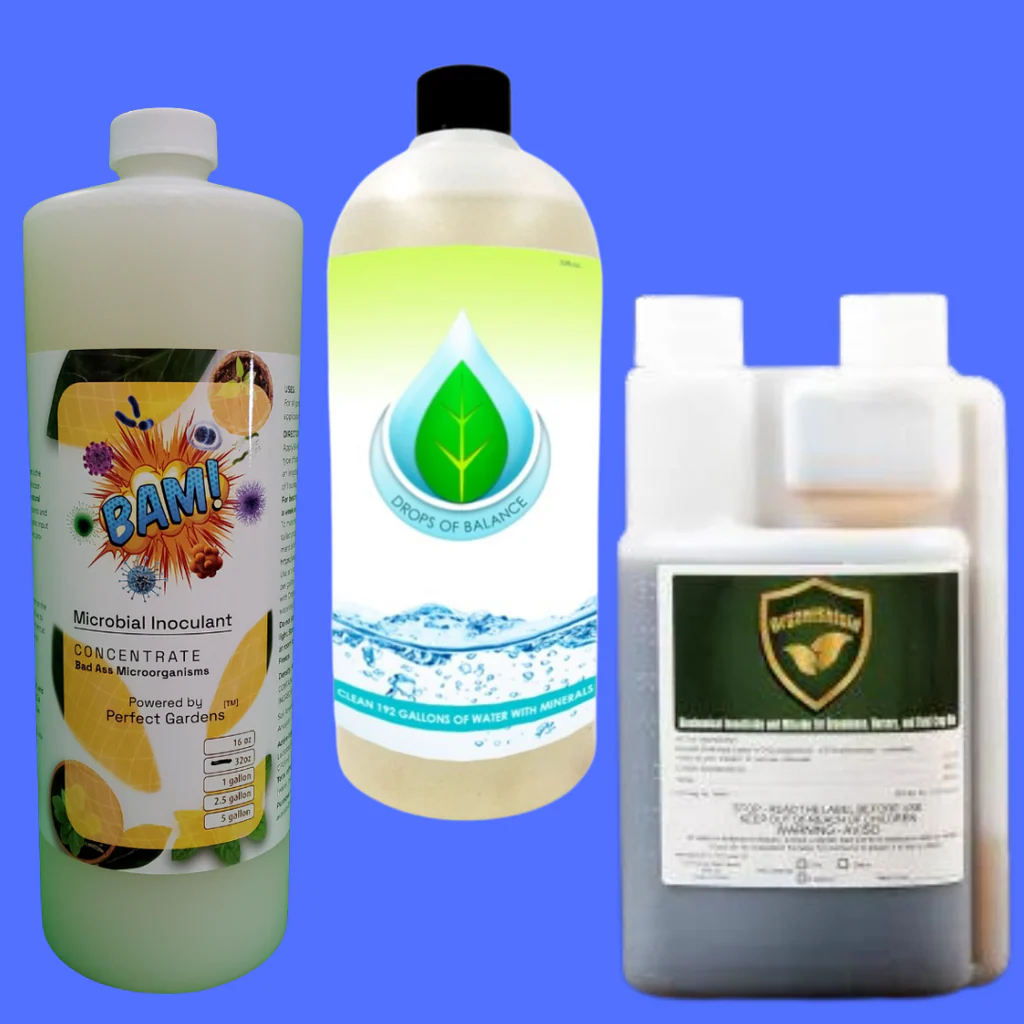
This is where a high-quality microbial inoculant becomes your best friend. By introducing beneficial bacteria and fungi, you are essentially "vaccinating" the plant. A product like BAM! (Beneficial Adaptive Microbes) or a complete microbial inoculant kit populates the rhizosphere with life that outcompetes pathogens and helps the plant produce thicker cell walls and more robust secondary metabolites (terpenes and alkaloids) that naturally repel insects.

When you use a microbial inoculant, you aren't just feeding the plant; you are building its "immune system." If a pest does manage to bite into a leaf, a healthy, microbially-supported plant can often repair the damage or produce defensive compounds that make it unpalatable to the rest of the colony.

Technical Implementation: Step-by-Step
Releasing beneficials isn't as simple as opening a bag and walking away. To get a return on your investment, follow these steps:
- Identify the Pest Precisely: Use a 60x jeweler's loupe. Misidentifying thrips for spider mites will lead to choosing the wrong predator.
- Check for Residuals: If you recently sprayed a "knockdown" organic pesticide like Pyganic or even heavy Neem oil, wait at least 7-10 days. These products don't care if a bug is "good" or "bad": they kill on contact.
- Clean the Environment: Wipe down your panda film and floors. Remove any dead plant material where pests might be hiding or breeding.
- Introduce Microbes: Apply your microbial inoculant to the root zone via your reservoir or a soil drench. This ensures the plant is supported from the bottom up while the insects work the top down.
- Release Early and Often: Biological control is a numbers game. In a heavy infestation, you may need to release beneficials every two weeks for three cycles to break the pest's life cycle (eggs, larvae, adults).
Understanding the "Caution" Zone
While beneficial insects are powerful, they have limitations.
- High Temps: Most beneficials stop breeding or die if temps exceed 85°F for extended periods.
- Humidity: Low humidity is the #1 reason predatory mites fail.
- Pesticide Overlap: Even some "soft" soaps can kill lacewing larvae. If you must spray, use something like OrganiShield, which is designed to be more compatible with certain IPM programs, but always check the compatibility charts first.
The Synergistic Approach
The most successful growers we see at Perfect Gardens don't rely on just one tool. They combine mechanical, biological, and cultural controls.
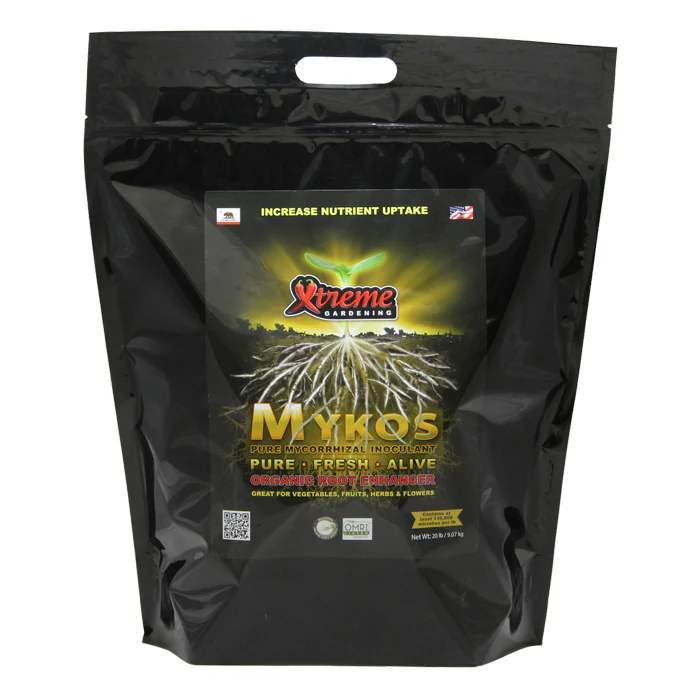
For example, using Xtreme Gardening Mykos during transplanting ensures the roots are colonized by mycorrhizae from day one. This, combined with regular doses of a microbial inoculant like BAM!, creates a plant that is physiologically "tougher." When you add ladybugs or lacewings on top of that, you aren't asking the bugs to save a dying plant; you're asking them to maintain a fortress.
Summary of Benefits
- No Harvest Delays: Unlike chemical sprays, you can release beneficial insects all the way up to the day of harvest without worrying about "flushing" or toxic residues.
- Labor Savings: Once established, a colony of predatory mites works 24/7. You don't have to spend hours in a respirator with a sprayer.
- Better End Product: Plants that haven't been stressed by harsh chemical oils often produce better color, aroma, and essential oil content.
- Environmental Stewardship: You aren't dumping chemicals into the water table or killing local pollinators if you grow outdoors.
The fact of the matter is that the industry is moving away from the "spray and pray" method. As more growers move toward organic standards and stricter testing for contaminants, biological control via beneficial insects and microbial inoculants is becoming the standard, not the exception.
If you're ready to stop fighting against nature and start working with it, check out our Grow Help section for more resources on setting up your own IPM strategy. Whether you're in a small tent or a commercial facility, the "good guys" are ready to get to work.



Leave a comment
This site is protected by hCaptcha and the hCaptcha Privacy Policy and Terms of Service apply.