
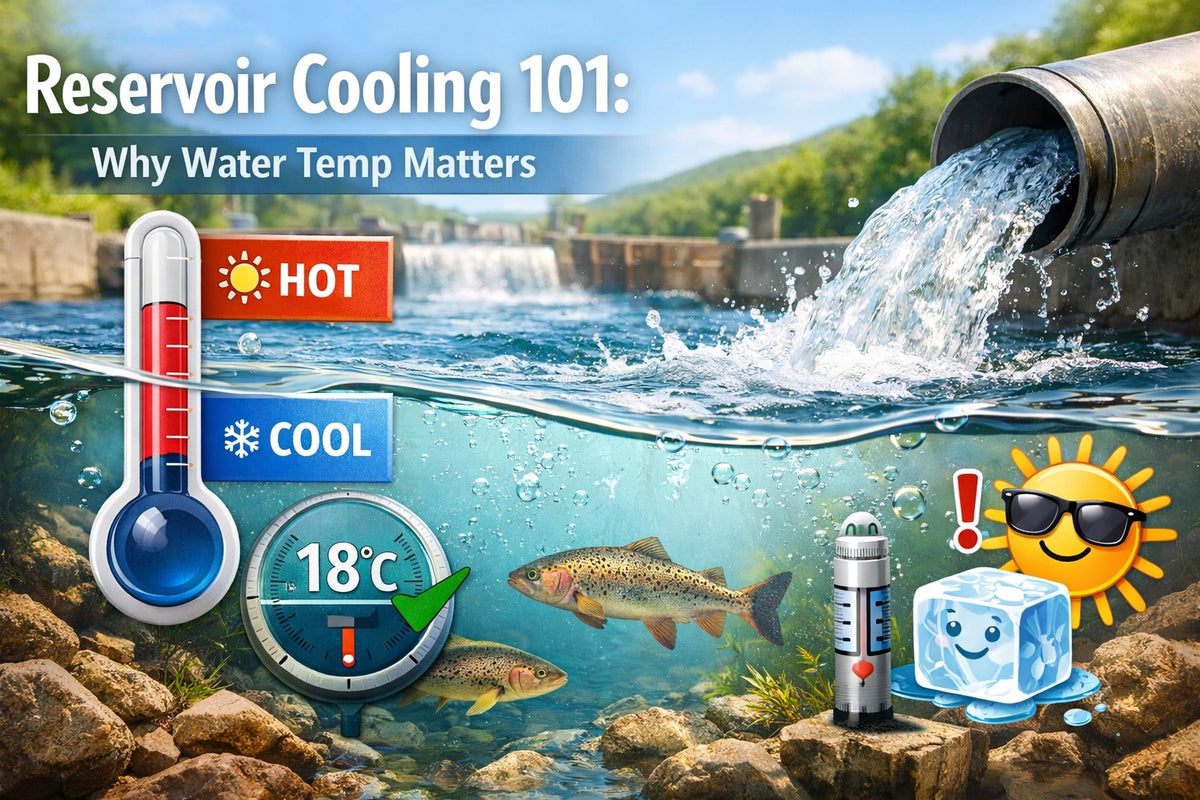
When most growers start their journey into hydroponic systems, they spend a significant amount of time obsessing over light intensity, pH levels, and finding the best nutrients for hydroponics. While these are undoubtedly critical pillars of a successful harvest, there is a silent variable lurking in the background that can make or break your entire run: reservoir temperature.
In the height of July, indoor grow rooms can quickly turn into ovens. If your nutrient solution gets too warm, you aren’t just dealing with a "thirsty" plant: you are facing a biological shutdown. Understanding the science of water temperature and its relationship with dissolved oxygen is the difference between a record-breaking yield and a bucket full of brown, slimy roots.
The Science of Dissolved Oxygen (DO)
The most fundamental reason water temperature matters is a principle of physics: the colder the water, the more dissolved oxygen it can hold.
Plants do not just "drink" water; their roots need to breathe. In a soil-based setup, air pockets in the dirt provide this oxygen. In hydroponics, the roots are often submerged, meaning they rely entirely on the oxygen dissolved in the nutrient solution. This is known as Dissolved Oxygen (DO).
As the temperature of your reservoir rises, the water’s ability to hold onto oxygen molecules plummets. When water hits 75°F (24°C) and above, the DO levels drop significantly. Without enough oxygen, the roots begin to suffocate. This creates a cascade of failure: the plant’s metabolism slows down, nutrient uptake stops, and the plant becomes stressed and susceptible to disease.
Why 68°F is the "Sweet Spot"
In the world of professional hydroponics, 68°F (20°C) is widely considered the "Goldilocks" temperature. It is not a random number; it is the point where several biological and chemical factors align perfectly.
- Maximum Oxygen Saturation: At 68°F, the water can hold a high concentration of dissolved oxygen: enough to support rapid root growth and high metabolic activity.
- Pathogen Suppression: Most harmful water-borne pathogens, specifically Pythium (the primary cause of root rot), thrive in temperatures above 72°F. Keeping the water at 68°F acts as a natural defense mechanism.
- Metabolic Efficiency: While plants love warm air (80°F–85°F under LEDs), their "feet" prefer to stay cool. Cool roots allow the plant to transpire efficiently, moving water and nutrients from the reservoir to the top canopy without the plant overheating.
Caution: Dropping your reservoir below 60°F can be just as damaging as letting it get too hot. Cold-shocked roots will cause the plant to "lock out" certain nutrients, leading to stunted growth and purple stems.
The Danger Zone: Root Rot and Pathogens
If your reservoir temperature stays in the mid-70s for more than a day or two, you are essentially inviting a disaster. The combination of low oxygen and warm water is the perfect breeding ground for anaerobic bacteria and fungi.
The most common culprit is Pythium. You’ll recognize it by the tell-tale signs:
- Roots turning from pearly white to a tan or chocolate brown.
- A "slimy" texture on the root mass.
- A foul, swampy odor coming from the reservoir.
- Plants wilting during the "day" cycle even when the lights aren't at full intensity.
Once root rot sets in, it is incredibly difficult to reverse. While products like hydrogen peroxide can help sanitize the system, they are often just a band-aid if the underlying temperature issue isn't fixed.

Reservoir Stability: The Thermal Buffer Effect
Interestingly, we can learn a lot from the world of high-performance computing. In liquid-cooled PC systems, enthusiasts monitor "coolant temperature" rather than just the CPU temperature. Why? Because the liquid acts as a thermal buffer.
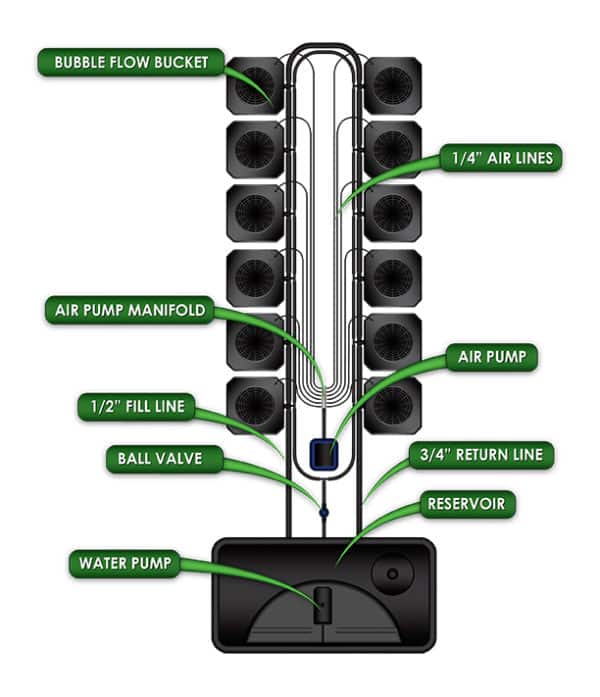
In your grow room, the reservoir is your thermal buffer. If you have a small 5-gallon reservoir, it will react wildly to the ambient temperature changes in the room. If your lights kick on and the room jumps 10 degrees, a small reservoir will follow suit quickly.
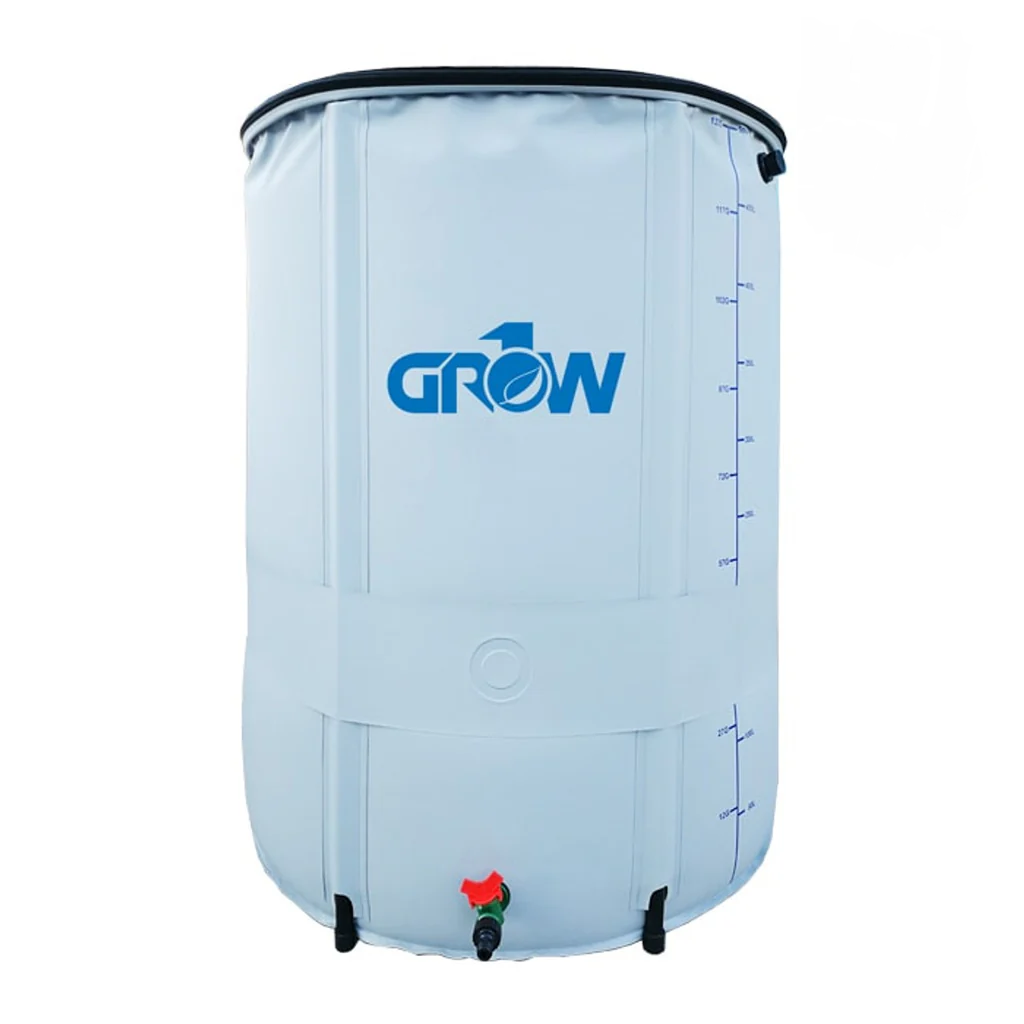
However, a larger reservoir (like a 100-gallon collapsible tank) has more "thermal mass." It takes much more energy to move the temperature of 100 gallons than it does 5 gallons. This stability prevents "shocks" to the root zone.
Pro Tip: Always choose the largest reservoir your space can accommodate. Stability is the key to a stress-free grow.
Best Nutrients for Hydroponics and Temperature
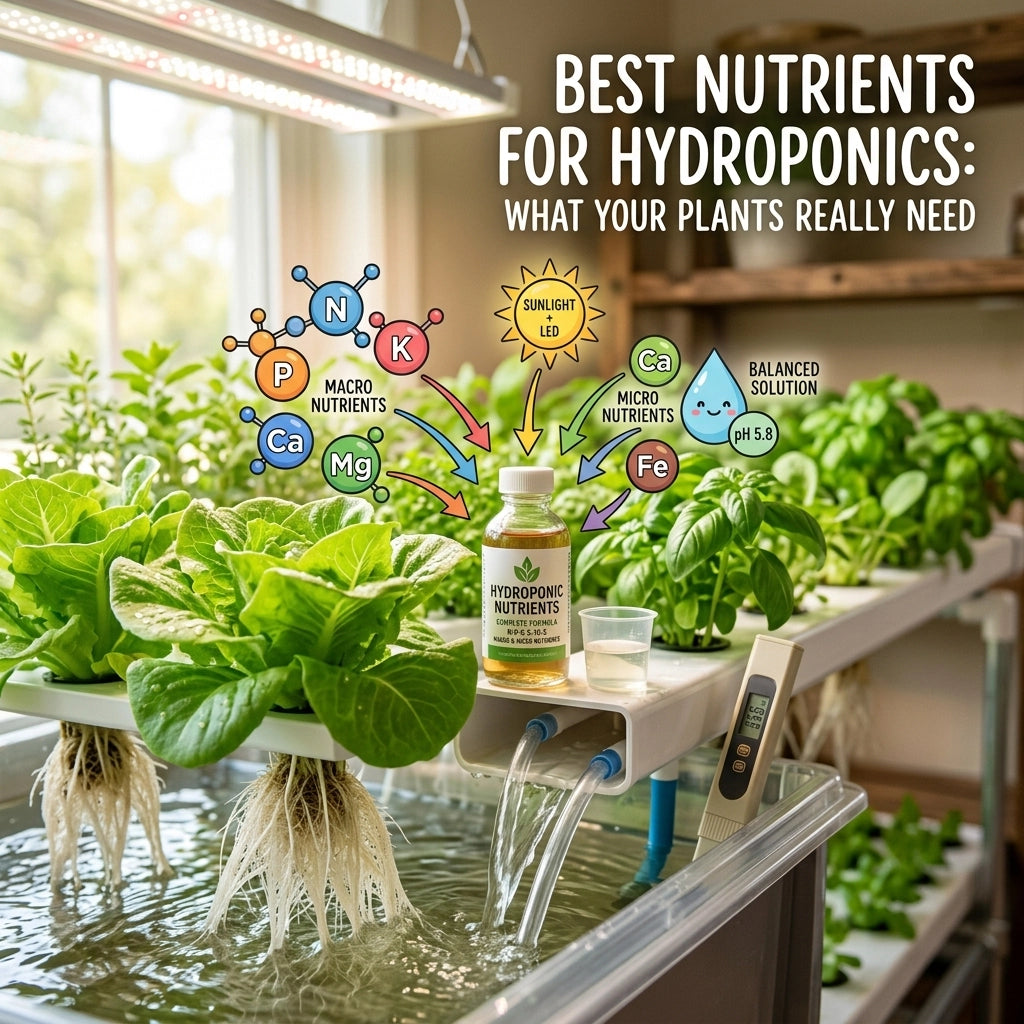
Temperature also dictates how well your plants can actually use the food you give them. The best nutrients for hydroponics are designed to be "bio-available," meaning the plant can absorb them easily. However, as water warms up, the solubility of certain minerals changes, and the plant’s ability to move those minerals through its vascular system is compromised.
When the reservoir is too warm:
- Calcium Uptake Drops: This often leads to "tip burn" or localized deficiencies, even if there is plenty of Calcium in the water.
- pH Fluctuations: As oxygen leaves the water and bacteria begin to grow, the pH of your solution will often start to swing wildly, usually dropping as organic matter decays.
Practical Ways to Keep Your Reservoir Cool
If you find your temps climbing above that 70°F mark, you need to take action. Here are the most effective ways to manage reservoir heat, ranging from DIY fixes to professional solutions.
1. The Water Chiller (The Professional Choice)
A dedicated water chiller is the only "set it and forget it" solution. It works like a mini-refrigerator for your nutrient solution. You set your desired temp (68°F), and the chiller kicks on whenever the water drifts too high. While it is an investment, it pays for itself in avoided crop failure.
2. Insulation and Reflective Barriers
Many reservoirs are black or dark blue, which absorbs heat from grow lights. Wrapping your reservoir in Black and White Panda Film (white side out) can reflect a significant amount of radiant heat away from the water.
3. Move the Reservoir
If you are using a top-feed or a remote-reservoir system, move the tank outside of the grow tent. The ambient air in your house or basement is likely much cooler than the air inside a tent full of high-powered lights.
4. Aeration with Cool Air
The air pumps you use to oxygenate your water also contribute to heat. If your air pump is sitting on a hot floor inside the tent, it is literally pumping hot air into your water. Move your air pump to a cool spot near an AC vent or a window so it pulls in chilled air.
5. The "Ice Bottle" Method (The Budget Fix)
In an emergency, you can freeze 2-liter soda bottles filled with water and drop them into the reservoir.
Caution: This creates massive temperature swings (the "yo-yo" effect), which can stress the roots. It also requires you to be present 24/7 to swap bottles. Use this only as a temporary fix.
Summary of Temperature Goals
| Temperature | Status | Effect on Plants |
|---|---|---|
| Below 60°F | Too Cold | Nutrient lockout (P, Mg), stunted growth, metabolic stall. |
| 65°F - 68°F | Ideal | Maximum dissolved oxygen, high metabolism, pathogen resistance. |
| 72°F - 75°F | Caution | Oxygen levels dropping, Pythium risk increases, stress begins. |
| Above 78°F | Danger | Severe oxygen depletion, rapid root rot, plant wilting. |
Final Thoughts
Growing in hydroponic systems gives you ultimate control over your plant's environment, but that control comes with the responsibility of monitoring the "invisible" metrics. Don't let your hard work go to waste by ignoring your water temperature.
Check your reservoir daily. If you can’t keep it under 70°F, it’s time to look into insulation or a chiller. Your plants will thank you with faster growth, thicker stalks, and much heavier harvests.
If you’re struggling with root issues or need help sizing a cooling system for your tent, feel free to reach out to our team or join our Army of Growers community for more expert advice!



Leave a comment
This site is protected by hCaptcha and the hCaptcha Privacy Policy and Terms of Service apply.