
Blog
Cal-Mag Deficiency or Light Stress? How to Tell the Difference
If you’ve been growing for more than a week, you’ve probably hit that moment of panic where you look at your plants and realize something is wrong. The leaves are changing color, the edges are curling, and suddenly your "relaxing hobby" feels like a high-stakes chemistry exam.
The two biggest culprits that look almost identical to the untrained eye are Cal-Mag deficiency and light stress. It’s a classic grower’s dilemma. Do you add more nutrients, or do you move your lights up? If you guess wrong, you might actually make the problem worse. Adding nutrients to a plant that is already stressed by light intensity can lead to nutrient lockout, while moving your lights away from a hungry plant just slows down your yields.
In this guide, we’re going to break down the visual cues, the science of "mobile vs. immobile" nutrients, and the "Where is it?" test to help you diagnose your plants like a pro.
The "Where is it?" Test: Location Matters
The absolute first thing you need to do is look at where the damage is happening on the plant. Plants move nutrients around in specific ways, and light hits specific areas. This is your biggest clue.
Cal-Mag: The Mobile vs. Immobile Split
Calcium and Magnesium are actually two different issues, even though we often talk about them as one supplement.
- Magnesium (The Mobile One): Magnesium is a mobile nutrient. This means if the plant doesn't have enough in its "diet," it will literally steal Magnesium from the older, bottom leaves and send it up to the new growth at the top. Because of this, Magnesium deficiency almost always starts at the bottom of the plant.
- Calcium (The Immobile One): Calcium is immobile. Once it’s locked into a leaf, it stays there. If the plant runs out, it can’t move it. Therefore, Calcium deficiency shows up on the new growth at the top or the tips of the leaves.
Light Stress: The "Top-Down" Problem
Light stress doesn't care about the plant's internal nutrient transport. It’s an external force. Because of this, light stress always hits the parts of the plant closest to the light source. If your top canopy is looking fried but the middle and bottom of the plant look lush and green, you are likely dealing with light stress or "light burn."

Visual Breakdown: Cal-Mag Deficiency
When you’re looking at a Cal-Mag issue, the patterns are usually very distinct. It looks "biological" rather than "burnt."
Magnesium Deficiency Symptoms:
- Interveinal Chlorosis: This is the fancy term for when the veins of the leaf stay dark green, but the space between them turns yellow. It looks like a green skeleton on a yellow background.
- Rusty Spots: As it gets worse, you’ll see small brown or "rusty" spots appearing within those yellow zones.
- Location: Primarily older, lower leaves.
Calcium Deficiency Symptoms:
- Localized Necrosis: You’ll see tiny, dark brown spots on the newest leaves at the top.
- Crinkling and Distortion: New leaves might come out looking twisted or hooked.
- Weak Stems: Since Calcium is the "bricks" of the plant's cell walls, the stems might feel hollow or snap easily.
If you suspect your nutrient levels are off, checking out our plant nutrients packages is a good place to start, but remember: always check your pH first. A pH that is too low (acidic) will lock out Calcium and Magnesium even if they are present in the water.
Visual Breakdown: Light Stress and Light Burn
Light stress is a bit different. It’s essentially the plant’s version of a sunburn. It happens when the light intensity (PPFD) is higher than the plant's ability to process that energy through photosynthesis.
Light Stress Symptoms:
- Yellowing with Yellow Veins: Unlike Magnesium deficiency, light stress often turns the entire leaf yellow, including the veins.
- Tacoing: This is a classic sign. The leaf edges will curl upward, looking like a little taco shell. The plant is trying to reduce the surface area exposed to the light to protect itself.
- Bleaching: In extreme cases, the tops of the buds or leaves will turn pure white. This isn't "cool crystals", it’s literally the chlorophyll being destroyed by the light.
- Serrated Edges Turning Up: The "teeth" on the edges of your leaves will point straight up toward the light.
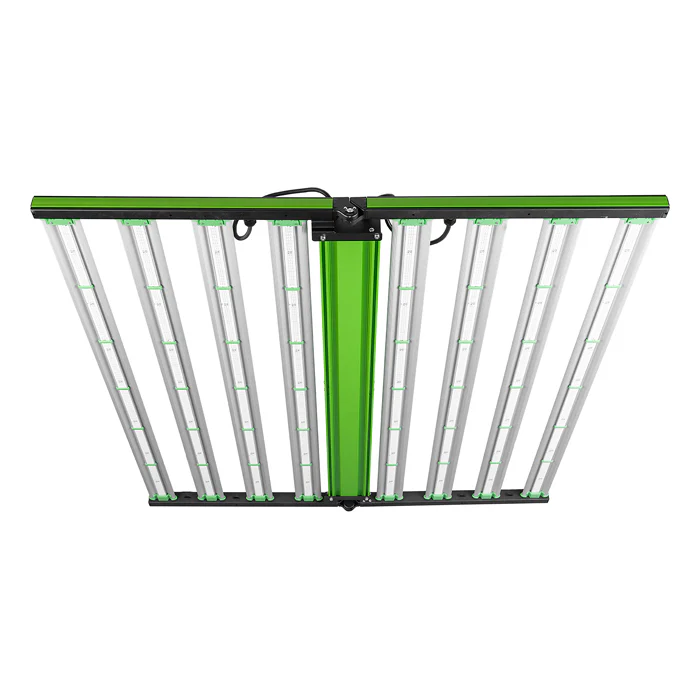
Modern LED lights are incredibly powerful. While they are more efficient than old-school HPS bulbs, they can be deceptive because they don't always produce as much heat. You can burn your plants with "light intensity" even if the temperature in the tent feels perfectly fine.
The "Vein Check" Secret
If you’re still not sure, do the "Vein Check." It’s the most reliable visual indicator we have.
- Green Veins + Yellow Leaf: This is almost always a nutrient issue (usually Magnesium). The plant is struggling to produce chlorophyll, but the "highways" (veins) are still holding onto it.
- Yellow Veins + Yellow Leaf: This is usually light stress or a more advanced nitrogen issue. When the light is too intense, it fries the whole leaf tissue, veins and all.
How to Fix the Problem
Once you’ve identified the culprit, the fix is usually straightforward, but you have to be patient.
If it’s Light Stress:
- Dim the Lights: If you have an adjustable LED, turn it down by 10-20%.
- Increase the Distance: Move the light 6-12 inches higher. If you're out of room in your tent, you might need to look into better tents and film setups that allow for more vertical height.
- Check Your PPFD: Use a light meter or a phone app to see exactly how much light your canopy is getting. Most plants in the flowering stage don't need more than 800-1000 PPFD without CO2 supplementation.
If it’s Cal-Mag Deficiency:
- Check the pH: This is the #1 reason for "deficiency." If your pH is out of the 5.8–6.5 range (depending on your medium), the plant can’t "see" the nutrients.
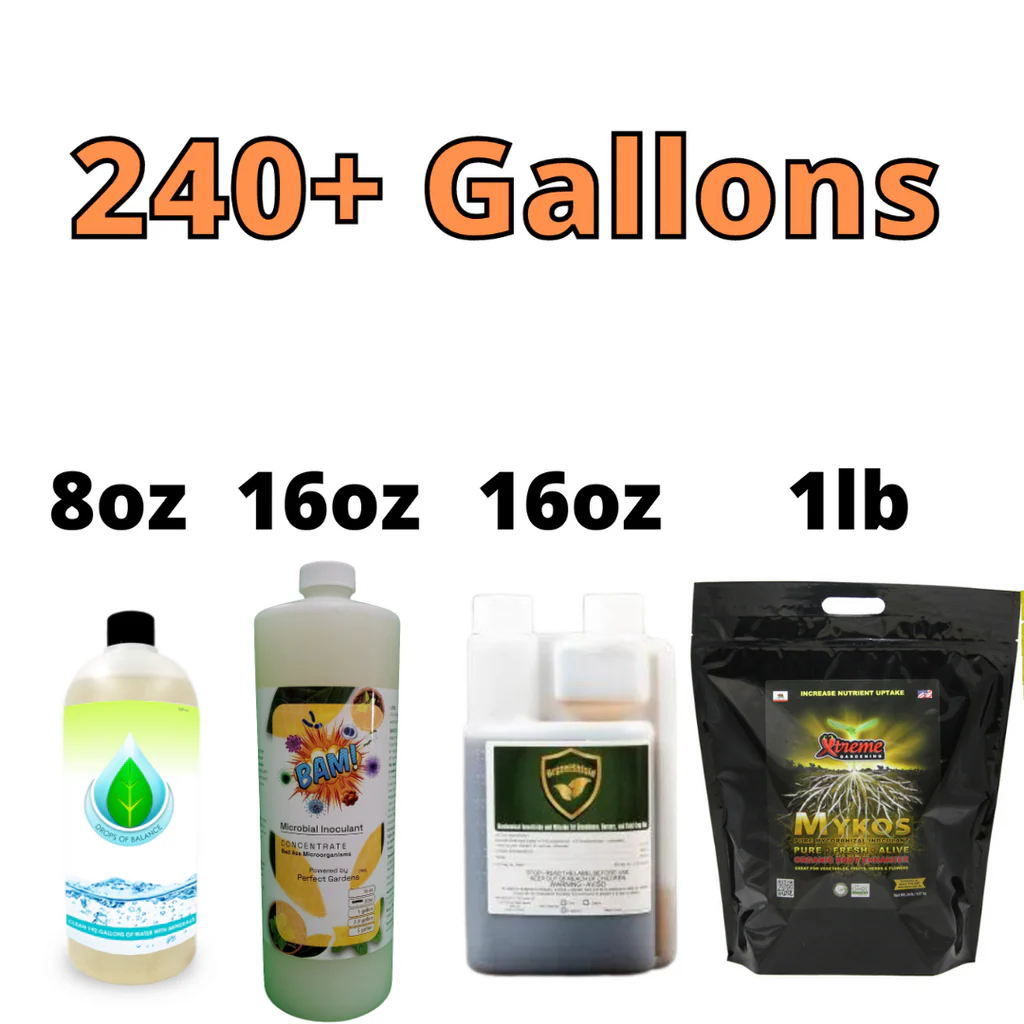
- Add a Supplement: Use a high-quality mineral supplement. We often recommend products like Drops of Balance for mineralizing water and ensuring the plant has a full spectrum of trace elements.
- Flush (If Necessary): If you've been heavy-handed with other nutrients, you might have a salt buildup causing lockout. A light flush with pH-balanced water can reset the root zone.
Why This Happens (The Technical Bit)
The fact of the matter is that these two issues are often linked. High light intensity actually increases the plant's demand for Calcium and Magnesium. When you blast a plant with high-powered LEDs, the plant's metabolism goes into overdrive. It tries to grow faster, which means it uses up its supply of Cal-Mag much quicker than it would under weaker light.
This is why many growers think they have a light burn issue, but it's actually a nutrient deficiency caused by too much light. This is why we call it "Light Stress" rather than just "Light Burn."
If you want to see these differences in action, we have a whole library of grow help videos that show side-by-side comparisons of healthy versus stressed plants. Seeing it in motion can really help it click.
Summary Checklist for Growers
Before you make any drastic changes, run through this quick checklist:
- Is the damage at the top? Yes? Check light distance and Calcium.
- Is the damage at the bottom? Yes? Check Magnesium and Nitrogen.
- Are the leaf edges "tacoing" up? Yes? It’s definitely Light Stress.
- Are the veins green but the leaf yellow? Yes? It’s likely a Mag deficiency or pH lockout.
- Did you check your pH? No? Do that before you add a single drop of anything else to your reservoir.
Final Thoughts from the Garden
Diagnosing plant problems is a skill that takes time to develop. Don't beat yourself up if you don't get it right the first time. The best thing you can do is make small, incremental changes. Don't move the light and double the nutrients and change the pH all in one day. You won't know which fix actually worked.
Start by checking your light height and your pH. Those are the "big two." If those are dialed in and the problem persists, then you can start looking into specific nutrient supplementation.
If you’re still feeling stuck, you can always reach out to us on our contact page or join our Army of Growers community to get advice from people who have been exactly where you are.
Happy growing, and keep those leaves green (and the veins too)!