
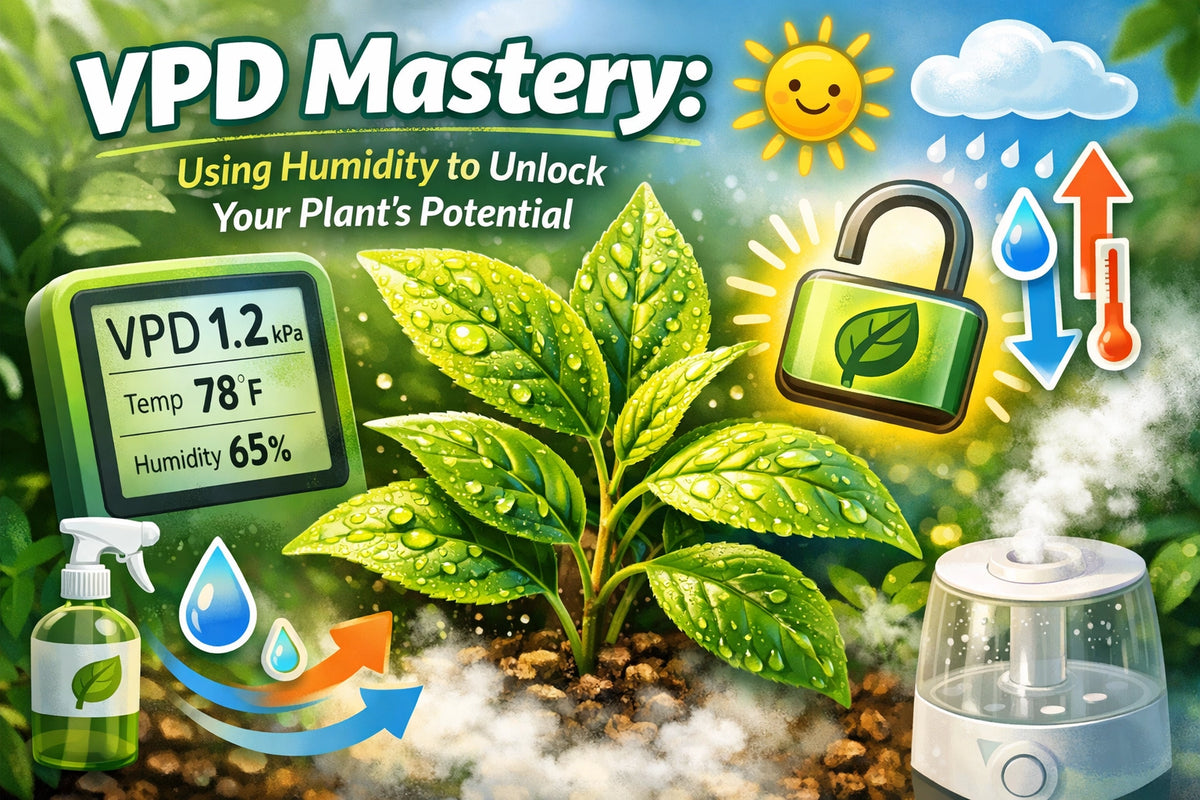
If you’ve been hanging around the growing community for a while, you’ve probably heard the term "VPD" thrown around like it’s some secret code to unlocking massive yields. For a long time, growers focused almost entirely on Temperature and Relative Humidity (RH) as separate dials. But here’s the thing: your plants don’t experience temperature and humidity as two different things. They experience them as a combined force that dictates how they breathe, drink, and eat.
The fact of the matter is, if you aren't tracking your Vapor Pressure Deficit (VPD), you're essentially driving your grow room with a blindfold on. You might be getting okay results, but you aren't hitting that "sweet spot" where the plant is firing on all cylinders. In this guide, we’re going to break down what VPD actually is, how it controls nutrient uptake, and how you can master it in your own garden.
What Exactly is VPD?
Vapor Pressure Deficit sounds like something out of a physics textbook, but it’s actually a pretty simple concept once you strip away the jargon.
Think of it this way: Inside your plant's leaves, the air is nearly 100% saturated with water. Outside the leaf, in your grow room, the air is (hopefully) less than 100% saturated. Nature hates an imbalance, so the water inside the leaf wants to move out into the drier air.
VPD is the difference (the deficit) between the amount of moisture currently in the air and how much moisture that air could hold if it were fully saturated.
Why does this matter more than Relative Humidity? Because hot air can hold way more water than cold air. 60% humidity at 70°F feels totally different to a plant than 60% humidity at 85°F. VPD accounts for this temperature difference, giving you a much more accurate picture of how your plant is actually feeling.

Transpiration: The Engine of Growth
To understand why VPD is the "holy grail" of environment control, you have to understand transpiration. Transpiration is the process of water moving through a plant and evaporating from aerial parts, like leaves and stems.
It works like a straw. As water evaporates from the stomata (tiny pores on the leaves), it creates a vacuum that pulls more water: and the nutrients dissolved in it: up through the roots and the xylem.
- When VPD is too low (High Humidity): The air is already full of moisture. The water in the leaves has nowhere to go. Transpiration slows down or stops. This means your plant stops "drinking" from the roots, leading to nutrient deficiencies (like calcium lockout) and a massive risk of mold or bud rot.
- When VPD is too high (Low Humidity/High Heat): The air is "thirsty" and pulls water out of the leaves faster than the roots can replace it. To save itself from drying out, the plant closes its stomata. When the stomata close, the plant stops taking in CO2. No CO2 = no photosynthesis = no growth.
Finding the middle ground is how you unlock your plant's full potential.
Calculating VPD (Without the Headache)
Most growers today use sensors or apps to calculate VPD, but it's good to know the logic behind it. The formula involves calculating the Saturation Vapor Pressure (how much water the air can hold at a specific temp) and subtracting the Actual Vapor Pressure (how much water is actually in the air).
If you’re a "math person," you can find charts online that cross-reference your room temp and RH to give you a kPa (kilopascal) reading. For the rest of us, using a smart monitor or a simple VPD chart is the way to go.
One thing many growers forget is Leaf Surface Temperature (LST). Your leaves are usually 2-5 degrees cooler than the ambient air because of the cooling effect of transpiration. For a truly accurate VPD reading, you should use an infrared thermometer to check your leaf temps and factor that into your calculation.
VPD Targets for Different Growth Stages
Your plant's needs change as it matures. A baby seedling has a tiny root system and can’t handle much "pull" from the air, while a massive flowering plant in mid-bloom needs to move a ton of water to build those heavy colas.
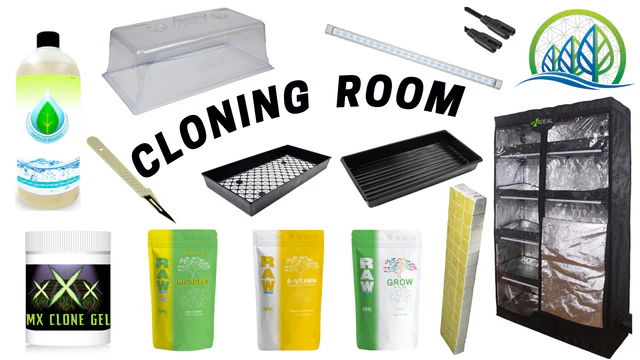
1. Seedlings and Clones (Target: 0.4 – 0.8 kPa)
In the early stages, you want a very low VPD. This means high humidity (70-80%). Since these plants don't have established roots yet, you don't want them losing water through their leaves too fast. High humidity keeps them turgid and happy while they focus on building a foundation.
2. Vegetative Stage (Target: 0.8 – 1.2 kPa)
Once the roots are set and the plant starts pumping out fan leaves, you can start "opening up" the VPD. By lowering the humidity slightly or raising the temp, you increase the pull. This forces the plant to drink more, which delivers more nutrients to the new growth. This is where you see that explosive daily growth we all love.
3. Flowering Stage (Target: 1.2 – 1.6 kPa)
As you move into flower, you generally want to increase the VPD even further. Higher VPD (lower humidity) helps prevent pathogens like powdery mildew and botrytis, which love the dense, moist environment of a flower canopy. It also stresses the plant just enough to encourage resin production and essential oil development. However, be careful: if you go much over 1.6 kPa, you risk stressing the plant to the point where it stops growing.
The Nutrient Connection: Why Your Leaves Are Turning Yellow
I see this all the time: a grower has a perfect nutrient schedule, high-end LED lights, and great genetics, but their plants still look like they have a deficiency. They keep adding more bottled nutrients, but the problem gets worse.
The issue is often VPD-related nutrient lockout.
Certain nutrients, like Calcium and Magnesium, are "immobile" or move primarily through transpiration. If your VPD is too low (humidity too high), the plant isn't moving enough water to carry those minerals to the top of the plant. You’ll see "tip burn" or yellowing even though there’s plenty of food in the soil.
On the flip side, if your VPD is too high and the plant is transpiring like crazy, it might be drinking too much water. As the water evaporates, it leaves behind a high concentration of salts in the growing medium, which can lead to "nutrient burn" or pH swings at the root zone.
If you're seeing weird spots on your leaves, check your VPD before you reach for the Cal-Mag. You might just need to turn on a dehumidifier or adjust your exhaust fan. If you need a hand figuring out your specific setup, check out our Grow Help Videos for more visual guides.
Practical Tips for Controlling VPD
Knowing the numbers is one thing; hitting them in a 4x4 grow tent is another. Here’s how you actually manage it:
- Invest in a Controller: Devices that can trigger your exhaust fan or humidifier based on VPD (rather than just RH) are game-changers. They do the math for you in real-time.
- Seal the Room: If you’re struggling to keep humidity up or down, look at your environment. Using Black and White Panda Film to seal off areas can help you maintain a more stable micro-climate.
- Airflow is Key: VPD can vary wildly within a single room. Use oscillating fans to ensure there are no "pockets" of stagnant, high-humidity air sitting under your leaf canopy.
- The Night Cycle: Remember that when the lights go out, the temperature drops, which causes the RH to spike. This can send your VPD crashing to zero, which is when mold strikes. Always have a plan for dehumidification during the "lights out" period.
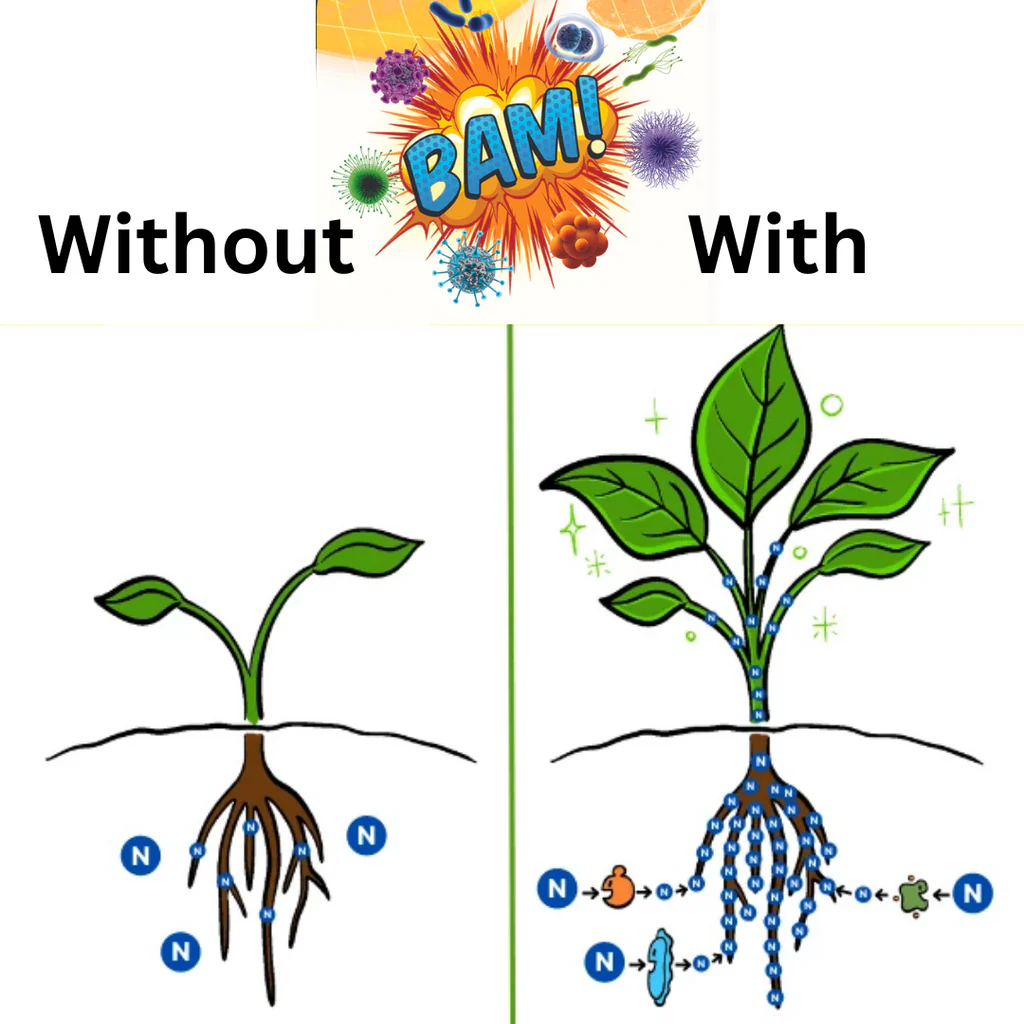
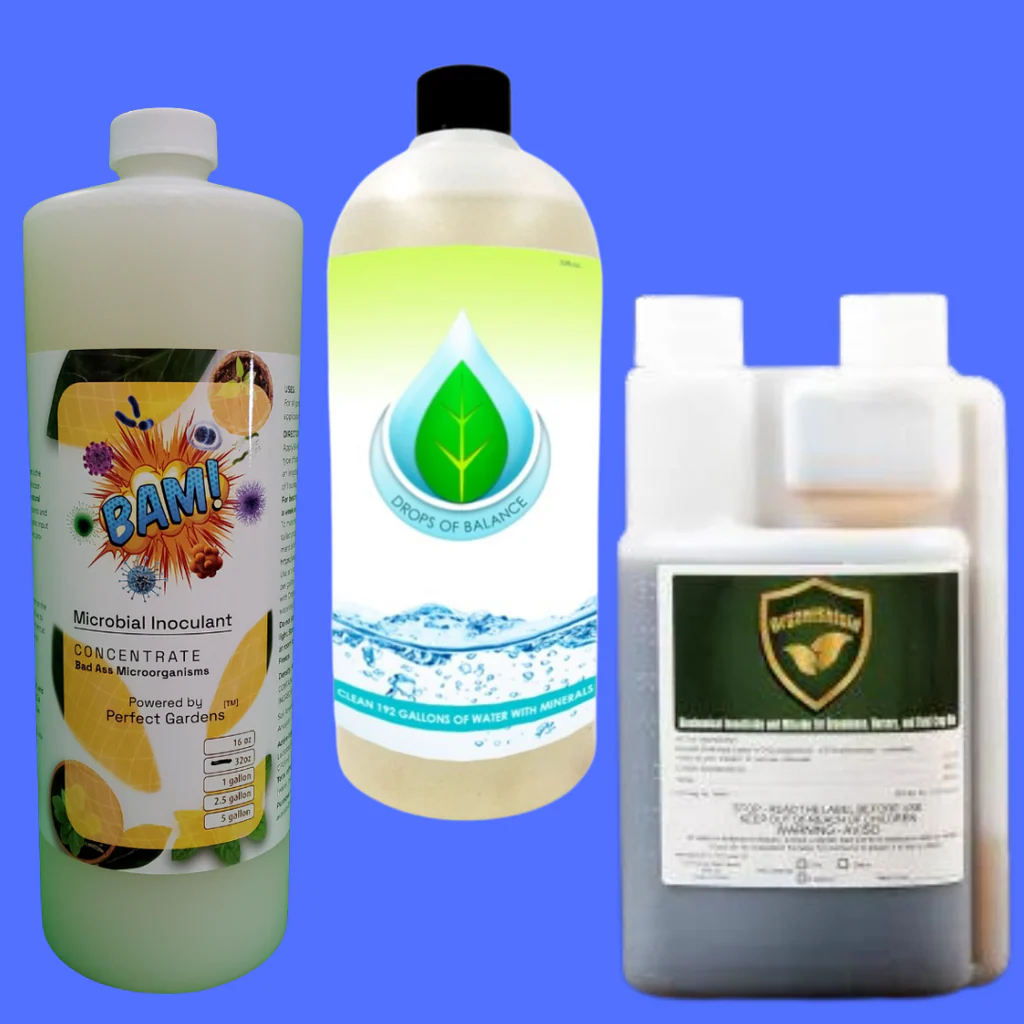
- Microbial Support: Healthy roots are better at handling the "pull" of high VPD. Using something like BAM! Microbial Inoculant ensures your root system is robust enough to keep up with the demands of the air.
Common Pitfalls and Misconceptions
It seems like more is always better in the growing world, but with VPD, the goal is balance. A common mistake is chasing a specific kPa number while ignoring the absolute temperature. For example, you can achieve a "perfect" VPD of 1.2 kPa at 95°F if the humidity is high enough, but 95°F is still too hot for most plants to thrive.
Always prioritize your temperature range first, then adjust your humidity to hit your target VPD.
Another misconception is that VPD stays the same across the whole plant. The VPD at the top of the canopy, right under the lights, is going to be much higher than the VPD at the bottom of the plant where it’s shaded and cool. This is why defoliation and proper spacing are so important: it helps equalize the environment so the whole plant can transpire evenly.
Wrapping It Up
Mastering VPD is what separates the hobbyists from the pros. It’s the difference between a plant that’s "surviving" and a plant that’s "thriving." By understanding the relationship between temperature, humidity, and transpiration, you can finally give your plants exactly what they need to maximize their genetic potential.
If you’re just starting to track this, don’t get overwhelmed. Start by getting a reliable thermometer/hygrometer and a basic VPD chart. Watch how your plants react when you move from 0.8 to 1.2 kPa. You’ll start to see a "sheen" on the leaves and a vigor in growth that you just can't get by only looking at the humidity dial.
Still have questions about your specific grow setup or the gear you need to get your environment dialed in? We’re here to help. Head over to our Contact Page and let’s get those plants reaching their full potential!


Leave a comment
This site is protected by hCaptcha and the hCaptcha Privacy Policy and Terms of Service apply.