
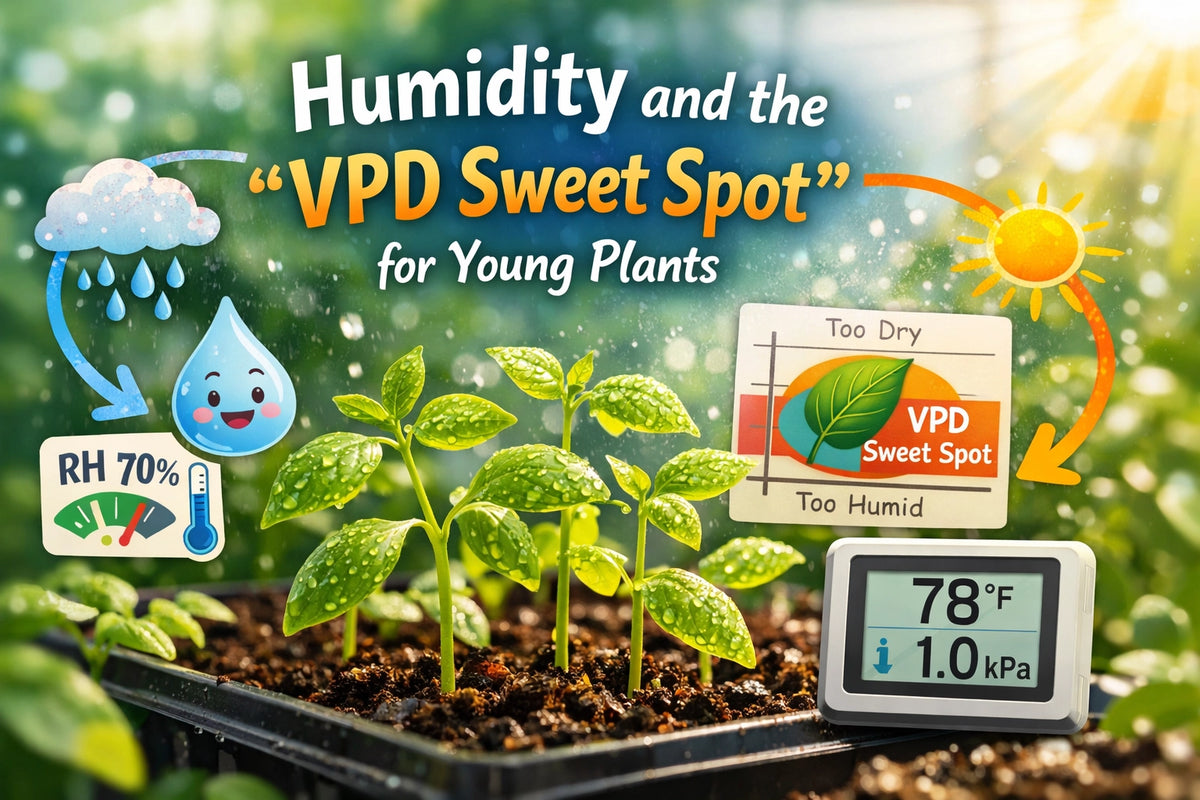
For many years, new growers were told a simple rule: keep your humidity high for seedlings and low for flowers. While that advice isn’t technically wrong, it’s incomplete. If you want to move from being a hobbyist to a master gardener, you need to understand Vapor Pressure Deficit, or VPD.
VPD is a much more accurate way to measure how your plants interact with their environment than Relative Humidity (RH) alone. When we talk about young plants: specifically seedlings and recently rooted cuttings: finding the "sweet spot" for VPD can be the difference between explosive early growth and a stagnant, struggling crop.
What Exactly is VPD?
The fact of the matter is that plants don't just "breathe" air; they are constantly moving water from their roots up through their leaves and out into the atmosphere. This process is called transpiration.
VPD measures the difference between the amount of moisture currently in the air and how much moisture that air could hold if it were saturated. Think of the air like a sponge. If the air is very dry, it’s like a thirsty sponge that pulls water out of your plant's leaves very quickly. If the air is very humid, the sponge is already full, and the plant can’t "evaporate" water as easily.
For young plants, this balance is critical. Because their root systems are still developing, they cannot replace lost water as quickly as a mature plant. If the VPD is too high (dry air), the plant loses water faster than it can drink, leading to wilting and stress.
The Seedling and Cutting Phase: Why Lower is Better
During the first few weeks of life, your plants are fragile. Whether you are starting from seed in plastic seedling starter trays or taking cuttings in an aeroponic cloning system, the goal is to minimize stress.

Research shows that young plants thrive when the VPD is kept between 0.5 and 0.9 kPa. If you had to pick a single number to aim for, 0.8 kPa is widely considered the ultimate sweet spot.
At this level, the "pull" from the air is gentle. The plant can keep its stomata (tiny pores on the leaves) open. When stomata are open, the plant can take in CO2, which is the fuel for photosynthesis. If you push the VPD too high too early, the plant enters a survival mode, closing its stomata to save water, which effectively stops growth.
The Danger of the "VPD Death Spiral"
It seems more like a minor detail to some, but ignoring VPD can lead to what professional growers call the "VPD Death Spiral." This happens when the air is so dry (high VPD) that the plant's roots can't keep up with the evaporation from the leaves.
- Stomata Closure: The plant senses it is losing water too fast and closes its pores.
- CO2 Starvation: With the pores closed, the plant can no longer take in CO2.
- Heat Stress: Transpiration is how a plant cools itself. Without it, the leaf temperature rises.
- Nutrient Lockout: As the plant tries to pull water frantically to stay cool, it may pull in too many nutrients at once, leading to tip burn or toxicities.
To avoid this, you need to keep your humidity levels relatively high: usually between 65% and 70%: assuming your temperatures are in the standard 75°F to 80°F range. This keeps the VPD in that safe 0.8 kPa zone.

Tools for Controlling the Environment
Managing the environment for young plants is much easier when you have the right setup. Many growers prefer using a dedicated space for this phase. Growing in Gorilla Grow Tents is a popular choice because these tents are designed to hold humidity and temperature much more consistently than an open room.
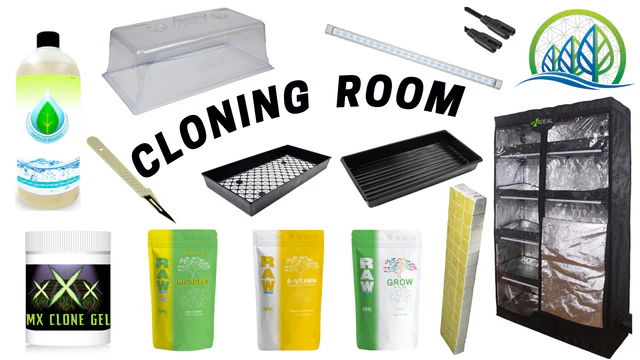
To hit your VPD targets, you’ll need a few essential items:
- A High-Quality Hygrometer: You cannot manage what you do not measure. You need to know both the temperature and the RH at the leaf canopy level.
- Humidity Domes: For the very first few days of a clone’s life, a dome helps keep the VPD near zero, which is necessary until the first roots form.
- Ultrasonic Humidifier: This is often required in the winter or in dry climates to keep the moisture levels high enough.
- Variable Speed Fans: Airflow is important to prevent mold, but you don't want a "windburn" effect that spikes transpiration.
The Role of Lighting in VPD
One factor that many growers overlook is the "Leaf Temperature Offset." VPD isn't just about the temperature of the air; it’s about the temperature of the leaf.
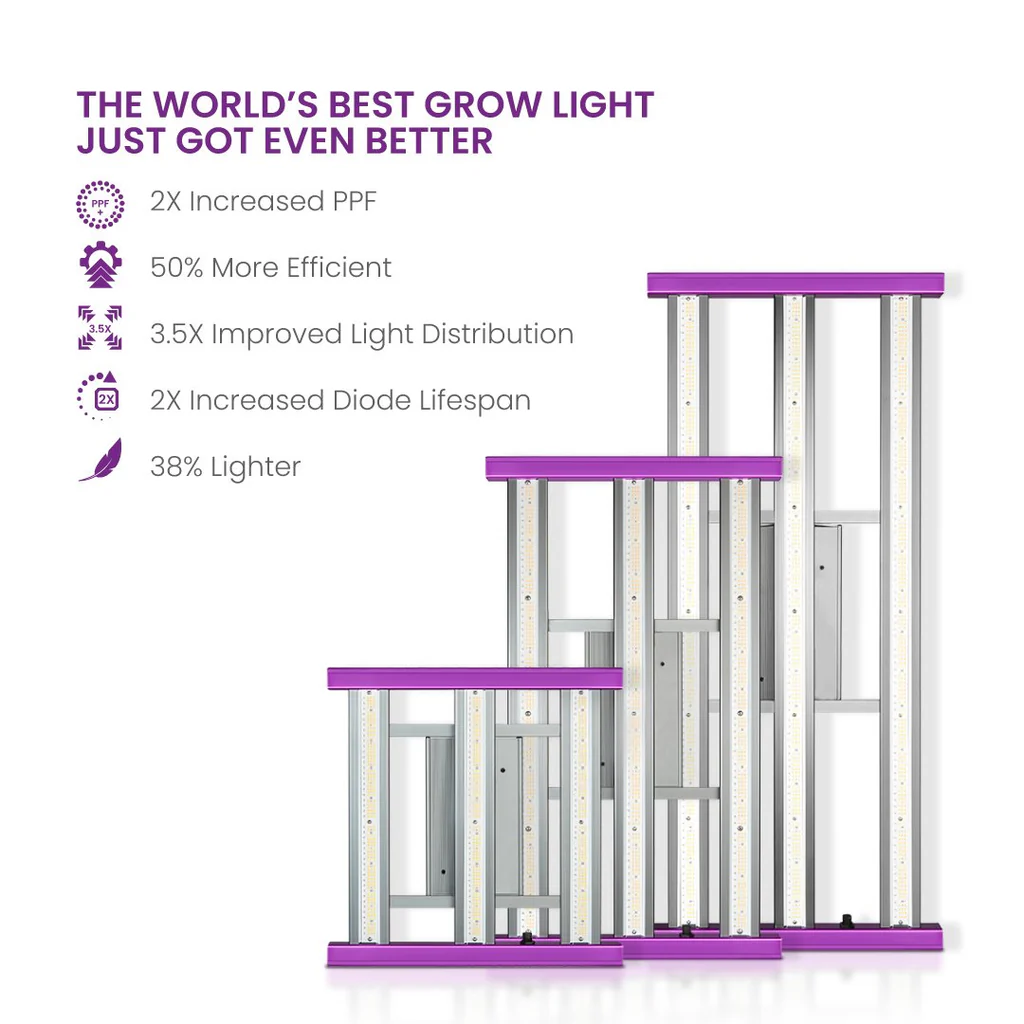
High-intensity lights, like some older HPS systems, can heat up the leaves significantly higher than the surrounding air. This increases the VPD at the leaf surface, even if your wall-mounted sensor says everything is fine. Modern KIND LED grow lights are much more efficient and run cooler, which makes it significantly easier to maintain a steady VPD for young, sensitive plants.
Nighttime VPD: Don't Sleep on It
Young plants don't stop reacting to their environment just because the lights go out. In fact, many physiological processes, including root expansion, happen primarily at night.
During the dark period, your goal is to maintain a VPD between 0.6 and 1.0 kPa. You might notice that when the lights turn off, the temperature drops and the humidity spikes. If the humidity gets too high (VPD goes too low, near 0.0), you risk issues like damping-off or powdery mildew.
A slight drop in humidity at night is usually safer than letting the room become a swamp. Using a controller to sync your exhaust fans with your humidity levels is a great way to ensure the "sweet spot" is maintained 24 hours a day.
Common Pitfalls to Avoid
Even with the best intentions, it’s easy to get VPD wrong. Here are a few things to watch out for:
- Mistaking RH for VPD: 70% humidity at 70°F is a very different VPD than 70% humidity at 85°F. Always use a VPD chart or a digital calculator.
- Poor Air Circulation: High humidity is great for growth but also great for pathogens. Ensure you have gentle air movement to prevent "pockets" of stagnant, over-saturated air around the leaves.
- Neglecting the Roots: While humidity helps the leaves, the roots still need oxygen. If you are using seed starting plugs, ensure they stay moist but not waterlogged.
- Sudden Changes: Plants hate rapid swings. If you need to lower your humidity as the plants get older, do it gradually over several days to allow the plant to harden off.
Transitioning Out of the Seedling Phase
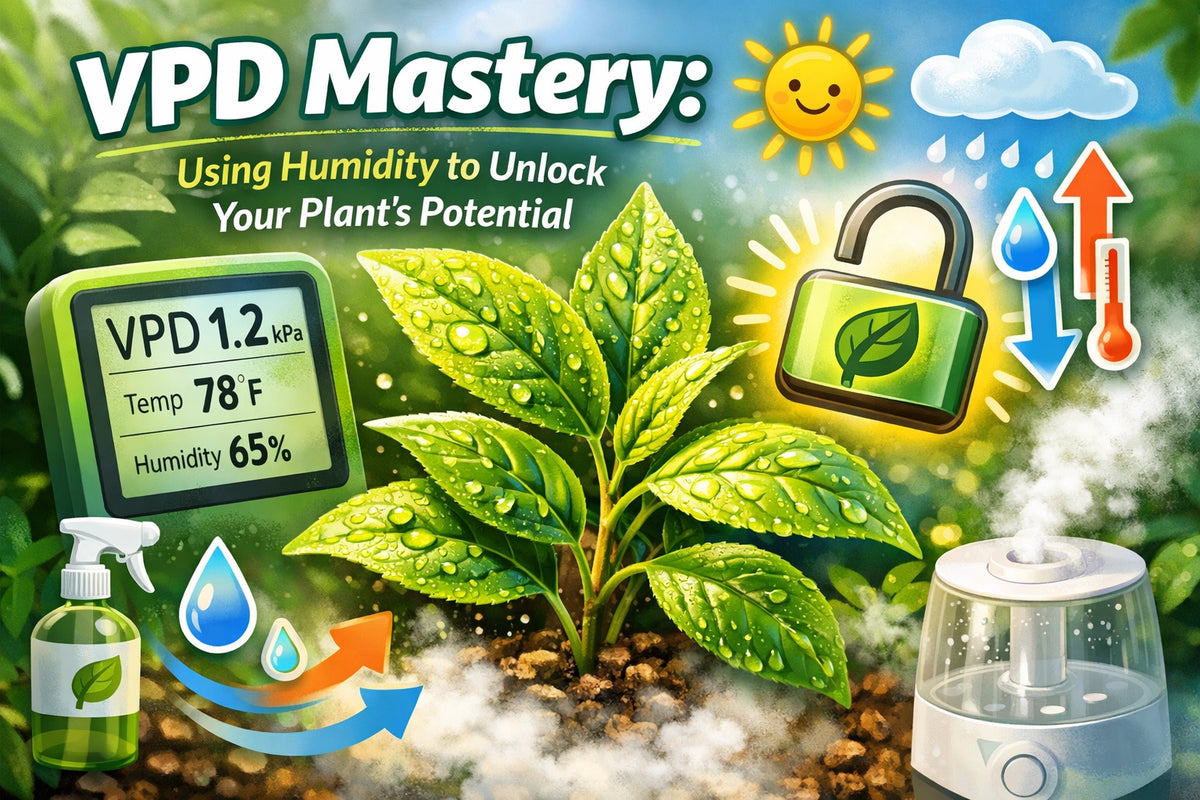
As your plants develop a robust root system and several sets of "true" leaves, you can begin to slowly increase the VPD. By the time they are in mid-vegetative growth, they can handle a VPD of 1.0 to 1.2 kPa. This increased "pull" from the air actually encourages the plant to drink more water and nutrients from the root zone, fueling faster growth.
However, if you jump the gun and move them from a high-humidity dome straight into a dry, high-intensity environment, you will see immediate transplant shock. Slow and steady wins the race.
Summary of the Sweet Spot
To recap, if you want your young plants to thrive:
- Aim for a VPD of 0.8 kPa.
- Keep temperatures around 75-80°F.
- Keep Relative Humidity around 65-70%.
- Use a grow tent to maintain a stable environment.
- Monitor leaf temperature to ensure your VPD calculations are accurate.
Mastering the environment is the most important skill an indoor gardener can learn. While nutrients and genetics are important, the environment is the "engine" that drives the whole process. By hitting the VPD sweet spot early on, you set the foundation for a massive harvest later.
If you have questions about setting up your propagation area or need help choosing the right tents and film for your grow, don't hesitate to check out our grow help videos or contact us directly. We are here to help you grow your best crop yet!


Leave a comment
This site is protected by hCaptcha and the hCaptcha Privacy Policy and Terms of Service apply.