

Hey everyone, it's Mark here. I recently got a really good question from a grower in the community: "Why not just use Bio-Live and skip all the multiple products? It has all the alfalfa, langbeinite, bone meal, flowering fishbone meal, 4-10, and langbeinite. If you have a heavy feeder, it breaks down faster than bone meal."
And honestly? That's a fair point. Let's break this down because there's a lot to unpack here about Down to Earth's Bio-Live versus running a custom amendment stack.
What Exactly Is Bio-Live?
For those who aren't familiar, Bio-Live is Down to Earth's most popular all-in-one fertilizer. It's got a 5-4-2 NPK ratio and contains a blend of marine byproducts like fish meal, crab meal, and shrimp meal. But here's what makes it special: it also includes beneficial microorganisms, including mycorrhizal fungi and bacteria that enhance nutrient uptake and overall soil health.
The product is designed to be a complete solution. It's got your nitrogen sources, phosphorus, potassium, and those beneficial microbes all working together. For a lot of growers, especially those just starting out with living soil, it's an attractive option because it simplifies everything into one bag.
The Case for Bio-Live
Let me be clear: Bio-Live is actually a great product. I want to get that out there right away.
About 10 years ago, Bio-Live was actually a much more expensive product compared to running a 4-4-4 base with separate amendments. But times have changed. When I hop on Amazon now, Bio-Live seems to be relatively inexpensive compared to buying everything separately. That price point has shifted significantly.
If you're someone who wants to keep things simple, Bio-Live has everything you need in there. Just top dress about every four weeks and you're going to have no issues. It's a solid, reliable choice that'll get the job done.
But here's the thing: after years of growing and consulting with growers all around the world (some of them for almost four years now), I've developed a systematic process that has consistently found success. And at this point, it's hard for me to want to veer too much away from what's been working.
My Systematic Approach: The Custom Amendment Stack
Instead of going all-in on Bio-Live, I prefer to separate things out:
- 4-4-4 Base – This is your foundation. It has a nice variety of different things that feed the soil, including calcium and other essential nutrients.
- Alfalfa Meal – Great for vegetative growth with natural growth hormones.
- Kelp Meal – Packed with trace minerals and supports overall plant health.
- Langbeinite – Your potassium and sulfur source that becomes crucial later in the grow.
Why separate them? Because it gives you control. And control is where you start saving money and maximizing your results.
Why I Cut Alfalfa and Kelp in Flowering
Here's where my approach differs from just using Bio-Live throughout the entire grow cycle.
I don't think alfalfa and kelp are necessary as you go into flowering.
Think about it. Most of us are running relatively short veg times. We're not vegging plants for months on end. So when we transition into flower, the plant's needs change dramatically. By cutting out the alfalfa and kelp during flowering, we're not wasting money on amendments the plant isn't really using anymore.
This is where growers can actually save some cash. When you're running Bio-Live, you're getting all those veg-focused ingredients whether you need them or not. With a custom stack, you're only giving the plant what it actually needs at each stage.

The Week 4 Transition: Why Langbeinite Becomes King
This is where things get really interesting from a plant science perspective.
After week four into flowering, the plant doesn't use as much calcium. Let me explain why.
Calcium is what we call an immobile nutrient. Once it gets placed in the cellular structure, it doesn't move. It's locked in. So think about what's happening in your grow:
- Your plant shoots up during stretch
- Structural growth typically stops around week four (depending on whether you're running sativa or indica genetics)
- At that point, the flowers start getting produced
Once that cellular structure is built, what's the plant really craving? Potassium.
That's why I start to jack up the langbeinite as we go later into flowering. Langbeinite is a more readily available form of potassium, and when you're working with active living soil, those rocks break down relatively quickly.
Now, I know some of you are thinking about that calcium video I made about three years ago: I still get tons of questions on it. I'm actually working on a follow-up video where I'm going to dive deeper into this topic. I always like to go back and re-listen to the content I produce and ask myself, "Mark, do you still agree with this?" So stay tuned for that one.
The Role of Living Soil and Microbial Activity
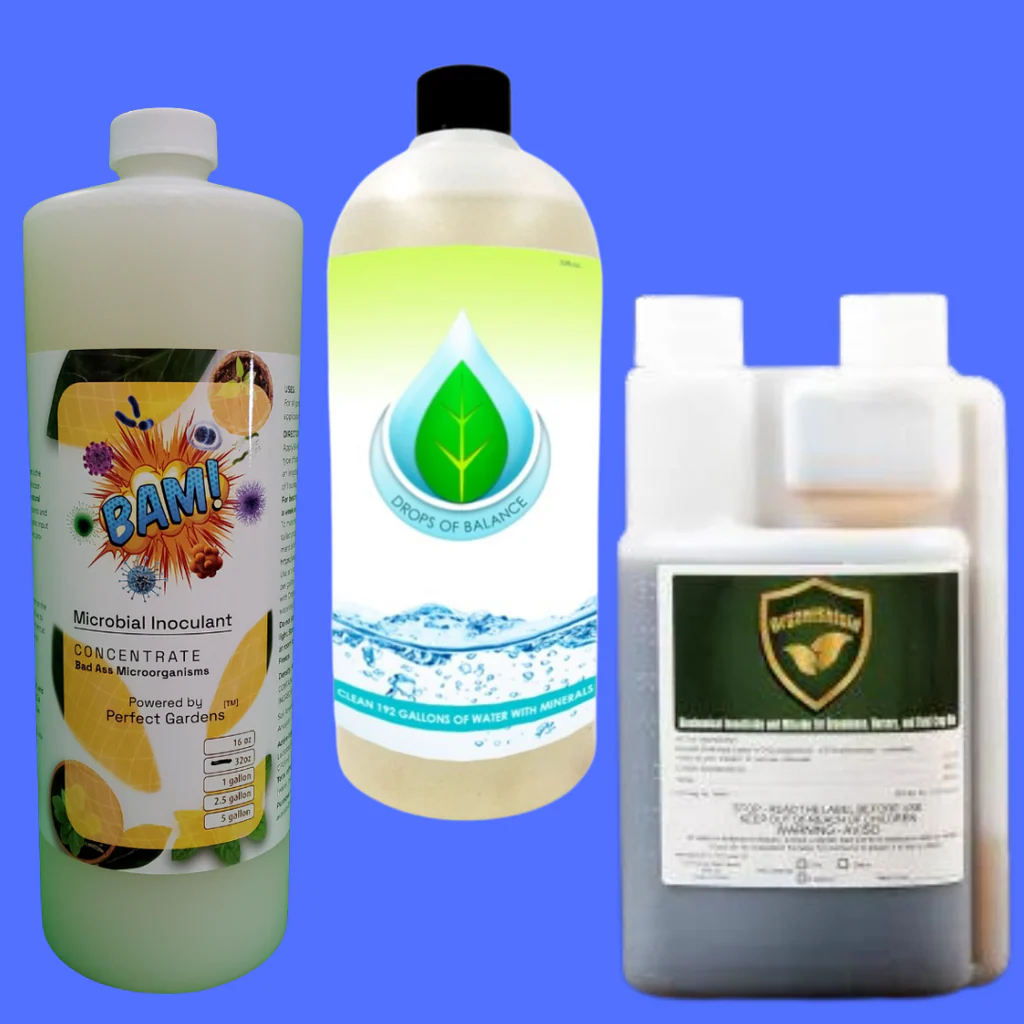
Here's where products like BAM (Badass Microbes) come into play.
When you're putting bacteria in your water, when you're using BAM with mineralized water from Drops of Balance, those dry amendments like langbeinite break down much faster than they would in inactive soil.
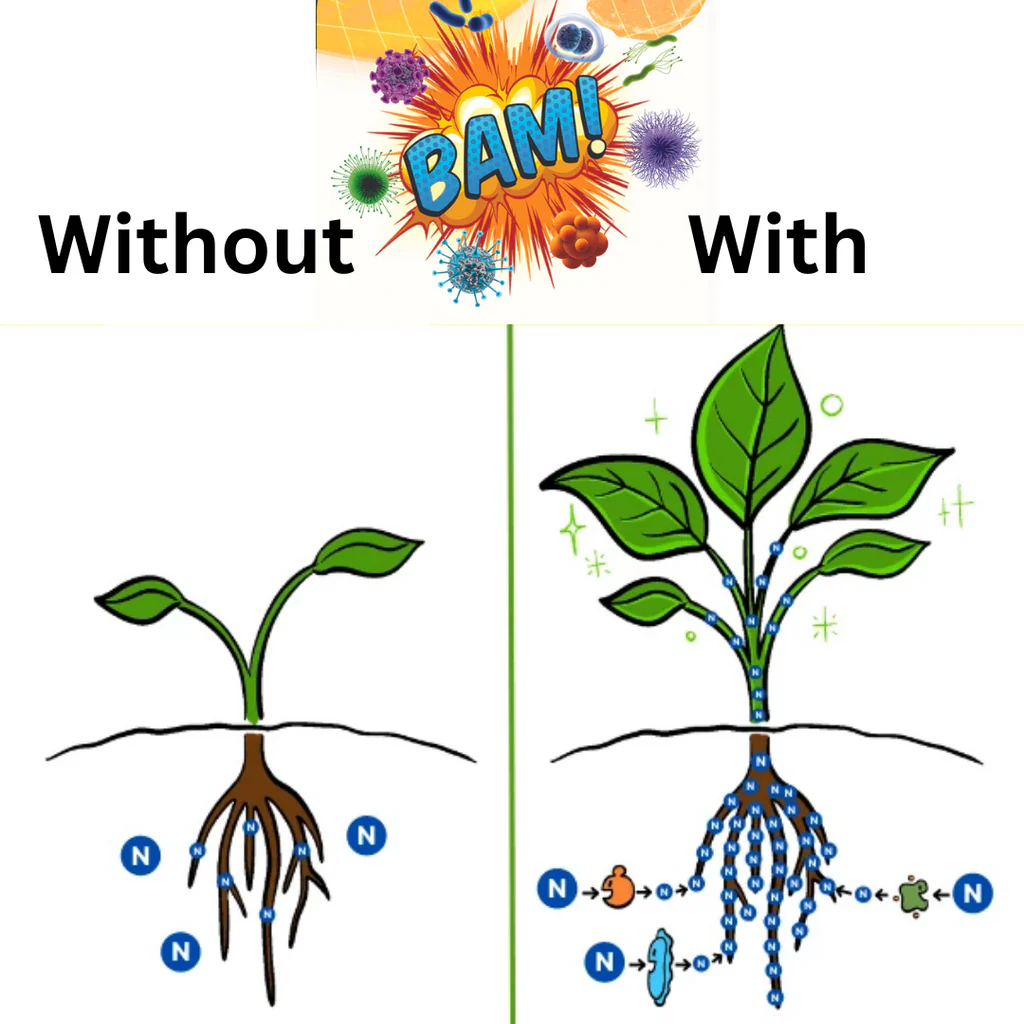
Living soil has this incredible ability to pick and choose what it needs throughout the growing experience based on the exudates that get released through the root system. Your soil becomes a dynamic, responsive system rather than just a static growing medium.
This is why the custom amendment approach works so well: you're working with the living soil, adjusting inputs based on what stage the plant is actually in.
Bio-Live vs. Custom Stack: The Bottom Line
Let me break this down into what actually matters for your wallet and your harvest:
Choose Bio-Live if:
- You want simplicity above all else
- You're new to living soil and don't want to overthink things
- It's the only product available in your area
- You prefer a "set it and forget it" approach
Choose the Custom Amendment Stack if:
- You want to maximize your bottom line
- You're comfortable adjusting inputs throughout the grow
- You want more precision in your feeding schedule
- You're looking to dial in your process over multiple runs
The fact of the matter is, my mindset has always been around the bottom line. When you can cut unnecessary amendments during flowering and dial in exactly what the plant needs at each stage, you're not just growing better: you're growing smarter.
What I Still Need to Do
I'll be honest with you: I really need to get a couple bags of Bio-Live and actually run a side-by-side comparison. Measure the yield differences. See how it stacks up against the custom approach I've been recommending.
Bio-Live also has beneficials in there, which adds another layer to consider. But until I do that direct comparison, I'm going to keep recommending the systematic approach that's worked for me and the growers I've consulted with over the years.
Final Thoughts
Can Bio-Live replace all your veg amendments? Technically, yes. It's got everything in there, and it's become much more price-competitive than it used to be.
But should you use it? That depends on what you're optimizing for.
If you want simplicity, Bio-Live is a solid choice. Top dress every four weeks and you're golden.
If you want precision, control, and the ability to save money by cutting unnecessary inputs during flowering, then building a custom stack with a 4-4-4 base, alfalfa, kelp, and langbeinite: and adjusting throughout the grow: is going to serve you better in the long run.
Either way, make sure you're supporting that soil biology. Whether you're using Bio-Live's built-in beneficials or adding BAM to your routine, active living soil is what makes all of this work.
Have a great grow, everyone.



Leave a comment
This site is protected by hCaptcha and the hCaptcha Privacy Policy and Terms of Service apply.