
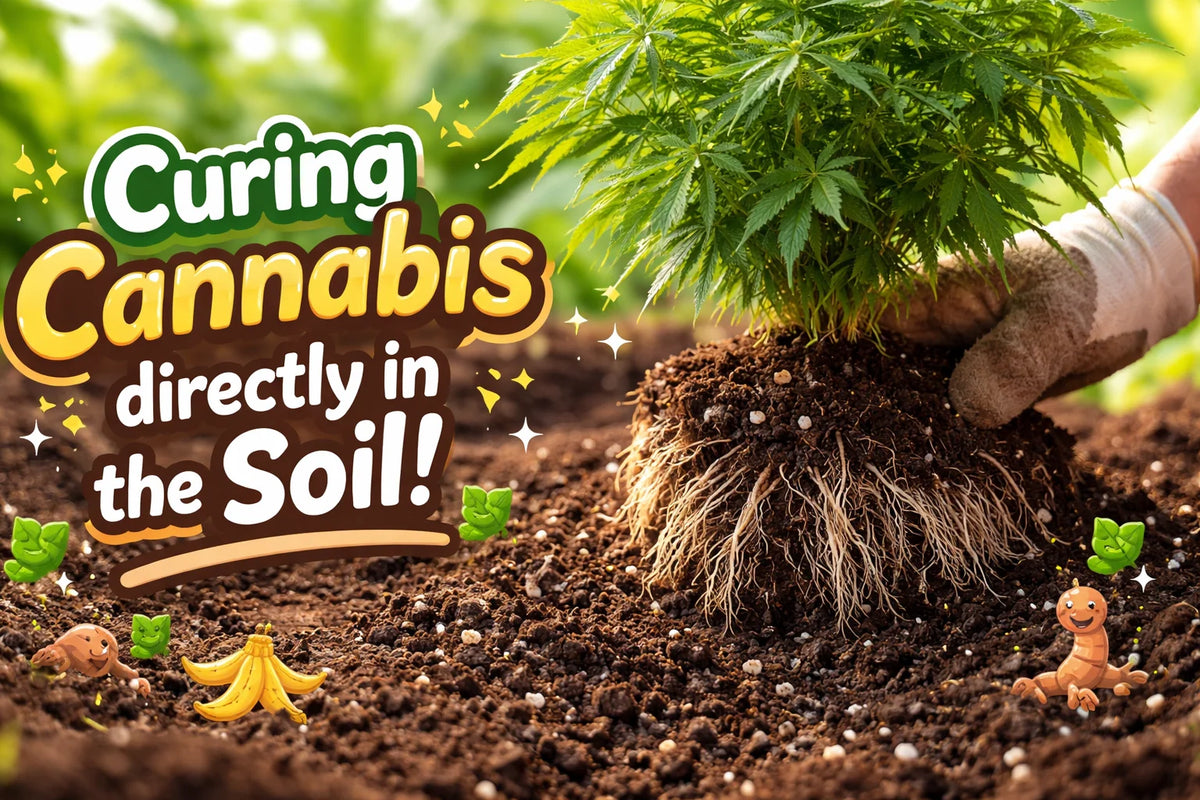
Should you harvest your plants when the soil is wet or when it's dry? This is one of those questions that seems simple on the surface but actually opens up a fascinating conversation about different growing operations, curing techniques, and how professional cultivators around the world approach harvest time.
The short answer? It depends on your setup. But let's dig deeper into the why behind each approach, because understanding the reasoning will help you make better decisions for your specific situation.
The Industrial Outdoor Approach: Field Curing
If you've ever seen large-scale outdoor cannabis operations, we're talking hundreds or even thousands of acres, you might have noticed something interesting. These growers often don't have facilities large enough to hang stems, buck wet flower, and run the whole traditional post-harvest process that smaller operations do.
So what do they do instead? They cure right in the ground.
The technique is pretty straightforward: cut back the water, let the plants dry down naturally while still rooted in the soil, and essentially start the curing process in the field. Once the plants have dried sufficiently, they bring in bucking machines to remove the flowers after the initial drying phase has already begun.

This makes a lot of practical sense when you think about the logistics. When you harvest wet flower at scale, all those buds compact together. That compaction creates pockets of trapped moisture, which is basically an invitation for mold to move in. By letting plants dry in the field first, industrial growers can handle their product much more efficiently and reduce the risk of losing entire harvests to mold contamination.
Here's the catch though: This technique is only viable in certain regions of the world. If you're growing in an area where rain might be coming, snow might be rolling in, or other unpredictable weather conditions are on the horizon, field curing becomes incredibly risky. One unexpected storm can destroy weeks of work.
Why Indoor Growers Should Think Twice
Now let's talk about the indoor scenario. Even though you have complete control over your environmental conditions: humidity, temperature, airflow, everything: curing your plants directly in the soil usually doesn't make financial or practical sense.
Here's why: your entire indoor operation essentially shuts down for up to a month.
Think about it. You're letting the pots dry out completely, letting the plants cure in place, dealing with all that moisture in the pots and stems. It might take three to four weeks to complete the process properly. During that time, your grow space is occupied by plants that aren't actively producing anything new.
The math doesn't work for most indoor operations. You might only get two or two and a half harvests per year instead of three or four. That's a significant reduction in productivity for what might be a marginal improvement in final product quality.

When using fabric grow pots, this becomes even more apparent. These containers are designed to promote air pruning and excellent drainage during active growth, but they'll retain moisture in ways that can extend your in-pot curing time significantly.
The Terpene vs. THC Trade-Off
So does curing in soil actually produce better flower? The honest answer is: it's complicated.
Based on what experienced growers have observed, curing in soil tends to cannibalize terpenes while potentially spiking THC content. You might end up with a more potent product, but with a flatter aromatic profile.
Is that a trade-off worth making? That depends entirely on what you're optimizing for. If maximum THC is your goal and you don't mind sacrificing some of that complex terpene expression, field curing or in-pot curing might deliver results you appreciate.
But if you're chasing that full-spectrum experience: rich aromas, complex flavors, the whole entourage effect: traditional post-harvest curing in controlled environments with proper humidity (typically 58-62% RH) and temperature control is probably going to serve you better.
The bottom line: There will absolutely be variation in the plant at some level when you cure in soil. Whether that variation is positive or negative depends on your personal preferences and goals.
Personal Experimentation Has Its Place
Now, maybe you're not running a commercial operation. Maybe you're growing for personal use and you've got the curiosity to experiment. In that case, trying out soil curing might actually be worth your time.
If it spikes your interest and you want to see if the flower tastes different, feels different, or gives you a better experience: go for it. Personal cultivation is all about learning what works for your specific situation and preferences. You might discover something that becomes part of your permanent process, or you might confirm that traditional methods work better for you.
Either way, you'll have learned something valuable.
Practical Harvest Advice: The Middle Ground
Regardless of whether you're experimenting with soil curing or sticking with traditional methods, there's one piece of advice that applies universally: don't harvest when your pots are completely saturated with water.
This isn't about the plants: it's about your body and your efficiency.
Lifting fully saturated pots is brutal on your back, especially if you're processing multiple plants. If you have employees or helpers, you're putting unnecessary strain on everyone involved. The weight difference between a saturated pot and one that's been allowed to dry for a couple days is substantial.
Here's what I recommend: Cut off watering about two to three days before you plan to harvest. Let the pots dry out a bit. You're not trying to completely desiccate the medium: just reduce the moisture content enough that handling becomes manageable.
If you're using automatic watering stakes or drip systems, make sure to shut them down in advance. It's easy to forget when you're focused on other harvest preparations.
The Pathogen Warning
There's another critical reason to avoid harvesting with totally saturated soil: pathogen development.
When soil is completely waterlogged and the plant isn't actively taking up nutrients anymore (because you're about to harvest anyway), that water becomes stagnant. Stagnant conditions create the perfect environment for pathogens to establish themselves in your growing medium.
This is especially problematic if you're planning to reuse or recycle your soil. Those pathogens can persist and cause problems in your next grow cycle.
If you do find yourself in a situation where the soil stayed too wet for too long, you'll want to treat it before reusing. Products like Drops of Balance can help restore balance to your medium, and Organishield can knock back those unwanted pathogens before they become a bigger problem.
Prevention is always easier than treatment, so planning your final watering schedule around your harvest date is the smarter approach.
Putting It All Together
Let's summarize the key takeaways:
-
Industrial outdoor operations often cure in the ground to save facility space and avoid mold from compacted wet flower: but this only works in regions with predictable, dry weather at harvest time.
-
Indoor growers generally shouldn't cure in soil because it shuts down production for weeks and reduces annual harvest counts significantly.
-
Soil curing may increase THC but tends to reduce terpene expression: choose your method based on what you're optimizing for.
-
Cut watering 2-3 days before harvest to reduce pot weight and make handling easier on everyone involved.
-
Never harvest with completely saturated soil: stagnant water breeds pathogens that can contaminate your medium.
-
Experimentation is valid for personal growers who want to explore different techniques and see what works best for their preferences.
The question of wet vs. dry soil at harvest doesn't have a single right answer. What matters is understanding the trade-offs and making informed decisions based on your operation size, goals, and growing environment.
For most home growers and small-scale operations, the practical approach is simple: let the soil dry down a bit before harvest, follow standard drying and curing protocols, and focus your energy on dialing in those post-harvest environmental controls. That's where the real magic happens for most of us.
Have questions about optimizing your harvest process? Check out our grow help videos or reach out directly: we're always happy to help you dial things in.

Leave a comment
This site is protected by hCaptcha and the hCaptcha Privacy Policy and Terms of Service apply.