
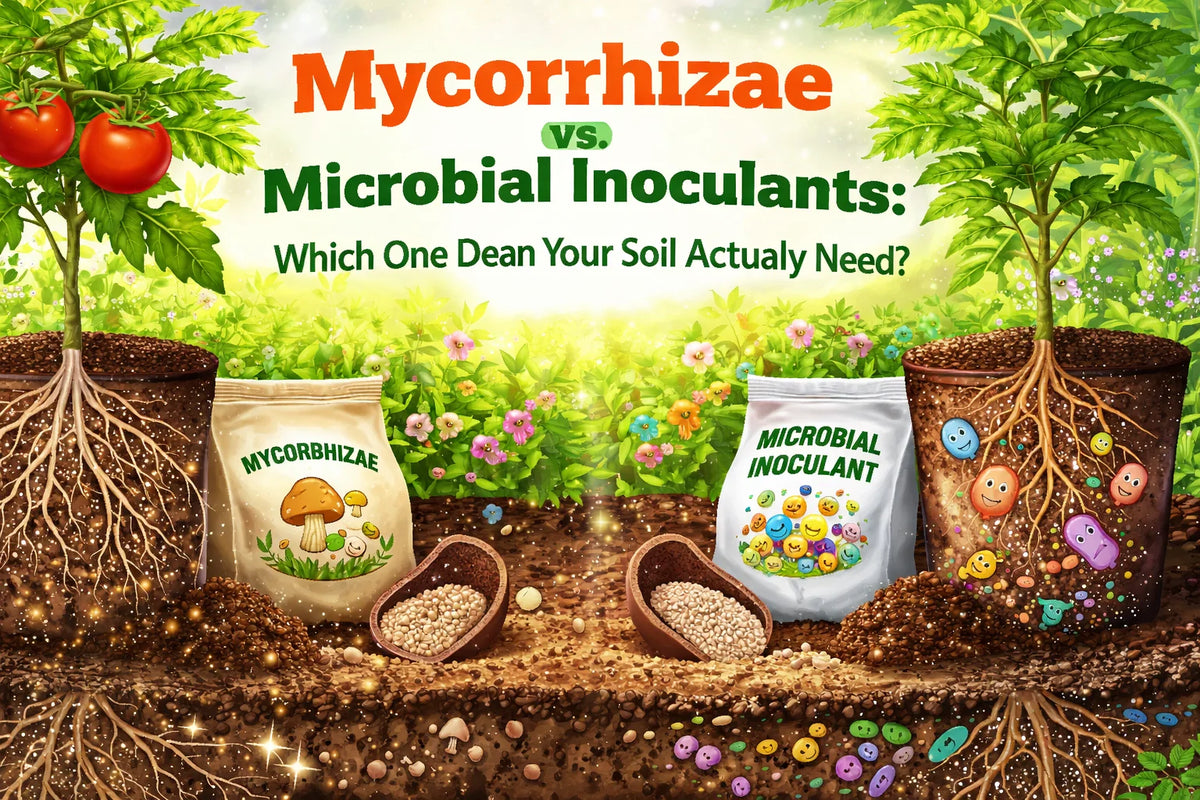
If you've spent any time in the growing community, you've probably heard people toss around terms like "mycorrhizae" and "microbial inoculant" like they're interchangeable. They're not. But here's the thing, they're also not competing products. They're teammates.
Think of it this way: asking "mycorrhizae or microbial inoculant?" is a bit like asking "should I have a heart or lungs?" You need both systems working together for everything to run smoothly.
The confusion makes sense though. Both products come in similar packaging, both promise healthier plants, and both involve microscopic life forms doing mysterious things in your root zone. So let's break down exactly what each one does, how they work together, and whether your grow actually needs them.
What Exactly Is Mycorrhizae?
Mycorrhizae (my-cor-RYE-zee) are fungi that form a symbiotic relationship with plant roots. The word literally means "fungus root," and that's exactly what happens, these fungi physically attach themselves to your plant's root system and extend outward into the surrounding soil.
Think of mycorrhizae as the internet for your plants.
Here's the deal: plant roots can only reach so far. They're limited by their physical size. But mycorrhizal fungi produce incredibly fine threads called hyphae that can extend up to 100 times further than the roots themselves. These hyphae act like fiber optic cables, creating a network that can access water and nutrients the plant could never reach on its own.
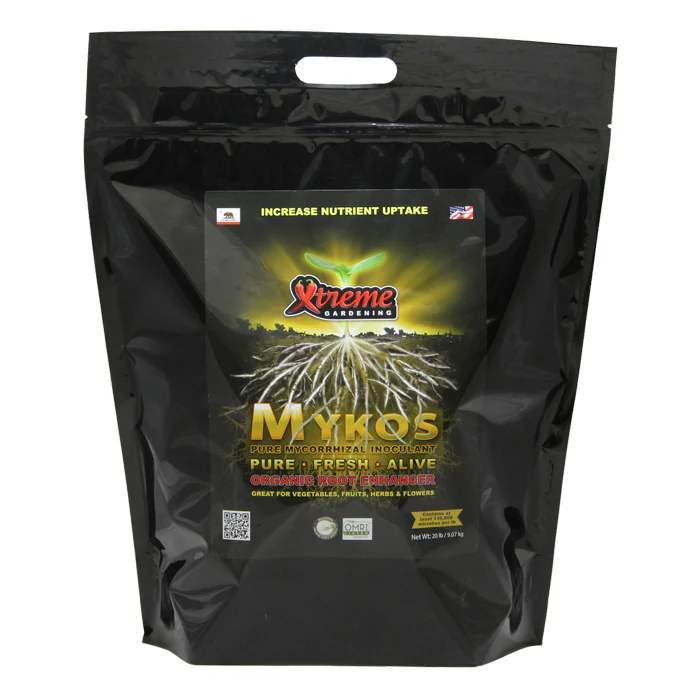
The primary thing mycorrhizae hunt for is phosphorus. Phosphorus is notoriously immobile in soil, it doesn't flow toward roots like nitrogen does. It just sits there. Mycorrhizal fungi solve this problem by physically going out and grabbing it, then transporting it back to the plant.
When mycorrhizae for plants make the biggest difference:
- Transplanting into new or sterile media
- Growing in depleted or low-quality soil
- High-stress environments (drought, temperature swings)
- Any situation where root reach is limited
The key thing to understand is that mycorrhizae are about transportation and access. They extend your plant's reach. They don't break anything down, they just find resources and deliver them.
What Are Microbial Inoculants?
Now let's talk about the other half of the equation. A microbial inoculant is typically a blend of beneficial bacteria (and sometimes other fungi that aren't mycorrhizal) that you introduce into your growing medium.
If mycorrhizae are the internet, microbial inoculants are the digestive system of your soil.
These microbes don't attach to roots and extend outward. Instead, they live in the soil around the roots (the rhizosphere) and perform a completely different job: breaking things down.

Organic matter in your soil: dead roots, decomposing amendments, humic substances: isn't automatically available to plants. It needs to be processed. Bacteria and other microbes chew through this material, breaking complex compounds into simple forms that plant roots can actually absorb.
Some bacteria in a quality microbial inoculant also do things like:
- Fix nitrogen from the air – Converting atmospheric nitrogen into plant-available forms
- Produce enzymes – Speeding up the breakdown of organic matter
- Outcompete pathogens – Occupying space so harmful organisms can't establish
- Release growth-promoting compounds – Some bacteria naturally produce hormones that encourage root development
The fact of the matter is, without microbial activity, your soil is just... dirt. It's the biological activity that makes it a living system capable of feeding plants.
The Synergy: How They Actually Work Together
Here's where it gets interesting. Mycorrhizae and microbial inoculants aren't just "both good": they actively support each other's work.
Bacteria break it down. Fungi transport it.
Imagine a piece of organic matter sitting a few inches from your plant's roots. The bacteria get to work decomposing it, releasing phosphorus, potassium, and trace minerals into the immediate area. But those nutrients might still be out of the root's reach.
Enter mycorrhizae. The fungal network extends into that zone, picks up those freshly-released nutrients, and shuttles them directly to the plant.
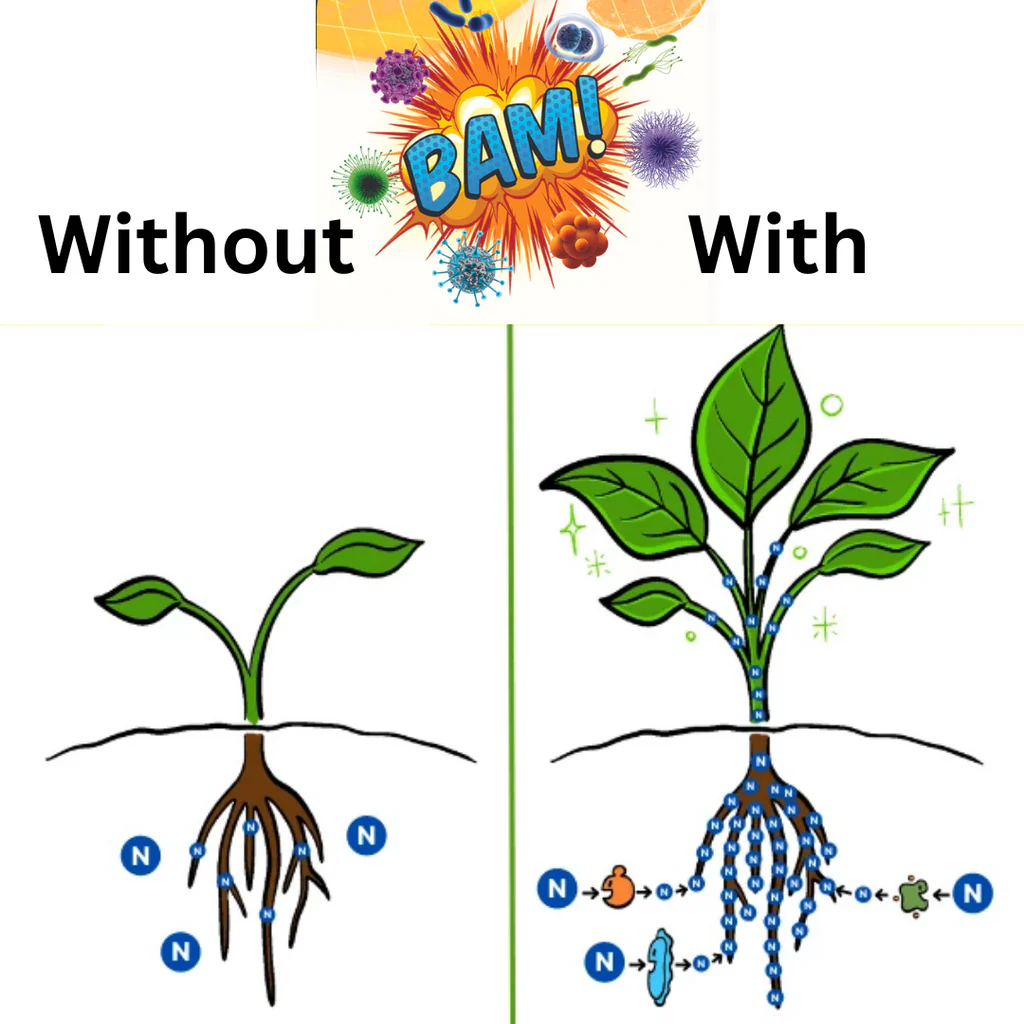
Without the bacteria, there's less broken-down material for the fungi to find. Without the fungi, nutrients released by bacteria might never make it to the plant. Together, they create a complete biological engine.
This is why experienced growers don't ask "mycorrhizae OR microbial inoculant?" They use both. The question isn't which one: it's making sure you have both systems working in harmony.
The EC/PPM Question in Living Soil
Here's something that trips up a lot of growers, especially those coming from a hydroponic or synthetic fertilizer background.
When you introduce active biology into your growing medium, your EC (electrical conductivity) and PPM readings can behave... differently. You might see higher readings than expected. And your first instinct might be to panic: "My soil is too hot!"
But higher EC in a biologically active medium isn't the same as higher EC from synthetic salt buildup.
When bacteria are actively breaking down organic matter, they're releasing minerals into solution. Those minerals show up on your meter. But unlike synthetic fertilizers that can quickly reach toxic concentrations, biologically-released nutrients tend to be buffered by the soil food web itself.
The microbes are constantly cycling nutrients: releasing some, consuming others, storing some in their bodies. It's a dynamic system, not a static one.
This doesn't mean you should ignore your readings entirely. But it does mean you shouldn't automatically flush your medium or cut back on amendments just because you see a number that would concern you in a sterile hydro system. Context matters.
Why Quality Minerals Still Matter
Here's a point that sometimes gets lost in the "living soil" conversation: biology needs raw materials to work with.
Your bacteria can only release nutrients that actually exist in your medium. Your mycorrhizae can only transport minerals that are present in the soil. If the trace elements aren't there to begin with, no amount of biological activity will conjure them out of thin air.
This is where a product like Drops of Balance comes into play. It provides the trace mineral foundation that supports your entire biological engine.
Think of it this way:
- Drops of Balance supplies the raw mineral ingredients
- Microbial inoculants process and release those minerals
- Mycorrhizae transport them to the plant
Each piece supports the others. Skip the minerals, and your biology has nothing to work with. Skip the biology, and your minerals just sit there unavailable. It's a complete system.
So Which One Does Your Soil Actually Need?
The honest answer? Probably both.
Use mycorrhizae when:
- You're transplanting seedlings or clones
- Working with sterile or depleted media
- Growing in containers where root space is limited
- You want to reduce watering frequency and fertilizer inputs
Use microbial inoculants when:
- You're building a living soil system
- You want to speed up the breakdown of organic amendments
- You're trying to establish beneficial biology in a new medium
- You want to suppress soil-borne pathogens naturally
Use both when:
- You want a truly "living" growing environment
- You're focused on long-term soil health rather than quick fixes
- You understand that healthy plants come from healthy soil biology
Most growers who make the switch to a biological approach don't go back. The plants are more resilient, the feeding is more forgiving, and over time the system becomes more self-sustaining.
Getting Started
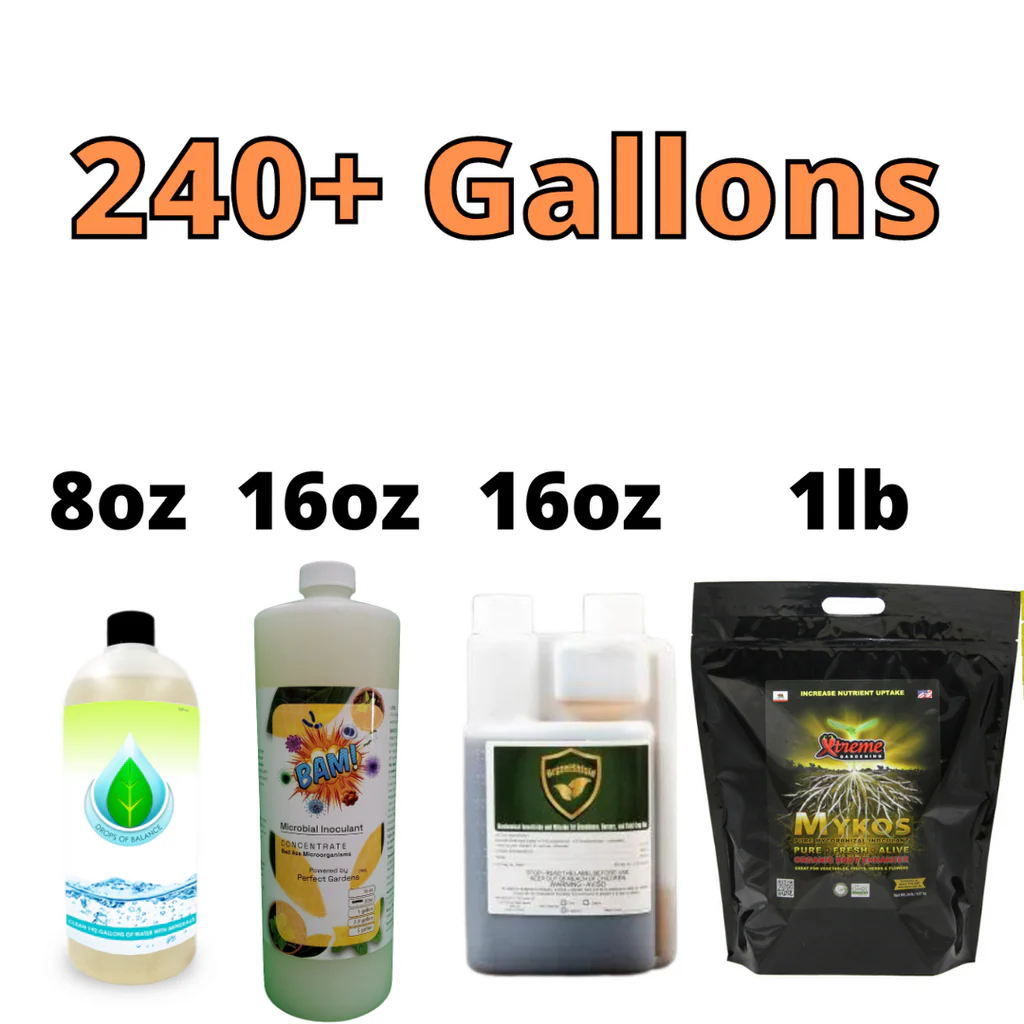
If you're new to biological growing, don't overcomplicate it. Start with a quality mycorrhizal product applied at transplant, add a microbial inoculant to your regular watering routine, and make sure your base nutrition includes trace minerals.
From there, observe your plants. They'll tell you if the system is working: healthier roots, better nutrient uptake, and increased resilience to stress.
The goal isn't to replace one input with another. It's to build a living system where all the pieces work together. Mycorrhizae and microbial inoculants aren't competitors. They're partners. And your plants will thank you for introducing them to each other.



Leave a comment
This site is protected by hCaptcha and the hCaptcha Privacy Policy and Terms of Service apply.