

If you’ve been growing for a while, you know that summer is a double-edged sword. On one hand, the light is intense and growth can be explosive. On the other hand, the heat is a relentless enemy of your hydroponic reservoir. Once those temperatures start climbing into the 70s and 80s (Fahrenheit), your nutrient solution stops being just "plant food" and starts becoming a petri dish for things you definitely don’t want near your roots.
The fact of the matter is that pathogens like Pythium, the dreaded root rot, thrive in warm, stagnant, or low-oxygen water. Mid-summer is the danger zone. If you aren't proactive about cleaning your reservoirs, you’re essentially waiting for a system-wide crash.
At Perfect Gardens, we see it every year: a grower has a beautiful canopy, the heat kicks up, the reservoir temp hits 78°F for two days, and suddenly the roots turn to brown mush. Today, we’re going to walk through how to prevent that nightmare with a solid mid-summer cleaning and maintenance routine.
Why Mid-Summer is the "Danger Zone"
Bacteria and fungi are opportunistic. In a perfectly dialed hydroponic system, your beneficial microbes keep the bad guys in check. But heat changes the math. As water temperature rises, its ability to hold dissolved oxygen (DO) drops.
When oxygen levels fall, your plant roots become stressed. Stressed roots leak sugars and amino acids, which act like a "free buffet" sign for pathogens. Combined with the warmth, Pythium and other waterborne diseases can double their population in a matter of hours.
Another hidden enemy is the biofilm. Biofilm is that slippery, slimy layer that forms on the walls of your tanks and inside your tubing. This slime acts as a protective shield for bacteria, meaning even if you add a little bit of peroxide to the water, the pathogens hiding inside the biofilm stay safe and continue to multiply.
Step 1: The Full System Drain and Inspection
You can’t clean a reservoir properly while it’s half-full of old nutrients. To truly reset your system and prevent pathogen build-up, you need a full drain-down.
- Timing: Plan your clean during a "lights off" period if possible, or when nutrient levels are already low to avoid wasting money.
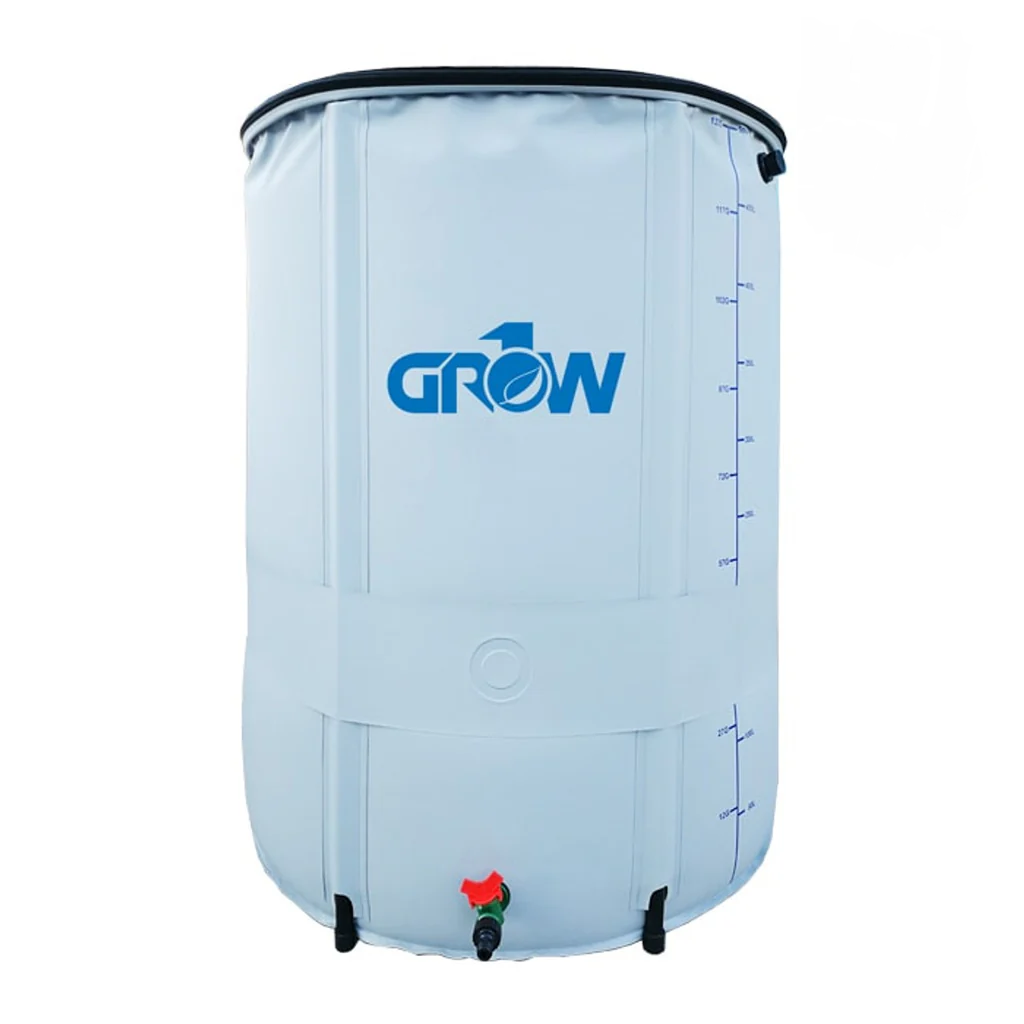
- The Drain: Empty the tank completely. If you are using a Grow1 collapsible tank, use the bottom spigot to get every last drop out.
- The Inspection: Once it's empty, take a flashlight and look at the bottom and the corners. Are you seeing "sludge" or sediment? That sediment is a breeding ground for anaerobic bacteria.
Step 2: Scrubbing and Physical Biofilm Removal
Disinfectants are great, but they work best on clean surfaces. If you have a thick layer of biofilm, the disinfectant might only kill the top layer.
Use a clean sponge or a soft-bristled brush to scrub the interior walls of your reservoir. You don't need harsh industrial chemicals here; a bit of elbow grease and hot water goes a long way. Make sure to pay special attention to the areas around bulkheads, pumps, and air stones. These are the spots where water stagnates and pathogens hide.
If you are running a multi-bucket system, like a Bubble Flow setup, you need to ensure the return lines and fill lines are flushed. Debris often gets caught in the 3/4" return lines, creating a "plug" that slows down circulation and creates a warm, low-oxygen pocket.

Step 3: Disinfection (The Nuclear Option)
Once the physical gunk is gone, it’s time to sterilize. There are a few ways to do this, but for mid-summer maintenance, we generally recommend two main approaches: Hydrogen Peroxide or a specialized mineral cleaner.
Using Food Grade Hydrogen Peroxide (H2O2)
Hydrogen peroxide is an amazing oxidizer. It kills pathogens on contact and then breaks down into nothing but water and oxygen. For a deep clean, we recommend a 35% Food Grade H2O2, like the one from Pyur Scientific.
Caution: 35% H2O2 is extremely concentrated. It will burn your skin and eyes instantly. Always wear gloves and eye protection when handling it.
- How to use it: Fill your reservoir with a few gallons of water and add about 2-3ml of 35% H2O2 per gallon. Run your pumps to circulate this through your entire system for 30–60 minutes. This will "cook" any remaining pathogens in the lines.
- The Benefit: It leaves no toxic residue. Once you drain the cleaning solution, you’re ready to refill.

The Mineral Approach: Drops of Balance
If you prefer a more "system-friendly" approach that also helps with water quality, products like Drops of Balance are excellent. These concentrated mineral solutions help flocculate (clump together) impurities and heavy metals, making them easier to filter out or flush away.
Step 4: Re-populating with "Good Guys"
After you’ve scrubbed and sterilized your system, your reservoir is a "blank slate." The problem is, if you don't put good bacteria in there, the bad bacteria will eventually find their way back in.
This is where a high-quality microbial inoculant comes in. We recommend using something like BAM! (Beneficial Adaptive Microbes). By introducing a colony of beneficial bacteria immediately after cleaning, you create a biological shield around your roots. These "good guys" compete with Pythium for space and resources, making it much harder for pathogens to take hold even if your water temperatures spike.
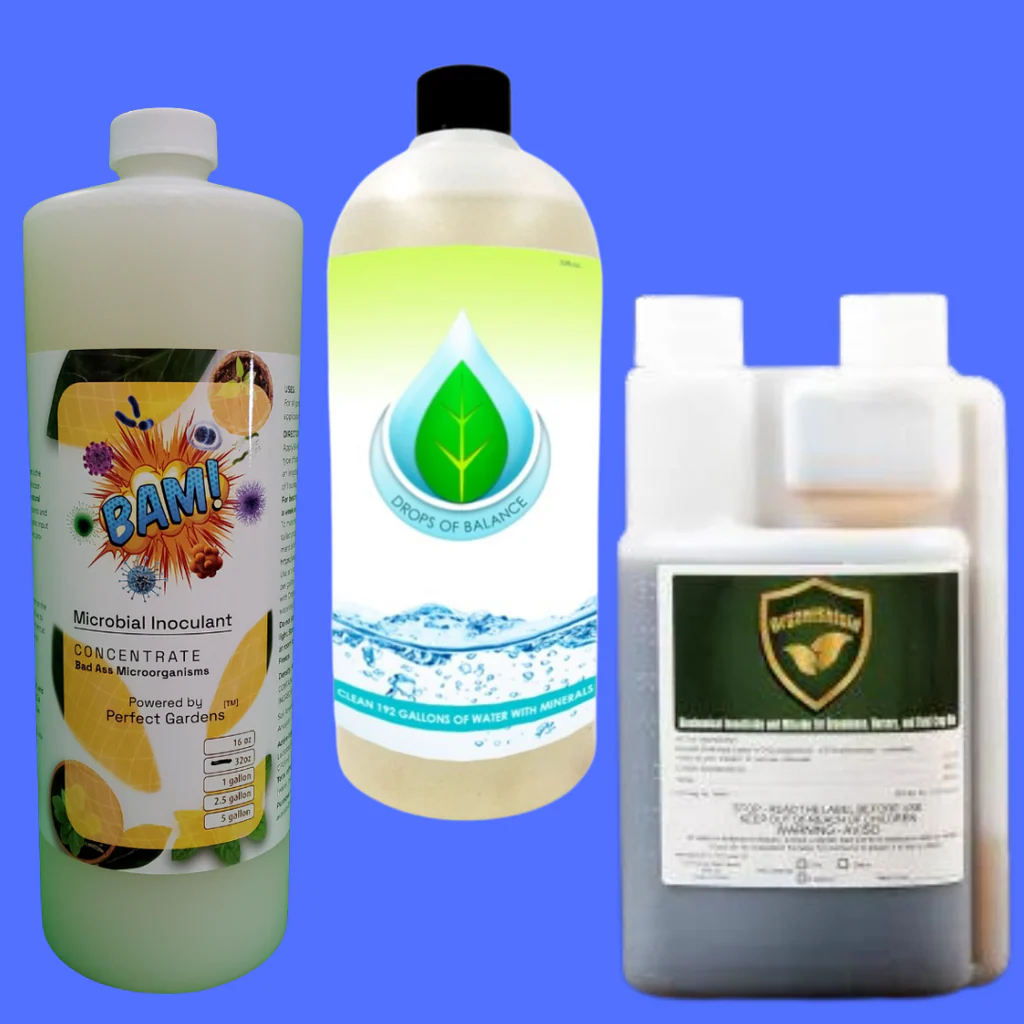
A great way to handle this is to get a Nutrient and Microbial Inoculant Kit. These kits usually include everything you need to treat hundreds of gallons of water, ensuring your plant nutrients are working in a healthy, living environment.
Step 5: Temperature Management Strategies
Cleaning is only half the battle. If your reservoir stays at 80°F, you'll be cleaning it again in a week. To truly prevent pathogen build-up in mid-summer, you have to address the heat.
- Insulate your Reservoirs: Use black and white panda film to wrap your tanks. Keep the white side facing out to reflect light and heat away from the water.
- Get the Reservoir out of the Tent: If possible, keep your main nutrient tank outside of the grow room or tent. The ambient air in a grow room under LED lights can be 10 degrees hotter than the rest of the house.
- Water Chillers: If you’re serious about summer growing, a water chiller is the ultimate insurance policy. Keeping your water at a steady 68°F practically eliminates the risk of Pythium.
Maintenance Schedule for the Rest of Summer
Once you’ve done the "Big Clean," don't just set it and forget it. Follow this simple checklist to stay ahead of the game:
- Daily: Check your reservoir temperature. If it's over 75°F, keep a very close eye on root health.
- Weekly: Check for "the smell." A healthy reservoir should smell like fresh rain or nothing at all. If it smells like a swamp or rotten eggs, you have a problem.
- Every 2 Weeks: Do a partial reservoir change (20-30%). This prevents "nutrient lockout" from salt build-up and keeps the water fresh.
- Top-offs: When adding water between full changes, use a Garden Hose & Drip Siphon System to ensure the new water is treated with minerals and microbes before it hits the main tank.

Common Pitfalls to Avoid
- Topping off without PHing: Never just dump tap water into a hot reservoir. The chlorine in tap water can kill your beneficial microbes, and the PH swing can stress the plants, making them more susceptible to disease.
- Leaving Dead Roots in the System: If you’ve had a minor case of root rot, some roots might have fallen off into the tank. These will rot and feed new pathogens. Always use a net or filter to catch debris.
- Light Leaks: Pathogens and algae love light. Ensure your reservoir lid is light-proof. If you can see light entering the tank, algae will grow, and where there is algae, there is bacteria.
Final Thoughts
Cleaning your reservoir in the middle of a hot July might feel like a chore, but it’s the difference between a successful harvest and a total loss. By removing the physical biofilm, sterilizing with H2O2, and re-introducing beneficial microbes like BAM!, you are giving your plants the best possible environment to finish strong.
If you need help picking out the right cleaning supplies or need advice on grow help, don't hesitate to reach out. We’ve been through enough summer heatwaves to know exactly what works. Keep those reservoirs cool, keep them clean, and your plants will thank you with a massive harvest.
For more gear and nutrient solutions, check out our full collection here. Stay cool out there!




Leave a comment
This site is protected by hCaptcha and the hCaptcha Privacy Policy and Terms of Service apply.