

When the summer sun starts beating down, indoor and outdoor growers alike face a common enemy: rising reservoir temperatures. In the world of hydroponic systems, water temperature isn't just a minor detail: it is the lifeline of your garden. If your nutrient solution starts feeling more like a warm bath than a refreshing spring, your plants are heading for a world of hurt.
At Perfect Gardens, we see it every year. A grower has a beautiful canopy, the lights are dialed in, but suddenly the leaves start drooping and the roots turn into a brown, slimy mess. The culprit? Heat. In this guide, we are going to dive deep into why reservoir temperature matters, the technical science behind dissolved oxygen, and how you can fight back with both high-tech and budget-friendly solutions.
The Science of the "Goldilocks Zone"
Plants are a lot like us: they don't perform well when they are overheating. For most hydroponic systems, the "Goldilocks Zone" for water temperature is between 65°F and 70°F (18°C - 21°C).
Why this specific range? It all comes down to two major factors: Dissolved Oxygen (DO) and Pathogen Prevention.
1. The Dissolved Oxygen Connection
Think of your nutrient solution as a delivery vehicle. Its job is to carry minerals and oxygen to the roots. As water temperature increases, its physical ability to "hold" oxygen decreases.
When your water hits 75°F or 80°F, the oxygen molecules literally start escaping into the air. This creates a hypoxic environment where your plants are essentially suffocating under water. Low DO levels lead to stunted growth, nutrient lockout, and eventually, plant death.
2. The Pathogen Playground
Warm, stagnant water is the perfect breeding ground for Pythium, commonly known as root rot. These anaerobic pathogens thrive in low-oxygen, high-temperature environments. Once root rot takes hold, it’s a steep uphill battle to save the crop. Keeping your reservoir chilled is your first and best line of defense against these microscopic invaders.
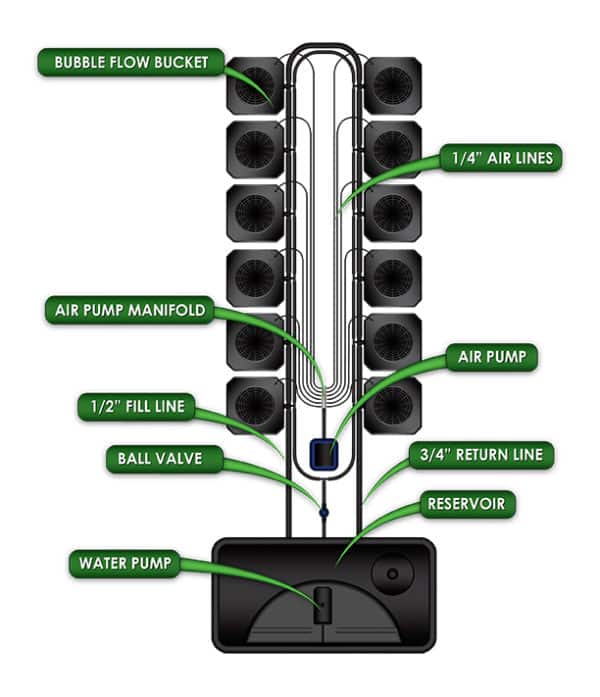
High-End Solutions: The "Set It and Forget It" Pro Moves
If you have the budget and want to eliminate temperature anxiety forever, you need to look into active cooling.
Water Chillers: The Industry Standard
A reservoir chiller works exactly like a refrigerator or an air conditioner for your water. You plumb the chiller into your system, a pump sends the warm water through the cooling coils inside the unit, and it returns to the reservoir at your exact desired temperature.
- Air-Cooled Chillers: These are common for hobbyists. They take the heat from the water and vent it into the room. (Caution: If your reservoir is inside your grow tent, an air-cooled chiller will raise the air temperature of your room, so make sure you have adequate exhaust!)
- Water-Cooled Chillers: More efficient for larger commercial setups or extremely hot environments, but they require a secondary water source to carry the heat away.
Cooling Coils and Heat Exchangers
For those running multiple reservoirs or a large-scale "Army of Growers" style setup, a central chiller connected to stainless steel or titanium cooling coils is the way to go. This allows you to cool several tanks at once without the nutrient solution ever leaving the reservoir, reducing the risk of leaks and pump failures.
Mid-Range & DIY Cooling Tactics
Not everyone is ready to drop $500 on a chiller. If you are looking for more accessible ways to manage your hydroponic systems, here are the most effective manual methods.
1. Insulate Everything
The easiest way to keep water cool is to stop the heat from getting in. Most reservoirs are dark-colored plastic, which absorbs light and heat like a sponge.
- Panda Film: Use Black & White Panda Film to wrap your reservoirs. Keep the black side facing the tank and the white side facing out. This reflects the light and radiant heat away from the water.
- Reflective Insulation: Bubble wrap insulation (Reflectix) is also a great option for wrapping buckets and PVC lines.
2. Increase Water Volume
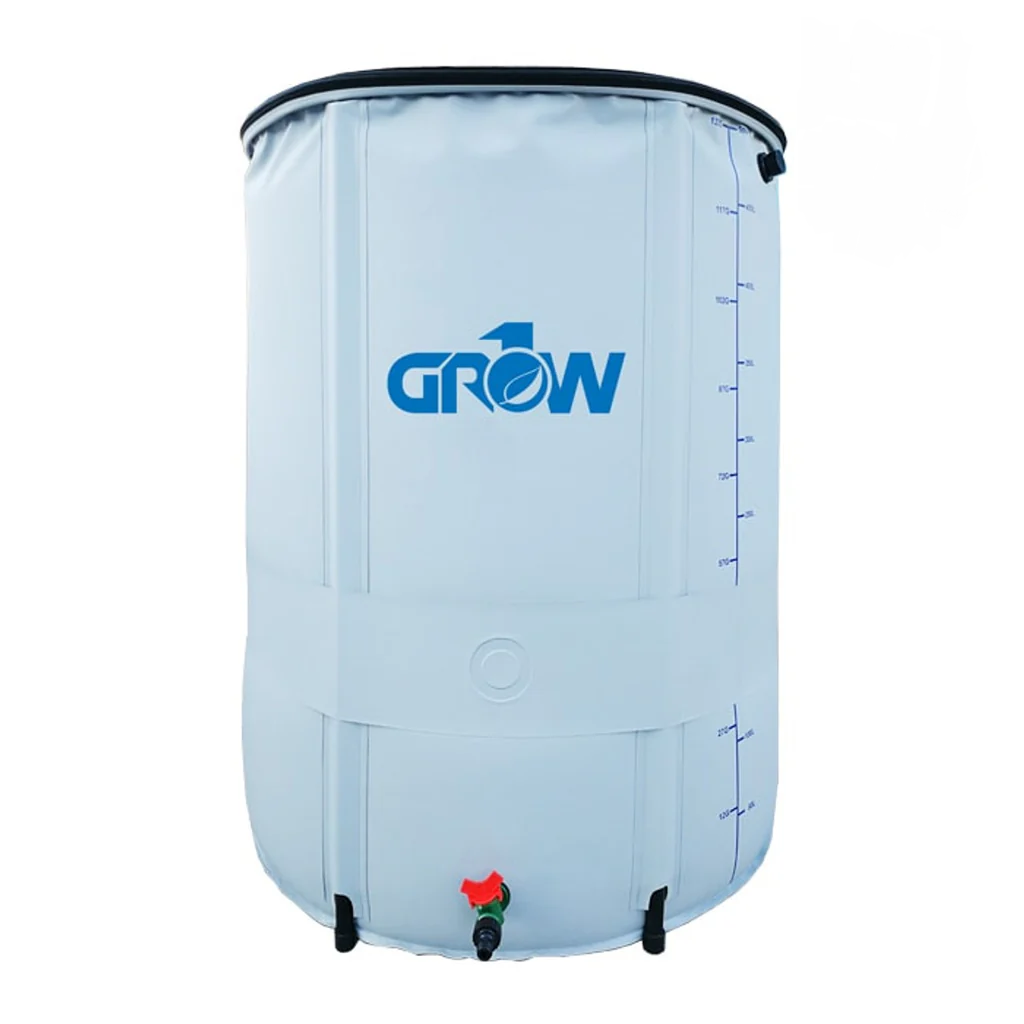
Thermal mass is your friend. A 5-gallon bucket will heat up much faster than a 50-gallon drum. By using a larger reservoir, such as a Grow1 collapsible water storage tank, the water temperature stays more stable throughout the day. The larger the volume of water, the more energy it takes to change its temperature.
3. The "Frozen Bottle" Trick
This is the classic DIY move. Fill a few 2-liter soda bottles with water and freeze them. Drop one into your reservoir when the temps start to climb.
- Pros: It’s free and effective for short-term spikes.
- Cons: It creates "temperature swings." Plants prefer stability. Rapidly dropping the temp by 10 degrees and then letting it slowly climb back up can stress the root zone. Also, you have to be there to swap the bottles out every few hours.
Passive Environmental Strategies
Sometimes, the best way to cool your water is to change the environment around the water.
Relocate the Reservoir
If you are growing in a tent, try to move your reservoir outside the tent. The heat generated by your LED or HPS lights is often trapped inside the tent walls. By placing the reservoir on a cool concrete floor outside the grow space, you can naturally drop the water temp by 5-10 degrees. Check out our tents and film section for layout ideas that allow for external reservoir placement.
Maximize Aeration
While adding air doesn't technically "cool" the water, it mitigates the biggest danger of heat: the loss of oxygen. By running high-quality air stones and powerful pumps, you ensure that even if the water gets a little warm, there is still enough DO to keep the plants alive.

Evaporative Cooling
In dry climates, you can use the power of evaporation. By pointing a fan directly at the surface of the water in your reservoir (if it's an open-top system), the process of evaporation will naturally pull heat out of the liquid. Just be aware that this will increase your humidity and cause your PPM/EC levels to rise as water evaporates and nutrients remain.
The Role of Minerals and Beneficials in Heat Management
When your plants are under heat stress, their nutrient uptake changes. They tend to drink more water to cool themselves through transpiration, which can lead to a buildup of salts in the root zone.
Using a product like Drops of Balance can help keep the water chemistry stable. This mineral solution helps purify the water and ensures that the plants have access to a full spectrum of trace minerals, which acts like an immune system booster during stressful summer months.

Furthermore, adding beneficial microbes or a microbial inoculant can help protect the roots. If a few "bad" bacteria like Pythium do manage to wake up in your warm water, a healthy colony of "good" microbes will act as a shield, outcompeting the pathogens for space and resources.
Common Pitfalls to Avoid
- Don't use ice cubes: Never dump loose ice directly into your reservoir. Most tap water contains chlorine or chloramines that can harm your beneficial microbes and mess with your pH. Always use frozen bottles or sealed ice packs.
- Watch your pH: Temperature and pH are closely linked. As water warms up, your pH readings can fluctuate. Always calibrate your pens and check your levels daily during a heatwave.
- Avoid clear tubing: Clear lines are an invitation for algae to grow when the water is warm and light is present. Use black or opaque tubing for all your hydroponic systems connections.
Summary Checklist for Summer Success
- Monitor: Get a digital thermometer with a probe and keep it in your reservoir at all times.
- Insulate: Wrap your tanks in Panda Film.
- Circulate: Ensure your pumps are moving water and your air stones are bubbling.
- Automate: If you're tired of the manual struggle, consider moving toward a system like Blumat Automatic Watering, which can simplify irrigation even in difficult environments.
- Educate: If you’re seeing weird symptoms on your leaves, check out our Grow Help Videos to diagnose if it’s heat stress or a nutrient deficiency.
Managing reservoir heat is one of the biggest challenges of summer growing, but with the right combination of insulation, aeration, and cooling technology, you can keep your garden thriving even when the sun is blazing. Stay cool, keep those bubbles flowing, and your plants will reward you with a heavy harvest.


Leave a comment
This site is protected by hCaptcha and the hCaptcha Privacy Policy and Terms of Service apply.