

If you’ve been hanging around the gardening or hydroponics scene for more than five minutes lately, you’ve probably noticed a big shift. The rows of rigid, black plastic pots that used to dominate every grow room are being replaced by what looks like felt bags. These are fabric grow pots, and they aren’t just a passing trend.
The fact of the matter is that traditional plastic containers have a few fundamental flaws that have been holding back growers for decades. While they are cheap and easy to find, they don’t exactly prioritize the health of the plant's root system. Fabric pots, on the other hand, change the game by focusing on how a plant actually grows underground.
In this guide, we’re going to break down why everyone is making the switch, the science behind "air pruning," and how these pots can actually lead to faster growth and bigger yields.
What Exactly Is a Fabric Grow Pot?
At its core, a fabric grow pot is exactly what it sounds like: a container made from a breathable, durable fabric (usually a high-density geotextile or felt). Brands like Grassroots have taken this even further by creating pots and raised beds specifically designed to optimize moisture levels and microbial life.
Unlike plastic, which is completely non-permeable, fabric allows air and moisture to move through the walls of the pot. This might seem like a small detail, but for a plant’s root system, it’s the difference between living in a stagnant basement and a well-ventilated home.
1. The Magic of Air Pruning
The single most important benefit of using fabric grow pots is a process called "air pruning." To understand why this is a big deal, we first need to look at the problem with plastic pots.
When a root hits the side of a plastic container, it can’t go through it. Instead, it starts to circle the perimeter. This leads to what we call "root-bound" plants. Eventually, you end up with a thick, woody mass of roots circling the bottom of the pot, with very little "feeder" root mass in the center. This is inefficient; the plant spends energy growing long, useless roots that struggle to take up nutrients.
When you use fabric pots, the roots grow toward the edge and eventually hit the air coming through the fabric. Instead of circling, the tip of the root naturally dries out and stops growing, this is "air pruning."
What happens next is the real secret: Because the lead root has been pruned, the plant sends out a signal to create a massive amount of small, fibrous lateral roots. Instead of a few long, circling roots, you get a dense, fuzzy "root ball" that fills the entire volume of the soil.
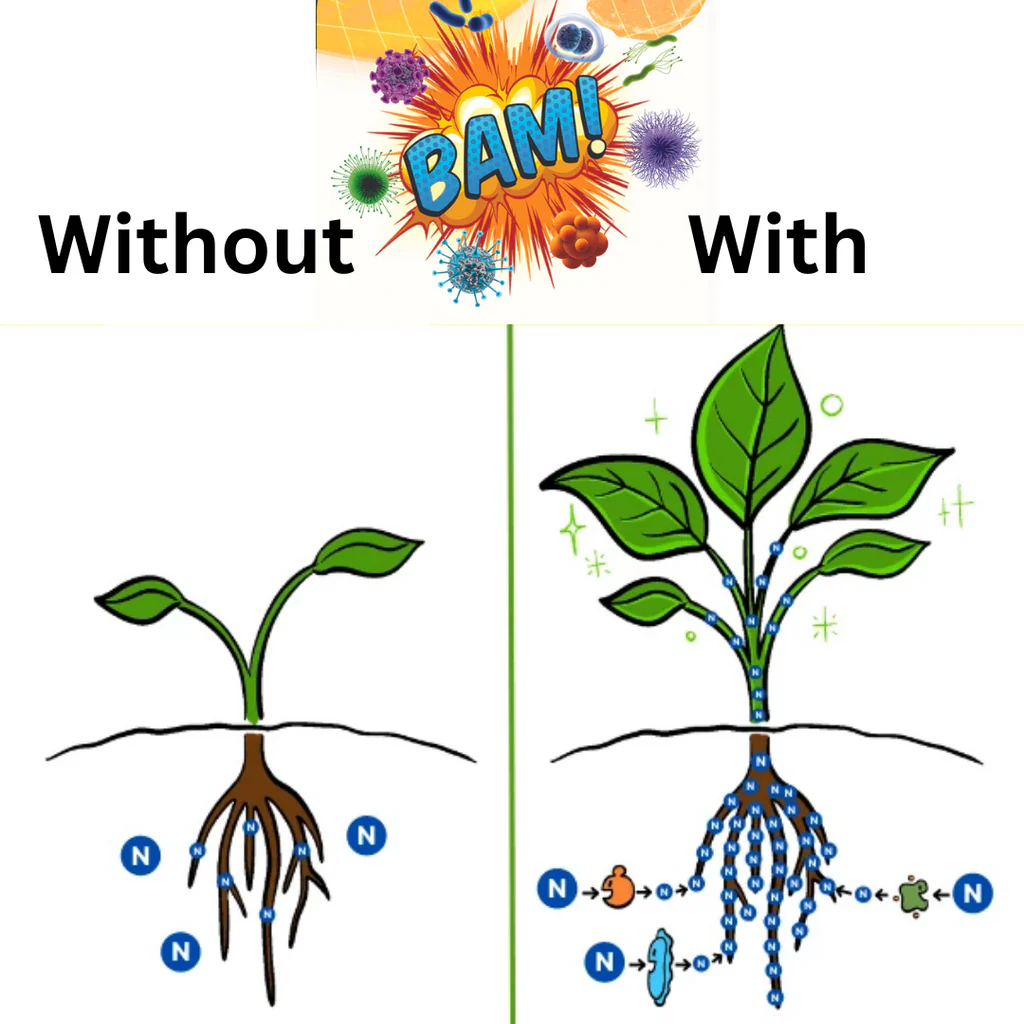
As you can see in the comparison above, a healthy root system is the engine of your plant. More root surface area equals more nutrient uptake, which translates directly to faster vegetative growth and heavier flowers or fruits.
2. Superior Oxygenation and Drainage
Plants don't just "drink" water; their roots also need to "breathe" oxygen. In a traditional plastic pot, oxygen can only enter through the top of the soil. If you overwater, the soil becomes a swamp, the oxygen is pushed out, and you end up with root rot.
Fabric pots provide 360-degree aeration. Oxygen is available to the roots from the sides and the bottom. This increased oxygen availability accelerates the plant's metabolic rate. Think of it like giving your plant a performance-enhancing boost, when the roots can breathe easily, they can process nutrients much more efficiently.
Then there’s the drainage. It is almost impossible to "drown" a plant in a fabric pot. Excess water simply seeps through the fabric. This is a huge safety net for beginners who tend to be a bit heavy-handed with the watering can.
Caution: Because they drain so well and allow air to move through the soil, fabric pots do dry out faster than plastic. You’ll need to keep a closer eye on your moisture levels, or better yet, look into an automated solution like a Blumat system, which works incredibly well with fabric containers.
3. Temperature Regulation
If you’ve ever touched a black plastic pot sitting in the sun, you know they get hot, sometimes hot enough to literally cook the delicate roots inside. Plastic traps heat, and in a grow room under high-intensity lights or outdoors in the summer, this heat stress can stall growth or kill a plant.
Fabric pots benefit from "evaporative cooling." As moisture evaporates through the fabric walls, it naturally lowers the temperature of the soil inside. It’s the same principle as how humans sweat to stay cool. This keeps the root zone in that "Goldilocks zone" where the plant is most comfortable and productive.

4. Portability and Storage
Let’s talk about the practical side of things. If you have fifty 5-gallon plastic pots, they take up a massive amount of space in your garage or shed when they aren't in use. You can’t exactly fold them.
Fabric pots can be washed, folded flat, and tucked into a small box at the end of the season. They are also significantly lighter than plastic or ceramic, and most high-quality versions come with reinforced handles, making it much easier to move your plants around to follow the sun or rearrange your grow tent.
The Grassroots Difference
While basic felt bags are okay, we often recommend Grassroots fabric pots and raised beds to our "Army of Growers." Why? Because they solved the one major complaint people had about fabric pots: uneven drying.
Standard fabric pots can sometimes dry out too fast on the sides, causing the water to just run down the gap between the soil and the fabric without actually soaking in. Grassroots added a moisture-lock liner to the top few inches of their pots. This directs the water down into the center of the root ball while still allowing the bottom to air prune. It’s the best of both worlds.

You can check out the full range of sizes and styles in our products collection.
Maximizing Success with Fabric Pots
If you’re going to invest in fabric pots to get that massive root growth, you should double down by introducing beneficial microbes. Since fabric pots provide such a high-oxygen environment, aerobic (oxygen-loving) bacteria and fungi thrive in them.
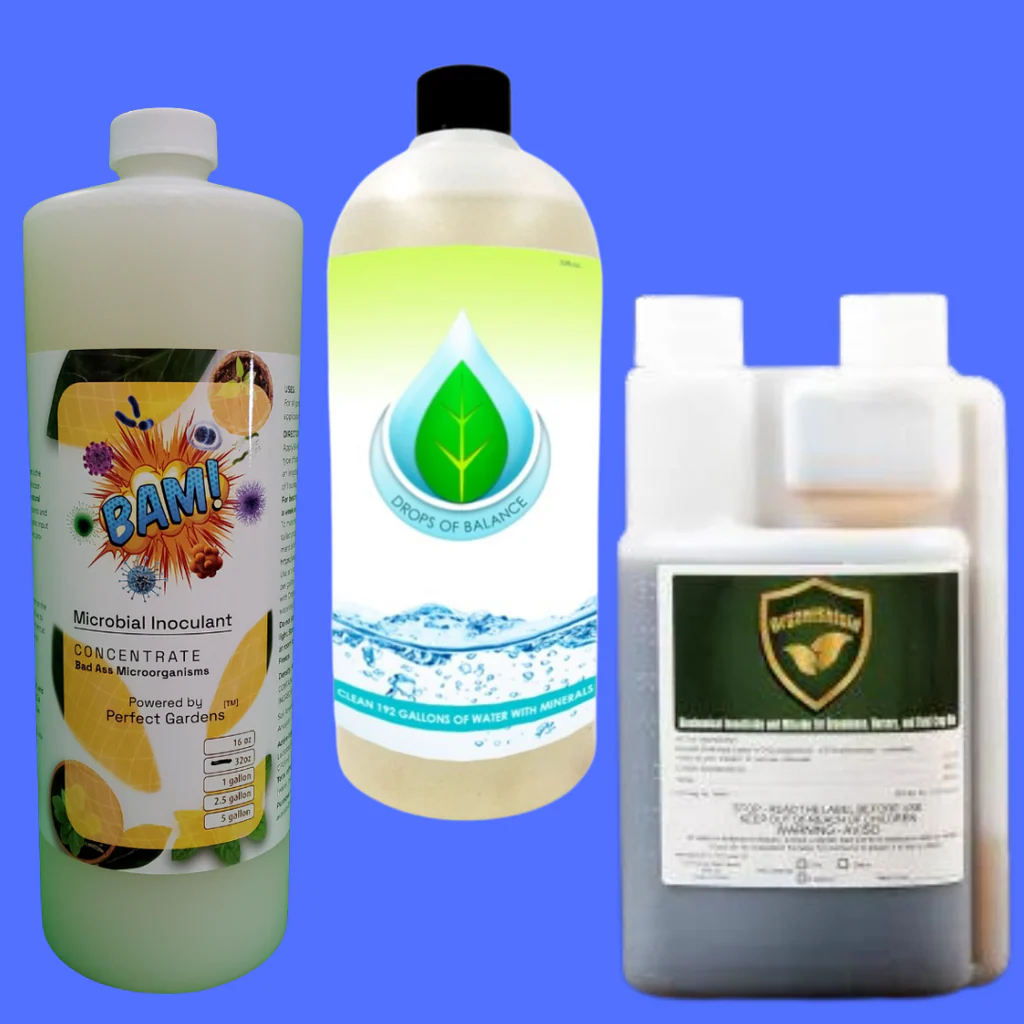
Using something like BAM! Microbial Inoculant or Xtreme Gardening Mykos helps the roots establish a symbiotic relationship with the soil. The fabric provides the oxygen, and the microbes provide the nutrient delivery system. Together, they create a powerhouse growth environment.
Are There Any Drawbacks?
It wouldn't be a fair guide if we didn't mention the challenges.
- Watering Frequency: As mentioned, you will likely water more often.
- Salt Buildup: If you are using heavy synthetic nutrients, you might see white salt crusts form on the outside of the fabric. This is just the fabric doing its job: filtering out the excess minerals: but it can look a bit messy. A quick wash between grows usually fixes this.
- Humidity: If you have a hundred fabric pots in a small room, the evaporation can spike your humidity levels. Make sure your ventilation and dehumidification are up to the task.
Final Verdict
The shift toward fabric grow pots isn't just about following a trend; it's about biology. By allowing for air pruning, better drainage, and cooler root temperatures, you are giving your plants the best possible foundation to succeed.
Whether you are a hobbyist growing on a balcony or a pro managing a large-scale facility, the benefits of "the bag" are hard to ignore. If you’re ready to see the difference for yourself, start with a few 3-gallon or 5-gallon pots and compare them to your plastic ones. The root mass at the end of the season will tell you everything you need to know.
Need help picking the right size or setup? Check out our Grow Help Videos or join our Army of Growers community for more tips and tricks.

Happy growing!


Leave a comment
This site is protected by hCaptcha and the hCaptcha Privacy Policy and Terms of Service apply.