
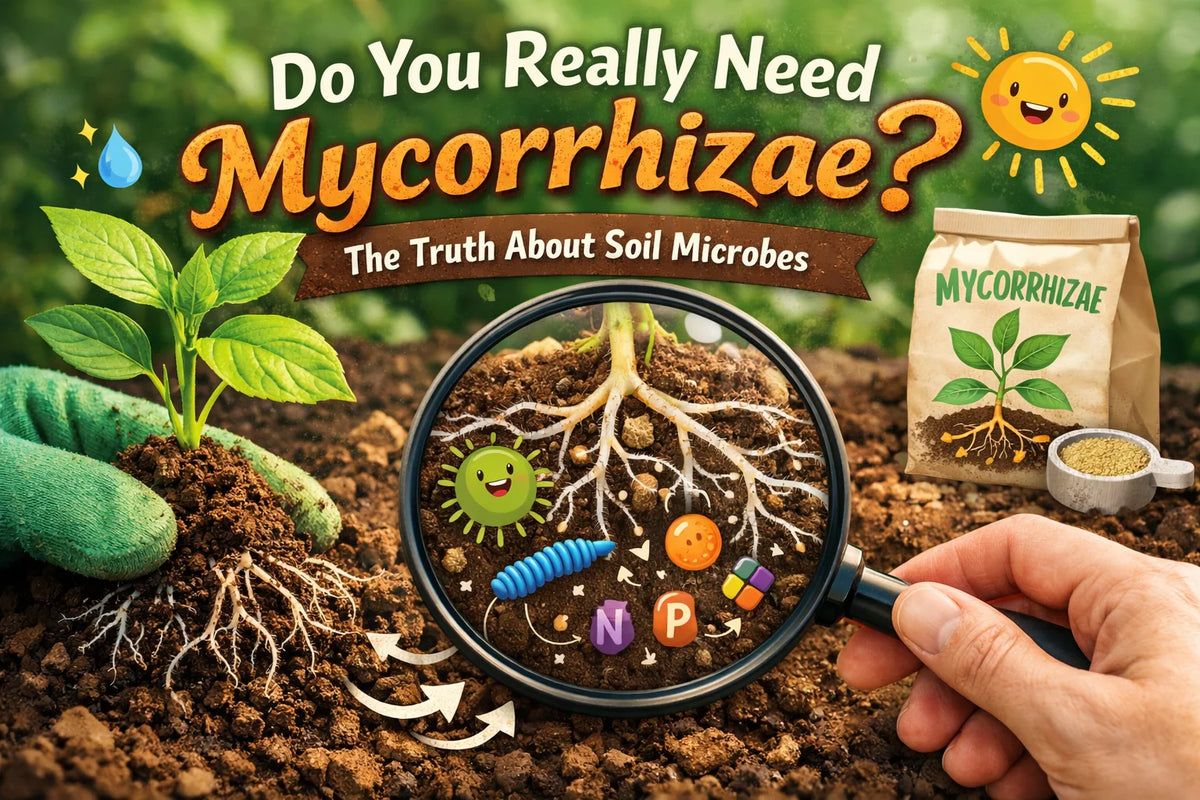
If you’ve spent any time in a grow shop or browsing gardening forums, you’ve probably heard the term "mycorrhizae" tossed around like it’s a magic dust that guarantees massive yields. In the world of high-end gardening and hydroponics, it is often marketed as a must-have supplement. But for the average grower, the question remains: is this just another marketing gimmick, or is there actual science behind the hype?
The truth is that mycorrhizae: and the broader category of microbial inoculants: are not just "extras." They represent a fundamental shift in how we understand plant nutrition. Instead of viewing plants as isolated organisms that simply "eat" bottled nutrients, we are beginning to see them as part of a complex, living ecosystem.
In this guide, we’re going to dive into the reality of mycorrhizae for plants, how they function, and whether your specific setup actually requires them.
What Exactly is Mycorrhizae?
The word "mycorrhizae" literally translates to "fungus-root." It describes a symbiotic relationship between specialized fungi and a plant's root system. This isn't a parasitic relationship; it’s a biological trade deal that has existed for millions of years.
In nature, nearly 90% of all plant species form these associations. The plant provides the fungi with sugars (carbon) produced through photosynthesis. In exchange, the fungi act as a massive extension of the plant's root system, reaching into microscopic soil pores that roots are simply too thick to enter.
The Two Main Types
While there are several types, two are most relevant to gardeners:
- Endomycorrhizae (Arbuscular Mycorrhizal Fungi - AMF): These penetrate the cell walls of the roots. This is the type used for the vast majority of garden vegetables, fruits, and indoor "specialty" crops.
- Ectomycorrhizae: these form a sheath around the root tips but don’t penetrate the cells. These are typically associated with trees (conifers and hardwoods).
When you buy a microbial inoculant at Perfect Gardens, you are usually looking for AMF species like Glomus intraradices.
How It Works: The "Wood Wide Web"
To understand if you need it, you have to understand what it does. Think of a plant's roots like a highway system. They are great for transporting large amounts of water and nutrients, but they can't get into every "side street" or "alleyway" in the soil.
The mycorrhizal fungi grow long, thin threads called hyphae. These hyphae can extend over 100 meters through the soil from a single plant. They create a secondary root system with a surface area hundreds of times greater than the plant could ever grow on its own.
The Phosphorus Problem
One of the biggest reasons to use mycorrhizae for plants is phosphorus uptake. Phosphorus is a finicky element. Even if your soil is loaded with it, it often becomes "locked" or chemically bound to other minerals, making it unavailable to the plant. Mycorrhizal fungi produce specific enzymes that chemically release this phosphorus, "feeding" it directly to the host plant. Research shows that plants with strong fungal associations can require up to 50% less phosphorus fertilizer to achieve the same growth.
Soil Structure and Glomalin
It’s not just about food; it’s about the "house" the plant lives in. These fungi produce a sticky glycoprotein called glomalin. This substance acts as a biological glue, binding tiny soil particles into stable aggregates. This improves water infiltration and air pockets in the soil. Even after the fungi die, this glomalin can stay in the soil for decades, keeping your dirt healthy and productive.
Do You Really Need It? (Setup Scenarios)
The "need" for mycorrhizae depends entirely on how and where you are growing.
1. Growing in Native Outdoor Soil
If you are planting a traditional garden in undisturbed, organic soil, you might already have a healthy fungal population. However, if your land has been tilled heavily, treated with harsh chemical pesticides, or left fallow (empty) for a long time, the native mycorrhizae are likely dead or dormant. In these cases, reintroducing them via an inoculant can jumpstart your garden's performance.
2. Growing in "Sterile" Media (Coco Coir, Rockwool, Peat)
This is where mycorrhizae become nearly essential. Most bagged potting soils and hydroponic media like Rockwool are sterilized during processing to ensure no pests or pathogens are present. This means there is zero biological activity. If you don't add beneficial microbes back in, your plant is entirely dependent on you perfectly balancing every drop of liquid nutrient. Adding a microbial inoculant creates a "buffer," making the plant more resilient to pH swings and nutrient deficiencies.
3. Pure Hydroponics (DWC, Aeroponics)
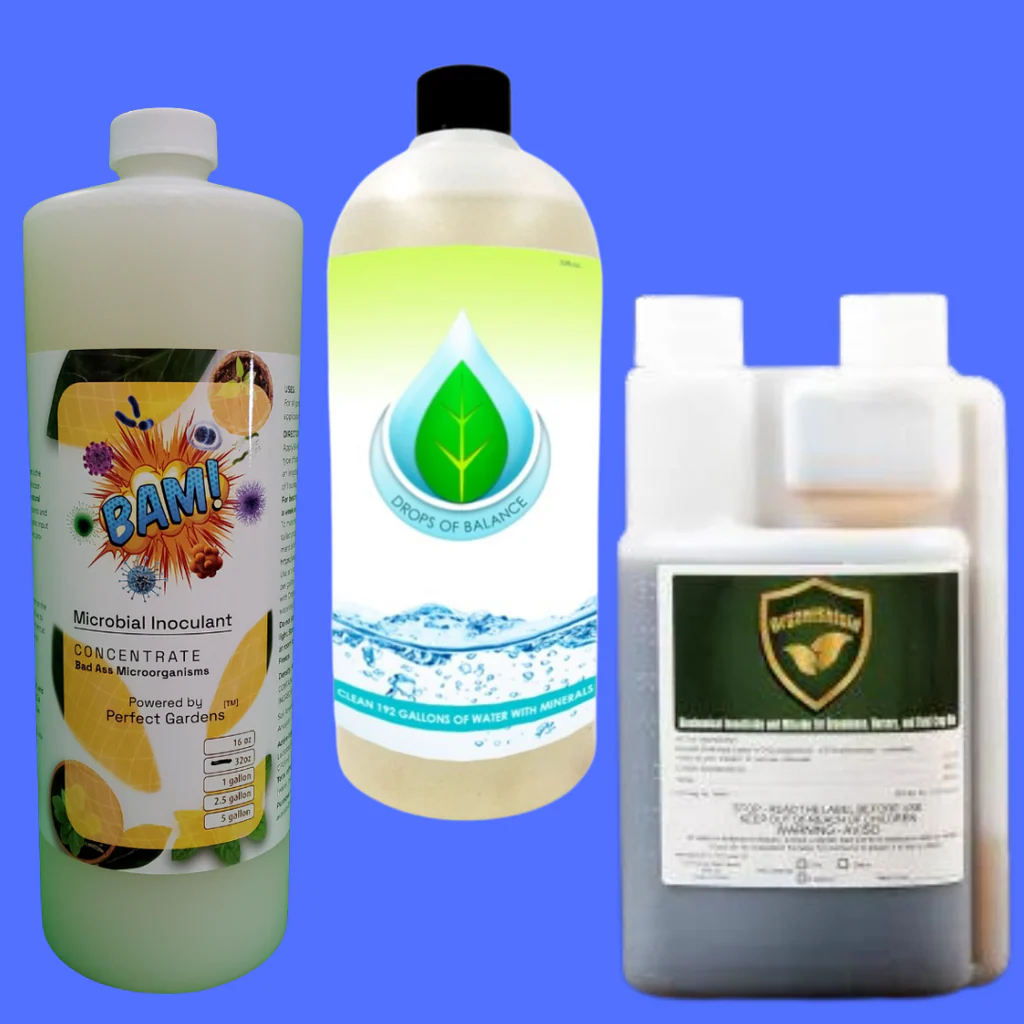
There is some debate here. While some fungi can survive in highly oxygenated water environments, many prefer a solid substrate to latch onto. However, using a specialized microbial inoculant like BAM! is highly recommended for hydro setups to prevent "root snot" (pythium) and other water-borne pathogens from taking hold.
The Benefits: Beyond Just Bigger Roots
While "bigger roots" is the headline, the practical benefits for a grower are much more specific:
- Drought Resistance: Because the hyphae can reach deeper and into smaller pores, mycorrhizal plants can survive significantly longer periods without water.
- Disease Suppression: The fungi physically occupy the space on the root, leaving no "parking spots" for bad fungi or bacteria to land. They also trigger the plant's natural immune system (Systemic Acquired Resistance).
- Transplant Success: Using mycorrhizae during transplanting is one of the best ways to reduce "transplant shock." It helps the roots establish in the new medium almost immediately.
How to Apply Mycorrhizae Correctly
If you decide to use it, you have to do it right. Fungi are living organisms, not chemicals. If you just sprinkle it on top of the soil and water it in, you’re wasting money. Most of the spores will get caught in the top layer of soil and never reach the roots.
The "Direct Contact" Rule
For mycorrhizae to work, the spore must touch a living root.
- At Seeding: Dust your seeds or the planting hole.
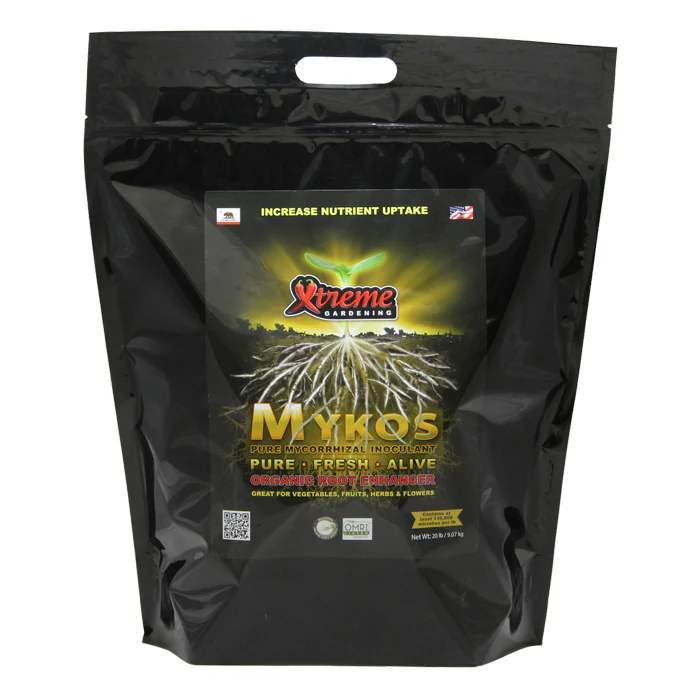
- At Transplant: This is the "Golden Hour." Dust the root ball of your clone or seedling directly before putting it into its new home. Products like Xtreme Gardening Mykos are designed exactly for this purpose.
The Nutrient Conflict
Here is a "Caution" note: Do not over-fertilize with Phosphorus (P) when using mycorrhizae.
If a plant is getting a massive surplus of easy-to-digest liquid phosphorus, it will actually decide the fungi are a "waste of energy" and stop feeding them. To get the most out of your microbial inoculant, keep your P levels moderate. Let the fungi do the work they were evolved to do.
What About Other Microbes?
Mycorrhizae are just one piece of the puzzle. A complete nutrient and microbial kit often includes:
- Beneficial Bacteria: Like Bacillus subtilis, which help with nitrogen fixation and disease defense.
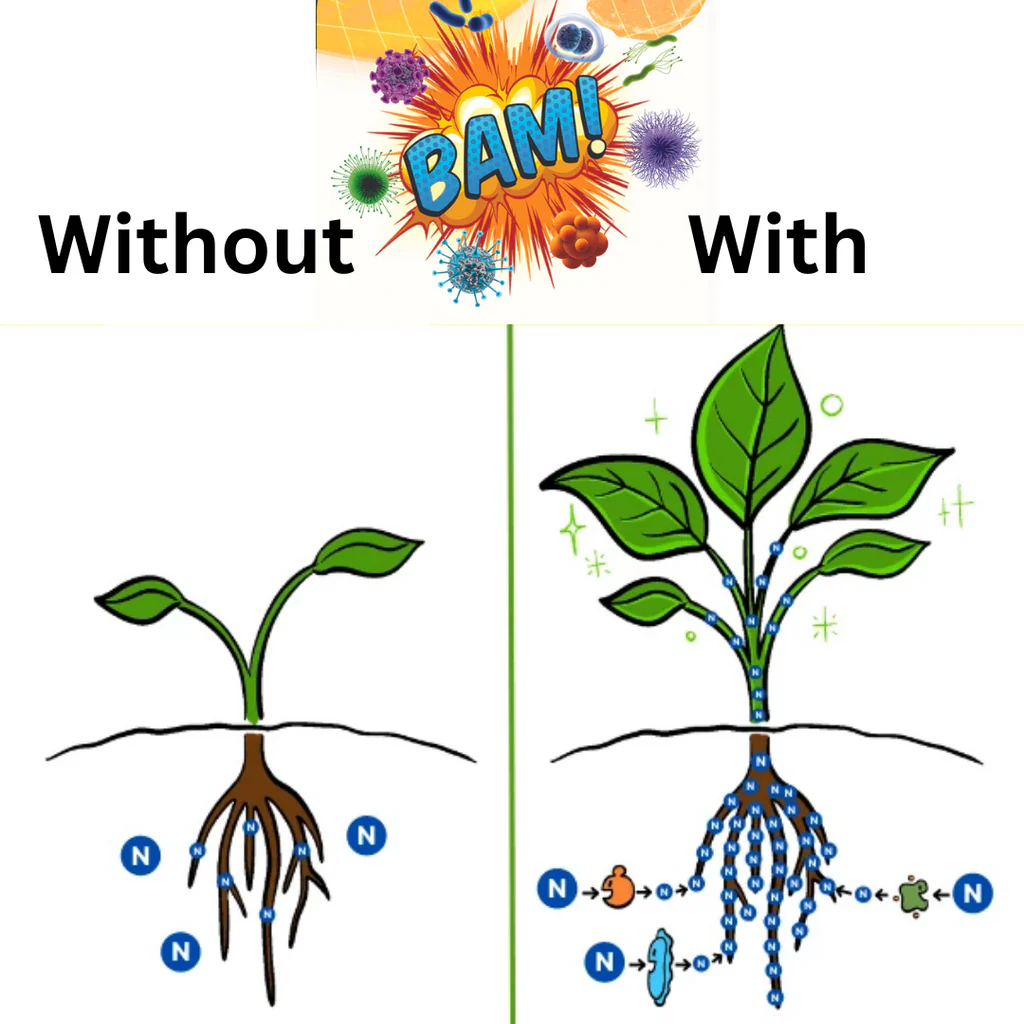
- Nitrogen-Fixing Microbes: Such as Azospirillum (found in Azos), which pull nitrogen from the air and convert it into a form the plant can use.
- Trichoderma: A different type of fungus that is aggressive against root-rot pathogens.

Caption: A diverse microbial ecosystem in the root zone acts as a shield and a factory for your plants.
Is It Worth the Cost?
In our experience at Perfect Gardens, mycorrhizae are one of the most cost-effective additions you can make. Unlike expensive LED grow lights which require a large upfront investment, a small bag of high-quality inoculant is relatively cheap and treats a large number of plants.
The "insurance policy" it provides: protecting against overwatering, underwatering, and nutrient lock-out: usually pays for itself in the first harvest through increased quality and decreased plant loss.
Feeding the Microbes
Remember: if you have a living soil, you have to feed the "livestock." Microbes thrive on complex carbohydrates. Adding a small amount of Cane Molasses to your feeding schedule acts as a fuel source for the fungi and bacteria, keeping the populations high throughout the flowering cycle.

Final Verdict: Marketing Hype or Essential Tool?
The science is clear: Mycorrhizae are foundational to plant health. While you can grow a plant without them using high-dose synthetic salts, you are essentially putting your plant on "life support." By introducing mycorrhizae and other beneficial microbes, you are building a self-sustaining system that mimics the best of nature.
If you are a beginner, it’s one of the easiest ways to prevent common mistakes. If you are a pro, it’s the secret to pushing your genetics to their absolute limit.
Ready to boost your root zone? Check out our full range of microbial inoculants and beneficials to find the right fit for your garden. Whether you're starting seeds in propagation plugs or flipping a room to flower, your roots will thank you.



Leave a comment
This site is protected by hCaptcha and the hCaptcha Privacy Policy and Terms of Service apply.