
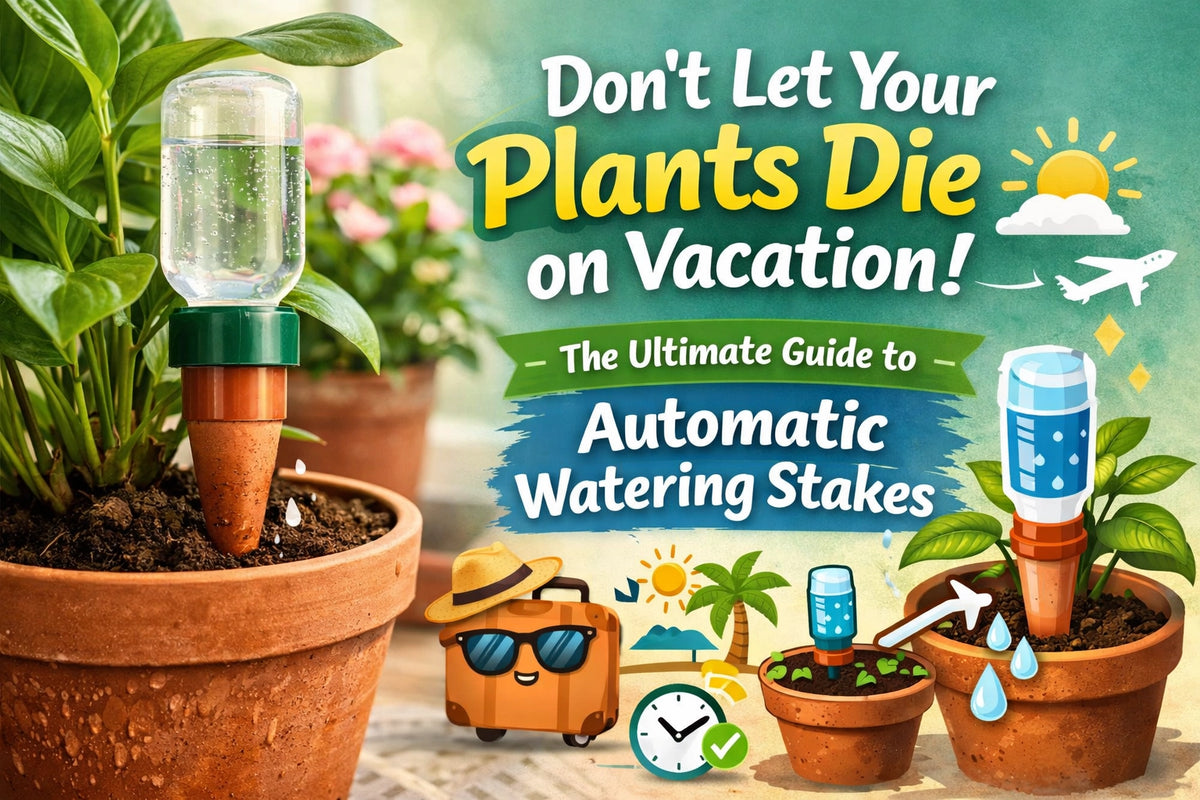
We’ve all been there. You’re standing at the front door, suitcase in hand, passport in your pocket, and you take one last look at your indoor garden. Maybe it’s a tent full of high-value crops or just a collection of expensive tropical house plants you’ve spent months nursing to health. A nagging thought hits you: Are they still going to be alive when I get back in ten days?
The "vacation anxiety" is real for growers. In the past, you either had to bribe a neighbor who doesn’t know a pH meter from a meat thermometer, or you simply crossed your fingers and hoped for the best. Neither of those is a great strategy. The fact of the matter is, traditional hand-watering is the biggest anchor holding growers back from actually enjoying their lives.
This is where automatic watering stakes come in. These aren't just "as seen on TV" gadgets; when used correctly, they are precision instruments that can keep your plants perfectly hydrated, not just while you're at the beach, but all year round.
What Exactly Are Automatic Watering Stakes?
At their core, automatic watering stakes are simple, passive devices designed to deliver water directly to the root zone based on the plant's actual needs. Most high-quality versions, like the ones from Blumat, use a ceramic or terracotta tip that acts as a "sensor."
The science is actually pretty cool. It works on the principle of moisture tension. When the soil gets dry, it literally "sucks" water out of the porous ceramic tip. This creates a vacuum inside the stake, which opens a valve (or draws water through a tube) to release more moisture into the soil. Once the soil is damp again, the tension drops, the vacuum releases, and the watering stops.
It’s a "demand-based" system. Your plants take what they want, when they want it. It’s a complete shift from the "flood and drought" cycle most home growers subject their plants to.

Why You Should Switch (The ROI of Consistency)
It seems more like a luxury to some, but an automatic system is actually a massive ROI (Return on Investment) booster. Think about the cost of a single dead plant. Now think about the cost of a plant that is merely "stressed."
When you hand-water, you usually wait until the soil is dry, then you soak it. The plant goes from "I'm dying of thirst" to "I'm drowning" in a matter of minutes. This stress slows down growth and reduces yields. Automatic watering stakes maintain a "sweet spot" of moisture 24/7. This consistency allows the plant to focus all its energy on growth rather than recovering from dehydration.
If you are looking to professionalize your setup, checking out the Blumat collections is the best place to start. They have setups for everything from a single patio pot to a massive 100-plant greenhouse.
Step-By-Step: Setting Up Your Stakes for Success
If you just jam a dry stake into dry soil and leave for Hawaii, you’re going to come home to a disaster. These systems require a little "priming." Here is the right way to do it:
1. The Pre-Soak (Non-Negotiable)
You have to soak your ceramic stakes in water for at least 15 to 30 minutes before installation. This removes any air trapped in the porous walls of the ceramic. Air is the enemy of a vacuum-based system. If there’s an air bubble inside, the stake won't "feel" the soil moisture correctly.
2. Prep the Soil
Make sure your plant is already watered to the exact moisture level you want to maintain. The stakes are designed to maintain moisture, not to bring a bone-dry pot back to life. Water your plants manually one last time to get them to that "perfect" dampness.
3. Inserting the Stake
Gently push the stake into the soil near the root mass. You want the ceramic part fully submerged. Be careful, terracotta can be brittle. If your soil is packed tight, use a screwdriver or a small trowel to make a pilot hole first.
4. Setting the Reservoir
Most automatic watering stakes work via a reservoir system. You’ll have a tube running from the stake into a bucket or tank of water.

The "Gravity" Secret: Reservoir Placement
One of the biggest mistakes people make is putting their water reservoir too low. Most of these systems rely on a mix of siphoning and gravity. If your reservoir is on the floor and your plants are on a table, the system has to fight gravity to get water to the plant. It usually won’t work.
Ideally, your reservoir should be at least 6 to 12 inches above the level of the soil. This provides enough "head pressure" to keep the water moving through the lines without requiring a pump.
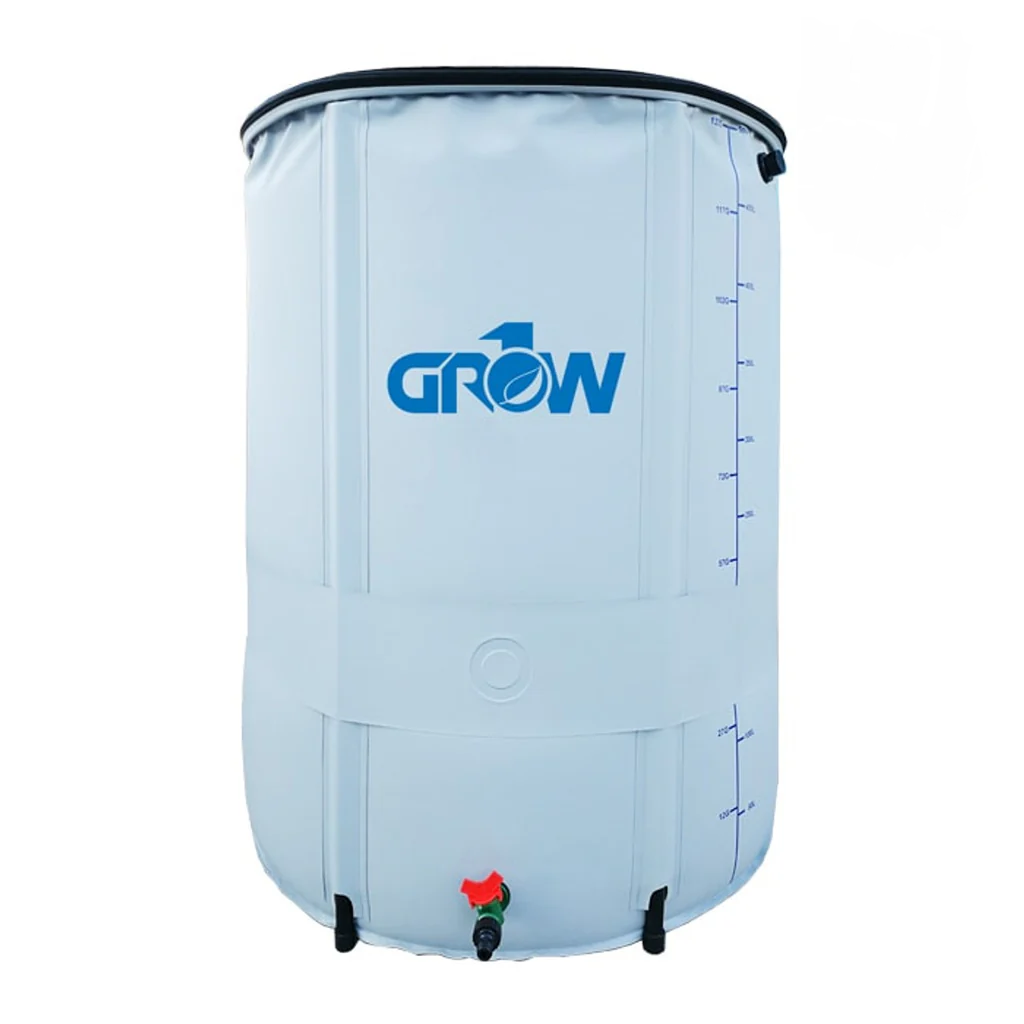
If you're going away for a week, a standard 5-gallon bucket might work for a couple of plants. But if you have a larger garden or you're gone for longer, you’ll need something like a Grow1 collapsible water storage tank. These are great because they hold a lot of volume but can be folded up and put away when you aren't using them.
Water Quality: Don’t Clog Your System
Here is a "Caution" section for you: Ceramic stakes are porous. That means if you have hard water full of calcium, lime, or heavy minerals, those pores are going to clog up over time. If the pores clog, the stake can’t "sense" the soil moisture, and it will either stop watering entirely or, worse, stick "open" and flood your floor.
Before you set up your vacation reservoir, treat your water. We always recommend using something like Drops of Balance. It helps consolidate and neutralize minerals that would otherwise gunk up your stakes. It also adds beneficial trace minerals that your plants will love while you’re gone.

You can find water treatment solutions in our nutrients and supplements section. Clean water is the difference between a system that lasts one month and one that lasts five years.
Advanced Setup: Adding Microbes and Nutrients
A lot of people ask, "Can I put my nutrients in the reservoir?"
The short answer is: Be careful. Thick, organic nutrients (like heavy fish emulsions or thick kelp) will clog the small 1/8" or 1/4" lines used in automatic watering stakes. If you're going on vacation, it's often better to give them a good feeding right before you leave and then let the reservoir provide pure, mineral-balanced water while you're away.
However, if you want to keep the biology of your soil booming, you can add "clean" microbial inoculants like BAM. Because these are liquid-stable and don't clump like some powders, they can often be run through irrigation lines without causing massive clogs. This keeps your "Army of Growers" (the microbes) working in the soil while you’re off the clock.
Common Pitfalls (The "Don't Do This" List)
- The "Runaway" Siphon: If you set your reservoir too high, the pressure might be too much for the valve to hold back, and it will slowly leak until the reservoir is empty and your tent is a lake. Test your height for 24 hours before you actually leave the house.
- Air Bubbles in the Line: If you see a bubble in the clear tubing, your plant isn't getting water. You can usually "flick" the line or run a bit of water through to clear it.
- Forgetting to Refill: It sounds obvious, but calculate your water usage. A large flowering plant in a hot room can drink a gallon of water every two days. If you're gone for ten days, a 5-gallon bucket won't cut it for three plants.
- Not Testing: Never, ever install a new watering system the day you leave. Give it at least 3 to 5 days of "test time" while you are still home to monitor the soil moisture and make adjustments.
Final Thoughts: Peace of Mind is Worth the Setup
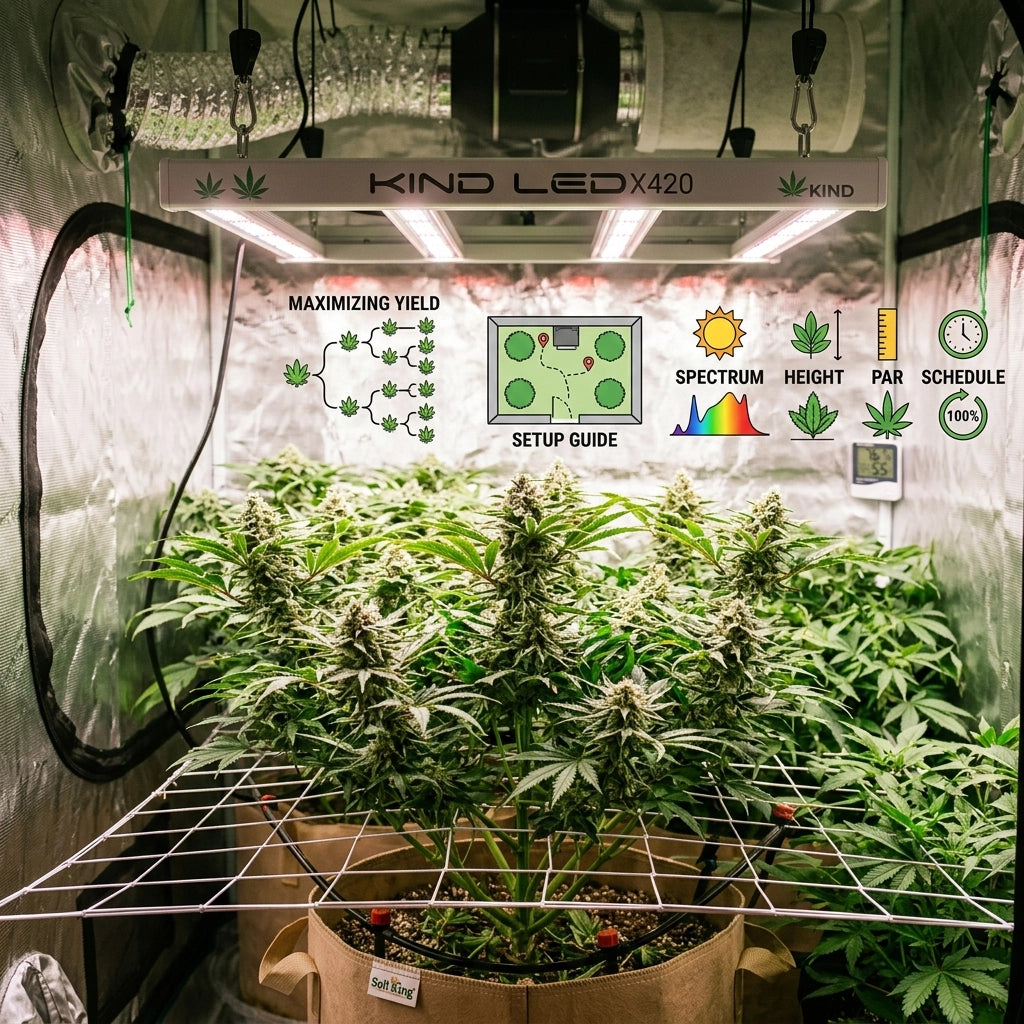
At the end of the day, automatic watering stakes are about freedom. They turn a high-maintenance hobby into a manageable system. Whether you are using a simple glass globe for a fern or a full Blumat array for a 4x4 grow tent, the goal is the same: consistent moisture and less stress.
If you’re feeling overwhelmed by the technical side of things, we have a whole library of Grow Help Videos that walk you through the specifics of various irrigation setups.
Don't let your garden hold you hostage. Get some stakes, dial in your reservoir, and take that trip. Your plants might actually be happier for it: they finally get a break from you over-watering them!
If you have questions about which specific stake size you need for your pots, feel free to reach out to us. We’ve seen it all and can help you get the right kit for your specific vacation window.


Leave a comment
This site is protected by hCaptcha and the hCaptcha Privacy Policy and Terms of Service apply.